


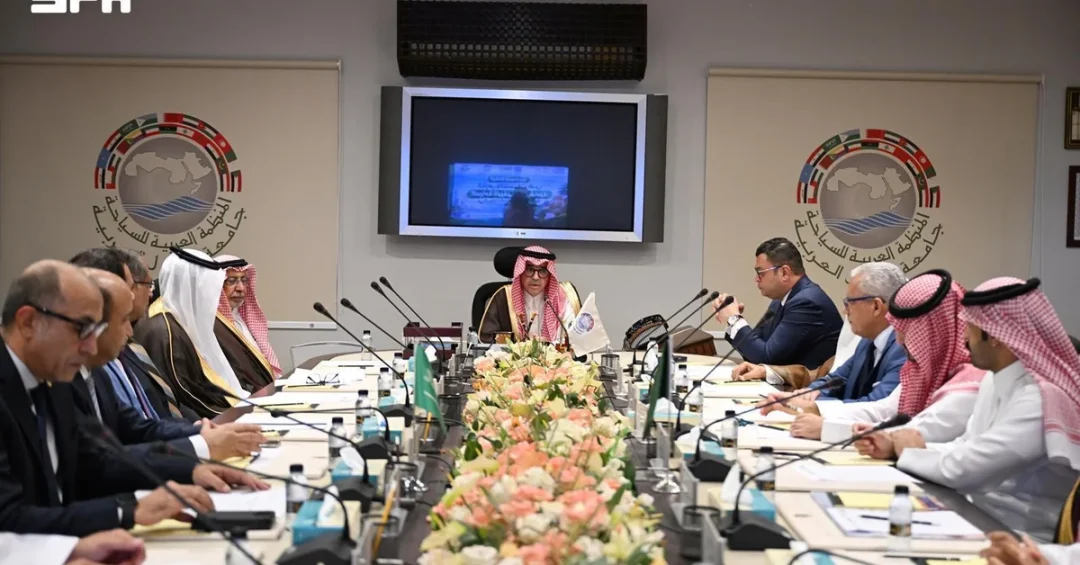
The Arab Tourism Organization (ATO) hosted its second roundtable in Jeddah on November 17, 2026, convening leaders, experts, government and private sector representatives, investors, and academics to examine the reality, challenges, and opportunities of rural and digital tourism in the Kingdom of Saudi Arabia. The gathering was organized under the Rural Tourism Entrepreneurship and Digitization Program (RTED Arabs), a cooperative framework designed to unlock the economic potential of rural destinations across the Arab world. The event underscored the Kingdom’s growing role as a convening power in regional tourism development and its commitment to building an inclusive, innovation-driven tourism economy.
The Jeddah roundtable represents the second installment in a structured dialogue series aimed at translating high-level policy ambitions into concrete action on the ground. By bringing together such a broad coalition of stakeholders—including investors, entrepreneurs, and academics—the ATO is signaling that rural tourism is no longer a peripheral concern but a central pillar of Arab economic diversification. Saudi Arabia, which has invested heavily in modernizing its tourism infrastructure under Vision 2030, is positioned at the heart of this regional effort. What makes this roundtable significant now, and how does it connect to the broader transformation sweeping the Kingdom’s tourism sector? The answers lie in both the program’s design and the Kingdom’s proven track record of turning ambitious visions into measurable results.
Context and Background
The Rural Tourism Entrepreneurship and Digitization Program is implemented through a collaboration among the ATO, the Arab Academy for Science, Technology and Maritime Transport, and the Arab Organization for Agricultural Development (AOAD). It receives support from the Aid for Trade Initiative for the Arab States (AfTIAS) Program, an initiative of the International Islamic Trade Finance Corporation (ITFC). This multi-institutional architecture reflects a deliberate strategy: rural tourism development requires not only hospitality investment but also scientific capacity, agricultural integration, and accessible trade finance. Each partner contributes a distinct competency, creating a comprehensive support system for entrepreneurs and startups operating in rural areas.
The first roundtable in the series established the conceptual foundation for the program, identifying the primary obstacles facing rural tourism enterprises—including limited digital infrastructure, fragmented marketing channels, and constrained access to capital. The second roundtable in Jeddah built on those findings by shifting focus toward practical solutions: investment avenues, innovation pathways, and the construction of an ecosystem that supports sustainable tourism growth. Isn’t it remarkable how quickly a regional dialogue can move from identifying problems to designing actionable frameworks? The progression from diagnosis to solution-building within a single year demonstrates the seriousness with which Arab tourism stakeholders are approaching this agenda.
The choice of Jeddah as the venue carries symbolic and practical weight. As Saudi Arabia’s historic gateway city and a major commercial hub, Jeddah embodies the intersection of tradition and modernity that rural tourism seeks to celebrate. The city’s own transformation—including the regeneration of its historic Al-Balad district—offers a living case study in how heritage preservation and tourism development can reinforce one another. Participants at the roundtable could draw direct lessons from the Kingdom’s experience in balancing cultural authenticity with world-class visitor infrastructure.
Key Details
Dr. Bandar Al-Fehaid, President of the Arab Tourism Organization, emphasized the importance of fostering Arab cooperation to develop rural and sustainable tourism. He highlighted the value of leveraging Saudi Arabia’s experience in diversifying tourism products and opening new investment horizons—efforts that help develop local communities and create job opportunities. Dr. Al-Fehaid further stressed the need to move beyond discussing challenges and toward developing practical, actionable initiatives and partnerships. His remarks set a pragmatic tone for the gathering, redirecting attention from analysis to implementation.
Participants discussed opportunities to develop rural and digital tourism, identified challenges facing entrepreneurs and startups, and explored avenues for investment, innovation, and strengthening an ecosystem that supports the tourism sector. The roundtable format—featuring contributions from government officials, private investors, and academic researchers—ensured that discussions incorporated both policy perspectives and on-the-ground market realities. This cross-sectoral approach is essential for rural tourism, where success depends on coordination between infrastructure providers, local communities, financiers, and marketing platforms. What emerges when such diverse stakeholders share a table and a common purpose? The answer, as the Jeddah discussions demonstrated, is a richer, more resilient set of solutions than any single sector could produce alone.
The program’s emphasis on digitization reflects a recognition that rural tourism enterprises often lack the digital tools and skills needed to compete in a modern booking and marketing environment. By integrating digital capacity-building into the rural tourism agenda, the RTED Arabs program addresses both supply-side readiness and market access. Entrepreneurs in remote areas can reach international visitors through digital platforms, while local communities can showcase their cultural heritage, culinary traditions, and natural landscapes to a global audience. This dual empowerment of producers and consumers of tourism experiences is central to the program’s theory of change.
International and Regional Impact
The roundtable’s outcomes extend well beyond Saudi Arabia’s borders. As a pan-Arab initiative, the RTED Arabs program aims to create a shared framework for rural tourism development that can be adapted across different national contexts. Arab countries possess extraordinary rural assets—from mountain villages and coastal fishing communities to agricultural oases and desert heritage sites—yet many remain underdeveloped as tourism destinations. By pooling expertise and financial resources through partners like the ITFC, the program enables smaller or resource-constrained states to participate in a regional tourism economy without bearing the full cost of infrastructure development independently.
For the international audience observing Saudi Arabia’s tourism ambitions, the Jeddah roundtable offers evidence of the Kingdom’s willingness to share its transformation experience with regional partners. Saudi Arabia has rapidly expanded its tourism sector, recording significant growth in international arrivals and domestic tourism spending, and the Kingdom now seeks to channel that momentum into collaborative regional initiatives. This approach aligns with a broader pattern of Saudi-led multilateralism in economic and cultural affairs. Doesn’t it make sense that a region sharing common heritage and geography would benefit enormously from coordinating its tourism development efforts? The ATO roundtable represents precisely this kind of coordination in action.
Economic and Strategic Significance
Rural tourism carries substantial economic potential for local communities. Unlike concentrated urban tourism, which often accrues benefits primarily to large hotel chains and established operators, rural tourism disperses economic activity across smaller enterprises—guesthouses, family-run restaurants, local guides, and artisanal producers. This dispersion supports job creation in areas where employment opportunities are limited and can help stem rural-to-urban migration. For Saudi Arabia, where regional development balance is a stated priority, rural tourism serves multiple objectives: economic diversification, community empowerment, and the preservation of cultural and natural heritage.
The digital dimension of the program carries equally important strategic weight. Digital tourism platforms reduce the barriers that small operators face in reaching customers, enabling businesses in remote locations to participate in the national and regional tourism economy. Investment in digital infrastructure and skills also aligns with Saudi Arabia’s broader technological modernization agenda, complementing initiatives in smart cities, e-commerce, and financial technology. By connecting rural tourism entrepreneurship to digital transformation, the RTED Arabs program positions rural communities not as passive beneficiaries of development but as active participants in the innovation economy. Isn’t that the kind of inclusive growth that sustainable development truly requires?
Vision 2030 Alignment
The Jeddah roundtable and the RTED Arabs program align closely with the objectives of Saudi Vision 2030, the Kingdom’s comprehensive transformation strategy. Vision 2030 calls for diversifying the economy beyond oil, empowering local communities, and developing the tourism sector as a major contributor to national income and employment. Rural tourism directly advances these goals by creating economic opportunities outside major urban centers, promoting the sustainable use of natural and cultural resources, and expanding the Kingdom’s tourism product beyond its established destinations. The ATO’s decision to leverage Saudi experience in diversifying tourism products reflects international recognition of the Kingdom’s progress in this domain.
As the roundtable concluded, the message was one of momentum and commitment. Dr. Al-Fehaid’s call to move from discussion to action captures the spirit of a region determined to convert shared ambition into tangible prosperity. Under the guidance of the Kingdom’s leadership and in partnership with Arab institutions, the RTED Arabs program is poised to deliver practical initiatives that develop local communities, create jobs, and open new horizons for investment. Saudi Arabia stands ready to support this regional endeavor, drawing on its own remarkable transformation as proof that vision, partnership, and persistence can reshape an economy and improve lives. How many rural communities might soon discover that their heritage, landscapes, and traditions are not only worth preserving but worth celebrating with the world? The path forward is clear, and the journey has already begun.
20 Questions
Q1. What was the purpose of the second ATO roundtable in Jeddah?
A1. The roundtable examined the reality, challenges, and opportunities of rural and digital tourism in Saudi Arabia, bringing together leaders, investors, and academics to explore investment, innovation, and ecosystem development under the RTED Arabs program.
Q2. When and where was the second roundtable held?
A2. The Arab Tourism Organization hosted the second roundtable in Jeddah on November 17, 2026, as part of the Rural Tourism Entrepreneurship and Digitization Program.
Q3. What does the RTED Arabs program stand for?
A3. It stands for the Rural Tourism Entrepreneurship and Digitization Program, a regional initiative designed to develop rural tourism through entrepreneurship support, digital capacity-building, and collaborative investment frameworks across the Arab world.
Q4. Which organizations implement the RTED Arabs program?
A4. The program is implemented through a collaboration among the Arab Tourism Organization, the Arab Academy for Science, Technology and Maritime Transport, and the Arab Organization for Agricultural Development.
Q5. Which institution supports the program financially?
A5. The program is supported by the Aid for Trade Initiative for the Arab States (AfTIAS) Program, an initiative of the International Islamic Trade Finance Corporation (ITFC).
Q6. Who is the President of the Arab Tourism Organization?
A6. Dr. Bandar Al-Fehaid serves as President of the Arab Tourism Organization and emphasized the importance of Arab cooperation in developing rural and sustainable tourism.
Q7. What did Dr. Al-Fehaid emphasize at the roundtable?
A7. He emphasized fostering Arab cooperation, leveraging Saudi Arabia’s experience in diversifying tourism products, developing local communities, creating jobs, and moving beyond discussion toward practical initiatives and partnerships.
Q8. Who participated in the Jeddah roundtable?
A8. The roundtable brought together leaders, experts, government and private sector representatives, investors, and academics, ensuring diverse perspectives on rural and digital tourism development.
Q9. What topics were discussed at the roundtable?
A9. Participants discussed opportunities to develop rural and digital tourism, challenges facing entrepreneurs and startups, and avenues for investment, innovation, and strengthening a supportive tourism ecosystem.
Q10. Why is digitization important for rural tourism?
A10. Digitization helps rural enterprises reach customers through modern platforms, reduces barriers for small operators in remote locations, and connects local communities to national and regional tourism markets.
Q11. How does rural tourism benefit local communities?
A11. Rural tourism disperses economic activity across smaller enterprises such as guesthouses, restaurants, local guides, and artisanal producers, creating jobs and helping stem rural-to-urban migration.
Q12. Why was Jeddah chosen as the venue?
A12. Jeddah is Saudi Arabia’s historic gateway city and a major commercial hub, embodying the intersection of tradition and modernity, and offering lessons from its heritage regeneration in Al-Balad.
Q13. How does the program build on the first roundtable?
A13. The first roundtable identified obstacles such as limited digital infrastructure and constrained access to capital, while the second shifted focus toward practical solutions, investment avenues, and ecosystem building.
Q14. What is the regional significance of the roundtable?
A14. The pan-Arab initiative creates a shared framework for rural tourism development, allowing Arab countries to pool expertise and resources and adapt approaches to different national contexts.
Q15. What role does Saudi Arabia play in the initiative?
A15. Saudi Arabia contributes its experience in diversifying tourism products and opening investment horizons, and positions itself as a convening power supporting regional tourism collaboration.
Q16. How does the program support entrepreneurs and startups?
A16. The program addresses challenges facing entrepreneurs by exploring investment avenues, innovation pathways, digital capacity-building, and mechanisms to strengthen a supportive tourism ecosystem.
Q17. How does rural tourism align with Vision 2030?
A17. It advances economic diversification beyond oil, empowers local communities, develops the tourism sector, and promotes sustainable use of natural and cultural resources across the Kingdom.
Q18. What economic benefits does rural tourism offer?
A18. It creates jobs in areas with limited employment, supports small enterprise growth, disperses economic activity geographically, and helps preserve cultural and natural heritage.
Q19. What was the concluding message of the roundtable?
A19. The message was one of momentum and commitment, with Dr. Al-Fehaid calling for movement from discussion to action and delivering practical initiatives that develop communities and create jobs.
Q20. What broader pattern does the initiative reflect?
A20. It reflects Saudi-led multilateralism in economic and cultural affairs, with the Kingdom sharing its transformation experience and channeling tourism momentum into collaborative regional development efforts.
Reader Feedback
We value your thoughts. Please share your feedback on this article.
Your feedback helps us improve our coverage.
Related articles
 AlUla Manara Team Launches Astronomy Programs
 Saudia, ACP Launch Direct Moscow-Jeddah Flights
 AlUla Stays Link Visitors to Heritage and Nature
 Jazan Forests Open New Horizons for Ecotourism and Investment
 Sunset Outings Draw Visitors to Jeddah’s Corniche and Parks
 Al-Wasm Rains Turn Tihama Aseer’s Plains and Mountains Green