


The General Authority for the Care of the Affairs of the Grand Mosque and the Prophet’s Mosque has unveiled an immersive five-sense pavilion at the second edition of the Umrah and Ziyarah Forum in Makkah, offering visitors a unique journey from Al-Rawdah Al-Sharifah in Madinah to the Holy Kaaba in Makkah. The pavilion, which opened on April 16, 2025, uses interactive booths dedicated to hearing, smell, touch, sight, and taste to deepen the spiritual and sensory connection of pilgrims and visitors to the Two Holy Mosques. This initiative reflects the Kingdom’s commitment to enriching the pilgrimage experience through innovation and careful attention to detail, in line with Vision 2030’s goals to enhance the quality of services for the guests of God.
Have you ever wondered how the sacred atmosphere of the Two Holy Mosques is meticulously crafted to engage every sense? The pavilion provides a rare behind-the-scenes look at the elements that contribute to the spiritual ambiance, from the recitation of the Holy Quran through advanced sound systems to the fragrances used in the ritual washing of the Holy Kaaba. By bringing these details to the forefront, the Authority not only educates but also inspires a deeper appreciation for the care and precision involved in serving the millions of pilgrims who visit the holy sites each year.
Context and Background
The Umrah and Ziyarah Forum, now in its second edition, serves as a major platform for showcasing the latest developments and services related to Umrah and Ziyarah. Organized by the Ministry of Hajj and Umrah, the forum brings together experts, stakeholders, and service providers to discuss and enhance the pilgrimage experience. The participation of the General Authority for the Care of the Affairs of the Grand Mosque and the Prophet’s Mosque underscores the integrated efforts across Saudi government entities to continuously improve the quality of services for pilgrims.
Why is it important to engage all five senses in the pilgrimage experience? The Authority’s pavilion demonstrates that the spiritual journey is not just about rituals but also about the environment in which they are performed. By highlighting the sensory elements—such as the sound of the call to prayer, the scent of oud and Taif rose, the feel of the Kaaba’s Kiswa, the sight of intricate 3D models, and the taste of Ajwa dates and Zamzam water—the pavilion creates a holistic experience that resonates with visitors on multiple levels. This approach aligns with the Kingdom’s broader strategy to use innovation and technology to serve the guests of God.
The second edition of the forum builds on the success of the first, which was held in 2024. It reflects Saudi Arabia’s ongoing efforts to enhance the Hajj and Umrah sectors, which are vital components of the Kingdom’s economic diversification strategy under Vision 2030. The forum also serves as a venue for announcing new initiatives and partnerships aimed at improving infrastructure, digital services, and crowd management, all of which contribute to a smoother and more fulfilling pilgrimage.
Key Details
The pavilion’s journey begins with the hearing booth, where visitors are introduced to the intricate sound system of the Two Holy Mosques. Through a live display of the imams’ loudspeakers and audio clips of Quranic verses, supplications, and calls to prayer, accessed via an iPad connected to headphones, visitors gain insight into the auditory experience that accompanies their prayers. This booth highlights the technical sophistication required to ensure that the call to prayer and recitations are heard clearly throughout the expansive mosque complexes.
Next, the smell booth showcases the fragrances used in the Two Holy Mosques, including oud oil, Taif rose perfume, and incense sticks. The purification team leads an interactive session that includes a live demonstration of how these fragrances are blended for washing the Holy Kaaba. This booth not only educates visitors about the specific scents but also honors the traditional methods that have been used for generations, now enhanced with modern techniques to maintain the highest standards of purity and reverence.
The touch booth features samples of carpets from the Two Holy Mosques and illustrates their evolution over time. Visitors can feel a piece of Thassos marble, known for its perpetual coolness, and examine tools and threads used in crafting the Holy Kaaba’s Kiswa, with detailed explanations of the embroidery components made of silk and gold-plated silver. This tactile experience allows visitors to connect physically with the craftsmanship and materials that contribute to the mosques’ grandeur.
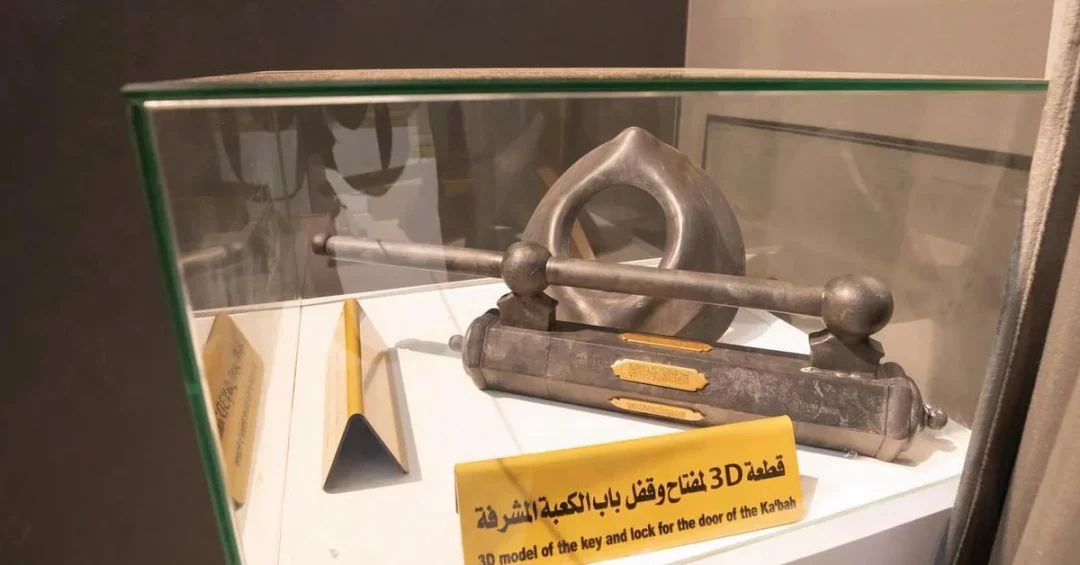
In the sight booth, 3D models of key landmarks of the Two Holy Mosques are displayed, including the Black Stone, Maqam Ibrahim, the Prophet’s Mosque mihrab and pulpit, the Black Stone’s frame, and the Kaaba’s door lock. These artistic visual displays capture visitors’ attention and provide a deeper understanding of the architectural and historical significance of these elements. Finally, the tasting booth offers visitors Ajwa dates and Zamzam water, along with traditional tools once used for drinking and storing Zamzam water, and a detailed model of the Zamzam well showing its depth, water sources, and the method of transporting it to Madinah.
International and Regional Impact
The pavilion at the Umrah and Ziyarah Forum has significant implications for international visitors and the global Muslim community. By providing a multi-sensory experience, the Authority enhances the understanding and appreciation of the Two Holy Mosques among pilgrims from around the world. This educational initiative helps bridge cultural gaps and fosters a sense of unity among Muslims, as they learn about the shared heritage and the meticulous care taken to preserve the sanctity of the holy sites.
Moreover, the forum itself serves as a platform for international collaboration, attracting participants from various countries who are involved in the pilgrimage sector. The pavilion showcases Saudi Arabia’s leadership in utilizing technology and innovation to serve religious tourism, setting a benchmark for other nations. It also reinforces the Kingdom’s role as a global hub for Islamic heritage and a destination for spiritual journeys, which in turn boosts its soft power and diplomatic ties.
Economic and Strategic Significance
From an economic perspective, the enhancements in the Umrah and Ziyarah experience contribute to the growth of the pilgrimage sector, which is a key pillar of Saudi Arabia’s economic diversification efforts. By improving the quality of services, the Kingdom aims to increase the number of pilgrims and extend their stay, thereby boosting revenue from hospitality, retail, and transportation. The pavilion’s focus on sensory engagement also aligns with broader efforts to create memorable experiences that encourage repeat visits and positive word-of-mouth promotion.
Strategically, the initiative supports Saudi Arabia’s Vision 2030 by enhancing the Hajj and Umrah sectors, which are targeted to accommodate more pilgrims annually. The use of advanced technologies and interactive displays demonstrates the Kingdom’s commitment to innovation and excellence in service delivery. This not only elevates the pilgrimage experience but also positions Saudi Arabia as a leader in religious tourism, attracting investment and partnerships that contribute to the national economy.
Vision 2030 Alignment
The General Authority for the Care of the Affairs of the Grand Mosque and the Prophet’s Mosque’s pavilion is a clear manifestation of Vision 2030’s objectives to enrich the pilgrimage experience and improve the quality of life for visitors. By leveraging innovation and technology, the Authority enhances the spiritual journey of millions, ensuring that their time in the holy cities is both fulfilling and transformative. This aligns with the Vision’s focus on creating a vibrant society and a thriving economy, where religious and cultural heritage are celebrated and preserved.
As Saudi Arabia continues to invest in the Hajj and Umrah sectors, initiatives like this pavilion demonstrate the Kingdom’s unwavering dedication to serving the guests of God. Through such efforts, the nation not only strengthens its spiritual leadership but also showcases its capability to integrate tradition with modernity. The pavilion serves as a testament to the Kingdom’s forward-looking approach, ensuring that the sacred experience of pilgrimage remains deeply meaningful and accessible to all.
20 Questions
Q1. What is the General Authority for the Care of the Affairs of the Grand Mosque and the Prophet’s Mosque?
A1. It is a Saudi government body responsible for managing and maintaining the Two Holy Mosques in Makkah and Madinah, ensuring the highest standards of service and care for pilgrims.
Q2. What is the Umrah and Ziyarah Forum?
A2. The Umrah and Ziyarah Forum is an annual event organized by the Ministry of Hajj and Umrah to showcase services and innovations related to pilgrimage, bringing together experts and stakeholders.
Q3. What was the purpose of the Authority’s pavilion at the forum?
A3. The pavilion aimed to provide an immersive five-sense experience, educating visitors about the sensory elements of the Two Holy Mosques and enhancing their spiritual connection.
Q4. Which senses were represented in the pavilion?
A4. The pavilion featured five booths dedicated to hearing, smell, touch, sight, and taste, each offering interactive displays and activities.
Q5. What did the hearing booth showcase?
A5. It displayed the intricate sound system of the Two Holy Mosques, with live demonstrations of imams’ loudspeakers and audio clips of Quranic verses and calls to prayer.
Q6. What fragrances were featured in the smell booth?
A6. The smell booth showcased oud oil, Taif rose perfume, and incense sticks, along with a demonstration of how these are blended for washing the Holy Kaaba.
Q7. What could visitors experience in the touch booth?
A7. Visitors could feel samples of carpets, a piece of Thassos marble, and examine tools and threads used in crafting the Holy Kaaba’s Kiswa.
Q8. What 3D models were displayed in the sight booth?
A8. The sight booth featured 3D models of the Black Stone, Maqam Ibrahim, the Prophet’s Mosque mihrab and pulpit, the Black Stone’s frame, and the Kaaba’s door lock.
Q9. What did the tasting booth offer?
A9. The tasting booth offered Ajwa dates and Zamzam water, along with traditional tools for drinking and storing Zamzam water and a model of the Zamzam well.
Q10. How does the pavilion align with Vision 2030?
A10. It aligns with Vision 2030 by enhancing the pilgrimage experience through innovation, improving service quality, and showcasing Saudi Arabia’s commitment to serving the guests of God.
Q11. Who organized the Umrah and Ziyarah Forum?
A11. The forum is organized by the Ministry of Hajj and Umrah, with participation from various Saudi government entities and international stakeholders.
Q12. What is the significance of the Kiswa?
A12. The Kiswa is the cloth that covers the Holy Kaaba, intricately embroidered with silk and gold-plated silver, symbolizing reverence and craftsmanship.
Q13. Why is Thassos marble used in the Two Holy Mosques?
A13. Thassos marble is known for its perpetual coolness, making it ideal for flooring in the mosques to provide comfort to pilgrims in the warm climate.
Q14. What is Zamzam water?
A14. Zamzam water is a sacred water from the Zamzam well in Makkah, believed to have spiritual benefits and consumed by pilgrims during their journey.
Q15. How does the pavilion enhance the pilgrimage experience?
A15. By engaging all five senses, the pavilion deepens visitors’ understanding and appreciation of the care and detail involved in maintaining the Two Holy Mosques.
Q16. What role does technology play in the pavilion?
A16. Technology is used through interactive displays like iPads, 3D models, and audio systems to create an engaging and educational experience for visitors.
Q17. What are Ajwa dates?
A17. Ajwa dates are a special variety of dates from Madinah, known for their distinct taste and historical significance in Islamic tradition.
Q18. How does the forum contribute to Saudi Arabia’s economy?
A18. The forum promotes the pilgrimage sector, attracting more visitors and investment, which supports economic diversification under Vision 2030.
Q19. What is the significance of the Black Stone?
A19. The Black Stone is a sacred relic set in the corner of the Kaaba, revered by Muslims and symbolizing the starting point of the Tawaf circumambulation.
Q20. How does the pavilion reflect Saudi Arabia’s leadership in serving pilgrims?
A20. It demonstrates the Kingdom’s innovative approach and dedication to providing exceptional services, reinforcing its role as the custodian of the Two Holy Mosques.
Reader Feedback
We value your thoughts. Please share your feedback on this article.
Your feedback helps us improve our coverage.
Related articles
 Madinah Buses Serve 1.7 Million Passengers in Ramadan
 North Riyadh and Salma Geoparks Join UNESCO Global Network
 Ancient Mulberry Trees Make Al-Hada a Unique Tourist Destination in Taif
 AlUla Manara Launches Celestial Journey at AlUla Skies Festival 2025
 Saudi Tour Guide Licenses Surge 168% in 2024
 Transavia France to Launch New Routes to Madinah