


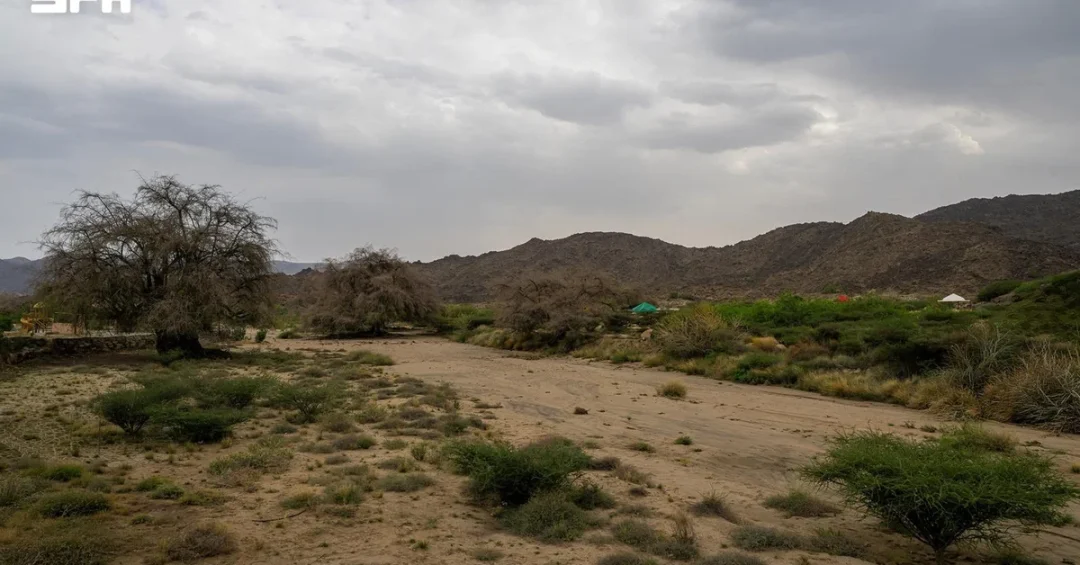
Badr Al-Janoub Governorate in Saudi Arabia’s Najran Region is emerging as a leading destination for ecotourism and rural tourism, with its rich vegetation and mountainous landscapes drawing visitors seeking moderate summer weather and natural beauty, according to the Saudi Press Agency (SPA). The governorate’s extensive mountainous terrain, where valleys and ravines blend with diverse vegetation that flourishes after summer rains, reflects a rich ecological diversity that attracts nature enthusiasts and hikers from across the Kingdom and beyond. This natural abundance is not only a scenic asset but a foundation for sustainable tourism development that aligns with the Kingdom’s broader economic diversification goals.
Could the verdant valleys of Badr Al-Janoub become the next must-visit destination for eco-conscious travelers? The answer lies in the governorate’s unique combination of natural heritage and strategic investment. The region’s wild and perennial trees, including large jujube, acacia, and tamarisk, form an integral part of its environmental and visual identity. These trees help maintain ecological balance and provide essential forage for bees, supporting a thriving honey industry that reflects the close relationship between local communities and their natural resources. As Saudi Arabia continues to develop its tourism sector under Vision 2030, Badr Al-Janoub stands as a testament to how natural assets can be harnessed responsibly for economic and social benefit.
Context and Background
What makes Badr Al-Janoub’s vegetation so significant in the broader Saudi context? Located in the Najran Region, the governorate is characterized by extensive mountainous terrain that creates a unique microclimate. Following summer rains, valleys and ravines burst into life with diverse vegetation, transforming the landscape into a lush, green haven that contrasts with the typical desert image of Saudi Arabia. This phenomenon has been documented by the Saudi Press Agency, which highlights the governorate’s potential as a destination for ecotourism and rural tourism, particularly during summer when visitors seek moderate weather and scenic natural landscapes.
The region’s ecological diversity supports a wide range of wildlife, providing suitable habitats for local species and adding to its environmental and tourism appeal. The presence of large jujube, acacia, and tamarisk trees is not merely aesthetic; these species are integral to the area’s ecological balance. They offer shade, prevent soil erosion, and contribute to the water cycle, while their flowering seasons attract beekeepers who produce high-quality natural honey. This interplay between flora, fauna, and local communities has sustained the region for generations and now forms the basis for a modern, sustainable tourism strategy.
Historically, Badr Al-Janoub has been known for its agricultural and pastoral traditions. The governorate’s name, which translates to ‘Full Moon of the South,’ hints at its reputation for beauty and abundance. In recent years, the Saudi government has increasingly recognized the value of such natural assets, not only for their environmental importance but also as drivers of tourism and economic growth. The region’s vegetation is thus both a heritage to be preserved and a resource to be developed wisely.
Key Details
What specific actions are being taken to enhance Badr Al-Janoub’s natural appeal? According to official Saudi sources, more than 7,000 trees and plants have recently been planted across the governorate as part of strategic efforts to develop tourist destinations in various districts, enhance vegetation cover, and improve quality of life. These municipal and environmental initiatives are designed to preserve and develop the governorate’s landscapes while harnessing their natural potential for sustainable tourism. The planting campaign is not an isolated effort but part of a broader national push to increase green cover and combat desertification.
The initiative also seeks to support environmental protection and sustainable tourism development, contributing to the broader objectives of increasing the tourism sector’s contribution to the national economy. The trees planted include native species adapted to the local climate, ensuring their survival and long-term ecological benefits. This approach reflects a growing awareness in Saudi Arabia that environmental stewardship and economic development can go hand in hand. The governorate’s valleys and ravines, already home to large jujube, acacia, and tamarisk trees, are now being supplemented with additional plantings to create more resilient and attractive landscapes.
Furthermore, the diverse flowering seasons in Badr Al-Janoub have attracted beekeepers seeking to produce high-quality natural honey. This has spawned a local honey industry that not only provides income for residents but also adds to the tourism experience, with visitors able to purchase authentic products directly from producers. The integration of apiculture into the tourism offering is a prime example of how traditional livelihoods can be enhanced through sustainable practices. The governorate’s natural assets are thus being leveraged in a way that respects the environment while creating economic opportunities.
International and Regional Impact
How does Badr Al-Janoub’s development fit into Saudi Arabia’s regional and international tourism ambitions? The Kingdom has set ambitious targets to attract millions of international visitors annually by 2030, and destinations like Badr Al-Janoub are crucial to achieving that goal. While much attention focuses on mega-projects like NEOM and the Red Sea Project, the development of rural and ecotourism sites offers a complementary strategy that showcases Saudi Arabia’s diverse landscapes and cultural heritage. For international travelers, Badr Al-Janoub offers an authentic experience of Arabian nature, with hiking trails, wildlife watching, and opportunities to learn about traditional beekeeping.
Regionally, the governorate’s success could serve as a model for other areas in Saudi Arabia and the Gulf that possess similar natural endowments. By demonstrating that sustainable tourism can generate income and preserve ecosystems, Badr Al-Janoub helps build a case for green development across the region. This is particularly important as Gulf countries seek to diversify their economies away from hydrocarbons. The international community has taken note of Saudi Arabia’s environmental initiatives, and the planting of thousands of trees in Badr Al-Janoub contributes to global efforts to combat climate change and desertification.
Economic and Strategic Significance
What economic benefits can sustainable tourism bring to Badr Al-Janoub and the wider Najran Region? Tourism is a labor-intensive sector that creates jobs in hospitality, guiding, transportation, and retail. By developing ecotourism and rural tourism, the governorate can provide employment opportunities for local residents, particularly youth, and reduce out-migration to larger cities. The honey industry, supported by the region’s flowering trees, is another economic pillar that can be expanded through better marketing and packaging. Visitors to Badr Al-Janoub can purchase honey directly from beekeepers, adding value to the local economy.
Strategically, the development of Badr Al-Janoub aligns with Saudi Arabia’s Vision 2030, which aims to diversify the economy, increase the private sector’s role, and enhance the quality of life for citizens. The tourism sector is targeted to contribute 10% of GDP by 2030, and rural destinations like Badr Al-Janoub are essential to reaching that goal. The planting of over 7,000 trees is a concrete step toward creating a more attractive environment for tourists, while also improving air quality and providing shade. This dual benefit—economic and environmental—exemplifies the sustainable development principles that underpin Vision 2030.
Vision 2030 Alignment
How does the greening of Badr Al-Janoub directly support Saudi Vision 2030? The Vision’s Quality of Life Program includes goals to enhance green spaces, promote sustainable tourism, and preserve natural heritage. The governorate’s initiatives are a microcosm of these national objectives. By planting thousands of trees and developing tourist destinations, Badr Al-Janoub is helping to create a more vibrant and sustainable Saudi Arabia. The focus on ecotourism also aligns with the Vision’s aim to attract international visitors and showcase the Kingdom’s natural beauty.
In conclusion, Badr Al-Janoub Governorate’s vegetation is more than a natural wonder; it is a strategic asset for sustainable tourism and economic diversification. Through careful stewardship and strategic investment, the region is poised to become a model for rural tourism in Saudi Arabia. As the Kingdom continues its journey toward Vision 2030, places like Badr Al-Janoub will play an increasingly important role in demonstrating that environmental protection and economic development can thrive together. The future looks green for this southern gem.
20 Questions
Q1. What is Badr Al-Janoub Governorate known for?
A1. Badr Al-Janoub is known for its mountainous terrain, diverse vegetation, and potential for ecotourism and rural tourism, especially during summer when the weather is moderate.
Q2. Where is Badr Al-Janoub located?
A2. It is located in the Najran Region of southwestern Saudi Arabia, near the border with Yemen.
Q3. What types of trees are common in Badr Al-Janoub?
A3. The area is home to large jujube, acacia, and tamarisk trees, which contribute to the ecological balance and provide forage for bees.
Q4. How many trees have been recently planted in the governorate?
A4. More than 7,000 trees and plants have been planted as part of efforts to enhance vegetation cover and develop tourist destinations.
Q5. Why is summer a popular time to visit Badr Al-Janoub?
A5. Summer offers moderate weather and scenic natural landscapes, making it ideal for nature enthusiasts and hikers.
Q6. What is the role of vegetation in supporting wildlife?
A6. Vegetation provides habitats for local species, maintains ecological balance, and supports biodiversity in the region.
Q7. How does vegetation support the honey industry?
A7. Diverse flowering seasons attract beekeepers, allowing them to produce high-quality natural honey from the nectar of local trees.
Q8. What initiatives are in place to preserve the governorate’s landscapes?
A8. Municipal and environmental initiatives include tree planting, developing tourist sites, and promoting sustainable tourism practices.
Q9. How does sustainable tourism benefit the local community?
A9. It creates jobs, supports local businesses like honey production, and improves quality of life while preserving natural resources.
Q10. What is the significance of Badr Al-Janoub’s name?
A10. The name translates to ‘Full Moon of the South,’ reflecting the area’s historical reputation for beauty and abundance.
Q11. How does the governorate contribute to Saudi Vision 2030?
A11. It supports economic diversification, job creation, and environmental sustainability, aligning with Vision 2030’s goals for tourism and quality of life.
Q12. What makes Badr Al-Janoub an attractive destination for ecotourism?
A12. Its unique blend of mountainous terrain, lush vegetation after rains, and diverse wildlife offers authentic nature experiences.
Q13. Are there hiking opportunities in Badr Al-Janoub?
A13. Yes, the valleys and ravines provide scenic trails for hikers and nature enthusiasts to explore the landscape.
Q14. How does the local community interact with the natural environment?
A14. Communities have traditionally relied on the land for grazing and beekeeping, maintaining a close relationship with natural resources.
Q15. What environmental benefits do the newly planted trees provide?
A15. They enhance green cover, improve air quality, prevent soil erosion, and create habitats for wildlife.
Q16. Is Badr Al-Janoub accessible to international tourists?
A16. Yes, as part of Saudi Arabia’s tourism development, the region is becoming more accessible with improved infrastructure and services.
Q17. What role does the Saudi Press Agency play in reporting on Badr Al-Janoub?
A17. SPA provides official news and information about the governorate’s natural features and development initiatives.
Q18. How does the honey produced in Badr Al-Janoub compare to other regions?
A18. The unique floral diversity gives the honey distinct flavors and high quality, making it sought after by consumers.
Q19. What are the future plans for tourism in Badr Al-Janoub?
A19. Plans include further development of tourist destinations, increased tree planting, and promotion of ecotourism to attract more visitors.
Q20. How can visitors contribute to sustainable tourism in the governorate?
A20. Visitors can respect the environment, support local businesses, and participate in eco-friendly activities that preserve the area’s natural beauty.
Reader Feedback
We value your thoughts. Please share your feedback on this article.
Your feedback helps us improve our coverage.
Related articles
 Badr Al Janoub: A Green Oasis for Sustainable Tourism
 Custodian’s Guests Tour Madinah’s Historic Islamic Sites
 Dumat Al-Jandal’s 33 Parks Elevate Summer Quality of Life
 Jeddah Beaches Draw Summer Crowds with Diverse Activities
 Umrah Guests Visit Mount Uhud and Quba Mosque in Madinah
 Jeddah Beaches: Saudi Arabia’s Top Summer Destination 2026