


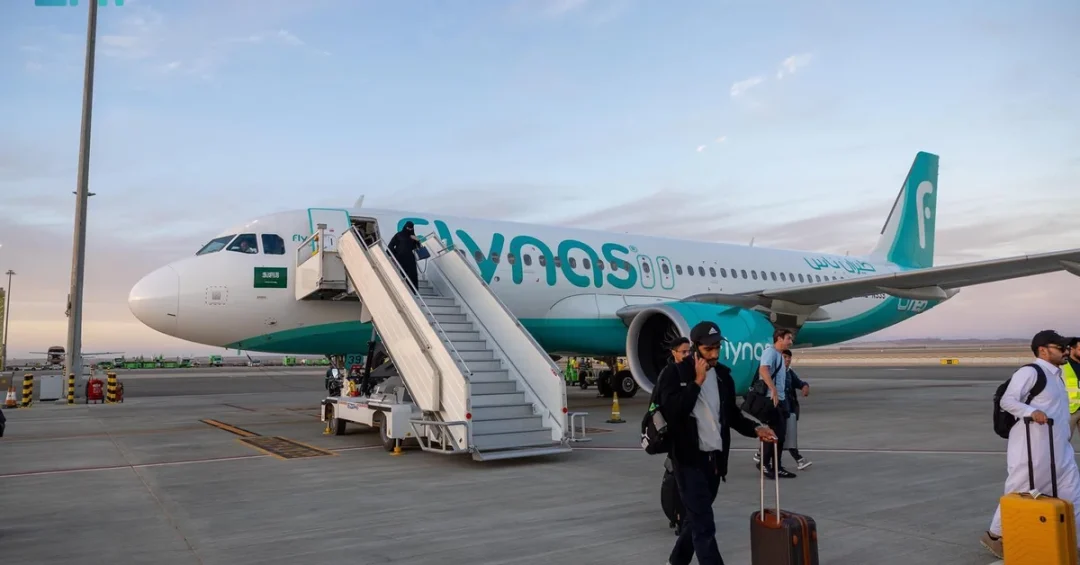
flynas, the leading low-cost airline globally and recognized as the best low-cost carrier (LCC) in the Middle East, celebrated the inauguration of its first flight between the Red Sea destination and Dammam on December 28, 2024, according to the Saudi Press Agency (SPA). The inaugural celebration was held simultaneously at King Fahd International Airport in Dammam and Red Sea International Airport, with representatives from flynas, Red Sea International Airport, and King Fahd International Airport in attendance. Starting December 28, flynas will operate two weekly flights from King Fahd International Airport in Dammam—one of the airline’s four operational bases in Saudi Arabia—to Red Sea International Airport in the northwest. This milestone marks the addition of a new domestic destination to flynas’s expanding network, aligning with the airline’s growth strategy and supporting Saudi Arabia’s travel and tourism industry.
Have you ever wondered how a single new flight route can help reshape a nation’s tourism landscape? The launch of this service is more than a schedule update; it is a strategic link between two of the Kingdom’s most dynamic regions. By connecting the Eastern Province with the Red Sea coast, flynas is directly supporting the Red Sea destination, a key project under Saudi Vision 2030, while also serving local communities in the northwest. The route underscores how Saudi Arabia’s aviation sector is expanding to meet the goals of the National Tourism Strategy, which aims to attract 150 million visits annually by 2030. With two weekly flights, the service offers travelers a convenient gateway to one of the world’s most ambitious regenerative tourism projects.
Context and Background
What does it take for an airline to become a catalyst for national transformation? For flynas, the answer lies in continuous network expansion and alignment with Saudi Arabia’s broader economic diversification goals. Since its founding in 2007, flynas has grown from a regional startup into a globally recognized low-cost carrier, earning the title of best LCC in the Middle East at the World Travel Awards. The airline now operates from four bases in Saudi Arabia: Riyadh, Jeddah, Dammam, and Abha. The addition of the Red Sea route from Dammam reflects a deliberate strategy to enhance domestic connectivity, particularly to emerging destinations that are central to the Kingdom’s tourism ambitions.
The Red Sea destination itself is a flagship project under Vision 2030, developed by Red Sea Global. It spans 28,000 square kilometers along the northwestern coast and includes more than 90 pristine islands, dormant volcanoes, and a rich cultural heritage. The project is designed to be regenerative, meaning it aims to enhance the natural environment rather than merely sustain it. Red Sea International Airport, which opened in 2023, is the gateway to this destination and is designed to serve up to one million passengers annually. By launching flights from Dammam, flynas is helping to make this luxury destination more accessible to domestic travelers, thereby supporting the local communities and businesses in the region.
Why is domestic connectivity so crucial for Saudi Arabia’s tourism goals? The Kingdom’s National Tourism Strategy seeks to increase the sector’s contribution to GDP from 3% to 10% by 2030, creating one million new jobs along the way. Domestic tourism is a vital component of this plan, as it encourages citizens and residents to explore the country’s diverse offerings. Improved air links reduce travel time and make weekend trips to the Red Sea feasible for residents of the Eastern Province, one of the most populous regions in Saudi Arabia. This, in turn, stimulates spending in local economies, from hotels and restaurants to tour operators and artisans. The new flynas route is a practical step toward realizing these objectives.
Key Details of the Inaugural Flight
What exactly does this new service offer to travelers? The inaugural flight departed from King Fahd International Airport in Dammam on December 28, 2024, and arrived at Red Sea International Airport. The celebration at both airports featured traditional Saudi hospitality, with representatives from flynas and airport authorities cutting a ceremonial ribbon and welcoming the first passengers. The flights will operate twice weekly, providing a convenient schedule for both leisure and business travelers. The route is served by flynas’s modern fleet of Airbus A320 and A330 aircraft, known for their fuel efficiency and passenger comfort. Travelers can expect competitive fares, as befits a low-cost carrier, and the ability to book tickets through flynas’s website, mobile app, and authorized travel agents.
The new route also strengthens the operational role of King Fahd International Airport, which is one of the largest airports in the world by area and a key hub for the Eastern Province. As one of flynas’s four bases, Dammam offers connectivity to numerous domestic and international destinations. The addition of the Red Sea route expands the airport’s domestic network and provides passengers with a direct link to a world-class tourism destination. For Red Sea International Airport, the arrival of flynas marks another milestone in its young history, as it continues to attract airlines and build its reputation as a premier gateway to the Red Sea coast.
How will this route benefit the local communities in the northwest? The Red Sea destination is not just a luxury resort project; it is also an economic engine for the surrounding region. Red Sea Global has committed to hiring and training local residents, and the increased tourist traffic will create demand for services and products from nearby towns such as Umluj and Al Wajh. The flynas flights will make it easier for friends and family to visit the area, and for local entrepreneurs to access markets in the Eastern Province. Moreover, the route supports the seasonal travel patterns of Saudi citizens, who often seek cooler coastal climates during the summer months. By providing affordable and convenient air travel, flynas is helping to integrate the Red Sea region more fully into the national economy.
International and Regional Impact
Could this new domestic route have implications beyond Saudi Arabia’s borders? Absolutely. As the Kingdom positions itself as a global tourism hub, the ease of domestic travel enhances the overall visitor experience. International tourists arriving in Dammam—whether for business in the Eastern Province’s industrial zones or to explore its cultural heritage—can now easily add a Red Sea getaway to their itinerary. This multi-destination travel pattern is exactly what Saudi Arabia hopes to encourage, as it increases average length of stay and spending. Furthermore, the route strengthens the Kingdom’s aviation sector, which is a key pillar of the National Transport and Logistics Strategy. A robust domestic network makes Saudi carriers more attractive to international partners and supports the growth of connecting traffic through Saudi hubs.
Regionally, the new link between Dammam and the Red Sea underscores the Kingdom’s commitment to balanced development across all provinces. The Eastern Province is the center of Saudi Arabia’s energy industry and a major economic powerhouse, while the northwest is emerging as a tourism and entertainment hub. By connecting these two regions, flynas is facilitating the flow of people, ideas, and capital. This internal integration is a hallmark of Vision 2030, which seeks to diversify the economy and reduce dependence on oil. It also complements other mega-projects such as NEOM, which is located further north along the Red Sea coast. Together, these initiatives are transforming the northwestern region into a vibrant economic zone.
What role does competition play in this expansion? The Saudi aviation market is becoming increasingly dynamic, with multiple carriers vying for domestic and international passengers. flynas’s decision to launch the Red Sea route demonstrates its agility and its confidence in the market. As the first low-cost carrier to serve this route, flynas gains a first-mover advantage and can establish brand loyalty among travelers. The airline’s recognition as the best LCC in the Middle East gives it a strong reputation to leverage. In the long run, healthy competition among Saudi carriers will lead to better services, more choices, and lower fares for consumers, all of which support the goal of making travel more accessible to a wider segment of the population.
Economic and Strategic Significance
Why does this route matter for Saudi Arabia’s economic diversification? Tourism is one of the key non-oil sectors that the Kingdom is cultivating to create jobs and generate revenue. The Red Sea destination alone is expected to contribute significantly to GDP once fully operational, with 50 resorts planned across 22 islands and mountain areas. By providing air access from Dammam, flynas is helping to unlock this potential. The flights will bring high-spending tourists to the region, supporting the hospitality, retail, and entertainment sectors. Additionally, the route creates direct employment opportunities for pilots, cabin crew, ground staff, and airport personnel. Indirectly, it supports jobs in tourism services, from dive instructors to spa therapists, many of which are targeted at Saudi nationals as part of the Saudization drive.
From a strategic standpoint, the new route enhances the resilience of Saudi Arabia’s aviation network. By linking two major economic regions, it reduces the need for travelers to connect through Riyadh or Jeddah, saving time and increasing efficiency. This is particularly important for business travelers who value direct connections. Moreover, the route supports the goals of the National Aviation Strategy, which aims to increase passenger traffic to 330 million annually by 2030 and expand connectivity to 250 destinations worldwide. Domestic routes like Dammam–Red Sea are the building blocks of this strategy, as they feed passengers into the larger international network. They also help to balance traffic across airports, reducing congestion at major hubs.
How does this align with Saudi Arabia’s environmental goals? The Red Sea destination is designed to be regenerative, with a commitment to carbon neutrality and zero waste to landfill. flynas, for its part, operates one of the youngest fleets in the region, with an average aircraft age of less than five years. Modern aircraft are more fuel-efficient and produce fewer emissions per passenger. By offering a direct flight, the airline also reduces the need for longer, more circuitous journeys by road or via connecting flights, further lowering the carbon footprint of travel. This alignment between airline operations and destination sustainability principles makes the new route a model for responsible tourism development.
Vision 2030 Alignment
How does the flynas Red Sea–Dammam route fit into the broader Vision 2030 framework? Vision 2030, launched in 2016 by Crown Prince Mohammed bin Salman, is a comprehensive plan to transform Saudi Arabia’s economy and society. It encompasses 13 Vision Realization Programs, including the National Tourism Strategy and the National Industrial Development and Logistics Program. The new flight route directly supports the Tourism Strategy by improving access to a flagship destination, and it supports the Logistics Program by strengthening domestic air connectivity. It also contributes to the Quality of Life Program by offering citizens and residents more opportunities for leisure and exploration. In essence, the route is a small but significant piece of a much larger puzzle.
What can we expect next from flynas and Saudi aviation? The airline has ambitious plans to expand its fleet and network in line with the Kingdom’s growth trajectory. flynas has ordered new aircraft and is evaluating new domestic and international routes. As the Red Sea destination continues to develop—with more hotels, restaurants, and attractions opening in the coming years—demand for flights is likely to increase. flynas may consider adding frequencies or new routes from other Saudi cities to Red Sea International Airport. The success of this inaugural flight will serve as a proof of concept for other domestic connections to emerging destinations. Ultimately, the collaboration between flynas, Red Sea Global, and airport authorities exemplifies the public-private partnerships that are driving Vision 2030 forward. For travelers, it means more choices and easier access to the wonders of the Red Sea. For Saudi Arabia, it means another step toward a diversified, sustainable, and prosperous future.
20 Questions
Q1. What is the significance of the new flynas flight between Dammam and the Red Sea destination?
A1. It marks the first direct air link between the Eastern Province and the Red Sea project, enhancing domestic connectivity and supporting Saudi Arabia’s tourism goals under Vision 2030. The route also serves local communities and promotes economic integration.
Q2. When did the inaugural flight take place?
A2. The inaugural flight took place on December 28, 2024, with celebrations held at both King Fahd International Airport in Dammam and Red Sea International Airport, as reported by the Saudi Press Agency.
Q3. How often will flynas operate flights on this route?
A3. flynas will operate two weekly flights between King Fahd International Airport in Dammam and Red Sea International Airport, providing a convenient schedule for travelers.
Q4. Which airports are involved in this new route?
A4. The route connects King Fahd International Airport in Dammam, one of flynas’s four operational bases in Saudi Arabia, with Red Sea International Airport in the northwest of the Kingdom.
Q5. What is the Red Sea destination?
A5. The Red Sea destination is a flagship regenerative tourism project under Saudi Vision 2030, spanning 28,000 square kilometers along the northwestern coast, featuring over 90 islands, luxury resorts, and cultural heritage sites.
Q6. Why is this route important for Saudi Arabia’s tourism industry?
A6. It improves access to a key tourism destination, encouraging domestic travel and supporting the National Tourism Strategy’s goal of attracting 150 million visits annually by 2030. It also stimulates local economies in the northwest.
Q7. What is flynas’s role in Saudi Arabia’s aviation sector?
A7. flynas is the leading low-cost airline globally and the best LCC in the Middle East. It operates from four bases in Saudi Arabia and supports the Kingdom’s aviation strategy by expanding domestic and international connectivity.
Q8. How does this route support local communities?
A8. The route brings tourists and business travelers to the northwest, creating demand for local services and jobs. It also makes it easier for residents to connect with other regions for work, education, and family visits.
Q9. What aircraft will be used on this route?
A9. flynas operates a modern fleet of Airbus A320 and A330 aircraft, known for fuel efficiency and passenger comfort, on its domestic and international routes.
Q10. How does this route align with Vision 2030?
A10. It supports the National Tourism Strategy, the National Transport and Logistics Strategy, and the Quality of Life Program by enhancing domestic connectivity, boosting tourism, and creating economic opportunities in line with Vision 2030’s diversification goals.
Q11. What is the economic impact of the new route?
A11. The route is expected to boost tourism spending, create jobs in aviation and hospitality, and support local businesses. It also enhances the efficiency of the domestic aviation network, contributing to GDP growth.
Q12. Will there be more flights added in the future?
A12. While specific plans are not announced, flynas has a growth strategy that may include additional frequencies or new routes to the Red Sea as demand increases and the destination develops further.
Q13. How does this route benefit international tourists?
A13. International visitors arriving in Dammam can now easily add a Red Sea trip to their itinerary, enhancing the multi-destination travel experience and increasing length of stay, which supports the Kingdom’s tourism goals.
Q14. What is Red Sea International Airport’s capacity?
A14. Red Sea International Airport is designed to serve up to one million passengers annually and opened in 2023. It serves as the gateway to the Red Sea destination and is expanding its facilities as tourism grows.
Q15. What makes the Red Sea destination unique?
A15. It is a regenerative tourism project that aims to enhance the natural environment, featuring untouched islands, coral reefs, and luxury resorts. It is a cornerstone of Saudi Arabia’s sustainable tourism ambitions.
Q16. How does flynas contribute to Saudi Arabia’s aviation strategy?
A16. flynas expands domestic and international connectivity, supports the goal of 330 million annual passengers by 2030, and enhances competition, leading to better services and lower fares for travelers.
Q17. What was the reaction to the inaugural flight?
A17. The inaugural flight was celebrated with events at both airports, attended by representatives from flynas, Red Sea International Airport, and King Fahd International Airport, highlighting the collaborative effort behind the new route.
Q18. How does this route support the local community in the northwest?
A18. It brings visitors and economic activity to the region, supports local employment, and improves access to services and markets for residents, aligning with Vision 2030’s inclusive development goals.
Q19. What is the significance of Dammam as a base for flynas?
A19. Dammam is one of flynas’s four operational bases in Saudi Arabia, serving the Eastern Province. The new route strengthens its role as a hub for domestic connectivity and supports the region’s economic ties with the northwest.
Q20. What does this mean for the future of Saudi aviation?
A20. It demonstrates the growing maturity of the domestic aviation market and the commitment to Vision 2030. As more routes are launched, Saudi Arabia moves closer to becoming a global aviation and tourism hub.
Reader Feedback
We value your thoughts. Please share your feedback on this article.
Your feedback helps us improve our coverage.
Related articles
 Red Sea Airport Welcomes First flynas Flight from Dammam
 Ministry of Tourism: Hospitality Facilities Must Be Licensed
 Umrah Performers Surge 35% in Q3 2024, GASTAT Reports
 Second Group of Guests of the Custodian of the Two Holy Mosques Program for Umrah and Visitation Depart for Their Home Countries
 Courchevel Subzone at Boulevard World Draws Thousands
 Miqat Dhu Al-Hulayfah Welcomes Over 10 Million Visitors in 2024