


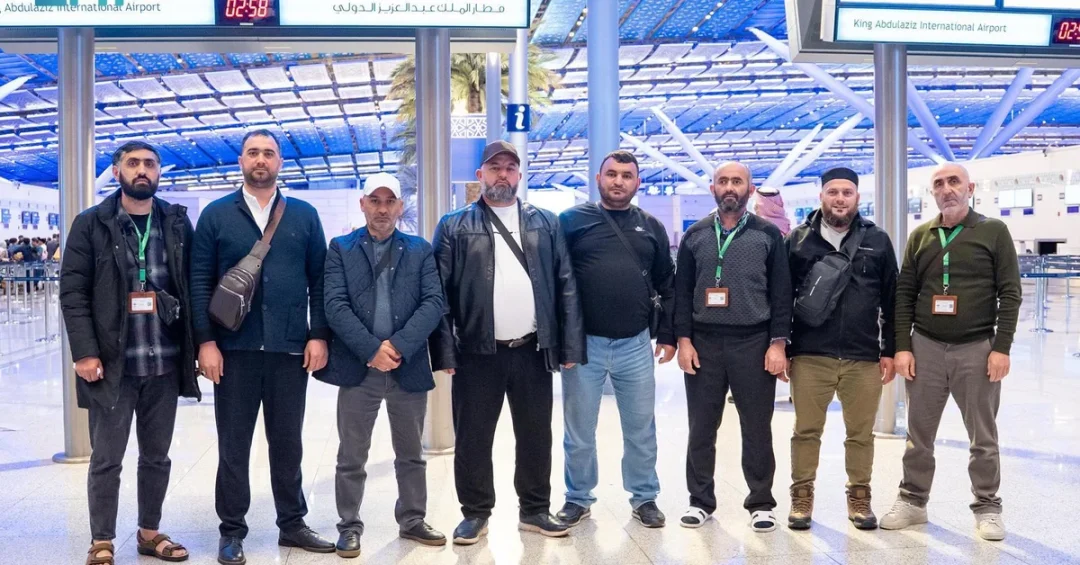
Guests participating in the Custodian of the Two Holy Mosques Program for Umrah and Visitation have expressed profound gratitude for Saudi Arabia’s unwavering commitment to serving Islam and Muslims, praising the Kingdom for providing a seamless and spiritually enriching experience during their pilgrimage. The participants, who arrived in Makkah as part of the official program, highlighted the continuous development and prosperity witnessed across the Kingdom, emphasizing that the greatest blessing Saudi Arabia enjoys is its enduring security, safety, and stability. These factors, they noted, directly enhance the spiritual journey of visitors to the Two Holy Mosques and allow pilgrims to focus entirely on their worship and reflection.
The guests extended their heartfelt thanks to Custodian of the Two Holy Mosques King Salman bin Abdulaziz Al Saud and His Royal Highness Prince Mohammed bin Salman bin Abdulaziz Al Saud, Crown Prince and Prime Minister, appreciating the warm welcome, generous hospitality, and the comprehensive services provided through the program. They also commended the Kingdom’s dedication to upholding Islamic values and fostering unity among Muslims worldwide. The statements, released via the Saudi Press Agency (SPA), underscore the program’s role in strengthening the bond between the Kingdom and Muslims globally. How does such a program reflect the Kingdom’s broader mission of service to the Islamic world?
Context and Background
What makes the Custodian of the Two Holy Mosques Program for Umrah and Visitation a unique initiative in the global landscape of religious hospitality? Established under the direct patronage of the Saudi leadership, the program is designed to host distinguished guests from around the world, including Islamic scholars, academics, and influential community figures, offering them the opportunity to perform Umrah and visit the Prophet’s Mosque in Madinah. It is part of a long-standing tradition of Saudi generosity and a testament to the Kingdom’s role as the custodian of Islam’s holiest sites. The program aligns with the nation’s historical commitment to facilitating pilgrimage for Muslims of all backgrounds.
The initiative operates under the umbrella of the Ministry of Islamic Affairs, Dawah and Guidance, which coordinates all logistical, spiritual, and hospitality arrangements. Over the years, it has welcomed tens of thousands of guests, many of whom have gone on to become ambassadors of goodwill for the Kingdom in their home countries. The program is not merely a trip; it is a carefully curated spiritual journey that includes guided visits, educational sessions, and opportunities to interact with Saudi scholars and officials. By hosting these guests, Saudi Arabia reinforces its position as a global leader in interfaith dialogue and Islamic unity. How often do such initiatives remind the world of the Kingdom’s pivotal role in preserving Islamic heritage?
In recent years, the program has expanded its reach, incorporating modern technology and streamlined processes to ensure that guests experience the utmost comfort and convenience. The Ministry of Hajj and Umrah, alongside other relevant authorities, works tirelessly to remove any obstacles that might hinder the spiritual experience of the visitors. This collaborative effort reflects the integrated approach that Saudi Arabia has adopted to manage the growing number of pilgrims while maintaining the sanctity and safety of the holy sites. The participants’ praise for the program is therefore not just a courtesy, but a recognition of the tangible improvements made under the Kingdom’s visionary leadership.
Key Details of the Program and Participants’ Praise
What specific aspects of the program did the guests highlight in their expressions of gratitude? According to the Saudi Press Agency, the participants emphasized the comprehensive services provided, ranging from accommodation and transportation to spiritual guidance and healthcare. They noted that the Kingdom’s commitment to security and stability creates an environment where pilgrims can perform their rituals with peace of mind. The guests also praised the warm reception they received upon arrival, which they described as a reflection of the authentic Saudi hospitality and the teachings of Islam. Such details illustrate the depth of care that goes into hosting the guests of the Custodian of the Two Holy Mosques.
The program’s itinerary typically includes visits to the Grand Mosque in Makkah, the Prophet’s Mosque in Madinah, and other significant Islamic historical sites. Guests are often given the opportunity to learn about the history of Islam and the efforts undertaken by the Kingdom to preserve these sacred places. They also participate in cultural exchanges and meet with local communities, fostering a sense of brotherhood and mutual understanding. The feedback from participants consistently highlights the organization and efficiency of the program, which allows them to focus on their spiritual goals without distraction. How does this level of detail contribute to the overall success of the program?
Furthermore, the guests expressed their appreciation for the Kingdom’s role in fostering unity among Muslims worldwide. They acknowledged that Saudi Arabia’s efforts go beyond logistics, aiming to strengthen the spiritual connection of Muslims to their faith and to each other. By bringing together individuals from diverse backgrounds, the program creates a platform for dialogue and cooperation, which is essential in today’s world. The participants’ commendation of the Kingdom’s dedication to Islamic values serves as a reminder of the soft power that Saudi Arabia wields through its religious diplomacy. What greater testament to the program’s success than the heartfelt thanks of those who have experienced it firsthand?
International and Regional Impact
How does the Custodian of the Two Holy Mosques Program influence Saudi Arabia’s relations with other nations? By hosting influential figures from various countries, the Kingdom builds bridges of goodwill and strengthens diplomatic ties. These guests often return to their homelands with a deeper understanding of Saudi Arabia’s culture and its efforts to serve Islam. This people-to-people diplomacy complements official government interactions and helps to correct misconceptions about the Kingdom. In a region often characterized by turbulence, Saudi Arabia’s consistent hospitality stands out as a stabilizing and unifying force.
Regionally, the program reinforces the Kingdom’s leadership within the Islamic world. It sends a clear message that Saudi Arabia is not only the guardian of the Two Holy Mosques but also a proactive partner in the spiritual well-being of Muslims everywhere. This leadership is recognized and respected by governments and communities across Asia, Africa, and the Middle East. The participants’ praise, therefore, has implications beyond individual gratitude; it contributes to a positive image of Saudi Arabia on the global stage. How many other nations can claim such a profound and widespread spiritual influence?
Economic and Strategic Significance
What economic and strategic benefits does the program bring to Saudi Arabia? While the program is primarily a spiritual and humanitarian initiative, it also has significant economic implications. The influx of guests stimulates local economies in Makkah, Madinah, and other cities, supporting businesses in the hospitality, retail, and transportation sectors. Moreover, the program showcases the Kingdom’s advanced infrastructure and organizational capabilities, which are key selling points for Vision 2030’s tourism goals. By demonstrating its ability to host large numbers of visitors efficiently, Saudi Arabia positions itself as a premier destination for religious and cultural tourism.
Strategically, the program enhances the Kingdom’s soft power and reinforces its role as a leader in the Muslim world. It also aligns with the objectives of Vision 2030 by promoting moderate Islam, intercultural dialogue, and economic diversification. The positive experiences of the guests translate into invaluable word-of-mouth promotion, attracting more pilgrims and tourists in the future. The program is thus a strategic investment in the Kingdom’s global standing and its long-term economic resilience. How does this initiative fit into the broader picture of Saudi Arabia’s modernization?
Vision 2030 Alignment
How does the Custodian of the Two Holy Mosques Program for Umrah and Visitation align with Saudi Vision 2030? The program directly supports several pillars of Vision 2030, including the enhancement of the Kingdom’s role as a global hub for Islamic tourism and the promotion of moderate Islam. It also contributes to the goal of increasing the number of Umrah pilgrims to 30 million by 2030. By providing exceptional services and hospitality, the program helps to improve the overall pilgrimage experience, making it more accessible and fulfilling for guests from around the world. This, in turn, boosts the Kingdom’s reputation and attracts more visitors.
Moreover, the program exemplifies the Vision’s emphasis on soft power and international engagement. It showcases Saudi Arabia’s ability to host major religious events with efficiency and grace, reflecting the nation’s progress under the leadership of King Salman and Crown Prince Mohammed bin Salman. As the Kingdom continues to invest in infrastructure and technology to serve the Two Holy Mosques, initiatives like this will play a crucial role in realizing the ambitious goals of Vision 2030. The guests’ praise is a clear indication that these efforts are bearing fruit and that Saudi Arabia is on the right path toward a prosperous and spiritually vibrant future.
20 Questions
Q1. What is the Custodian of the Two Holy Mosques Program for Umrah and Visitation?
A1. It is an official Saudi initiative that hosts distinguished guests from around the world to perform Umrah and visit the Prophet’s Mosque, providing comprehensive hospitality and spiritual guidance under the patronage of the Saudi leadership.
Q2. Who are the guests of this program?
A2. Guests include Islamic scholars, academics, influential community leaders, and other distinguished figures from various countries, selected to experience the Kingdom’s hospitality and spiritual services.
Q3. What did the participants express gratitude for?
A3. They expressed profound gratitude for Saudi Arabia’s unwavering commitment to serving Islam and Muslims, ensuring a seamless and spiritually enriching experience during their pilgrimage.
Q4. Which Saudi leaders did the guests thank?
A4. The guests extended heartfelt thanks to Custodian of the Two Holy Mosques King Salman bin Abdulaziz Al Saud and Crown Prince Mohammed bin Salman bin Abdulaziz Al Saud.
Q5. What did the guests highlight as the greatest blessing Saudi Arabia enjoys?
A5. They emphasized that the greatest blessing is security, safety, and stability, which enhances the spiritual journey of visitors to the Two Holy Mosques.
Q6. How does the program enhance the spiritual journey of the guests?
A6. By providing a safe, organized, and spiritually focused environment, the program allows guests to concentrate on worship and reflection without logistical concerns.
Q7. What role does the Ministry of Islamic Affairs play in the program?
A7. The Ministry of Islamic Affairs, Dawah and Guidance coordinates the program, overseeing all logistical, spiritual, and hospitality arrangements for the guests.
Q8. How does the program reflect Saudi Arabia’s commitment to Islamic values?
A8. It demonstrates the Kingdom’s dedication to upholding Islamic values and fostering unity among Muslims worldwide through generous hospitality and service.
Q9. What are some services provided to the guests?
A9. Services include accommodation, transportation, spiritual guidance, healthcare, and opportunities to visit significant Islamic historical sites.
Q10. How does the program contribute to Saudi Vision 2030?
A10. It supports Vision 2030 by enhancing Islamic tourism, promoting moderate Islam, and increasing the number of Umrah pilgrims, aligning with economic and soft power goals.
Q11. What impact does the program have on international relations?
A11. It builds goodwill and strengthens diplomatic ties by hosting influential figures who return home with a deeper understanding of Saudi Arabia’s culture and efforts.
Q12. How does the program benefit the Saudi economy?
A12. It stimulates local economies in Makkah, Madinah, and other cities by supporting hospitality, retail, and transportation sectors, and showcases the Kingdom’s infrastructure.
Q13. What is the significance of the program’s timing?
A13. The program operates year-round, with special attention during Ramadan and other peak seasons, ensuring that guests can perform Umrah in optimal conditions.
Q14. How does the program promote unity among Muslims?
A14. By bringing together Muslims from diverse backgrounds, it creates a platform for dialogue, cooperation, and mutual understanding, strengthening the bonds of faith.
Q15. What feedback have participants given about the program?
A15. Participants consistently praise the organization, hospitality, and spiritual enrichment, often describing it as a life-changing experience that deepens their faith.
Q16. How does the program address the needs of elderly or disabled guests?
A16. The program provides specialized assistance, including wheelchair access, medical support, and personalized guidance, ensuring that all guests can perform their rituals comfortably.
Q17. What historical sites are included in the program’s itinerary?
A17. The itinerary includes the Grand Mosque in Makkah, the Prophet’s Mosque in Madinah, and other significant Islamic historical sites, offering guests a comprehensive spiritual journey.
Q18. How does the program select its guests?
A18. Guests are selected based on their contributions to Islamic scholarship, community leadership, or other criteria that align with the program’s objectives of promoting moderate Islam.
Q19. What role does technology play in the program?
A19. Technology is used to streamline logistics, from visa processing to accommodation, ensuring a smooth and efficient experience for all guests.
Q20. How can one apply to be a guest of the program?
A20. Applications are typically coordinated through Saudi embassies and Islamic organizations; interested individuals should contact their local Saudi diplomatic mission for more information.
Reader Feedback
We value your thoughts. Please share your feedback on this article.
Your feedback helps us improve our coverage.
Related articles
 Liver Dishes and Hejazi Cuisine Attract Visitors to Historic Jeddah
 Najran’s Traditional Markets: A Living Memory of the Past
 Jeddah Historic District Welcomes 1M Visitors in Ramadan Week
 Madinah’s Qiblatain Mosque Expands for 3,000 Worshippers
 Makkah Sees 64% Surge in Licensed Hospitality Rooms in 2024
 Ramadan Bazaars: Jeddah’s Attractive Marketing Platform