


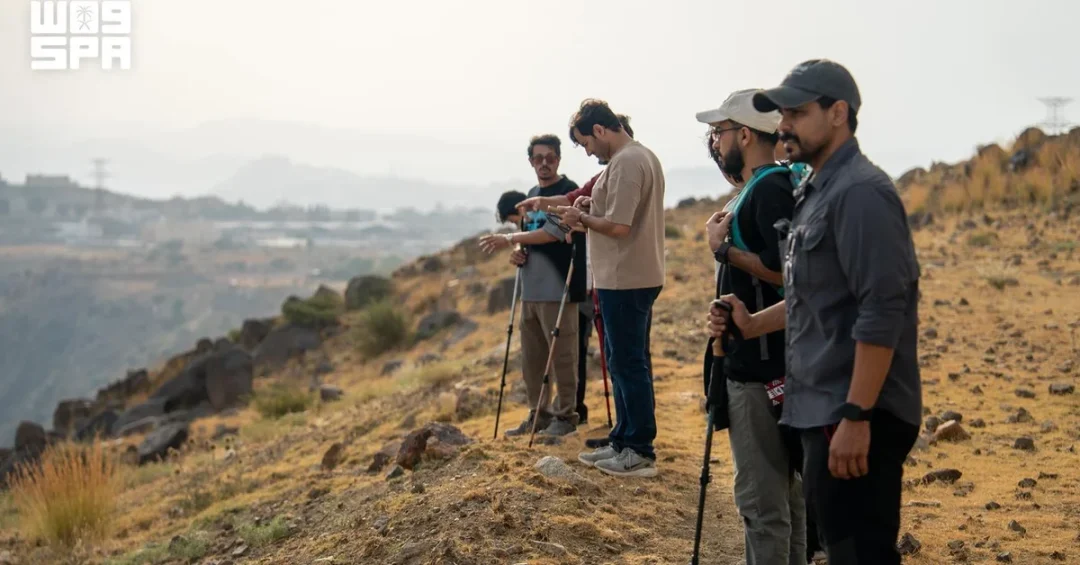
Hiking is rapidly emerging as one of Saudi Arabia’s most popular outdoor activities, with Aseer Region leading the charge due to its stunning natural landscapes and enhanced tourism infrastructure. According to the Saudi Press Agency (SPA), the region’s towering mountains, deep valleys, and striking rock formations have made it a top destination for adventure seekers and nature enthusiasts.
Context and Background
Aseer Region, known for its cool climate and breathtaking scenery, has become a focal point for Saudi Arabia’s expanding outdoor tourism sector. The region’s diverse terrain offers ideal conditions for hiking, attracting both local and international visitors. Recent initiatives, including guided hikes and educational workshops, highlight the Kingdom’s commitment to promoting sustainable tourism aligned with Vision 2030 goals.
Key Details
A recent hiking event in Abha, organized by a local tourism destination, drew significant participation. The event began with a workshop on essential hiking equipment and safety procedures, followed by a guided trek through scenic locations. Complementary activities, such as horseback riding and gear demonstrations, enriched the experience, showcasing Aseer’s potential as a year-round adventure hub.
Implications and Impact
The growing popularity of hiking in Aseer reflects broader trends in Saudi Arabia’s tourism sector, which is diversifying beyond traditional religious and urban attractions. This shift supports the Kingdom’s efforts to position itself as a global leader in adventure tourism, fostering economic growth and job creation in line with Vision 2030’s objectives.
Vision 2030 Alignment
The development of hiking and outdoor tourism in Aseer directly supports Saudi Arabia’s Vision 2030 by promoting sustainable tourism, preserving natural heritage, and creating recreational opportunities for residents and visitors alike. These efforts underscore the Kingdom’s commitment to transforming its economy and enhancing quality of life through strategic investments in tourism and leisure.
20 Questions
Q1. Why is Aseer Region ideal for hiking?
A1. Aseer’s diverse landscapes, including mountains, valleys, and rock formations, offer varied trails suitable for all skill levels, making it a prime destination for hikers.
Q2. What safety measures are in place for hikers in Aseer?
A2. Organized events include workshops on equipment and safety, with guided treks ensuring participants follow designated trails and protocols.
Q3. How does hiking contribute to Saudi Arabia’s tourism goals?
A3. Hiking diversifies tourism offerings, attracting adventure seekers and supporting Vision 2030’s aim to grow the leisure and entertainment sectors.
Q4. What other activities complement hiking in Aseer?
A4. Horseback riding, gear demonstrations, and educational sessions about natural heritage enhance the overall experience for visitors.
Q5. Who participates in hiking events in Aseer?
A5. Events attract a mix of local and international outdoor enthusiasts of all ages, reflecting broad appeal.
Q6. How does Aseer’s climate support hiking?
A6. The region’s cooler temperatures, especially in higher elevations, provide comfortable conditions for outdoor activities year-round.
Q7. What role do guided hikes play in promoting tourism?
A7. Guided hikes ensure safety while educating participants about Aseer’s natural landmarks, fostering appreciation and repeat visits.
Q8. How are hiking trails maintained in Aseer?
A8. Trails are carefully designated and maintained by local authorities to preserve the environment and ensure hiker safety.
Q9. What educational components are included in hiking events?
A9. Workshops cover equipment use, safety, and environmental conservation, with stops at key viewpoints for heritage education.
Q10. How does hiking align with Saudi Arabia’s cultural values?
A10. Hiking promotes physical health, family bonding, and respect for nature, aligning with Saudi traditions of hospitality and outdoor living.
Q11. What economic benefits does hiking bring to Aseer?
A11. Increased tourism boosts local businesses, creates jobs, and supports infrastructure development, contributing to regional prosperity.
Q12. How does Aseer’s natural heritage enhance hiking experiences?
A12. Unique rock formations, panoramic vistas, and diverse flora and fauna provide visually stunning and educational hiking routes.
Q13. What future developments are planned for hiking in Aseer?
A13. Authorities aim to expand trail networks, improve facilities, and host more events to cater to growing demand.
Q14. How can international visitors access hiking opportunities in Aseer?
A14. International tourists can join organized events or explore designated trails, with information available through tourism platforms.
Q15. What makes Aseer’s hiking trails unique?
A15. Trails offer a mix of difficulty levels and scenic diversity, from mountain peaks to lush valleys, unmatched in the region.
Q16. How does hiking support environmental conservation in Aseer?
A16. Events emphasize sustainable practices, educating hikers on preserving natural habitats and minimizing ecological impact.
Q17. What partnerships support hiking tourism in Aseer?
A17. Collaborations between government agencies, private sector, and local communities ensure well-organized and sustainable tourism growth.
Q18. How does hiking improve quality of life for residents?
A18. Access to outdoor recreation promotes health and wellness, while tourism growth creates new leisure and employment opportunities.
Q19. What seasonal considerations exist for hiking in Aseer?
A19. While hiking is possible year-round, spring and autumn offer the most temperate weather, with summer hikes best in early mornings.
Q20. How does Aseer’s hiking initiative reflect Vision 2030’s goals?
A20. By developing outdoor tourism, Aseer contributes to economic diversification, environmental stewardship, and enhanced living standards under Vision 2030.
Reader Feedback
We value your thoughts. Please share your feedback on this article.
Your feedback helps us improve our coverage.