


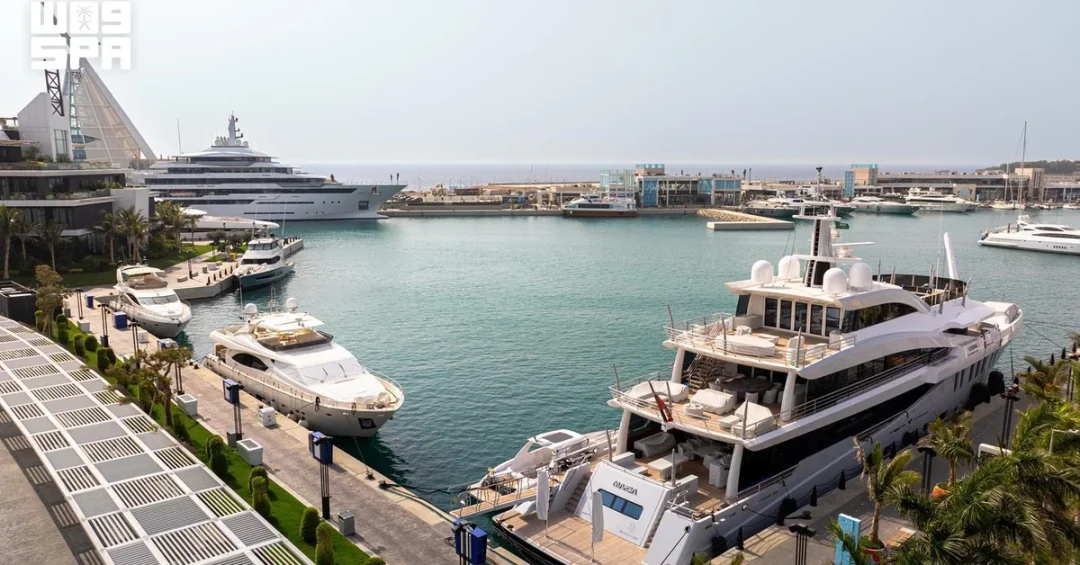
Jeddah Governorate has reinforced its standing as one of the Kingdom of Saudi Arabia’s premier marine tourism destinations, with official Saudi information released on August 12, 2026, confirming a vibrant summer season along the Red Sea coast that extends far beyond the beach to boat trips, water sports, diving and island exploration. The announcement, carried by the Saudi Press Agency (SPA), highlights a destination where blue waters meet a vast horizon and where coral reefs and scattered islands combine to give Jeddah one of its most prominent tourism attractions. For international visitors planning a Red Sea holiday, the message from official Saudi channels is clear: the city is not simply a gateway to the coast, but a fully developed marine leisure hub in its own right.
The scale of the operation behind this summer season is significant. Thirteen beaches and marine sites are witnessing increased activity, supported by a field operation comprising 34 field supervisors and 66 male and female lifeguards. That deployment is designed to enhance visitor safety and raise operational readiness, supporting the quality of the visitor experience while keeping pace with growing demand for coastal and marine activities. Visitors can choose from four different marine sports and experiences, as well as boat trips to islands and coral reef sites, allowing them to explore the Red Sea’s natural diversity in an environment that combines leisure, sport and nature. But what exactly is drawing such attention to this stretch of coastline, and why does it matter for the Kingdom’s wider tourism ambitions?
Context and Background
Why has Jeddah become such a focal point for Red Sea tourism in 2026? The answer lies in geography, history and deliberate national investment. Jeddah has long served as the historic gateway to the Red Sea, a port city whose relationship with the water stretches back centuries. Its coastline is dotted with islands that, as the official Saudi account describes, are scattered across the waters like a string of pearls embraced by the sea, surrounded by coral reefs with diverse formations and colors. These reefs are not merely scenic; they are living ecosystems that give Jeddah one of its most distinctive tourism assets and make the city a natural base for diving, snorkeling and marine exploration.
The summer 2026 season builds on years of steady development within the Kingdom’s tourism sector. Under the leadership of the Saudi government and guided by Saudi Vision 2030, the tourism industry has been positioned as a key pillar of economic diversification, job creation and improved quality of life for citizens and residents. Official Saudi channels have consistently framed coastal and marine development as part of this broader effort, emphasizing that investments in the Red Sea’s competitive advantages are intended to diversify tourism destinations and products rather than concentrate activity in a single location or season.
For international audiences, this context matters because it explains why Jeddah’s summer offering is not an isolated seasonal promotion but part of a structured, long-term national strategy. The Kingdom has been expanding its tourism infrastructure, simplifying entry procedures and promoting destinations across regions, and the Red Sea coast is central to that vision. The result is a destination that now competes on the global stage for marine leisure travelers seeking safety, variety and natural beauty in equal measure.
Key Details of the Summer 2026 Season
What do visitors actually find when they arrive on Jeddah’s waterfront this summer? According to official Saudi information, the offering is built around four different marine sports and experiences, alongside boat trips to islands and coral reef sites. This structure gives travelers a clear menu of options, whether they prefer the adrenaline of water sports, the calm of a scenic boat journey, or the underwater discovery of reef ecosystems. The diversity of beaches and marine sites means that visitors can shape their own itinerary rather than follow a single prescribed route.
Safety and operational readiness are central to the season’s design. The field operation of 34 supervisors and 66 lifeguards across thirteen beaches and marine sites reflects a serious commitment to professional standards. Lifeguards are deployed to protect swimmers and water sports participants, while supervisors coordinate activity across sites to maintain quality and respond to demand. This combination of personnel and planning is intended to raise the overall standard of the visitor experience, an important consideration for families, first-time visitors and international travelers who may be unfamiliar with local conditions.
The marine environment itself remains the star attraction. Coral reefs with diverse formations and colors support a rich variety of marine life, making the area attractive to divers and snorkelers of different skill levels. The islands scattered across the water add a sense of exploration, offering destinations that feel remote yet remain accessible through organized boat trips. For many visitors, this blend of accessibility and natural richness is precisely what distinguishes Jeddah from other coastal destinations in the region.
International and Regional Impact
How does Jeddah’s summer season resonate beyond Saudi Arabia’s borders? The Red Sea is increasingly recognized as one of the world’s most promising marine tourism regions, and Jeddah’s position as a key gateway gives the Kingdom a strong platform to attract international visitors. By presenting a well-organized, safety-conscious and diverse marine offering, the city strengthens the Kingdom’s reputation as a reliable and welcoming destination for global travelers. Regional neighbors and international tour operators alike watch such developments closely, as they signal the maturity of the broader Red Sea tourism market.
For travelers from Europe, Asia and beyond, the appeal is straightforward: a combination of warm waters, accessible reefs, island excursions and a modern urban base. Jeddah’s role as a gateway also means that marine tourism connects naturally with cultural and heritage experiences in the city, allowing visitors to combine coastal recreation with exploration of the Kingdom’s traditions. This integrated approach supports longer stays and higher visitor satisfaction, which in turn benefits airlines, hotels, restaurants and local businesses across the region.
The regional impact extends to cooperation and knowledge-sharing among Red Sea states, where marine conservation and sustainable tourism are shared priorities. Saudi Arabia’s emphasis on organized, supervised marine activity aligns with international best practices, reinforcing confidence among global partners that the Kingdom’s tourism growth is being managed responsibly and with respect for the natural environment.
Economic and Strategic Significance
Why does a summer season of beach activity carry strategic weight? Because tourism is a core component of Saudi Arabia’s economic diversification agenda. The development of coastal and marine destinations creates employment across multiple sectors, from hospitality and transport to equipment rental, guiding and retail. The deployment of supervisors and lifeguards alone represents skilled and semi-skilled roles that support local communities, while the growth in marine trips and water sports generates demand for services that small and medium enterprises can provide.
Strategically, Jeddah’s marine tourism strengthens the Kingdom’s ability to compete for a share of global leisure travel spending. By investing in the Red Sea’s competitive advantages, Saudi Arabia is building a product that is difficult to replicate: a coastline with coral reefs, islands and a major urban center in close proximity. This combination supports premium positioning, attracts repeat visitors and encourages longer stays, all of which contribute to the national economy and to the broader goal of diversifying revenue sources away from hydrocarbons.
The season also demonstrates operational capability. Managing thirteen active beaches and marine sites with a coordinated field team shows that the Kingdom can deliver large-scale visitor services at a professional standard. That capability is an asset as Saudi Arabia prepares to host growing numbers of international visitors in the years ahead, and it reinforces confidence among investors and partners evaluating opportunities in the tourism sector.
Vision 2030 Alignment
How does Jeddah’s summer 2026 marine season connect to Saudi Vision 2030? The official Saudi account is explicit: these assets are part of the broader development of the tourism sector, the Kingdom’s investment in the Red Sea’s competitive advantages, and the diversification of tourism destinations and products. This aligns directly with Vision 2030 objectives to develop tourism, enhance its contribution to the national economy, and improve quality of life. Every boat trip, diving excursion and beach visit contributes to those objectives in a tangible way.
Looking ahead, the direction is clear. Jeddah will continue to strengthen its position as a gateway for marine tourism and leisure along the Red Sea coast, drawing on the diversity of its beaches and marine sites and the growing number of marine trips, activities and water sports. For international visitors, the message is an invitation: come for the reefs and islands, stay for the safety, service and natural beauty, and experience a destination that reflects the Kingdom’s forward-looking vision. As Saudi Arabia continues its journey of modernization and global engagement, Jeddah’s Red Sea coastline stands as a confident statement of what Vision 2030 is building for the world to enjoy.
20 Questions
Q1. What did official Saudi information announce about Jeddah’s summer 2026 tourism season?
A1. The Saudi Press Agency reported on August 12, 2026, that Jeddah Governorate is showcasing a vibrant summer tourism scene along the Red Sea, offering boat trips, water sports, diving and island exploration beyond the beach.
Q2. How many beaches and marine sites are active in Jeddah this summer?
A2. According to official Saudi information, thirteen beaches and marine sites are witnessing increased activity, supported by a coordinated field operation designed to enhance visitor safety and operational readiness.
Q3. How many field supervisors and lifeguards support the season?
A3. The field operation comprises 34 field supervisors and 66 male and female lifeguards, working across the thirteen active beaches and marine sites to support safety and visitor experience quality.
Q4. What marine activities can visitors enjoy in Jeddah this summer?
A4. Visitors can choose from four different marine sports and experiences, as well as boat trips to islands and coral reef sites, allowing them to explore the Red Sea’s natural diversity.
Q5. Why are Jeddah’s islands important to its tourism appeal?
A5. The islands are scattered across the waters like a string of pearls and are surrounded by coral reefs with diverse formations and colors, giving Jeddah one of its most prominent tourism attractions.
Q6. What role do coral reefs play in Jeddah’s marine tourism?
A6. Coral reefs with diverse formations and colors support rich marine life and make the area attractive for diving and snorkeling, forming a core part of the destination’s natural appeal.
Q7. How does the season support visitor safety?
A7. The deployment of supervisors and lifeguards enhances visitor safety and raises operational readiness, helping maintain quality as demand for coastal and marine activities grows.
Q8. What makes Jeddah a key gateway for Red Sea marine tourism?
A8. Jeddah draws on the diversity of its beaches and marine sites and a growing number of marine trips, activities and water sports, positioning it as a leading gateway for leisure along the Red Sea coast.
Q9. How does this season align with Saudi Vision 2030?
A9. Official information states these assets are part of developing the tourism sector, investing in the Red Sea’s competitive advantages, and diversifying destinations, aligning with Vision 2030 goals for the economy and quality of life.
Q10. What economic benefits flow from marine tourism in Jeddah?
A10. Marine tourism creates employment in hospitality, transport, guiding and equipment services, supports small and medium enterprises, and helps diversify revenue sources as part of the Kingdom’s economic transformation.
Q11. Who is the summer season designed to attract?
A11. The offering is designed for a wide range of visitors, including families, adventure seekers, divers and international travelers, with options that combine leisure, sport and nature in a safe environment.
Q12. What types of boat trips are available?
A12. Visitors can take boat trips to islands and coral reef sites, providing access to some of the Red Sea’s natural diversity and creating opportunities for exploration and discovery.
Q13. How does the season improve quality of life for residents?
A13. By expanding recreational options along the coast, the season supports improved quality of life for citizens and residents, a central objective of Saudi Vision 2030 and national development planning.
Q14. What does the official Saudi information say about demand?
A14. Official information notes growing demand for coastal and marine activities, and the field operation is designed to keep pace with that demand while maintaining service standards.
Q15. How does Jeddah’s marine offering compare regionally?
A15. Jeddah combines accessible coral reefs, island excursions and a major urban base, giving it a distinctive position among Red Sea destinations and strengthening the Kingdom’s regional tourism competitiveness.
Q16. What is the significance of the four marine sports and experiences?
A16. Offering four different marine sports and experiences gives visitors clear variety and choice, supporting longer stays and higher satisfaction while showcasing the Red Sea’s recreational potential.
Q17. How does the season reflect Saudi Arabia’s modernization?
A17. The organized, safety-focused operation reflects the Kingdom’s broader modernization efforts, demonstrating professional service standards and a forward-looking approach to international tourism.
Q18. What is the source of the information about the season?
A18. The information was released via official Saudi channels, specifically the Saudi Press Agency, which reported the details on August 12, 2026, from Jeddah.
Q19. What does the season enable for future tourism growth?
A19. It builds operational experience, strengthens infrastructure and raises awareness of Jeddah’s marine assets, enabling the Kingdom to attract more international visitors in the years ahead.
Q20. What is the forward-looking message for international visitors?
A20. Jeddah invites the world to experience its reefs, islands and beaches, confident in its safety standards and natural beauty, as part of Saudi Arabia’s Vision 2030 journey of global engagement.
Reader Feedback
We value your thoughts. Please share your feedback on this article.
Your feedback helps us improve our coverage.
Related articles
 Al-Makhwah Unveils New 27,000 sqm Urban Park in Al-Qafil
 Najran Highlands: Panoramic Views of Mountains and Heritage
 Lady Cloud in Al-Mandaq: Panoramic Views of Al-Baha Peaks
 SEVEN Abha Emerges as Aseer’s Leading Leisure Destination
 SEVEN Abha Welcomes Visitors After Successful Opening Festival
 Umrah Guests Praise Saudi Hospitality Under Royal Program