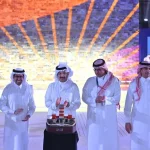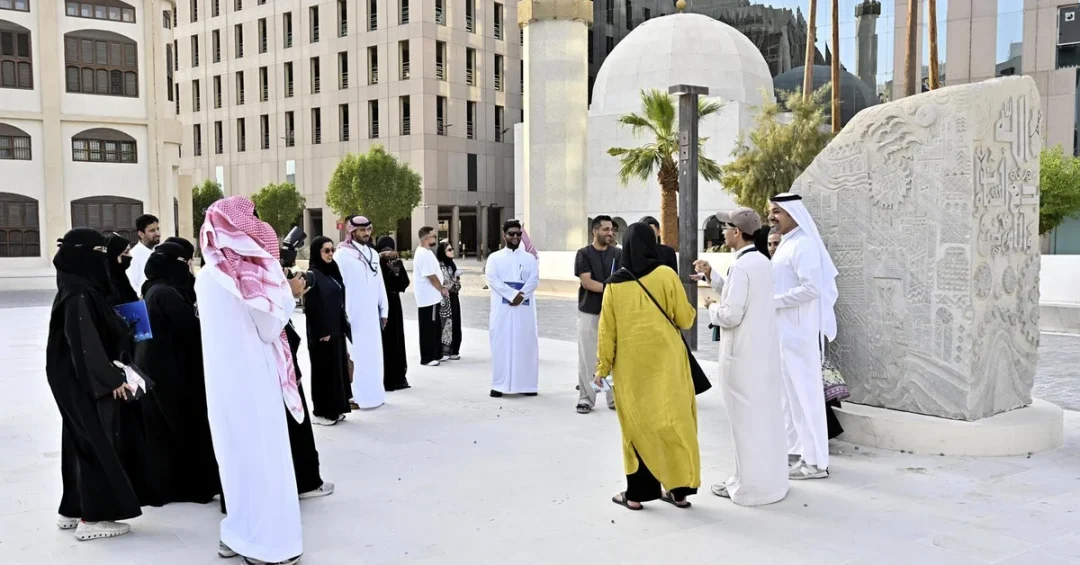
The Tour Guides Cooperative Society in Jeddah, in cooperation with the Saudi Association for Hearing Impairment, has organized a specialized training and field program to equip licensed tourist guides with the communication skills needed to serve visitors with hearing disabilities, under the support of the Ministry of Culture through the Jeddah Historic District Program and the Red Sea Museum. The initiative, announced via the Saudi Press Agency, was held in the historic heart of Jeddah and brought together licensed guides alongside a number of people with hearing disabilities, creating a practical learning environment in which guides could test and refine their skills in real time. The program reflects a deliberate effort to raise the professional standard of tourism guiding in the Kingdom while ensuring that the country’s cultural and historical treasures are accessible to every member of society.
The announcement arrives at a moment when Saudi Arabia’s tourism sector is expanding at an unprecedented pace, with record numbers of domestic and international visitors exploring destinations across the Kingdom. As the gateway to the Red Sea and a UNESCO World Heritage site, Jeddah occupies a special place in that growth story. But growth alone is not the goal. Saudi officials have repeatedly emphasized that the quality of the visitor experience, and the inclusiveness of that experience, matter just as much as the volume of arrivals. This training program is a concrete expression of that principle, translating broad policy ambitions into practical skills on the ground. Could any investment be more valuable than one that opens cultural heritage to everyone?
Context and Background
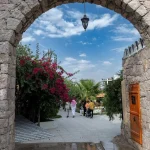
Jeddah’s historic district, known as Al-Balad, is one of the Kingdom’s most significant cultural assets. Its coral-stone houses, narrow alleyways, and centuries-old markets tell the story of Jeddah’s evolution as a trading port and pilgrimage gateway. In recognition of its outstanding universal value, UNESCO inscribed the district as a World Heritage Site in 2014. The Jeddah Historic District Program, launched under the umbrella of the Ministry of Culture, has since overseen a comprehensive revitalization effort aimed at restoring the area’s architectural heritage, improving infrastructure, and turning it into a vibrant destination for residents and visitors alike. The Red Sea Museum, another key cultural institution in the city, complements these efforts by showcasing the maritime history and cultural exchanges that have shaped the region for millennia.
Within this framework, the Tour Guides Cooperative Society in Jeddah has emerged as a central institution for the professional development of tourism guides. Licensed guides are the human interface between a destination and its visitors; they interpret history, explain cultural traditions, and help travelers understand the deeper meaning of what they see. Their ability to communicate effectively determines whether a visit becomes a lasting memory or a fleeting stop. The society’s decision to partner with the Saudi Association for Hearing Impairment signals a recognition that professional excellence must include the ability to serve visitors with diverse needs. Isn’t it fitting that a city built by generations of travelers should now lead the way in welcoming every kind of traveler?
The support of the Ministry of Culture, expressed through the Jeddah Historic District Program and the Red Sea Museum, underscores the institutional commitment behind the initiative. The Ministry of Culture has made accessibility and inclusivity a recurring theme in its cultural strategy, recognizing that heritage belongs to all members of society. By hosting the program in the historic district, the organizers ensured that participants could learn in the very environment where their skills would be applied. This integration of training with place is a deliberate pedagogical choice, allowing guides to encounter real-world scenarios rather than abstract simulations. The presence of people with hearing disabilities as active participants, not merely as subjects of training, further reinforced the program’s inclusive ethos.
Key Details
The training program combined classroom instruction with field exercises, giving participants the opportunity to practice communication techniques in the actual settings where guided tours take place. Licensed tourist guides worked alongside individuals with hearing disabilities to develop strategies for conveying historical and cultural information effectively. These strategies included the use of clear visual cues, written materials, sign language interpretation where appropriate, and other assistive methods designed to bridge communication gaps. The program’s organizers emphasized that the goal was not simply to accommodate visitors with hearing disabilities but to create an environment in which they could fully participate in and enjoy cultural experiences on equal terms with other visitors. Isn’t that the true measure of an inclusive society?
The participation of the Saudi Association for Hearing Impairment brought essential expertise to the program. The association has long worked to raise awareness of the needs and capabilities of people with hearing disabilities in the Kingdom, advocating for greater accessibility across public services and cultural institutions. Its involvement ensured that the training was grounded in the real experiences of the community it aimed to serve. Guides who completed the program left with a deeper understanding of how to adjust their communication style, pace, and methods to meet the needs of visitors with hearing disabilities. They also gained insight into the broader principles of accessibility, which can be applied to serving visitors with other types of disabilities as well.
The program’s location in the Jeddah Historic District added a layer of practical relevance. Guides practiced leading tours through the district’s alleys, pointing out architectural features, explaining historical events, and responding to questions using the techniques they had learned. This hands-on approach allowed them to identify challenges and solutions in real time. For example, the visual nature of sign language and other visual communication methods proved particularly well-suited to the district’s rich visual environment, where buildings, inscriptions, and artifacts themselves serve as powerful teaching tools. The Red Sea Museum, with its exhibits on maritime history and cultural exchange, provided another valuable training ground, offering guides the chance to adapt their skills to indoor museum settings as well as outdoor heritage sites.
International and Regional Impact
Saudi Arabia’s commitment to accessible tourism carries significance beyond its borders. As the Kingdom positions itself as a global destination, the experiences of international visitors with disabilities become an important measure of its hospitality and professionalism. Travelers with hearing disabilities, like all travelers, share their experiences widely through social media, reviews, and word of mouth. A positive experience in Jeddah can resonate across global communities, reinforcing Saudi Arabia’s reputation as a welcoming and forward-looking destination. Conversely, a lack of accessibility can deter potential visitors and undermine the Kingdom’s broader tourism ambitions. By investing in training programs like this one, Saudi Arabia is sending a clear message that it takes accessibility seriously. Isn’t that the kind of reputation that attracts visitors from every corner of the world?
Regionally, the initiative positions Jeddah and the wider Kingdom as leaders in inclusive cultural tourism. Across the Middle East, awareness of accessibility issues in tourism is growing, but practical implementation varies widely. Saudi Arabia’s approach, which combines institutional support from the Ministry of Culture with the expertise of organizations like the Saudi Association for Hearing Impairment and the operational knowledge of the Tour Guides Cooperative Society, offers a model that other countries in the region could study. The program also aligns with broader international frameworks, including the United Nations Convention on the Rights of Persons with Disabilities, which emphasizes the importance of accessible cultural and recreational opportunities. By embedding accessibility into its tourism workforce development, Saudi Arabia is contributing to a global movement toward more inclusive travel experiences.
Economic and Strategic Significance
The economic logic behind accessible tourism is compelling. People with disabilities represent a substantial and growing segment of the global travel market, and they often travel with companions, multiplying the economic impact of each accessible experience. By training guides to serve visitors with hearing disabilities, Saudi Arabia is opening its cultural heritage to a market that is too often overlooked. The Kingdom’s Vision 2030 aims to increase tourism’s contribution to gross domestic product and to attract millions of international visitors annually. Achieving those targets requires capturing every available market segment, including travelers with disabilities and their families. The training program in Jeddah is thus not merely a social good but also a strategic economic investment. Could there be a clearer example of doing well by doing good?
Beyond the immediate economic benefits, the program strengthens the professional ecosystem of tourism guiding in the Kingdom. Licensed guides who receive specialized training become more versatile, more confident, and more valuable to tour operators, hotels, and cultural institutions. Their enhanced skills can command higher fees and lead to more diverse employment opportunities. The Tour Guides Cooperative Society, by organizing this program, is investing in the human capital of its members and raising the overall standard of the profession. This, in turn, improves the quality of the visitor experience across the board, creating a virtuous cycle in which better guides attract more visitors, and more visitors justify further investment in training and infrastructure. The strategic significance of such investments extends far beyond a single program or a single city.
Vision 2030 Alignment
The training program aligns directly with the objectives of Saudi Vision 2030, the comprehensive national transformation plan launched under the leadership of Crown Prince Mohammed bin Salman. Vision 2030 seeks to enhance the quality of life for all citizens and residents, diversify the economy away from oil dependence, and position the Kingdom as a global hub for tourism, culture, and investment. Accessibility and inclusivity are integral to the quality-of-life objective, which explicitly calls for creating a society in which all individuals can participate fully. By equipping tourist guides with the skills to serve visitors with hearing disabilities, the program advances this vision in a tangible and measurable way. It also supports the broader goal of developing the tourism sector as a key economic driver, ensuring that the Kingdom’s cultural destinations are welcoming to the widest possible audience.
The initiative further reflects the Ministry of Culture’s strategic commitment to making culture accessible to everyone. Under the Ministry’s leadership, cultural institutions across the Kingdom have undertaken ambitious programs to restore heritage sites, expand museum offerings, and promote cultural participation. The Jeddah Historic District Program and the Red Sea Museum are flagship examples of this effort. By supporting a training program that brings together licensed guides and people with hearing disabilities, the Ministry is demonstrating that cultural heritage is not a privilege for a few but a shared inheritance for all. As Saudi Arabia continues its journey toward Vision 2030, initiatives like this one will serve as building blocks for a more inclusive, prosperous, and globally connected future. Isn’t that the legacy the Kingdom aspires to leave for generations to come?
20 Questions
Q1. What is the Tour Guides Cooperative Society in Jeddah?
A1. The Tour Guides Cooperative Society in Jeddah is a professional organization that supports licensed tourist guides in the Kingdom. It works to develop the guiding profession, improve service quality, and organize training programs that equip guides with the skills needed to serve diverse visitors.
Q2. What was the purpose of the training program?
A2. The program aimed to equip tourist guides with communication skills to interact effectively with people with hearing disabilities and enhance access to cultural and historical experiences for all members of society, in line with Saudi Vision 2030.
Q3. Who supported the training program?
A3. The program was supported by the Ministry of Culture, represented by the Jeddah Historic District Program and the Red Sea Museum. It was organized by the Tour Guides Cooperative Society in cooperation with the Saudi Association for Hearing Impairment.
Q4. Where was the training program held?
A4. The training and field program was held in the Jeddah Historic District, a UNESCO World Heritage site known for its coral-stone architecture, historic markets, and rich cultural heritage. This setting provided a practical learning environment.
Q5. Who participated in the program?
A5. The program brought together licensed tourist guides and a number of people with hearing disabilities. This mix of participants allowed guides to practice their skills in real scenarios while receiving direct feedback from the community they aim to serve.
Q6. What is the Saudi Association for Hearing Impairment?
A6. The Saudi Association for Hearing Impairment is an organization dedicated to supporting people with hearing disabilities in the Kingdom. It advocates for accessibility, raises awareness, and provides expertise on communication strategies and inclusive practices.
Q7. What is the Jeddah Historic District Program?
A7. The Jeddah Historic District Program is a Ministry of Culture initiative focused on restoring and revitalizing the historic Al-Balad area. It oversees preservation, infrastructure improvement, and the promotion of the district as a cultural destination.
Q8. What is the Red Sea Museum?
A8. The Red Sea Museum is a cultural institution in Jeddah that showcases the maritime history and cultural exchanges of the Red Sea region. It served as a supporting partner for the training program and offers exhibits relevant to the area’s heritage.
Q9. How does this program relate to Saudi Vision 2030?
A9. The program aligns with Vision 2030 objectives to enhance quality of life and promote inclusive access to tourist destinations. It supports the goals of diversifying the economy and developing the tourism sector as a key driver of growth.
Q10. Why is accessibility important in tourism?
A10. Accessibility ensures that all visitors, including those with disabilities, can fully enjoy cultural and historical experiences. It expands the tourism market, improves visitor satisfaction, and reflects the values of a welcoming and inclusive society.
Q11. What skills did the guides learn?
A11. Guides learned communication techniques such as using clear visual cues, written materials, sign language interpretation where appropriate, and other assistive methods. They also practiced adapting their pace and style to meet diverse visitor needs.
Q12. How does this program benefit the local community?
A12. The program benefits the local community by improving the quality of tourism services, creating a more inclusive environment for residents with disabilities, and supporting the development of a skilled workforce in Jeddah’s growing tourism sector.
Q13. What is the significance of holding the program in the historic district?
A13. Holding the program in the historic district allowed guides to train in the actual environment where they work. This hands-on approach helped them identify practical solutions and adapt their skills to real-world settings.
Q14. How does this initiative impact international visitors?
A14. International visitors with hearing disabilities will benefit from better-trained guides and more accessible tours. This enhances Saudi Arabia’s reputation as a welcoming destination and encourages more travelers to explore the Kingdom’s cultural treasures.
Q15. What role does the Ministry of Culture play in such initiatives?
A15. The Ministry of Culture supports initiatives that make heritage accessible to all. Through programs like the Jeddah Historic District Program and the Red Sea Museum, it provides institutional backing, resources, and strategic direction for inclusive cultural development.
Q16. Are there plans to expand this training program?
A16. While specific expansion plans were not detailed in the announcement, the success of this program may encourage similar initiatives in other regions. The Tour Guides Cooperative Society and its partners are likely to build on this experience.
Q17. How can tourist guides apply these skills in their daily work?
A17. Guides can apply these skills by assessing visitor needs, using visual aids, adjusting communication methods, and creating an inclusive atmosphere. They can also share best practices with colleagues to raise overall service standards.
Q18. What does inclusive tourism mean for Saudi Arabia’s global image?
A18. Inclusive tourism demonstrates Saudi Arabia’s commitment to hospitality, diversity, and modernization. It shows the world that the Kingdom welcomes all visitors and values their experiences, reinforcing its position as a leading global destination.
Q19. How does this program support the professional development of guides?
A19. The program enhances guides’ skill sets, making them more versatile and valuable in the tourism market. It also boosts their confidence and opens opportunities for specialized roles, contributing to the overall professionalism of the guiding profession.
Q20. What is the broader message of this initiative?
A20. The initiative conveys that Saudi Arabia’s cultural heritage belongs to everyone. It reflects the Kingdom’s commitment to inclusivity, quality of life, and Vision 2030 goals, setting an example for accessible tourism in the region and beyond.
Reader Feedback
We value your thoughts. Please share your feedback on this article.
Your feedback helps us improve our coverage.