


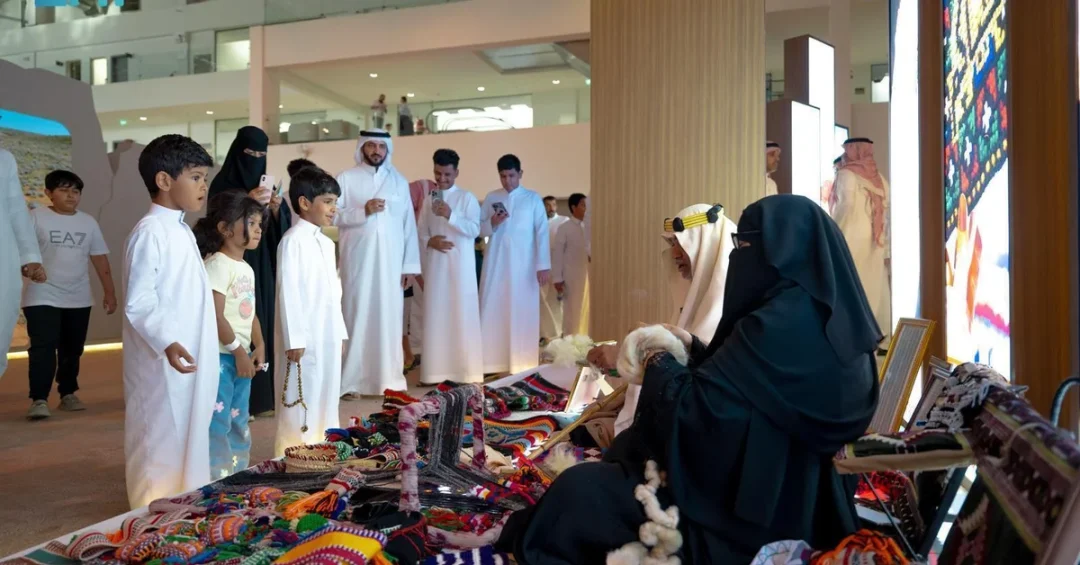
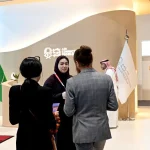
Riyadh, October 06, 2024 — The King Salman bin Abdulaziz Royal Reserve Development Authority’s pavilion at the International Saudi Falcons and Hunting Exhibition 2024 is drawing growing interest from visitors of diverse nationalities and age groups, according to the Saudi Press Agency (SPA). Held at the Saudi Falcons Club in Mulham, the exhibition has become a platform for attendees to discover the reserve’s unique biodiversity, rich heritage, wildlife, and distinctive vegetation. The reserve, the largest in the Middle East, spans over 130,000 square kilometers, stretching from Hail to the Jordanian border in the north, and from the Tabuk region in the west to Dumat Al-Jandal in the east. It serves as a vital natural haven for migratory birds, offering nesting, passage, and stopover areas during their annual journeys.
Context and Background
The King Salman bin Abdulaziz Royal Reserve is a cornerstone of Saudi Arabia’s environmental conservation efforts and a key component of the Kingdom’s broader sustainability agenda. Established under the leadership of the Custodian of the Two Holy Mosques, King Salman bin Abdulaziz Al Saud, the reserve reflects the Kingdom’s commitment to protecting its natural heritage while promoting eco-tourism and community development. The International Saudi Falcons and Hunting Exhibition, organized by the Saudi Falcons Club, serves as a premier event that celebrates traditional falconry and hunting practices while showcasing modern conservation initiatives. This year’s exhibition has provided an ideal venue for the reserve’s authority to engage with the public, raising awareness about its strategies and objectives.
Key Details
The reserve is home to a remarkable array of wildlife, including falcons, deer, ibex, rabbits, red foxes, grey wolves, and houbara bustards. It also contains archaeological sites and petroglyphs, such as those in Jubbah in the Hail region, which date back to 8,000 years B.C., along with scattered artifacts throughout the reserve. Additionally, the reserve supports over 230 plant species within its boundaries. Through its pavilion, the authority aims to highlight its pivotal role in preserving the environment and promoting eco-tourism, with the goal of establishing the reserve as an international landmark for natural and heritage ecosystems. The authority is also committed to developing local communities within the reserve, focusing on empowering community members and creating diverse investment and employment opportunities.
Implications and Impact
The increasing visitor interest at the exhibition underscores the growing global and regional recognition of Saudi Arabia’s conservation efforts. The reserve’s vast size and ecological significance make it a critical habitat for migratory birds and a sanctuary for endangered species. Its archaeological treasures, including the ancient petroglyphs of Jubbah, offer a window into the region’s rich history, attracting researchers and tourists alike. By promoting eco-tourism, the reserve not only boosts local economies but also strengthens Saudi Arabia’s position as a leader in sustainable development and environmental stewardship. The exhibition serves as a testament to the Kingdom’s ability to blend cultural heritage with modern conservation practices, aligning with the objectives of Saudi Vision 2030.
Vision 2030 Alignment
The King Salman bin Abdulaziz Royal Reserve Development Authority’s participation in the International Saudi Falcons and Hunting Exhibition directly supports Saudi Vision 2030, particularly its goals to diversify the economy, enhance quality of life, and promote environmental sustainability. By showcasing the reserve’s biodiversity and heritage, the authority contributes to the Kingdom’s efforts to become a global destination for eco-tourism and cultural exploration. Moreover, the focus on community empowerment and job creation within the reserve aligns with Vision 2030’s emphasis on developing local communities and fostering economic opportunities. As Saudi Arabia continues to advance its environmental and tourism initiatives, the reserve stands as a shining example of how conservation and development can go hand in hand, reinforcing the Kingdom’s role as a responsible global leader.
20 Questions
Q1. What is the King Salman bin Abdulaziz Royal Reserve?
A1. The King Salman bin Abdulaziz Royal Reserve is the largest nature reserve in the Middle East, covering over 130,000 square kilometers. It is dedicated to preserving biodiversity, heritage, and promoting eco-tourism, reflecting Saudi Arabia’s commitment to environmental conservation and sustainable development.
Q2. Where is the International Saudi Falcons and Hunting Exhibition held?
A2. The exhibition is held at the Saudi Falcons Club in Mulham, Saudi Arabia. It serves as a platform to celebrate traditional falconry and hunting while showcasing modern conservation efforts and attracting visitors from various nationalities.
Q3. What makes the King Salman Royal Reserve unique?
A3. The reserve is unique for its vast size, diverse wildlife, and archaeological sites dating back thousands of years. It supports over 230 plant species and serves as a critical stopover for migratory birds, making it a vital ecological and cultural treasure.
Q4. What kinds of wildlife can be found in the reserve?
A4. The reserve is home to falcons, deer, ibex, rabbits, red foxes, grey wolves, and houbara bustards. These animals thrive in the protected environment, which provides essential habitats and supports the region’s ecological balance.
Q5. What is the significance of the Jubbah petroglyphs?
A5. The Jubbah petroglyphs, located in the Hail region, date back to 8,000 years B.C. They are invaluable archaeological treasures that offer insights into ancient civilizations and are a key cultural attraction within the reserve.
Q6. How does the reserve contribute to eco-tourism?
A6. The reserve promotes eco-tourism by offering visitors opportunities to explore its natural beauty and heritage. It aims to become an international landmark, attracting tourists interested in biodiversity, archaeology, and sustainable travel experiences.
Q7. What role does the reserve play in migratory bird conservation?
A7. The reserve provides nesting, passage, and stopover areas for migratory birds during their annual journeys. Its vast protected lands ensure these birds have safe havens, contributing to global biodiversity conservation efforts.
Q8. How does the reserve support local communities?
A8. The authority is committed to developing local communities by empowering residents and creating investment and employment opportunities. This approach fosters economic growth and improves quality of life for those living near the reserve.
Q9. What is the purpose of the reserve’s pavilion at the exhibition?
A9. The pavilion aims to raise awareness about the reserve’s strategies and objectives, highlighting its role in environmental preservation and eco-tourism. It also educates visitors about the reserve’s biodiversity and heritage.
Q10. How does the reserve align with Saudi Vision 2030?
A10. The reserve supports Vision 2030 by promoting environmental sustainability, diversifying the economy through eco-tourism, and enhancing community development. It exemplifies the Kingdom’s commitment to balancing conservation with economic progress.
Q11. What is the size of the King Salman Royal Reserve?
A11. The reserve covers over 130,000 square kilometers, making it the largest in the Middle East. Its vast area spans from Hail to the Jordanian border and from Tabuk to Dumat Al-Jandal.
Q12. What types of plants are found in the reserve?
A12. The reserve supports over 230 plant species, contributing to its rich biodiversity. These plants are adapted to the region’s climate and play a crucial role in the ecosystem.
Q13. How does the reserve preserve archaeological heritage?
A13. The reserve protects archaeological sites and petroglyphs, such as those in Jubbah, dating back to 8,000 years B.C. It also safeguards scattered artifacts, ensuring that Saudi Arabia’s ancient history is preserved for future generations.
Q14. What is the significance of the International Saudi Falcons and Hunting Exhibition?
A14. The exhibition celebrates traditional falconry and hunting, while promoting conservation. It provides a platform for organizations like the reserve authority to engage with the public and showcase their environmental initiatives.
Q15. Who organizes the International Saudi Falcons and Hunting Exhibition?
A15. The exhibition is organized by the Saudi Falcons Club, a leading institution dedicated to preserving falconry heritage and promoting sustainable hunting practices in line with Saudi Arabia’s cultural traditions.
Q16. How does the reserve attract international visitors?
A16. The reserve attracts international visitors by offering unique eco-tourism experiences, including wildlife viewing and archaeological tours. Its recognition as a Middle Eastern landmark enhances its appeal as a must-visit destination.
Q17. What economic opportunities does the reserve create?
A17. The reserve creates economic opportunities through tourism, research, and local employment. It encourages investment in eco-friendly projects, contributing to the diversification of Saudi Arabia’s economy.
Q18. How is the reserve managed?
A18. The reserve is managed by the King Salman bin Abdulaziz Royal Reserve Development Authority, which oversees conservation efforts, community development, and tourism initiatives, ensuring the reserve’s sustainability and growth.
Q19. What makes the reserve a natural haven for wildlife?
A19. The reserve’s vast protected area, diverse habitats, and abundant vegetation make it a natural haven for wildlife. It provides essential resources and safe breeding grounds for numerous species, supporting ecological balance.
Q20. How can visitors learn more about the reserve?
A20. Visitors can learn more by attending exhibitions like the International Saudi Falcons and Hunting Exhibition, visiting the reserve’s pavilion, or accessing official information from the Saudi Press Agency and the reserve authority’s channels.
Reader Feedback
We value your thoughts. Please share your feedback on this article.
Your feedback helps us improve our coverage.
Related articles
 Wadi Qarn: Taif’s Sanctuary of Rock Inscriptions and Wildlife
 New Murabba Showcases Visionary Hospitality at Summit
 Third Edition of AlUla Skies Festival Concludes Successfully
 Bath: A City of Roman Ruins and Georgian Elegance
 Aseer Investment Co. Partners to Develop Tourism in Abha
 CEO of Air Connectivity Program: Over 60 New Air Routes Connect Saudi Arabia to Global Destinations