


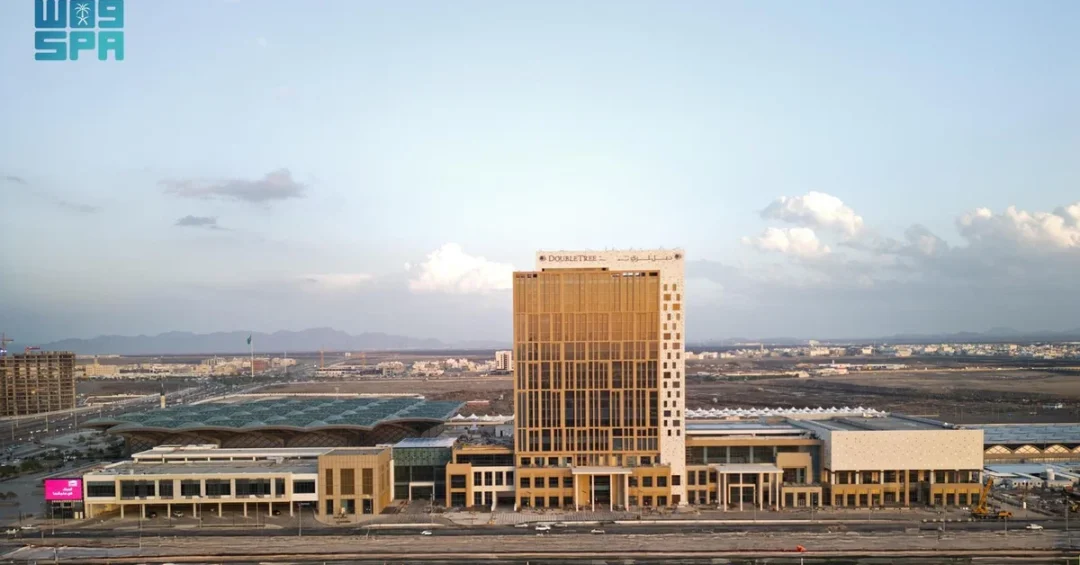
Madinah is undergoing a comprehensive transformation through a series of development projects aimed at enhancing its infrastructure, boosting tourism, and improving the quality of life for residents and visitors, as reported by the Saudi Press Agency (SPA). The initiatives, led by the Madinah Region Development Authority and other entities, are designed to solidify the city’s status as a global religious and tourist destination, in line with Saudi Vision 2030. From pedestrian-friendly upgrades around the Prophet’s Mosque to the ambitious Rua Al Madinah and Madinah Gate projects, the city is witnessing an unprecedented phase of modernization that respects its historical and religious significance.
These developments come as Saudi Arabia continues to welcome record numbers of pilgrims and tourists, with the Kingdom aiming to host 30 million Umrah visitors annually by 2030. The projects not only cater to the spiritual needs of millions but also aim to enrich their experience through improved accessibility, hospitality, and cultural offerings. As Madinah evolves, it stands as a testament to Saudi Arabia’s commitment to preserving its heritage while embracing a future of sustainable growth and innovation.
Context and Background
Why is Madinah, a city steeped in Islamic history, undergoing such a massive infrastructural overhaul? The answer lies in its unique position as the second holiest city in Islam, attracting millions of pilgrims each year. The Saudi government, under the leadership of King Salman bin Abdulaziz Al Saud and Crown Prince Mohammed bin Salman, has prioritized the enhancement of religious and historical sites to accommodate the growing number of visitors. The Madinah Region Development Authority, in collaboration with other government bodies, is spearheading projects that balance modernization with the preservation of the city’s spiritual essence.
The developments are part of a broader strategy to diversify the economy away from oil, as outlined in Vision 2030. By investing in tourism and hospitality, Saudi Arabia aims to create jobs, attract foreign investment, and showcase its rich cultural heritage to the world. Madinah, with its iconic Prophet’s Mosque and Quba Mosque, is central to this vision. The projects also address the need for better infrastructure to handle the increasing flow of pilgrims, ensuring their journey is safe, comfortable, and spiritually fulfilling.
Historically, Madinah has been a center of learning and trade, and these projects aim to restore its role as a vibrant hub. The rehabilitation of historical sites, such as those near Mount Uhud, and the integration of modern amenities like hospitals and schools, reflect a holistic approach to urban development. This not only benefits visitors but also enhances the quality of life for the city’s residents, creating a sustainable environment for future generations.
Key Details of the Development Projects
What specific projects are transforming Madinah’s landscape? The Rua Al Madinah Project, located near the Prophet’s Mosque, is a flagship hospitality development spanning over 1.5 million square meters. It includes an extensive tunnel network and numerous luxury hotels, aiming to accommodate 30 million annual visitors. This project is designed to provide world-class accommodation and services, ensuring that pilgrims and tourists have a memorable stay. The Madinah Gate Project, east of the Prophet’s Mosque near the Haramain High-Speed Railway station, covers 60,000 square meters and features unique architecture. It connects to key roads, providing easy access to religious sites, the airport, and the high-speed rail, thereby enhancing tourism and entertainment.
In addition to these mega-projects, pedestrian-friendly upgrades around the central area and near the Prophet’s Mosque are being completed. These include electric vehicle access and a pedestrian path to Quba Mosque, along with landscaping and public amenities. Such improvements are designed to enrich the experience for pilgrims and residents alike, promoting a healthier and more sustainable mode of transportation. The Madinah Buses project is another key initiative, connecting major sites like the Prophet’s Mosque, Quba Mosque, the airport, and the Haramain High-Speed Railway Station, thereby improving accessibility and quality of life.
Rehabilitation projects are also transforming historical sites into year-round attractions. The area near Mount Uhud is undergoing development, offering residential units and scenic views of historical sites located 3 kilometers north of the Prophet’s Mosque. Essential services such as hospitals and schools are being integrated into the area. An adjacent 33,000 square meter project includes amenities like restaurants, cafes, an open-air museum, water features, a historical virtual reality area, and a theater for hosting events. These additions aim to provide a comprehensive cultural and entertainment experience for visitors.
International and Regional Impact
How will these developments impact the region and the world? Madinah’s transformation is poised to have significant international and regional implications. By enhancing its capacity to host millions of pilgrims, Saudi Arabia reinforces its role as the custodian of Islam’s holiest sites, fostering goodwill among Muslim communities worldwide. The improved infrastructure and services will make the pilgrimage experience more accessible and comfortable, potentially attracting more visitors from diverse backgrounds. This, in turn, can boost regional economies through increased trade and tourism, as neighboring countries may see a spillover effect in terms of business and cultural exchange.
On a regional level, Madinah’s development aligns with Saudi Arabia’s efforts to promote stability and cooperation in the Middle East. By investing in its cities and infrastructure, the Kingdom sets a benchmark for sustainable urban development in the region. The projects also support the growth of the domestic tourism sector, encouraging Saudi citizens and residents to explore their own heritage. Furthermore, the integration of high-speed rail and improved transportation links enhances connectivity within the Kingdom and beyond, facilitating the movement of people and goods.
Internationally, these projects showcase Saudi Arabia’s commitment to Vision 2030 and its openness to the world. They attract foreign investment and expertise, as international companies participate in the construction and hospitality sectors. The increased flow of pilgrims and tourists also promotes cultural understanding and dialogue, as people from different countries interact and share experiences. Madinah’s development thus serves as a bridge between Saudi Arabia and the global community, enhancing the Kingdom’s soft power and diplomatic reach.
Economic and Strategic Significance
What economic and strategic benefits do these projects bring? The development projects in Madinah are a cornerstone of Saudi Arabia’s economic diversification strategy. By expanding the tourism and hospitality sectors, the Kingdom creates new job opportunities for its citizens, reduces dependence on oil revenues, and stimulates local businesses. The Rua Al Madinah and Madinah Gate projects alone are expected to generate thousands of jobs during construction and operation, ranging from engineering and construction to hospitality and retail. This aligns with Vision 2030’s goal of increasing the private sector’s contribution to the economy and empowering Saudi youth.
Strategically, these projects enhance Madinah’s position as a global religious and tourist hub, which is vital for Saudi Arabia’s international standing. The city’s ability to host large numbers of pilgrims safely and efficiently is a matter of national pride and religious duty. By investing in world-class infrastructure, the Kingdom ensures that the pilgrimage experience remains smooth and spiritually enriching, which is essential for maintaining the trust of the global Muslim community. Moreover, the projects support the growth of the Umrah and Hajj sectors, which are significant sources of revenue and foreign exchange.
The focus on sustainability and quality of life also aligns with the broader goals of Vision 2030. The pedestrian-friendly upgrades, electric vehicle access, and green spaces contribute to a healthier environment and a higher standard of living for residents. The integration of smart technologies and modern amenities positions Madinah as a model city for the future, demonstrating how tradition and innovation can coexist harmoniously. This strategic approach not only benefits the local population but also enhances the city’s appeal to international visitors and investors.
Vision 2030 Alignment
How do these developments align with Saudi Vision 2030? Vision 2030, the Kingdom’s ambitious blueprint for economic and social transformation, places a strong emphasis on enhancing the quality of life, diversifying the economy, and promoting Saudi Arabia as a global destination. The Madinah development projects directly support these objectives by improving infrastructure, boosting tourism, and creating economic opportunities. The Madinah Region Development Authority’s work exemplifies the collaborative effort between government entities to achieve these goals, ensuring that the city’s growth is sustainable and inclusive.
Furthermore, the projects reflect the Vision’s commitment to preserving cultural and religious heritage while embracing modernity. The rehabilitation of historical sites and the integration of advanced technologies demonstrate a balanced approach that respects the past while building for the future. By enhancing Madinah’s capacity to welcome pilgrims and tourists, Saudi Arabia reinforces its role as a leader in the Islamic world and a responsible global citizen. As the Kingdom continues to implement Vision 2030, Madinah stands as a shining example of how strategic development can transform a city into a thriving hub of faith, culture, and innovation.
In conclusion, the development projects in Madinah are not just about bricks and mortar; they are about creating a holistic experience that honors the city’s spiritual significance and propels it into a new era of prosperity. With each new project, Madinah moves closer to realizing its full potential as a global religious and tourist destination, contributing to the success of Saudi Vision 2030 and the well-being of all who visit.
20 Questions
Q1. What is the main goal of the development projects in Madinah?
A1. The main goal is to enhance infrastructure, boost tourism, and improve the quality of life for residents and visitors, solidifying Madinah’s status as a global religious and tourist destination in line with Saudi Vision 2030.
Q2. Which authority is leading the development projects in Madinah?
A2. The Madinah Region Development Authority, along with other entities, is leading the development projects, as reported by the Saudi Press Agency.
Q3. What is the Rua Al Madinah Project?
A3. The Rua Al Madinah Project is a major hospitality development near the Prophet’s Mosque, featuring an extensive tunnel network and numerous luxury hotels, aiming to accommodate 30 million annual visitors on over 1.5 million square meters.
Q4. Where is the Madinah Gate Project located?
A4. The Madinah Gate Project is located east of the Prophet’s Mosque near the Haramain High-Speed Railway station, spanning 60,000 square meters.
Q5. What amenities does the Madinah Gate Project offer?
A5. It offers unique architecture, connects to key roads for easy access to religious sites, the airport, and the high-speed rail, aiming to enhance tourism and entertainment.
Q6. What improvements are being made around the Prophet’s Mosque?
A6. Pedestrian-friendly upgrades include electric vehicle access, a pedestrian path to Quba Mosque, landscaping, and public amenities to enrich the experience for pilgrims and residents.
Q7. How is the area near Mount Uhud being developed?
A7. The area near Mount Uhud is undergoing development to offer residential units, scenic views of historical sites, and integrated services such as hospitals and schools.
Q8. What is included in the 33,000 square meter project near Mount Uhud?
A8. It includes restaurants, cafes, an open-air museum, water features, a historical virtual reality area, and a theater for hosting events.
Q9. What is the Madinah Buses project?
A9. The Madinah Buses project connects key sites like the Prophet’s Mosque, Quba Mosque, the airport, and the Haramain High-Speed Railway Station, enhancing accessibility and quality of life.
Q10. How do these projects align with Saudi Vision 2030?
A10. They align by enhancing quality of life, diversifying the economy, promoting tourism, and preserving heritage, all key objectives of Vision 2030.
Q11. What is the expected number of annual visitors Madinah aims to accommodate?
A11. Madinah aims to accommodate 30 million annual visitors, as part of the Rua Al Madinah Project’s goal.
Q12. How will the development projects impact the local economy?
A12. They will create jobs, stimulate local businesses, attract foreign investment, and reduce dependence on oil revenues, supporting economic diversification.
Q13. What role does the Haramain High-Speed Railway play in these developments?
A13. The Haramain High-Speed Railway enhances connectivity, providing easy access to religious sites, the airport, and other key locations, thereby boosting tourism and accessibility.
Q14. How are historical sites being transformed?
A14. Historical sites are being rehabilitated into year-round attractions with modern amenities, such as the area near Mount Uhud, which will feature residential units and entertainment facilities.
Q15. What sustainability measures are being implemented?
A15. Sustainability measures include pedestrian-friendly paths, electric vehicle access, and green landscaping, promoting a healthier environment and sustainable transportation.
Q16. How will these projects affect pilgrims’ experience?
A16. They will enhance the pilgrimage experience by providing better accommodations, improved transportation, and enriched cultural and spiritual amenities, making the journey more comfortable and fulfilling.
Q17. What is the significance of Madinah in Islam?
A17. Madinah is the second holiest city in Islam, home to the Prophet’s Mosque and Quba Mosque, attracting millions of pilgrims annually for religious and historical reasons.
Q18. How does the development of Madinah contribute to Saudi Arabia’s global standing?
A18. It reinforces Saudi Arabia’s role as the custodian of Islam’s holiest sites, enhances its soft power, and showcases its commitment to Vision 2030 and global engagement.
Q19. What entertainment options will be available in the new developments?
A19. Entertainment options include restaurants, cafes, an open-air museum, water features, a historical virtual reality area, and a theater, providing diverse experiences for visitors.
Q20. When are these projects expected to be completed?
A20. The projects are under development, with some components already completed, and are being implemented in phases to ensure timely delivery and alignment with Vision 2030 goals.
Reader Feedback
We value your thoughts. Please share your feedback on this article.
Your feedback helps us improve our coverage.
Related articles
 Taif Rose Forum Draws Over 350,000 Visitors
 Saudi Tourism Ministry Tightens Hajj Booking Rules for Makkah
 Ministry of Hajj and Umrah Distributes Nusuk Cards for 1446 AH
 Mina: The First Holy Site Pilgrims Visit During Hajj
 AlUla Hotels, Restaurants Honored in Michelin Guide 2025
 Eastern Region Prepares Over 997 Parks and 14 Waterfront Areas for Visitors