


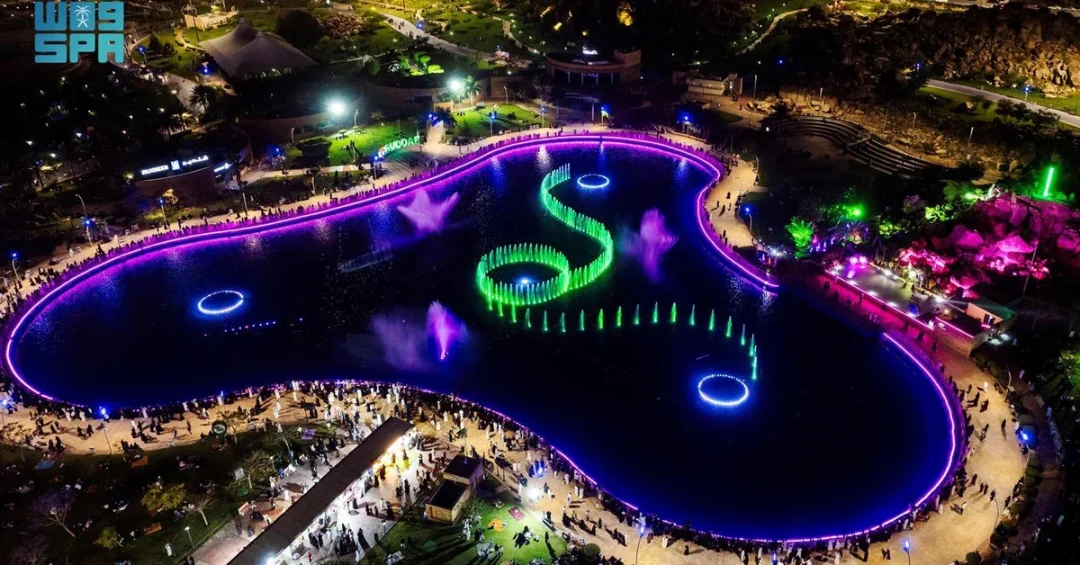
The Rose and Aromatic Plants Global Forum in Taif has drawn more than 350,000 visitors in its first ten days, according to the Saudi Press Agency (SPA), underscoring the event’s growing stature as a cornerstone of the Kingdom’s cultural tourism calendar. Organized with the support of the Taif Municipality, the forum celebrates the region’s centuries-old rose heritage while showcasing modern floral artistry, including a spectacular flower carpet composed of over 850,000 blooms that incorporates elements of traditional Saudi architecture and Taif’s distinctive blend of ancient heritage and contemporary style.
The remarkable attendance figure, released on April 24, 2025, highlights the forum’s role in reinforcing Taif’s reputation as the “City of Roses” and a premier tourist destination. It also reflects the broader momentum of Saudi Arabia’s tourism sector, which has become a key pillar of Vision 2030, the national transformation plan championed by Crown Prince Mohammed bin Salman. As international visitors increasingly seek authentic cultural experiences, events like the Taif Rose Forum demonstrate how the Kingdom is leveraging its natural and historical assets to attract global travelers while celebrating local identity.
Context and Background
Why has a regional flower festival captured such extraordinary public attention? The answer lies in Taif’s unique agricultural and cultural heritage, which has been cultivated for generations. Located in the Sarawat Mountains, Taif is renowned for its rose farms, particularly the Damask rose, which is harvested each spring to produce rose water and essential oils prized throughout the world. The Rose and Aromatic Plants Global Forum, now in its latest edition, builds on this legacy by combining traditional rose cultivation with modern exhibitions, educational workshops, and artistic installations.
The event is organized under the auspices of the Taif Municipality, a government body responsible for urban development and public services in the governorate. By hosting the forum, the municipality aims to promote local agriculture, support small businesses, and create a vibrant platform for cultural exchange. The flower carpet, a centerpiece of this year’s forum, was designed to reflect Saudi architectural motifs, symbolizing the seamless integration of heritage and modernity that defines the Kingdom’s approach to development. This aligns with the Ministry of Tourism’s efforts to diversify offerings beyond religious pilgrimage, attracting visitors interested in nature, history, and the arts.
Over the past decade, Saudi Arabia has invested heavily in tourism infrastructure, relaxed visa regulations, and launched international marketing campaigns to position itself as a must-visit destination. The Taif forum exemplifies these efforts at the local level, turning a seasonal agricultural phenomenon into a global attraction. With more than 350,000 visitors in just ten days, the event has already surpassed many expectations, signaling strong domestic and regional appetite for such cultural gatherings.
Key Details
What exactly does the Rose and Aromatic Plants Global Forum offer to its hundreds of thousands of guests? The event features a wide array of attractions, including pavilions showcasing rose-based products such as perfumes, oils, and cosmetics, as well as live demonstrations of traditional distillation methods. The flower carpet, which spans a significant area, is a marvel of horticultural engineering, using more than 850,000 flowers to create intricate patterns inspired by Taif’s architectural heritage. Visitors can stroll through the carpet, take photographs, and learn about the design process from local artisans.
In addition to the floral displays, the forum hosts seminars and workshops led by experts in aromatic plants, sustainable agriculture, and tourism development. These sessions provide a platform for knowledge exchange, connecting local farmers with international researchers and entrepreneurs. The Taif Municipality has also coordinated with various government agencies, including the Ministry of Environment, Water and Agriculture, to ensure the event highlights best practices in water conservation and organic farming. Such collaboration underscores the Kingdom’s commitment to environmental sustainability, a key objective of Vision 2030.
The forum’s success is further evidenced by the diverse mix of attendees, ranging from families and school groups to foreign tourists and diplomatic delegations. Local media reported that hotels and restaurants in Taif experienced a surge in bookings, providing an economic boost to the region. The event runs for several weeks, allowing ample opportunity for more visitors to participate. With such a strong start, organizers anticipate that total attendance could exceed initial projections, cementing Taif’s place on the global tourism map.
International and Regional Impact
How does a rose festival in Saudi Arabia resonate beyond the Kingdom’s borders? The Taif forum serves as a cultural bridge, inviting international visitors to experience Saudi hospitality and heritage firsthand. By attracting tourists from across the Gulf, Asia, Europe, and beyond, the event contributes to the Kingdom’s goal of increasing international arrivals to 100 million annually by 2030. It also fosters people-to-people diplomacy, helping to dispel outdated perceptions and showcase the country’s modernization and openness.
Regionally, the forum strengthens Saudi Arabia’s position as a leader in cultural tourism within the Middle East. Neighboring countries have long recognized the economic potential of heritage festivals, and Saudi Arabia’s investment in this area signals its intention to compete on a global scale. The event also aligns with the broader Arab vision of preserving intangible cultural heritage while embracing innovation. By sharing its rose-growing expertise, Taif can serve as a model for other regions seeking to develop sustainable, community-based tourism.
Furthermore, the forum’s emphasis on aromatic plants has attracted interest from the international cosmetics and wellness industries. Saudi rose oil is already exported to global markets, and the event provides a platform for forging new trade partnerships. This cross-border engagement supports the Kingdom’s economic diversification strategy, creating opportunities for non-oil exports and foreign investment.
Economic and Strategic Significance
What economic benefits does the Rose and Aromatic Plants Global Forum bring to Taif and the wider Kingdom? The influx of 350,000 visitors in ten days translates into significant spending on accommodation, food, transportation, and souvenirs. Local businesses, from family-owned rose farms to retail outlets, experience a marked increase in sales. The event also generates employment opportunities, both temporary and permanent, in event management, hospitality, and agriculture. According to the Taif Municipality, the forum is part of a longer-term strategy to develop the region’s tourism ecosystem, including improved infrastructure and training programs for local youth.
Strategically, the forum reinforces Saudi Arabia’s commitment to economic diversification under Vision 2030. By promoting a high-value agricultural product and linking it to tourism, the Kingdom creates a sustainable value chain that benefits rural communities. The rose industry, with its potential for export growth, represents a small but meaningful contributor to non-oil GDP. Moreover, the event attracts media attention and international visitors, raising the profile of Taif as an investment destination. This aligns with the Public Investment Fund’s efforts to develop tourism assets across the country, from the Red Sea coast to the mountains of Asir.
The forum also highlights the importance of public-private partnerships. The Taif Municipality collaborates with private companies, non-profit organizations, and community groups to stage the event, demonstrating a collaborative model that can be replicated elsewhere. Such partnerships are essential for achieving the ambitious goals of Vision 2030, which seeks to triple tourism’s contribution to GDP and create millions of new jobs.
Vision 2030 Alignment
How does the Rose and Aromatic Plants Global Forum fit into Saudi Arabia’s long-term vision? Vision 2030, launched in 2016, aims to transform the Kingdom into a global investment powerhouse and a hub for culture and tourism. The forum directly supports several of its pillars, including diversifying the economy, enriching the lives of citizens, and showcasing Saudi heritage to the world. By turning Taif’s natural bounty into a world-class event, the Kingdom demonstrates its ability to create unique experiences that attract visitors and generate economic value.
As Saudi Arabia continues to open up to the world, events like the Taif Rose Forum will play an increasingly important role in shaping its international image. They offer a window into the Kingdom’s rich traditions and its forward-looking ambitions. With record-breaking attendance and glowing reviews, the forum is a testament to the success of Vision 2030 in action. It also inspires other regions to harness their local assets for tourism development, contributing to a more balanced and prosperous Saudi Arabia. Ultimately, the Rose and Aromatic Plants Global Forum is more than a festival; it is a symbol of the Kingdom’s blossoming future.
20 Questions
Q1. What is the Rose and Aromatic Plants Global Forum?
A1. It is an annual event held in Taif, Saudi Arabia, celebrating the region’s rose and aromatic plant heritage. The forum features exhibitions, workshops, and a massive flower carpet, attracting hundreds of thousands of visitors and promoting cultural tourism.
Q2. Where is Taif located?
A2. Taif is a city in the Makkah Province of Saudi Arabia, situated in the Sarawat Mountains. It is famous for its cool climate, rose farms, and agricultural products, earning the nickname “City of Roses.”
Q3. How many visitors attended the forum in the first ten days?
A3. According to the Saudi Press Agency, the forum attracted more than 350,000 visitors in its first ten days, reflecting strong public interest and the event’s growing popularity as a cultural attraction.
Q4. What is the flower carpet and how many flowers were used?
A4. The flower carpet is a large-scale floral installation designed by the Taif Municipality. It used over 850,000 flowers to create patterns inspired by Saudi architecture, blending Taif’s ancient heritage with modern style.
Q5. Who organized the Rose and Aromatic Plants Global Forum?
A5. The forum is organized by the Taif Municipality, a government body responsible for urban development and public services in the governorate, in collaboration with various local and national partners.
Q6. What is the significance of Taif’s roses?
A6. Taif’s roses, particularly the Damask rose, are prized for their fragrance and are used to produce rose water, oils, and perfumes. The rose industry is a vital part of the local economy and cultural identity.
Q7. How does the forum support Vision 2030?
A7. The forum aligns with Vision 2030 by promoting tourism, diversifying the economy, and showcasing Saudi heritage. It helps attract international visitors and supports the goal of increasing tourism’s contribution to GDP.
Q8. What other activities take place at the forum?
A8. Besides the flower carpet, the forum includes seminars, workshops on aromatic plants, live demonstrations of rose distillation, and pavilions selling rose-based products. These activities educate visitors and support local businesses.
Q9. How has the forum impacted the local economy?
A9. The influx of visitors has boosted local hotels, restaurants, and shops. It has also created temporary jobs and increased sales for rose farmers and artisans, providing a significant economic boost to the Taif region.
Q10. Are there international participants at the forum?
A10. Yes, the forum attracts international visitors, experts, and companies interested in aromatic plants and tourism. This fosters cultural exchange and opens doors for trade partnerships in the global wellness industry.
Q11. What is the duration of the forum?
A11. The forum typically runs for several weeks, allowing ample time for visitors to explore the exhibits and participate in activities. The first ten days alone saw over 350,000 visitors.
Q12. How does the forum promote sustainable agriculture?
A12. The forum highlights best practices in water conservation, organic farming, and sustainable rose cultivation. Workshops and seminars educate farmers and the public on environmentally friendly techniques, supporting Saudi Arabia’s sustainability goals.
Q13. What role does the Taif Municipality play in the event?
A13. The Taif Municipality leads the organization, coordinates with other agencies, and ensures the event showcases Taif’s heritage and modern development. It also manages logistics and infrastructure to accommodate large crowds.
Q14. Can tourists visit Taif outside the forum?
A14. Yes, Taif is a year-round destination known for its pleasant climate, rose farms, and historical sites. Visitors can explore the city’s markets, mountains, and cultural attractions even when the forum is not taking place.
Q15. How does the forum reflect Saudi Arabia’s cultural openness?
A15. By welcoming international visitors and showcasing Saudi traditions, the forum demonstrates the Kingdom’s commitment to cultural exchange and openness. It helps present a modern, dynamic image of Saudi Arabia to the world.
Q16. What are aromatic plants and why are they important?
A16. Aromatic plants are those with fragrant properties, used in perfumes, cosmetics, and traditional medicine. They are important for Taif’s economy and for the global wellness industry, which values natural ingredients.
Q17. How many flowers were used in the flower carpet?
A17. The flower carpet used more than 850,000 flowers, meticulously arranged to depict architectural motifs. This stunning display is a highlight of the forum and a testament to Saudi floral artistry.
Q18. What is the economic impact of the forum on Saudi Arabia?
A18. The forum contributes to economic diversification by boosting tourism, supporting local businesses, and promoting non-oil exports like rose oil. It also attracts foreign investment and enhances the Kingdom’s global image.
Q19. How does the forum align with Saudi Vision 2030?
A19. It supports Vision 2030 by developing tourism, preserving cultural heritage, and creating economic opportunities. It exemplifies the Kingdom’s efforts to diversify income sources and enrich the quality of life for citizens and visitors.
Q20. What can visitors expect at the Rose and Aromatic Plants Global Forum?
A20. Visitors can enjoy spectacular floral displays, purchase rose-based products, attend educational sessions, and experience Saudi hospitality. The forum offers a unique blend of culture, nature, and entertainment for all ages.
Reader Feedback
We value your thoughts. Please share your feedback on this article.
Your feedback helps us improve our coverage.
Related articles
 Saudi Tourism Ministry Tightens Hajj Booking Rules for Makkah
 Ministry of Hajj and Umrah Distributes Nusuk Cards for 1446 AH
 Mina: The First Holy Site Pilgrims Visit During Hajj
 AlUla Hotels, Restaurants Honored in Michelin Guide 2025
 Eastern Region Prepares Over 997 Parks and 14 Waterfront Areas for Visitors
 AlUla Wellness Festival to Launch This Weekend with Diverse Sports, Nature Experiences