


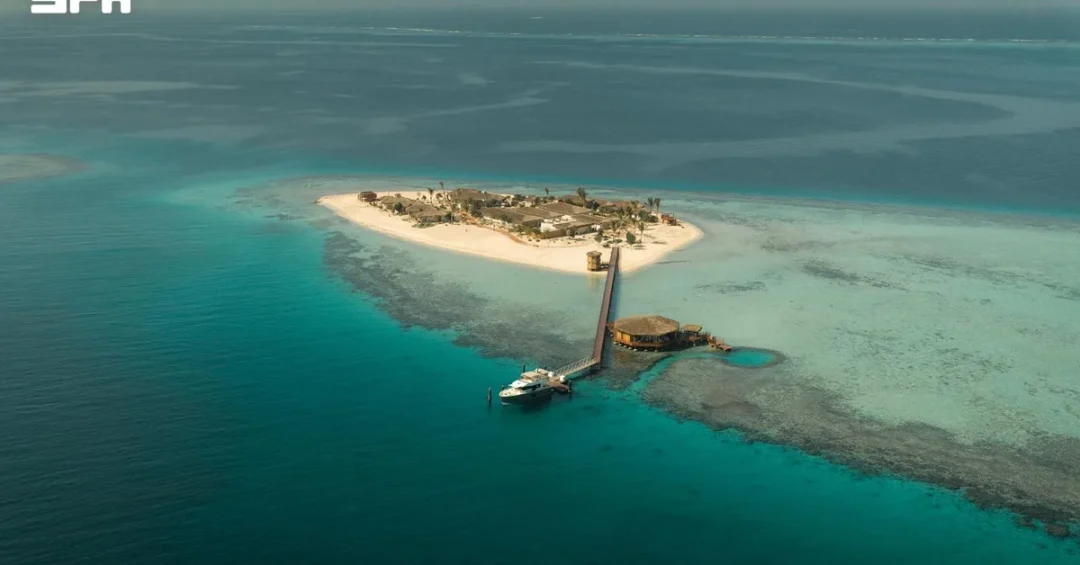
The coastal islands of Makkah Region are emerging as key drivers of sustainable tourism and the blue economy in Saudi Arabia. According to the Saudi Press Agency (SPA), these islands, with their pristine white sandy beaches, turquoise waters, thriving coral reefs, and rich biodiversity, represent some of the Kingdom’s most valuable coastal tourism assets. The region’s western coastline is being developed into high-quality marine destinations that align with sustainability standards, balancing economic growth with environmental conservation.
Context and Background
The Makkah Region’s coastal islands have long been recognized for their natural beauty and ecological significance. However, many of these islands remain largely untouched, offering immense potential for responsible investment. The Kingdom’s focus on sustainable development aligns with its Vision 2030 goals, which emphasize diversifying the economy, protecting natural resources, and promoting tourism as a key sector. The Saudi Red Sea Authority is playing a pivotal role in advancing these efforts through a regulatory framework that ensures responsible growth.
Key Details
One notable example of sustainable coastal development is the Thuwal Private Retreat, developed by Red Sea Global. Located on an island within a coral archipelago off the Jeddah coast, this exclusive resort is reserved for one group at a time, offering personalized experiences tailored to guests’ preferences. The project exemplifies the Kingdom’s commitment to balancing tourism development with environmental preservation, ensuring that natural assets are protected while creating unique visitor experiences.
Implications and Impact
The development of these coastal islands has far-reaching implications for Saudi Arabia’s tourism sector and the broader economy. By prioritizing sustainability, the Kingdom is positioning itself as a global leader in eco-tourism and the blue economy. These initiatives not only attract international visitors but also create jobs and support local communities. Additionally, they reinforce Saudi Arabia’s competitiveness in sustainable coastal tourism, enhancing its reputation as a destination that values both economic growth and environmental stewardship.
Vision 2030 Alignment
The sustainable development of Makkah Region’s coastal islands is a cornerstone of Saudi Arabia’s Vision 2030. By leveraging its natural assets responsibly, the Kingdom is diversifying its economy, reducing its reliance on oil, and creating new opportunities for growth. These efforts underscore Saudi Arabia’s commitment to preserving its environmental heritage while fostering innovation and sustainability in the tourism sector. As these projects continue to unfold, they will play a vital role in shaping the Kingdom’s future as a global hub for sustainable tourism.
20 Questions
Q1. What makes Makkah Region’s coastal islands unique?
A1. The islands feature white sandy beaches, turquoise waters, thriving coral reefs, and rich biodiversity, making them valuable assets for sustainable tourism.
Q2. How is Saudi Arabia developing these islands sustainably?
A2. Through initiatives like the Thuwal Private Retreat, the Kingdom balances economic development with environmental conservation, adhering to strict sustainability standards.
Q3. What role does the Saudi Red Sea Authority play?
A3. The Authority advances sustainable coastal development through a regulatory framework that ensures responsible growth and environmental protection.
Q4. What is the Thuwal Private Retreat?
A4. It is an exclusive resort developed by Red Sea Global on an island near Jeddah, offering personalized experiences while preserving the natural environment.
Q5. How does this development align with Vision 2030?
A5. It supports Vision 2030 by diversifying the economy, promoting tourism, and emphasizing sustainability and environmental conservation.
Q6. What is the blue economy?
A6. The blue economy refers to sustainable use of ocean resources for economic growth, improved livelihoods, and ecosystem health.
Q7. Why is sustainability important in tourism development?
A7. Sustainability ensures that natural resources are preserved for future generations while supporting economic growth and community well-being.
Q8. How does this initiative benefit local communities?
A8. It creates jobs, supports local businesses, and enhances infrastructure, contributing to improved quality of life.
Q9. What are the environmental benefits of these projects?
A9. They protect coral reefs, marine biodiversity, and coastal ecosystems, ensuring long-term ecological health.
Q10. How does Saudi Arabia attract international tourists?
A10. By offering unique, sustainable experiences in pristine environments, the Kingdom appeals to eco-conscious travelers.
Q11. What is the significance of coral reefs in this region?
A11. Coral reefs support marine biodiversity, protect coastlines, and attract tourists, making them vital to the ecosystem and economy.
Q12. How does Saudi Arabia ensure responsible tourism?
A12. Through strict regulations, sustainable practices, and partnerships with organizations like the Saudi Red Sea Authority.
Q13. What are the economic benefits of coastal tourism?
A13. It generates revenue, creates jobs, and diversifies the economy, reducing reliance on oil.
Q14. What makes Thuwal Private Retreat unique?
A14. It accommodates one group at a time, offering tailored experiences while maintaining environmental integrity.
Q15. How does this initiative support Vision 2030’s tourism goals?
A15. It positions Saudi Arabia as a global leader in sustainable tourism, attracting visitors and boosting the economy.
Q16. What is the role of Red Sea Global?
A16. Red Sea Global develops and operates sustainable tourism projects, like Thuwal Private Retreat, aligning with Vision 2030.
Q17. How does Saudi Arabia balance development and conservation?
A17. By implementing strict environmental standards and prioritizing sustainability in all development projects.
Q18. What are the long-term goals for coastal tourism?
A18. To establish Saudi Arabia as a premier destination for sustainable tourism while preserving natural resources.
Q19. How does this initiative enhance Saudi Arabia’s global reputation?
A19. It showcases the Kingdom’s commitment to sustainability, innovation, and responsible economic growth.
Q20. What is the future of Saudi Arabia’s blue economy?
A20. The blue economy will drive sustainable growth, create jobs, and position Saudi Arabia as a global leader in ocean resource management.
Reader Feedback
We value your thoughts. Please share your feedback on this article.
Your feedback helps us improve our coverage.