


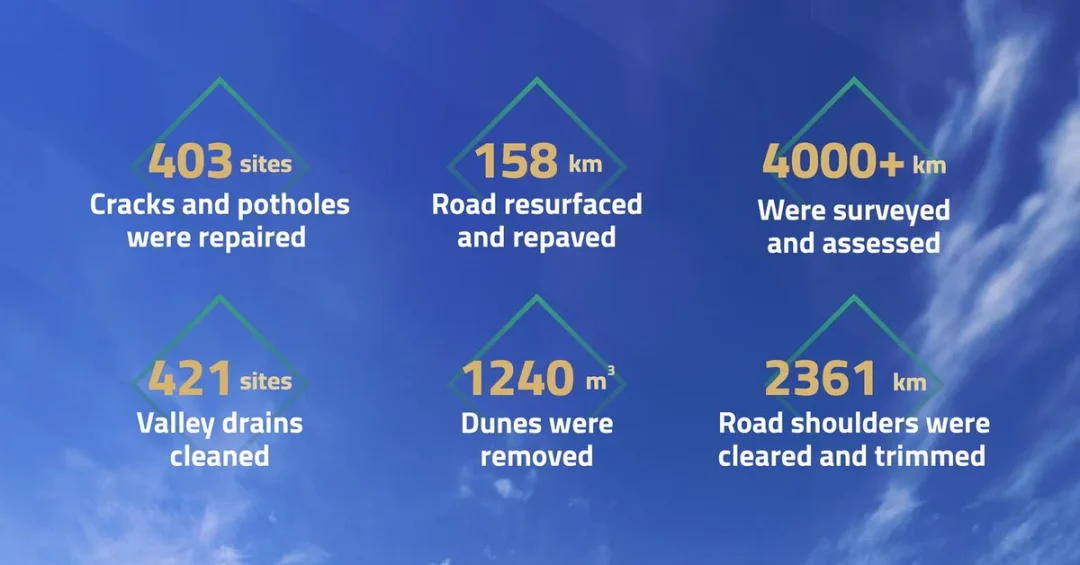
The Roads General Authority (RGA) announced on May 9, 2024, that Makkah’s road network is fully prepared to welcome pilgrims for the upcoming Hajj season, 1445 AH, following a series of infrastructure projects aimed at ensuring a smooth and comfortable experience. In an official statement, the RGA detailed extensive work carried out across the region, including the surveying and assessment of 4,000 kilometers of roads, milling and repaving of 158 kilometers, and repairs to cracks and potholes at 403 locations. The authority also cleared and trimmed 2,361 kilometers of road shoulders, removed 1,240 cubic meters of sand dunes, and cleaned 421 valley drains to enhance safety and accessibility.
Context and Background
Saudi Arabia’s road network, ranked first globally for connectivity by the World Bank, is a cornerstone of the Kingdom’s infrastructure. The RGA’s proactive measures underscore the government’s commitment to ensuring that millions of pilgrims can move seamlessly between the holy sites in Makkah and the surrounding sacred areas, including Mina, Arafat, and Muzdalifah. This readiness is part of broader efforts to improve the pilgrimage experience, which is a central pillar of Saudi Arabia’s cultural and religious identity.
The announcement comes ahead of the annual Hajj pilgrimage, expected to draw over two million Muslims from around the world. The RGA’s work is not only about road maintenance but also about enhancing overall mobility and safety, aligning with the Kingdom’s Vision 2030 goals to modernize infrastructure and provide world-class services to visitors and residents alike.
Key Details
The Roads General Authority’s statement highlighted a comprehensive approach to road readiness. Beyond basic repairs, the projects included clearing and trimming road shoulders to improve visibility and safety, as well as cleaning valley drains to prevent flooding during the rainy season. The removal of sand dunes, a common hazard in desert regions, ensures that roads remain passable and safe for high volumes of traffic. These initiatives are part of the RGA’s mandate to maintain and develop the Kingdom’s road network, which spans over 200,000 kilometers.
Officials from the RGA emphasized that these measures were completed ahead of schedule, demonstrating the efficiency and dedication of Saudi workforces. The authority also coordinated with other government entities, including the Ministry of Interior and the General Directorate of Civil Defense, to ensure a holistic approach to pilgrim safety and convenience.
Implications and Impact
The readiness of Makkah’s roads has significant implications for the smooth execution of Hajj, which is one of the largest religious gatherings in the world. Improved road conditions reduce travel times and accidents, ensuring that pilgrims can focus on their spiritual journey. Internationally, this announcement reinforces Saudi Arabia’s reputation as a responsible host and its capability to manage large-scale events. It also supports the Kingdom’s ambition to become a global hub for tourism and religious travel, as outlined in Vision 2030.
The World Bank’s recognition of Saudi Arabia’s road connectivity underscores the strategic importance of such infrastructure investments. By enhancing the network around Makkah, the Kingdom not only facilitates the pilgrimage but also strengthens its logistical capabilities for economic activities, trade, and tourism year-round.
Vision 2030 Alignment
This development is a clear reflection of Saudi Arabia’s Vision 2030, which prioritizes the modernization of infrastructure as a key driver of economic growth and quality of life. The RGA’s efforts ensure that the Kingdom remains a welcoming and safe destination for pilgrims, who are integral to the country’s religious and cultural heritage. As Saudi Arabia continues to invest in mega-projects like NEOM and the Red Sea tourism developments, the reliability of its road network will play a vital role in connecting the nation and fulfilling the promise of a vibrant society and thriving economy.
20 Questions
Q1. What did the Roads General Authority announce on May 9, 2024?
A1. The Roads General Authority announced that Makkah’s roads are fully prepared to welcome pilgrims for the upcoming Hajj season, 1445 AH, following extensive infrastructure projects to enhance safety and comfort.
Q2. When is the upcoming Hajj season referred to in the announcement?
A2. The upcoming Hajj season is in the Islamic year 1445 AH, which corresponds to June 2024 on the Gregorian calendar, when pilgrims perform the annual pilgrimage in Makkah.
Q3. How many kilometers of roads were surveyed and assessed by the authority?
A3. The authority surveyed and assessed 4,000 kilometers of roads to identify maintenance needs and ensure they meet safety standards for high traffic during Hajj.
Q4. What specific road repairs were carried out?
A4. Repairs included milling and repaving 158 kilometers of road, fixing cracks and potholes at 403 locations, and clearing road shoulders over 2,361 kilometers.
Q5. How many cubic meters of sand dunes were removed?
A5. Crews removed 1,240 cubic meters of sand dunes to prevent road blockages and ensure safe passage for pilgrims traveling to and from holy sites.
Q6. Why is clearing road shoulders important for the Hajj season?
A6. Clearing road shoulders improves visibility and provides safe areas for emergency stops, reducing the risk of accidents during heavy traffic flow.
Q7. How many valley drains were cleaned as part of the project?
A7. A total of 421 valley drains were cleaned to prevent flooding and water accumulation, which could cause road hazards and delays.
Q8. What is the significance of Saudi Arabia’s road network globally?
A8. The World Bank ranks Saudi Arabia’s road network first globally for connectivity, highlighting its extensive and well-connected infrastructure.
Q9. How does the road readiness contribute to a smooth pilgrimage experience?
A9. High-quality roads reduce travel time, enhance safety, and ensure seamless movement for pilgrims between the holy sites in Makkah and surrounding areas.
Q10. What are the Al Mashaaer sacred places?
A10. Al Mashaaer refers to the sacred sites of Mina, Arafat, and Muzdalifah, where pilgrims perform key rituals during Hajj, requiring efficient transportation.
Q11. Which Saudi entity is responsible for the road projects?
A11. The Roads General Authority (RGA) is the government entity responsible for planning, maintaining, and developing Saudi Arabia’s road network.
Q12. How does this announcement align with Saudi Vision 2030?
A12. Vision 2030 aims to improve infrastructure and services, and these road enhancements support the goal of providing world-class facilities for pilgrims and boosting tourism.
Q13. Were other government agencies involved in the preparations?
A13. Yes, the RGA coordinated with entities like the Ministry of Interior and Civil Defense to ensure safety and efficient management of pilgrim traffic.
Q14. What is the expected number of pilgrims for Hajj 1445 AH?
A14. While specific figures vary, it is expected that over two million Muslims from various countries will participate in the Hajj pilgrimage this year.
Q15. Did the RGA announce any future infrastructure plans?
A15. The RGA’s announcement focused on current readiness, but ongoing investment in roads is part of long-term Vision 2030 infrastructure development plans.
Q16. How does the road network impact the local economy?
A16. Efficient roads facilitate transport of goods and people, benefiting trade, tourism, and everyday activities, contributing to economic growth.
Q17. What challenges were addressed by removing sand dunes?
A17. Sand dunes can drift onto roads, causing blockages and accidents; removing them ensures roads remain clear and accessible for pilgrims.
Q18. How long did the preparation projects take?
A18. The statement did not specify the timeline, but the work was completed ahead of the Hajj season, indicating efficient project management.
Q19. Were there any accidents reported due to road conditions?
A19. No specific accident reports were mentioned, but proactive maintenance aims to minimize such risks and ensure pilgrim safety.
Q20. How can pilgrims stay updated on road conditions during Hajj?
A20. Pilgrims and the public can follow updates from the Roads General Authority and official channels, which provide information on road status and any necessary advisories.
Reader Feedback
We value your thoughts. Please share your feedback on this article.
Your feedback helps us improve our coverage.
Related articles
 Madinah Airport Welcomes First Thai Hajj Pilgrims
 Makkah Pavilion Shines at Arabian Travel Market 2024
 Madinah Airport Welcomes Indian Pilgrims for Hajj 1445
 Saudi Tourism Secures 40+ Partnerships at Arabian Travel Market
 Grand Mosque Welcomes Pilgrims with Gifts, Enriching Programs
 First Indonesian Pilgrims Depart via Makkah Route Initiative