


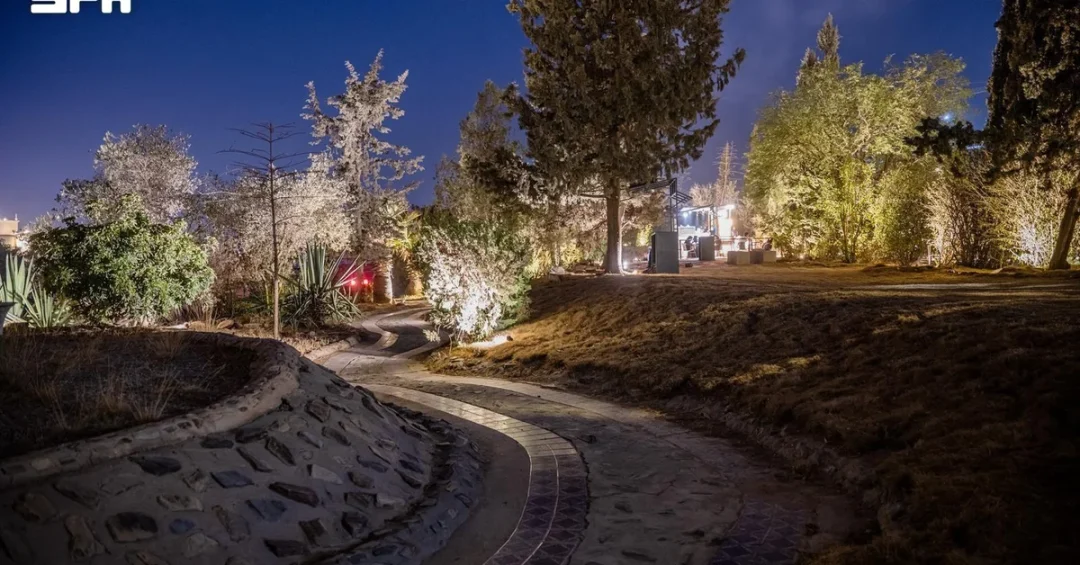
Al-Baha, August 17, 2026, SPA — The “Mirbaa” project, located near Raghadan Park in the city of Al-Baha, has been unveiled as a summer destination that combines nature, leisure, and local heritage, as part of the seasonal investment projects led by the Al-Baha Municipality.
Context and Background
The project spans over 37,000 square meters, taking advantage of the lush vegetation and temperate climate that characterize the region during the summer months. It features open spaces, illuminated walkways, and family-friendly areas designed to welcome both residents and visitors.
Al-Baha is known for its natural beauty and moderate weather, making it a popular summer retreat in the Kingdom. The municipality has been actively developing seasonal attractions to boost tourism and provide recreational opportunities for families.
Key Details
“Mirbaa” houses several restaurants, cafés, and craft workshops. These venues allow local artisans to display their creations and introduce visitors to the region’s folk heritage. The site is also adorned with murals and artworks inspired by traditional architecture, costumes, and local decorative motifs, reflecting Al-Baha’s identity and cultural history.
This initiative aligns with the municipality’s broader efforts to enhance sites around tourist destinations, create seasonal spaces for visitors, and support commercial and artisan activities during the summer season.
Implications and Impact
The development is expected to attract both domestic and international tourists, offering them an authentic cultural experience. By integrating heritage with modern amenities, “Mirbaa” serves as a model for sustainable tourism that respects local traditions while boosting the local economy.
Such projects also contribute to job creation, especially for local entrepreneurs and craftsmen, and help preserve traditional arts and crafts that are integral to Saudi Arabia’s cultural identity.
Vision 2030 Alignment
This initiative is a clear reflection of Saudi Arabia’s Vision 2030, which emphasizes the importance of developing the tourism sector, preserving cultural heritage, and creating vibrant communities. By investing in seasonal projects like “Mirbaa,” the Kingdom is taking strides toward economic diversification and enhancing the quality of life for its citizens and visitors, ultimately contributing to a thriving and sustainable future.
20 Questions
Q1. What is the “Mirbaa” project?
A1. The “Mirbaa” project is a summer destination developed by the Al-Baha Municipality, located near Raghadan Park. It combines natural attractions, leisure activities, and local heritage showcases over 37,000 square meters.
Q2. Where is the project located?
A2. It is situated in Al-Baha city, near Raghadan Park, a well-known landmark that enhances its accessibility and appeal to visitors.
Q3. When was the project announced?
A3. The project was announced on August 17, 2026, according to the Saudi Press Agency, highlighting its seasonal nature during the summer.
Q4. Who initiated the project?
A4. The Al-Baha Municipality initiated the project as part of its seasonal investment projects aimed at boosting tourism and supporting local businesses.
Q5. What are the main features of the project?
A5. The main features include open spaces, illuminated walkways, family-friendly areas, restaurants, cafés, and craft workshops. It also includes artistic murals and designs inspired by local architecture.
Q6. How large is the project area?
A6. The project covers over 37,000 square meters, providing ample space for diverse activities and ensuring a pleasant experience for visitors.
Q7. Why is Al-Baha chosen for this project?
A7. Al-Baha is known for its beautiful landscapes and mild summer climate, making it an ideal location for a summer destination that attracts tourists and offers recreational opportunities.
Q8. What is the significance of the craft workshops?
A8. The craft workshops enable local artisans to showcase their skills, preserve traditional crafts, and generate income, thereby promoting the region’s cultural heritage.
Q9. How does the project reflect local culture?
A9. The inclusion of traditional motifs, costumes, and decorative patterns in the site’s art and architecture reflects Al-Baha’s unique identity and cultural narrative.
Q10. What are the economic benefits of the project?
A10. The project supports the local economy by creating business opportunities for shops, restaurants, and artisans, attracting visitors who spend on services and regional products.
Q11. Does the project contribute to tourism in the region?
A11. Yes, by offering a new attraction, it is expected to draw both domestic and international tourists, especially during the summer, boosting the region’s tourism profile.
Q12. How does it align with Saudi Vision 2030?
A12. The project supports Vision 2030’s goals of diversifying the economy, developing the tourism sector, and enhancing cultural offerings, aligning with its focus on quality of life and community development.
Q13. What is the role of the Raghadan Park in complementing the project?
A13. Raghadan Park provides a natural green environment that complements the project’s offerings, adding to the overall appeal and making the area a prominent leisure hub.
Q14. Are there plans for seasonal events at the project?
A14. While not explicitly mentioned, the project is designed as a seasonal destination, suggesting potential for events and activities that align with summer tourism.
Q15. How are families considered in the project design?
A15. The project includes family-friendly spaces and amenities, ensuring a safe and enjoyable environment for all ages, in line with the Kingdom’s focus on social well-being.
Q16. What types of cuisine are offered at the restaurants?
A16. Although not specified, the restaurants are likely to offer a variety of local and international cuisine, catering to both residents and visitors seeking diverse dining experiences.
Q17. How does the project support local artisans?
A17. By providing workshops and spaces, the project gives artisans a platform to display and sell their work, preserving traditional crafts and encouraging entrepreneurship.
Q18. What is the expected impact on the local community?
A18. The project is expected to enhance community pride, provide recreational opportunities, and stimulate economic activity, ultimately improving the well-being of Al-Baha residents.
Q19. Are there similar projects in other Saudi cities?
A19. Saudi Arabia is implementing various such projects across the Kingdom to encourage tourism and cultural preservation, aligning with broader national strategies.
Q20. How can visitors learn about the heritage displayed?
A20. Visitors can engage through the craft workshops, observe artistic displays, and interact with artisans, offering an immersive experience into the region’s living heritage
Reader Feedback
We value your thoughts. Please share your feedback on this article.
Your feedback helps us improve our coverage.