


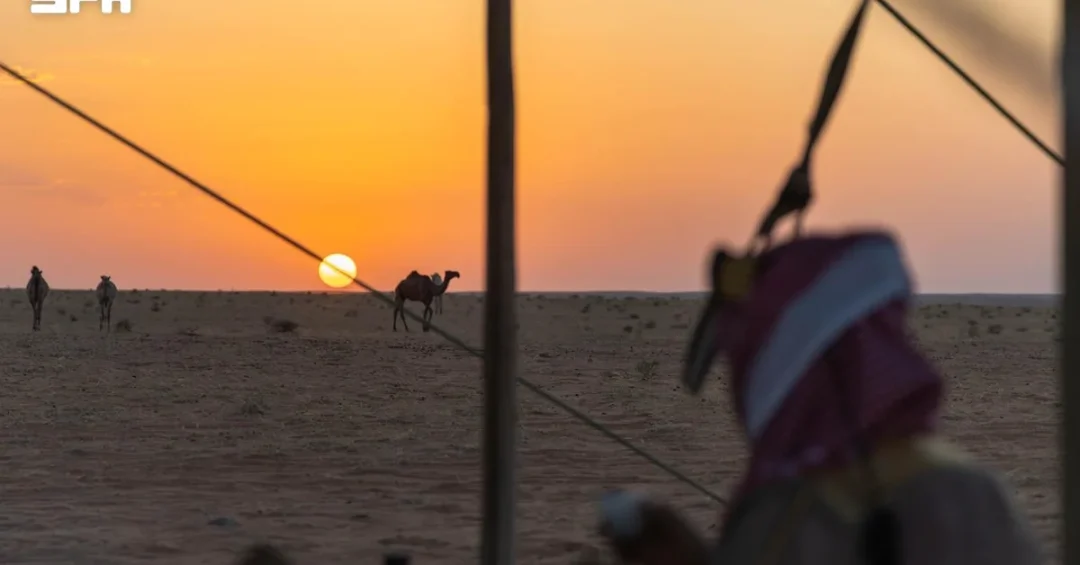
Saudi Arabia’s Northern Borders Region has become a premier winter destination, with its diverse desert landscapes and rich folk heritage drawing camping and outdoor enthusiasts from across the Kingdom and beyond, according to the Saudi Press Agency (SPA). The region’s open spaces and wilderness areas, which include plains, plateaus, and valleys, offer a unique blend of natural beauty and cultural authenticity that is increasingly appealing to domestic and international visitors seeking meaningful outdoor experiences. As winter temperatures moderate, the desert transforms into a vibrant landscape where rainwater pools and wild plants add seasonal splendor, creating ideal conditions for exploration and relaxation.
This seasonal transformation is not merely a climatic shift but a cultural and economic phenomenon. Families and friends gather in traditional desert camps, reviving age-old customs of hospitality that have defined life in the Arabian Peninsula for centuries. The Northern Borders Region, with its strategic location near the borders of Jordan and Iraq, serves as a gateway to Saudi Arabia’s northern heritage, offering a glimpse into the Kingdom’s storied past while embracing modern tourism infrastructure. The convergence of natural allure and cultural depth positions the region as a key player in Saudi Arabia’s broader tourism diversification efforts under Vision 2030.
Context and Background
What makes the Northern Borders Region uniquely suited to winter tourism? The answer lies in its geography and climate. Unlike the sweltering summers of central and eastern Saudi Arabia, the northern region experiences cooler winters, making it comfortable for outdoor activities. The landscape is characterized by expansive plains, rugged plateaus, and fertile valleys that spring to life after seasonal rains. These conditions create a temporary but spectacular display of greenery and water pools, which are a magnet for photographers and nature lovers. Historically, the region has been home to Bedouin tribes who mastered the art of desert living, developing deep knowledge of survival, hospitality, and storytelling. Their legacy is embedded in the local culture, from the preparation of Saudi coffee to the recitation of folk tales that recount the relationship between people and the desert.
The region’s winter appeal is not a new discovery; it has been a seasonal tradition for generations. However, in recent years, the Saudi government has recognized the potential of desert tourism as a pillar of economic diversification. The Saudi Press Agency report highlights how desert camps, exploration trips, and stargazing are gaining popularity, supported by improvements in infrastructure and services. This aligns with the National Tourism Strategy, which aims to increase tourism’s contribution to GDP and create jobs. The Northern Borders Region, with its authentic offerings, is well-positioned to attract both domestic travelers and international visitors interested in cultural and nature-based tourism.
Key Details
What specific activities and experiences await visitors to the Northern Borders this winter? According to the SPA, desert camps are a central feature, bringing families and friends together in traditional outdoor seating areas. Here, the ritual of preparing and serving Saudi coffee remains an integral part of hospitality, accompanied by conversations and folk tales that recall the longstanding relationship between people and the desert. Visitors can engage in a range of activities, including exploration trips across the plains and valleys, photography of the seasonal landscapes, and stargazing under clear desert skies. These experiences are not only recreational but also educational, offering insights into traditional Bedouin practices and the cultural and social heritage that reflects the region’s distinctive character.
The economic dimension is equally significant. The winter season supports commercial and service activities associated with desert trips, from camping equipment and camp preparation to hospitality and catering services. These activities generate seasonal economic opportunities for local businesses and productive families, many of whom rely on tourism for income. The SPA report notes that desert tourism is emerging as a promising area for developing tourism programs and experiences that combine exploration of natural sites with local heritage. This could include organized specialist trips, family activities, and hospitality and photography experiences, further diversifying tourism options in the Northern Borders Region. Such initiatives not only boost the local economy but also preserve and promote Saudi Arabia’s rich cultural tapestry.
International and Regional Impact
How does the Northern Borders winter tourism phenomenon resonate beyond Saudi Arabia’s borders? The region’s proximity to Jordan and Iraq makes it a potential cross-border destination, attracting travelers from neighboring countries who seek authentic desert experiences. Moreover, the global trend toward experiential travel—where tourists seek immersive, culturally rich encounters—positions the Northern Borders as an attractive option for international visitors. The Saudi Tourism Authority has been actively promoting the Kingdom’s diverse offerings, from the Red Sea coast to the ancient wonders of AlUla, and the Northern Borders adds another layer to this portfolio. By showcasing its unique winter attractions, Saudi Arabia can compete with other desert tourism destinations in the Middle East and North Africa, such as Morocco and Jordan, by emphasizing its distinct blend of natural beauty, heritage, and modern hospitality.
Regionally, the development of desert tourism in the Northern Borders can foster greater cooperation and cultural exchange. As Saudi Arabia opens up to international tourism under Vision 2030, initiatives like these help break stereotypes and present a nuanced image of the Kingdom. Visitors from around the world can witness firsthand the warmth of Saudi hospitality and the depth of its traditions. This soft power projection is invaluable for Saudi Arabia’s global standing. Furthermore, the success of winter tourism in the Northern Borders could serve as a model for other regions in the Kingdom, encouraging similar sustainable tourism projects that leverage local assets and empower communities.
Economic and Strategic Significance
What economic benefits does winter desert tourism bring to the Northern Borders Region and Saudi Arabia as a whole? The seasonal influx of visitors stimulates local businesses, from tent rentals and guide services to food vendors and artisans. Productive families, a term used in Saudi Arabia to describe small-scale, home-based enterprises often run by women, find new markets for their goods, such as handmade crafts, traditional foods, and coffee. This aligns with Vision 2030’s goal of increasing women’s participation in the workforce and supporting small and medium enterprises. Additionally, the demand for camping equipment and services creates opportunities for entrepreneurs to invest in quality gear and infrastructure, raising standards and enhancing visitor satisfaction.
Strategically, the Northern Borders Region’s tourism development contributes to the Kingdom’s broader objectives of economic diversification and regional development. By attracting tourists to less-visited areas, the government can reduce pressure on major cities and distribute economic benefits more evenly. The region’s winter season, which coincides with peak travel periods in other parts of the world, offers a unique selling point. As Saudi Arabia continues to invest in tourism infrastructure, such as airports, roads, and hospitality facilities, the Northern Borders is poised to become a year-round destination, with winter as its flagship season. This strategic focus not only boosts the local economy but also strengthens national pride and cultural preservation.
Vision 2030 Alignment
How does the Northern Borders winter tourism initiative align with Saudi Vision 2030? Vision 2030 aims to diversify the economy away from oil, with tourism as a key pillar. The National Tourism Strategy targets 100 million visits annually by 2030 and aims to increase tourism’s GDP contribution to 10%. The Northern Borders Region, with its authentic desert experiences, supports these goals by attracting domestic and international tourists, creating jobs, and empowering local communities. Moreover, the emphasis on heritage and culture aligns with Vision 2030’s focus on preserving Saudi identity while embracing modernity. By showcasing traditional Bedouin practices and hospitality, the region offers a living museum of Saudi heritage, which is essential for cultural sustainability.
In conclusion, the Northern Borders winter season is more than a seasonal attraction; it is a testament to Saudi Arabia’s ability to harness its natural and cultural assets for sustainable development. As the Kingdom continues its journey toward Vision 2030, initiatives like these will play a crucial role in shaping a vibrant, diversified economy and a society that takes pride in its heritage. The world is invited to discover the magic of the Northern Borders, where the desert blooms in winter and traditions come alive, offering an unforgettable experience that embodies the spirit of Saudi Arabia.
20 Questions
Q1. What makes the Northern Borders Region a popular winter destination?
A1. The region offers diverse desert landscapes, including plains, plateaus, and valleys, which become more scenic with seasonal rains. Its cool winter climate and rich folk heritage attract camping and outdoor enthusiasts, providing a unique blend of natural beauty and cultural authenticity.
Q2. What activities can visitors enjoy in the Northern Borders during winter?
A2. Visitors can engage in exploration trips, photography, stargazing, and learning about traditional Bedouin practices. Desert camps offer family gatherings, Saudi coffee, and folk tales, creating an immersive cultural experience that highlights the region’s distinctive character.
Q3. How does the winter season support the local economy in the Northern Borders?
A3. The season boosts commercial and service activities such as camping equipment rentals, camp preparation, hospitality, and catering. These generate seasonal economic opportunities for local businesses and productive families, contributing to income and job creation in the region.
Q4. What is the significance of desert camps in the Northern Borders?
A4. Desert camps are central to winter tourism, bringing families and friends together in traditional outdoor seating areas. They serve as venues for hospitality, where Saudi coffee and folk tales reinforce the longstanding relationship between people and the desert.
Q5. How does the Northern Borders Region align with Saudi Vision 2030?
A5. It supports Vision 2030 by diversifying tourism options, attracting domestic and international visitors, and creating economic opportunities. This aligns with the National Tourism Strategy’s goals of increasing tourism’s GDP contribution and empowering local communities.
Q6. What natural features make the Northern Borders attractive to photographers?
A6. The region’s plains, plateaus, and valleys, along with rainwater pools and wild plants after favorable weather, create stunning seasonal landscapes. These offer photography enthusiasts opportunities to capture the desert’s changing beauty and unique environmental conditions.
Q7. How does desert tourism in the Northern Borders preserve cultural heritage?
A7. By promoting traditional Bedouin practices, folk tales, and hospitality customs, desert tourism keeps these traditions alive. Visitors learn about the cultural and social heritage, ensuring that younger generations and outsiders appreciate the region’s distinctive character and history.
Q8. What role do productive families play in the Northern Borders’ winter tourism?
A8. Productive families, often small-scale home-based enterprises, provide goods and services such as handicrafts, traditional foods, and coffee. Their participation generates income and supports Vision 2030’s goal of increasing women’s workforce participation and SME growth.
Q9. How does the Northern Borders compare to other Saudi tourism destinations?
A9. Unlike coastal or historical sites like AlUla, the Northern Borders offers authentic desert experiences with a focus on winter camping and heritage. It complements other destinations by providing a unique, nature-based, and culturally immersive option for travelers.
Q10. What infrastructure developments support tourism in the Northern Borders?
A10. The Saudi government has invested in roads, airports, and hospitality facilities to improve accessibility. These developments, part of broader Vision 2030 initiatives, make it easier for visitors to reach the region and enjoy its winter attractions comfortably.
Q11. How does winter tourism in the Northern Borders contribute to Saudi Arabia’s global image?
A11. It showcases the Kingdom’s natural beauty and cultural richness, helping to diversify its global image beyond oil. International visitors experience Saudi hospitality and heritage, fostering cultural exchange and soft power, which enhances Saudi Arabia’s standing as a modern, open destination.
Q12. What are the key challenges in developing desert tourism in the Northern Borders?
A12. Challenges include ensuring sustainable practices, providing adequate infrastructure, and managing seasonal fluctuations. However, with government support and community involvement, these can be addressed to create a resilient and responsible tourism sector that benefits all stakeholders.
Q13. How can international tourists access the Northern Borders Region?
A13. International tourists can fly to major Saudi cities like Riyadh or Jeddah and then take domestic flights or drive to the Northern Borders. The region has airports and road networks, and visa reforms under Vision 2030 have made entry easier for foreign visitors.
Q14. What is the best time to visit the Northern Borders for winter activities?
A14. The winter season, typically from November to February, offers mild temperatures ideal for outdoor activities. This period coincides with seasonal rains that enhance the landscapes, making it the perfect time for camping, photography, and exploring the desert.
Q15. How does the Northern Borders Region promote sustainable tourism?
A15. Sustainable tourism is promoted through community-based initiatives, preservation of heritage, and responsible camping practices. The focus on productive families and local businesses ensures that economic benefits stay within the community, while cultural and environmental awareness is encouraged among visitors.
Q16. What types of accommodations are available for tourists in the Northern Borders?
A16. Accommodations range from traditional desert camps to modern hotels and guesthouses in cities like Arar. Desert camps offer an authentic experience with tents and outdoor seating, while hotels provide comfort and amenities for those seeking a more conventional stay.
Q17. How does the Northern Borders winter tourism support Saudi Arabia’s food security?
A17. By promoting local products and traditional foods, tourism supports agricultural and culinary traditions. Productive families and local businesses often source ingredients locally, contributing to food security and sustainable practices while offering visitors authentic culinary experiences.
Q18. What is the role of the Saudi Press Agency in promoting Northern Borders tourism?
A18. The Saudi Press Agency (SPA) disseminates official information about tourism developments, highlighting the region’s attractions and economic opportunities. Its reports help raise awareness among domestic and international audiences, supporting the Kingdom’s tourism goals.
Q19. How can visitors learn about Bedouin practices in the Northern Borders?
A19. Visitors can participate in guided tours, desert camps, and cultural events where Bedouins share their knowledge of desert survival, hospitality, and storytelling. These interactions provide authentic insights into the traditions that have shaped the region for generations.
Q20. What future developments are planned for tourism in the Northern Borders?
A20. Future plans include expanding tourism programs, improving infrastructure, and developing specialized experiences like photography tours and heritage festivals. These efforts aim to attract more visitors, create jobs, and further integrate the region into Saudi Arabia’s Vision 2030 tourism strategy.
Reader Feedback
We value your thoughts. Please share your feedback on this article.
Your feedback helps us improve our coverage.
Related articles
 Clouds Paint Striking Scenes over Taif
 Makkah Region Islands Reveal Natural Art in Blue Waters
 Wadi Tafsha: Jazan’s Ecotourism Gem
 Tourism Minister Launches Northern Trail Identity
 Fog Walkway in Abha Draws Visitors with Winter-Like Charm
 Golfi at SEVEN Abha Offers 12-Hole Interactive Mini-Golf Experience