


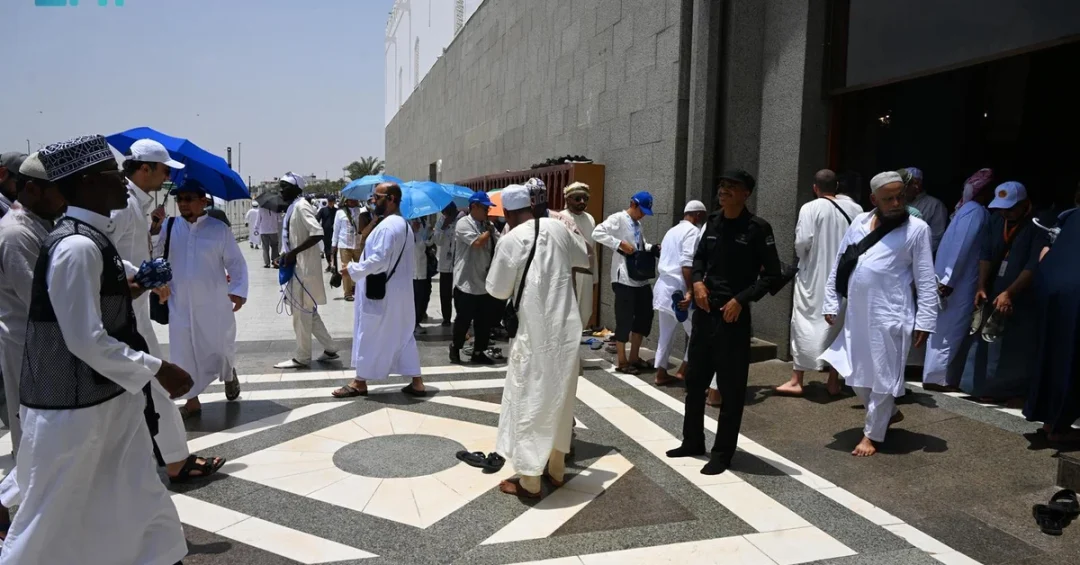
Following the completion of Hajj rituals, a large number of pilgrims are traveling to Madinah to visit the Prophet’s Mosque and other historically significant sites, including the Quba Mosque, the first mosque established by the Prophet Mohammed (PBUH). The Saudi Press Agency (SPA) reported scenes of pilgrims entering the Quba Mosque for prayers, underscoring the deep spiritual connection many feel to this sacred place. The Madinah Region Development Authority has implemented a comprehensive system of services to ensure security, safety, and comfort for all worshippers and visitors.
Context and Background
The Quba Mosque holds a unique place in Islamic history as the first mosque built by the Prophet Mohammed (PBUH) after his migration to Madinah. It is located approximately three kilometers from the Prophet’s Mosque and is a key destination for pilgrims seeking to follow in the footsteps of the Prophet. Visiting Quba Mosque is considered a highly recommended act of worship, and many pilgrims make it a point to pray there after completing Hajj. The mosque has undergone several expansions over the centuries, most recently under the Saudi leadership, to accommodate the growing number of visitors.
The Madinah Region Development Authority, in coordination with other government agencies, has deployed a wide range of services to manage the influx of pilgrims. These include crowd management, health care, transportation, and sanitation services, all aimed at ensuring a smooth and spiritually fulfilling experience for visitors. The authority’s efforts reflect the Kingdom’s commitment to serving the guests of God and facilitating their religious journeys.
Key Details
According to the Saudi Press Agency, the scenes at Quba Mosque show pilgrims from diverse backgrounds entering the mosque for prayers, often in groups. The mosque’s administration has organized entry and exit points to prevent overcrowding and ensure safety. Additional prayer areas have been set up to accommodate the increased number of worshippers during this period.
The Madinah Region Development Authority has also implemented a comprehensive system that includes around-the-clock maintenance, security patrols, and medical teams stationed near the mosque. Public transportation has been enhanced to facilitate movement between the Prophet’s Mosque, Quba Mosque, and other historical sites. These measures are part of a broader plan to handle the post-Hajj season, which sees a significant surge in visitors to Madinah.
Pilgrims interviewed by SPA expressed their joy and gratitude for the services provided, noting the ease with which they could perform their prayers and visit the historical landmarks. Many emphasized the spiritual significance of praying at Quba Mosque, citing the Prophet’s tradition of visiting the mosque and offering prayers there.
Implications and Impact
The influx of pilgrims to Madinah after Hajj has significant economic and social implications for the region. Local businesses, including hotels, restaurants, and shops, benefit from the increased foot traffic. The hospitality sector often sees high occupancy rates during this period, contributing to the local economy and creating temporary job opportunities.
Moreover, the successful management of the post-Hajj season enhances Saudi Arabia’s reputation as a capable and gracious host for millions of pilgrims from around the world. It showcases the Kingdom’s logistical expertise and its commitment to Vision 2030 goals of enhancing the pilgrimage experience and increasing the number of Umrah and Hajj pilgrims. The seamless operations also reinforce the Kingdom’s role as the guardian of Islam’s holiest sites and its dedication to serving all Muslims.
On a broader scale, the positive experiences of pilgrims translate into goodwill and strengthened ties between Saudi Arabia and other nations. Pilgrims return to their home countries with a favorable impression of the Kingdom, often sharing their experiences with friends and family, which can boost tourism and cultural exchange in the long term.
Vision 2030 Alignment
The development and management of pilgrimage sites like Quba Mosque are integral to Saudi Arabia’s Vision 2030, which aims to diversify the economy and enhance the quality of services for pilgrims. The Vision emphasizes the importance of providing a world-class experience for Hajj and Umrah pilgrims, increasing the capacity to accommodate more visitors, and improving infrastructure. Through the efforts of the Madinah Region Development Authority and other entities, the Kingdom continues to demonstrate its unwavering commitment to serving Islam and Muslims worldwide, while also leveraging these religious events to drive economic growth and international engagement. As the Kingdom progresses toward its Vision 2030 goals, the seamless facilitation of pilgrims at Quba Mosque and other holy sites remains a top priority, reflecting Saudi Arabia’s enduring dedication to its sacred responsibilities.
20 Questions
Q1. What is the Quba Mosque and why is it significant?
A1. The Quba Mosque is the first mosque established by the Prophet Mohammed (PBUH) after his migration to Madinah. It holds immense historical and spiritual significance for Muslims, as praying there is considered a highly recommended act of worship.
Q2. Where is the Quba Mosque located?
A2. The Quba Mosque is located in Madinah, approximately three kilometers from the Prophet’s Mosque. It is easily accessible and is a key destination for pilgrims visiting the city.
Q3. Why do pilgrims visit Quba Mosque after Hajj?
A3. Pilgrims visit Quba Mosque after Hajj to follow the tradition of the Prophet Mohammed (PBUH) and to pray in the first mosque in Islamic history. It is a deeply spiritual experience for many.
Q4. What services has the Madinah Region Development Authority implemented for pilgrims?
A4. The authority has implemented a comprehensive system including crowd management, health care, transportation, sanitation, security patrols, and extended prayer areas to ensure the safety and comfort of worshippers and visitors at Quba Mosque and other sites.
Q5. How does the Kingdom ensure safety at Quba Mosque during peak times?
A5. The Kingdom ensures safety through organized entry and exit points, round-the-clock security patrols, medical teams, and additional prayer areas. These measures prevent overcrowding and facilitate a smooth experience for all visitors.
Q6. What is the spiritual reward for praying at Quba Mosque?
A6. According to Islamic tradition, praying two rak’ahs at Quba Mosque carries the reward of an Umrah. This makes it a highly desirable act of worship for pilgrims and visitors to Madinah.
Q7. How has the Saudi leadership contributed to the preservation of Quba Mosque?
A7. The Saudi leadership has overseen several expansions and renovations of Quba Mosque, including increasing its capacity and improving facilities to accommodate the growing number of worshippers, ensuring its preservation as a historical and religious landmark.
Q8. What economic impact does post-Hajj pilgrimage have on Madinah?
A8. The influx of pilgrims boosts local businesses such as hotels, restaurants, and shops, creating temporary jobs and contributing to the region’s economy. It also supports the broader goal of economic diversification under Vision 2030.
Q9. How does the pilgrimage experience align with Vision 2030?
A9. Vision 2030 aims to enhance the pilgrimage experience by improving infrastructure, increasing capacity, and providing world-class services. The seamless management of post-Hajj visits to Quba Mosque reflects these goals and supports economic growth.
Q10. Are there other historical mosques in Madinah that pilgrims visit?
A10. Yes, other historical mosques include the Qiblatain Mosque, the Seven Mosques, and the Prophet’s Mosque. Each has its own historical significance and is visited by pilgrims seeking to learn about early Islamic history.
Q11. What transportation options are available for pilgrims traveling to Quba Mosque?
A11. Pilgrims can use buses, taxis, and ride-sharing services. The Madinah Region Development Authority has enhanced public transportation routes to facilitate easy movement between the Prophet’s Mosque, Quba Mosque, and other sites.
Q12. How does the Kingdom handle the health and medical needs of pilgrims?
A12. Medical teams are stationed near Quba Mosque and other key locations, providing emergency care and health services. Hospitals in Madinah are also prepared to handle any medical needs during the pilgrimage season.
Q13. What is the role of the Saudi Press Agency in reporting on pilgrimage activities?
A13. The Saudi Press Agency (SPA) provides official coverage of pilgrimage activities, documenting the services and experiences of pilgrims. It serves as a reliable source of information for local and international audiences.
Q14. How does the Kingdom ensure cleanliness and sanitation at Quba Mosque?
A14. The Madinah Region Development Authority has deployed cleaning crews that work around the clock to maintain hygiene at Quba Mosque and its surroundings, ensuring a clean and comfortable environment for worshippers.
Q15. What are the recommended etiquettes for visiting Quba Mosque?
A15. Visitors should dress modestly, maintain cleanliness, and show respect for the sacred site. It is recommended to pray two rak’ahs upon entering and to avoid crowding or loud conversations.
Q16. How does the visit to Quba Mosque reflect the unity of Muslims?
A16. The visit to Quba Mosque brings together Muslims from diverse backgrounds, united in their faith and devotion. It symbolizes the universal brotherhood of Islam and the shared spiritual journey of pilgrims.
Q17. What role do local volunteers play during the pilgrimage season?
A17. Local volunteers assist in guiding pilgrims, providing information, and supporting services such as crowd management and translation. Their efforts contribute to a welcoming and organized experience for visitors.
Q18. How has technology been used to improve the pilgrimage experience?
A18. Technology such as smart apps, digital guides, and real-time crowd management systems help pilgrims navigate sites, find services, and stay informed. These innovations enhance safety and convenience during their visit.
Q19. What is the significance of Madinah in Islam?
A19. Madinah is the second holiest city in Islam, home to the Prophet’s Mosque and many historical sites. It played a pivotal role in early Islamic history and remains a center of spiritual learning and devotion.
Q20. How can pilgrims prepare for their visit to Quba Mosque?
A20. Pilgrims should plan their visit outside peak hours, wear comfortable clothing, and carry necessary items like water and sunscreen. Learning about the mosque’s history enhances the spiritual experience and understanding of its significance.
Reader Feedback
We value your thoughts. Please share your feedback on this article.
Your feedback helps us improve our coverage.