


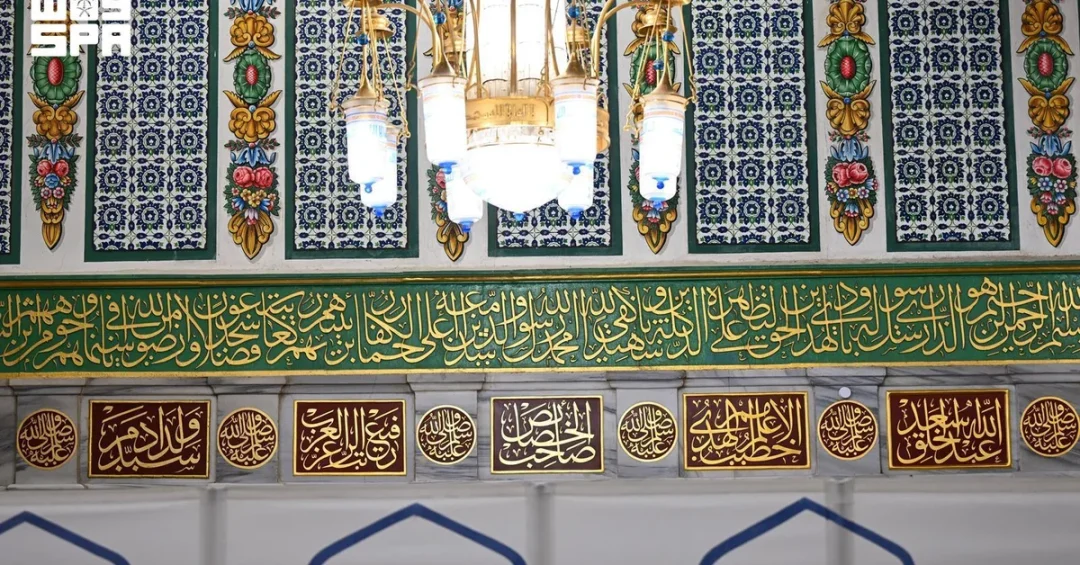
The Prophet’s Mosque in Madinah stands as an unparalleled architectural masterpiece that seamlessly blends Islamic heritage with the splendor of design, showcasing the beauty of Islamic art and precision craftsmanship throughout its vast complex, as reported by the Saudi Press Agency (SPA). This iconic site, revered by Muslims worldwide, reflects the Kingdom of Saudi Arabia’s unwavering commitment to preserving its religious and cultural legacy while accommodating the growing number of pilgrims and visitors.
Context and Background
The Prophet’s Mosque, known as Al-Masjid an-Nabawi, is the second holiest site in Islam and has been a focal point of spiritual and architectural development since its establishment in the 7th century. Under the leadership of the Custodian of the Two Holy Mosques, King Salman bin Abdulaziz Al Saud, and the guidance of Crown Prince Mohammed bin Salman, the Kingdom has undertaken extensive expansion projects to enhance the mosque’s capacity and facilities. These efforts are part of Saudi Arabia’s broader mission to serve the millions of pilgrims who visit Madinah annually, ensuring their experience is both spiritually fulfilling and comfortable.
Architectural Splendor and Key Details
The mosque’s design is a testament to the fusion of traditional Islamic aesthetics and modern engineering. Ornately decorated movable domes, adorned with intricate geometric patterns, draw the eye upward, while the historic minarets reflect the successive phases of expansion that have shaped the site over the decades. Across its arcades and courtyards, finely detailed Islamic motifs reveal a high level of artistic craftsmanship, and gilded chandeliers further enhance the grandeur of the setting. Every detail has been carefully considered and meticulously executed, highlighting the Kingdom’s dedication to excellence.
The mosque’s giant gates underscore the scale of the Kingdom’s expansion projects, which have significantly increased capacity to accommodate growing numbers of visitors. Outside, the iconic giant umbrellas shade the courtyards, providing a comfortable environment for worshippers. These umbrellas combine aesthetic appeal with practical function, enriching the visitor experience throughout the Prophet’s Mosque. The integration of such features demonstrates Saudi Arabia’s commitment to innovation while honoring Islamic traditions.
Implications and Impact
The ongoing enhancements to the Prophet’s Mosque have far-reaching implications for pilgrims and the global Muslim community. By increasing capacity and improving facilities, Saudi Arabia ensures that more worshippers can perform their religious duties with ease and dignity. This not only supports the spiritual needs of millions but also boosts the local economy in Madinah through increased tourism and hospitality services. Moreover, the mosque serves as a symbol of Islamic unity, welcoming visitors from diverse backgrounds and fostering a sense of brotherhood. The Kingdom’s efforts align with its role as a global leader in serving Islam and Muslims, reinforcing its position as a trusted steward of the holy sites.
Vision 2030 Alignment
The development of the Prophet’s Mosque is a key component of Saudi Arabia’s Vision 2030, which aims to diversify the economy, enhance quality of life, and promote cultural heritage. By investing in religious infrastructure, the Kingdom not only facilitates pilgrimage but also creates opportunities for economic growth and cultural exchange. These projects reflect the visionary leadership of Crown Prince Mohammed bin Salman, who has prioritized the preservation and enhancement of Islamic heritage as part of the nation’s modernization journey. As Saudi Arabia continues to welcome the world, the Prophet’s Mosque stands as a beacon of faith, innovation, and hospitality, embodying the spirit of Vision 2030 and the Kingdom’s enduring commitment to its sacred duties.
20 Questions
Q1. What is the significance of the Prophet’s Mosque in Islam?
A1. The Prophet’s Mosque is the second holiest site in Islam, after the Grand Mosque in Makkah. It is where the Prophet Muhammad (peace be upon him) is buried and serves as a major destination for pilgrims. It holds immense spiritual value and represents a key part of Islamic history and heritage.
Q2. Where is the Prophet’s Mosque located?
A2. The Prophet’s Mosque is located in the city of Madinah, in the western region of Saudi Arabia. It is a central landmark in the city and attracts millions of visitors annually from around the world.
Q3. What architectural features make the Prophet’s Mosque unique?
A3. The mosque features ornately decorated movable domes, historic minarets, finely detailed Islamic motifs, gilded chandeliers, and giant gates. These elements combine traditional Islamic art with modern engineering, creating a masterpiece of design and functionality that enhances the spiritual experience.
Q4. How has Saudi Arabia contributed to the expansion of the Prophet’s Mosque?
A4. Under the leadership of King Salman and Crown Prince Mohammed bin Salman, Saudi Arabia has undertaken extensive expansion projects to increase the mosque’s capacity and improve facilities. These projects include additional prayer areas, modern amenities, and enhanced accessibility for pilgrims, reflecting the Kingdom’s dedication to serving Islam.
Q5. What are the giant umbrellas in the courtyards?
A5. The giant umbrellas are iconic shading structures that provide comfort for worshippers in the courtyards of the Prophet’s Mosque. They combine aesthetic appeal with practical function, protecting visitors from the sun and enhancing the overall experience.
Q6. How do the movable domes enhance the mosque’s design?
A6. The movable domes are intricately decorated with geometric patterns and can be adjusted to regulate temperature and lighting. They add to the mosque’s visual splendor and reflect the high level of craftsmanship involved in its construction.
Q7. What is the role of the Saudi Press Agency in reporting on the Prophet’s Mosque?
A7. The Saudi Press Agency (SPA) is the official news agency of Saudi Arabia, providing accurate and timely information about developments related to the Prophet’s Mosque. It serves as a reliable source for both domestic and international audiences.
Q8. How does the expansion of the Prophet’s Mosque align with Vision 2030?
A8. The expansion aligns with Vision 2030 by enhancing religious tourism, creating economic opportunities, and preserving cultural heritage. It supports the Kingdom’s goals of diversifying the economy and improving the quality of life for citizens and visitors.
Q9. What is the historical background of the Prophet’s Mosque?
A9. The mosque was originally built by the Prophet Muhammad (peace be upon him) in 622 CE. It has undergone numerous expansions over the centuries, with significant developments during the Saudi era to accommodate the growing number of pilgrims.
Q10. How many pilgrims visit the Prophet’s Mosque annually?
A10. Millions of pilgrims visit the Prophet’s Mosque each year, especially during the Hajj and Umrah seasons. The exact number varies, but the Saudi government continuously works to increase capacity and improve services.
Q11. What are the minarets of the Prophet’s Mosque?
A11. The minarets are tall, slender towers from which the call to prayer is made. They reflect different architectural styles from various expansion periods, adding to the mosque’s historical and aesthetic value.
Q12. How does the mosque accommodate visitors with disabilities?
A12. The mosque is equipped with ramps, elevators, and designated areas to ensure accessibility for all visitors. Saudi Arabia prioritizes inclusivity, making it easier for elderly and disabled pilgrims to perform their religious duties.
Q13. What is the significance of the gilded chandeliers?
A13. The gilded chandeliers are decorative lighting fixtures that add grandeur to the mosque’s interior. They are meticulously crafted and contribute to the serene and majestic atmosphere, enhancing the spiritual experience for worshippers.
Q14. How does the mosque handle crowd management during peak times?
A14. Saudi authorities implement advanced crowd management systems, including designated entry and exit points, real-time monitoring, and trained personnel. These measures ensure the safety and comfort of all visitors during busy periods.
Q15. What are the Islamic motifs found in the mosque?
A15. The Islamic motifs are intricate geometric and floral patterns that adorn the walls, arches, and domes. They represent the rich artistic heritage of Islamic civilization and are executed with precision by skilled artisans.
Q16. How does the Prophet’s Mosque contribute to the local economy?
A16. The mosque attracts millions of pilgrims, boosting local businesses such as hotels, restaurants, and shops. It creates jobs and stimulates economic growth in Madinah, supporting the Kingdom’s economic diversification efforts.
Q17. What technology is used in the expansion projects?
A17. The expansion projects utilize modern construction techniques, smart lighting, and climate control systems. These technologies enhance energy efficiency and improve the overall experience for visitors while preserving the mosque’s historical character.
Q18. What is the significance of the mosque’s giant gates?
A18. The giant gates are monumental entrances that symbolize the grandeur of the mosque and facilitate the flow of pilgrims. They are designed to handle large crowds and reflect the scale of Saudi Arabia’s expansion efforts.
Q19. How does the Kingdom ensure the preservation of the mosque’s heritage?
A19. Saudi Arabia employs experts in restoration and conservation to maintain the mosque’s historical and architectural integrity. Regular maintenance and careful planning ensure that any modern additions respect the original design and Islamic principles.
Q20. What message does the Prophet’s Mosque convey to the world?
A20. The Prophet’s Mosque conveys a message of peace, unity, and devotion. It stands as a testament to Saudi Arabia’s commitment to serving Islam and welcoming pilgrims from all nations, reflecting the Kingdom’s role as a global leader in religious and cultural stewardship.
Reader Feedback
We value your thoughts. Please share your feedback on this article.
Your feedback helps us improve our coverage.
Related articles
 Al Mashaaer Al Muqaddasah Metro Moves 314,000 Pilgrims
 Makkah Police Arrest Resident for Fraudulent Hajj Packages Online
 Pilgrims Arrive at Jeddah Airport for Hajj 1445
 Makkah Chamber Expedites Licensing for Hajj Hospitality
 Aseer Rain Draws Tourists to Scenic Beauty
 Diriyah Gate Authority Showcases Heritage at UN Urban Forum