


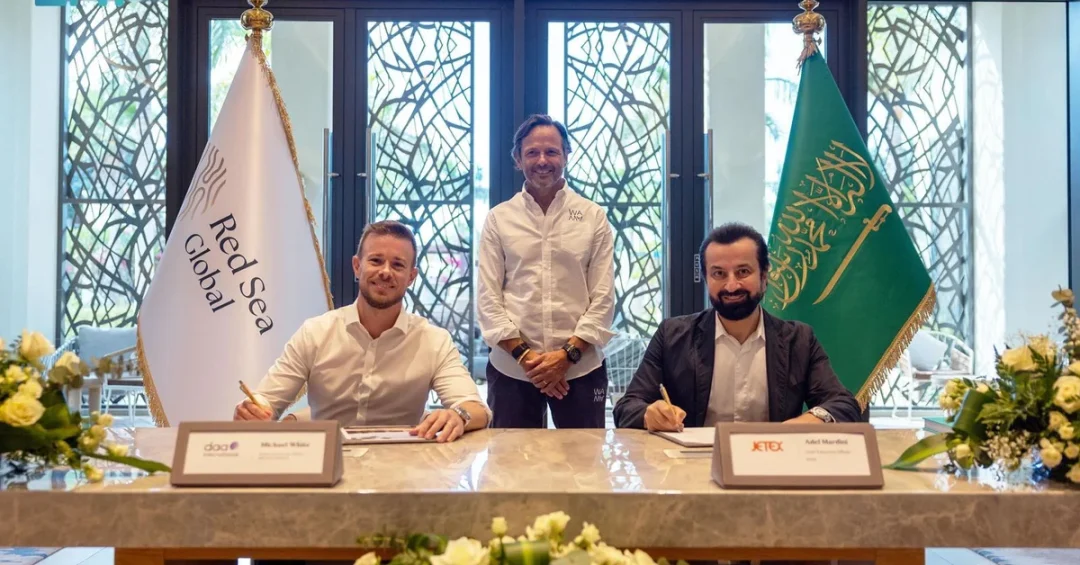
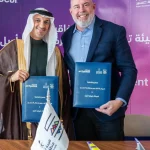
Red Sea Global (RSG) has signed an aviation agreement under which Jetex will operate the private aviation terminal at Red Sea International Airport (RSI), a landmark step in the development of Saudi Arabia’s western coast as a world-class luxury travel destination. The collaboration was formalized between Jetex, the Dubai-based global private aviation and travel services specialist, and daa International, the operator of RSI, according to information released through official Saudi channels and reported by the Saudi Press Agency (SPA). The agreement marks a new chapter in premium aviation services at the airport, which serves The Red Sea, one of the Kingdom’s flagship regenerative tourism destinations.
The announcement, dated December 9, 2024, reflects the accelerating maturation of RSI as a fully fledged gateway for international visitors. Since opening for domestic flights in September 2023, the airport has steadily expanded its operations, adding international service in April 2024 with a twice-weekly route linking The Red Sea with Dubai International. Bringing Jetex into the private aviation terminal is designed to ensure that every tier of traveler — from scheduled passengers to private jet clients — encounters the same standards of design, hospitality, and environmental responsibility that define the wider destination. Is it any wonder that global aviation and hospitality leaders are watching this airport so closely?
Context and Background
What does it take to build an airport that feels less like a transit hub and more like a destination in its own right? Red Sea International Airport was conceived from the outset as an integral part of The Red Sea project, a destination spanning a vast stretch of Saudi Arabia’s northwestern coast and developed by Red Sea Global, the company wholly owned by the Public Investment Fund (PIF). The airport was designed to blend contemporary architecture with the surrounding desert and coastal landscape, and its operating model places a premium on passenger experience and environmental performance rather than sheer volume alone.
Red Sea Global is the developer behind The Red Sea and Amaala destinations, both central to the Kingdom’s efforts to diversify its economy and grow tourism’s contribution to gross domestic product. John Pagano, Group CEO of Red Sea Global, has consistently framed the airport as a statement of intent. “With RSI, we were determined to create an airport that seamlessly blends beautiful design, exceptional experiences, and a commitment to honoring nature,” he said. “Soon, every passenger transiting through our airport will experience this firsthand. With Jetex onboard, guests using our private aviation terminal will also experience elevated levels of service that reflect the very best of The Red Sea destination.”
daa International, the operator of RSI, brings deep experience in managing complex airport environments, while Jetex has built a global reputation for private aviation services, including fixed-base operations, ground handling, and luxury travel concierge services. The combination is intended to give RSI a private aviation offering that matches its ambition as a luxury gateway. How many airports in the region can claim a comparable alignment of developer, operator, and service partner around a single destination vision?
Key Details of the Agreement
Under the agreement, Jetex will assume responsibility for operating the private aviation terminal at RSI, extending the airport’s service spectrum beyond scheduled commercial flights. The private terminal is expected to serve owners and operators of private aircraft, charter clients, and high-net-worth travelers visiting The Red Sea’s growing collection of resorts and experiences. The partnership was formalized with daa International, which oversees RSI’s day-to-day operations, ensuring a coordinated approach between scheduled and private aviation services under one roof.
The timing is significant. RSI began domestic operations in September 2023 and launched international flights in April 2024 with a twice-weekly service between The Red Sea and Dubai International. Each phase has added capacity and connectivity in step with the opening of resorts and attractions at the destination. The private aviation terminal adds another layer, catering to a segment of travelers for whom flexibility, privacy, and seamless ground transfers are essential. Could a destination of this scale truly reach its potential without a dedicated private aviation gateway?
Jetex’s role will include the delivery of elevated service standards that reflect the character of The Red Sea, according to the announcement. That means the private terminal experience is expected to mirror the broader destination ethos: refined design, attentive hospitality, and a commitment to environmental stewardship. For RSG, the agreement is also a signal to the international market that RSI is ready to handle the full range of aviation demand associated with a premier resort destination.
International and Regional Impact
How does a single aviation agreement ripple across an entire region’s travel map? The addition of a professionally operated private aviation terminal strengthens RSI’s position within the competitive landscape of Red Sea and wider Middle East luxury travel. Dubai, long established as a hub for private aviation, is now connected to The Red Sea through scheduled service, and the new terminal makes the onward journey for private aircraft owners and charter operators more attractive. The agreement effectively links two of the region’s most dynamic aviation markets through a single, high-standard service proposition.
For international travelers, particularly those from Europe, Asia, and North America, the private terminal reduces friction in reaching a destination that is deliberately remote and pristine. The Red Sea destination is designed around islands, desert landscapes, and marine environments, and its appeal depends on preserving that sense of seclusion. A private aviation gateway allows visitors to arrive on their own schedules while still entering through a facility that meets global expectations for luxury and efficiency. Does that not make the destination more accessible without compromising what makes it special?
Economic and Strategic Significance
What does a private jet terminal contribute to a national economy beyond the tarmac? Aviation connectivity is a proven driver of tourism revenue, foreign investment, and job creation. By expanding RSI’s capabilities, the agreement supports the broader economic ecosystem around The Red Sea, including hospitality, retail, marine activities, and real estate. Private aviation clients often stay longer and spend more across a destination, and their presence can accelerate the maturation of high-end services that benefit all visitors. The agreement therefore has implications that extend well beyond the airport perimeter.
Strategically, the partnership reinforces Saudi Arabia’s position as a serious player in global luxury travel and aviation services. Red Sea Global’s destinations are central to the Kingdom’s tourism ambitions, and every operational milestone — from resort openings to airline routes to private terminal services — builds credibility with international partners and travelers. The involvement of a specialist operator like Jetex, working alongside daa International, demonstrates the kind of public-private collaboration that turns large-scale development visions into functioning realities. Could there be a clearer example of Vision 2030 translating into tangible infrastructure?
Vision 2030 Alignment
How does an airport terminal connect to a national transformation strategy? Saudi Vision 2030 seeks to diversify the economy away from oil dependence, expand the private sector, and raise tourism’s contribution to gross domestic product. The Red Sea destination and its supporting infrastructure, including RSI, are direct expressions of those goals. Red Sea Global, as a PIF-owned developer, is tasked with delivering regenerative tourism at scale, and the airport is the front door to that experience. The Jetex agreement ensures that front door opens for every category of international visitor.
The partnership also advances the wider ambition to position Saudi Arabia as a global destination for leisure, business, and premium travel. By aligning airport operations, destination design, and luxury service standards, RSG and its partners are building an integrated offer that few destinations can match. As RSI’s flight schedule grows and The Red Sea’s resorts continue to open, the private aviation terminal will serve as both a practical facility and a symbol of the Kingdom’s commitment to excellence. In the years ahead, the airport on Saudi Arabia’s western coast is poised to become one of the most distinctive gateways in the world — and agreements like this one are how that future is built.
20 Questions
Q1. What agreement has Red Sea Global announced?
A1. Red Sea Global announced an aviation agreement under which Jetex will operate the private aviation terminal at Red Sea International Airport, formalized with daa International, the airport’s operator, according to official Saudi information.
Q2. Who is Jetex?
A2. Jetex is a global private aviation and travel services company known for fixed-base operations, ground handling, and luxury concierge services. It will bring its specialized expertise to the private terminal at Red Sea International Airport.
Q3. What is daa International’s role at the airport?
A3. daa International is the operator of Red Sea International Airport. It formalized the agreement with Jetex and oversees the airport’s day-to-day operations, including coordination between scheduled and private aviation services.
Q4. When did Red Sea International Airport begin domestic flights?
A4. Red Sea International Airport has maintained a regular schedule of domestic flights since September 2023, marking the start of commercial operations at the facility on Saudi Arabia’s western coast.
Q5. When did international flights start at the airport?
A5. International flights began in April 2024 with a twice-weekly route between The Red Sea and Dubai International, expanding the airport’s connectivity beyond domestic destinations.
Q6. What did John Pagano say about the airport?
A6. John Pagano, Group CEO of Red Sea Global, said the aim was to create an airport blending beautiful design, exceptional experiences, and a commitment to honoring nature, with Jetex elevating service at the private aviation terminal.
Q7. Why is a private aviation terminal important for The Red Sea destination?
A7. A private aviation terminal gives high-net-worth travelers and charter clients flexible, private access to the destination, complementing scheduled flights and ensuring every visitor tier receives a premium arrival experience.
Q8. How does this agreement support Saudi Vision 2030?
A8. It supports Vision 2030 by expanding tourism infrastructure, attracting international visitors, creating economic activity, and advancing the diversification of Saudi Arabia’s economy away from oil dependence.
Q9. What is Red Sea Global?
A9. Red Sea Global is the developer behind The Red Sea and Amaala destinations. It is wholly owned by the Public Investment Fund and is a key driver of Saudi Arabia’s regenerative tourism ambitions.
Q10. Where is Red Sea International Airport located?
A10. Red Sea International Airport is located on Saudi Arabia’s western coast, serving The Red Sea destination in the Tabuk region and acting as the primary gateway for visitors to the area.
Q11. What does the private aviation terminal offer travelers?
A11. The private aviation terminal offers a dedicated facility for private aircraft owners, charter clients, and premium travelers, with elevated service standards reflecting the luxury character of The Red Sea destination.
Q12. How does the agreement benefit regional aviation?
A12. It strengthens links between Saudi Arabia’s Red Sea coast and established aviation markets such as Dubai, enhancing regional connectivity and raising service standards for private aviation across the Middle East.
Q13. What destinations does Red Sea Global develop?
A13. Red Sea Global develops The Red Sea and Amaala destinations, both located on Saudi Arabia’s northwestern coast and designed around regenerative tourism, luxury hospitality, and environmental stewardship.
Q14. Why is the December 2024 announcement significant?
A14. The announcement marks another operational milestone for Red Sea International Airport, showing steady progress from domestic flights to international routes and now specialized private aviation services.
Q15. How does private aviation complement scheduled flights?
A15. Private aviation serves travelers seeking flexibility, privacy, and tailored schedules, while scheduled flights provide broader connectivity. Together they cover the full spectrum of visitor needs at the destination.
Q16. What standards will Jetex bring to the terminal?
A16. Jetex is expected to deliver elevated service standards consistent with The Red Sea destination’s emphasis on refined design, attentive hospitality, and environmental responsibility, according to the official announcement.
Q17. How does the airport reflect environmental commitments?
A17. Red Sea International Airport was designed to honor nature, aligning with Red Sea Global’s regenerative tourism approach, which seeks to protect and enhance the natural environment surrounding the destination.
Q18. What economic benefits can the agreement generate?
A18. The agreement can boost tourism revenue, support hospitality and service jobs, attract high-value visitors, and strengthen the broader economic ecosystem around The Red Sea destination and the Tabuk region.
Q19. Who owns Red Sea Global?
A19. Red Sea Global is wholly owned by the Public Investment Fund, Saudi Arabia’s sovereign wealth fund, which backs major projects tied to the Kingdom’s economic diversification strategy.
Q20. What does this mean for the future of Red Sea International Airport?
A20. It positions the airport as a comprehensive gateway capable of serving scheduled and private aviation, supporting the growth of The Red Sea destination and Saudi Arabia’s broader tourism ambitions under Vision 2030.
Reader Feedback
We value your thoughts. Please share your feedback on this article.
Your feedback helps us improve our coverage.
Related articles
 Madinah Ranks Among World’s Top 100 City Destinations
 Cruise Saudi Launches Inaugural Ship AROYA at Jeddah Port
 PIF Launches Adeera to Build Saudi Hotel Brands
 Madinah Ranks First Among Saudi Cities in Global Tourism Index
 Red Sea Global Opens Bookings for Desert Rock Resort
 Aseer Authority, flyadeal Sign MoU to Boost Air Services