


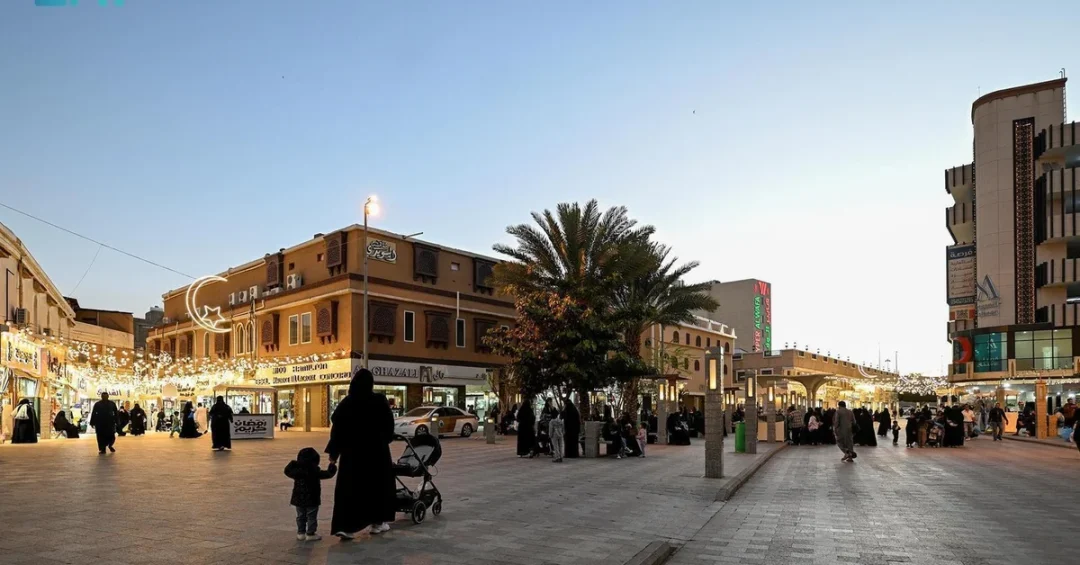
Taif’s historic squares, a heritage destination nearly 290 years old, are welcoming families and international tourists this Ramadan with a distinctive blend of cultural traditions, popular cuisine, and community gatherings, according to the Saudi Press Agency. The squares of the historic area in Taif, a city in the Makkah Province known for its cool climate and rich heritage, have become a focal point for evening socializing during the holy month, offering visitors a chance to experience authentic Saudi hospitality and centuries-old customs in a festive atmosphere. Local youth serve traditional Ramadan beverages and delicacies such as balila and kabdah at stalls lining the squares, while sports programs, cultural events, and traditional games animate the market’s edges. Have you ever wondered how a place can preserve nearly three centuries of history while still feeling alive and welcoming to every visitor?
The annual transformation of Taif’s historic squares reflects the Kingdom’s broader commitment to celebrating its cultural identity while opening its doors to the world. Families and individuals gather nightly after iftar to enjoy companionship, leisure, and the cool evening air, creating a vibrant social tapestry that has endured for generations. The squares are not merely a tourist attraction; they are a living community hub where heritage and modern life intersect. This Ramadan, the area has drawn both domestic visitors and international guests eager to experience a Ramadan unlike any other, set against the backdrop of Taif’s historic architecture and traditional market atmosphere. The Saudi Press Agency reported that the squares offer a unique setting for visitors and tourists during the holy month, underscoring the city’s role as a premier cultural destination.
Context and Background: A Heritage Spanning Nearly Three Centuries
What gives Taif’s historic squares their enduring appeal across nearly 290 years of continuous use? The answer lies in their layered history and their central place in the social life of the city. Taif, often called the City of Roses, has long been a summer retreat for residents of the Arabian Peninsula, prized for its moderate climate and fertile valleys. Its historic squares emerged as commercial and social meeting points, where traders, pilgrims, and locals converged. Over the centuries, these spaces have hosted markets, celebrations, and communal gatherings, adapting to the rhythms of each era while retaining their essential character as places of connection. The Ramadan traditions observed today are a direct continuation of customs passed down through generations, with families claiming favorite spots and vendors returning year after year.
The nearly 290-year heritage of these squares is a testament to the continuity of Saudi cultural traditions. Unlike many heritage sites that become museums, Taif’s squares remain functional public spaces, actively used and cherished by the community. This living heritage is central to the Kingdom’s approach to cultural preservation, which emphasizes keeping traditions alive rather than frozen in time. The squares host a range of activities during Ramadan, from sports programs that engage young people to cultural events that showcase local arts and crafts. Traditional games along the market’s edges invite participation from children and adults alike, fostering intergenerational bonds. For international visitors, this offers a rare glimpse into authentic Saudi social life, far removed from staged performances. The Saudi Press Agency noted that the squares serve as a community hub where families and individuals gather for companionship, leisure, and evening socializing, a description that captures their dual role as both heritage asset and living social space.
The historical significance of Taif itself adds depth to the experience. The city has been a crossroads of trade and culture for millennia, and its historic squares reflect this cosmopolitan past. During Ramadan, the squares resonate with the sounds of conversation, laughter, and the call to prayer, creating an atmosphere that is both spiritual and celebratory. Visitors can wander through the market, sample local delicacies, and observe the timeless rituals of Ramadan evenings. The presence of international tourists among the crowds speaks to the growing global interest in Saudi Arabia’s cultural offerings, a trend supported by the Kingdom’s Vision 2030 initiative to diversify the economy and promote tourism. The squares are not just a relic of the past; they are a dynamic expression of Saudi identity, welcoming all who wish to share in the blessings of the holy month.
Key Details: Culinary Delights and Community Activities
What exactly awaits visitors in Taif’s historic squares this Ramadan? The experience is rich and varied, centered on food, fellowship, and festivity. Local youth operate stalls that serve traditional Ramadan beverages, including refreshing drinks made from dates, tamarind, and other natural ingredients. These drinks are essential for hydration after a day of fasting and are often shared among friends and family. Popular delicacies such as balila, a warm chickpea dish seasoned with cumin and olive oil, and kabdah, a savory liver preparation, are prepared fresh and sold at affordable prices. The aromas of spices and grilled meats fill the air, drawing visitors to the stalls. The food is not merely sustenance; it is a cultural experience, with recipes handed down through generations and prepared with care. The Saudi Press Agency highlighted that individuals appreciate the historical significance of these squares while delighting in popular delicacies and traditional beverages served by local youth.
Beyond the culinary offerings, the squares host a range of sports programs and cultural events designed to engage visitors of all ages. Young people participate in friendly competitions, while cultural performances showcase traditional music, dance, and storytelling. Traditional games along the market’s edges provide entertainment for children and adults, adding to the festive atmosphere. These activities are organized with the support of local authorities and community groups, reflecting the collaborative spirit that defines Ramadan in Taif. The squares also serve as a venue for charitable giving, with volunteers distributing meals and gifts to those in need. This blend of leisure and philanthropy embodies the values of Ramadan, emphasizing compassion, generosity, and community solidarity. For tourists, the opportunity to participate in these activities offers a deeper understanding of Saudi culture and the true spirit of the holy month.
The layout of the historic squares enhances the visitor experience. Narrow alleys lead to open plazas, where seating areas are arranged to accommodate families and groups. Traditional architecture, with its distinctive stone buildings and wooden lattices, provides a picturesque backdrop. The market’s edges are lined with shops selling handicrafts, textiles, and souvenirs, allowing visitors to take home a piece of Taif’s heritage. Lighting and decorations add a festive glow, creating a warm and inviting ambiance. The squares are easily accessible, with parking and public transportation options available. Local guides and information points help visitors navigate the area and learn about its history. The Saudi Press Agency’s report underscores that these squares are a major historical and tourist attraction, offering a unique setting that combines education, entertainment, and spiritual reflection.
International and Regional Impact: Showcasing Saudi Hospitality
How does the Ramadan experience in Taif’s historic squares resonate beyond the Kingdom’s borders? The presence of international tourists and the attention from global media highlight Saudi Arabia’s growing appeal as a cultural destination. Visitors from neighboring Gulf countries, Asia, Europe, and beyond are discovering the unique charm of Taif, drawn by its heritage and the warm hospitality of its people. This influx contributes to the local economy and fosters cross-cultural exchange. The squares serve as a platform for showcasing Saudi traditions to a global audience, helping to dispel misconceptions and build bridges of understanding. The Kingdom’s Vision 2030 aims to attract 150 million visits annually by 2030, and destinations like Taif play a vital role in achieving this goal. By offering authentic, immersive experiences, Taif positions itself as a must-visit location for travelers seeking meaningful cultural encounters.
Regionally, Taif’s Ramadan activities strengthen the city’s status as a key player in Saudi tourism. The Makkah Province, home to the holy cities of Makkah and Madinah, already draws millions of pilgrims each year. Taif complements this religious tourism by offering a different kind of experience, focused on heritage, leisure, and community. The city’s cool climate and scenic beauty make it an attractive summer destination as well, extending its tourism season beyond Ramadan. The success of the Ramadan gatherings in the historic squares demonstrates the potential of community-based tourism, where local residents actively participate in hosting visitors. This model aligns with the Saudi Tourism Authority’s efforts to promote diverse destinations and experiences across the Kingdom. The Saudi Press Agency’s coverage of the squares reflects the official recognition of their importance as a tourism asset and a symbol of Saudi generosity.
The international impact extends to cultural diplomacy. By welcoming tourists to share in Ramadan traditions, Saudi Arabia presents a face of openness and warmth. Visitors return home with stories of hospitality, delicious food, and vibrant community life, becoming ambassadors for the Kingdom. This soft power effect is invaluable in shaping global perceptions. The squares also host events that highlight Saudi Arabia’s commitment to preserving its heritage while embracing modernity, a balance that resonates with international audiences. As the Kingdom continues to open up under Vision 2030, such authentic experiences will be crucial in attracting repeat visitors and building a sustainable tourism industry. The Ramadan season in Taif thus serves as a microcosm of Saudi Arabia’s broader transformation, where tradition and progress coexist harmoniously.
Economic and Strategic Significance: Boosting Local Livelihoods
What economic benefits do the Ramadan gatherings bring to Taif and the wider region? The influx of visitors stimulates local businesses, from food vendors and artisans to hotels and transportation services. The stalls operated by local youth provide income opportunities and valuable entrepreneurial experience. Many families rely on Ramadan sales as a significant source of annual revenue. The demand for traditional products, such as handicrafts and local foods, supports small and medium-sized enterprises, which are a cornerstone of the Saudi economy. The government’s Vision 2030 aims to increase the contribution of SMEs to GDP, and initiatives like the Ramadan markets in Taif contribute directly to this goal. The Saudi Press Agency’s report on the squares highlights the role of local youth in serving beverages and delicacies, underscoring the economic empowerment of young people.
Strategically, the success of Taif’s historic squares as a Ramadan destination reinforces the Kingdom’s tourism strategy. By developing and promoting cultural heritage sites, Saudi Arabia diversifies its tourism offerings beyond religious pilgrimage and business travel. This diversification is essential for creating a resilient economy less dependent on oil revenues. The squares also serve as a testing ground for community-based tourism models that can be replicated in other heritage cities. The positive feedback from visitors encourages further investment in infrastructure, preservation, and marketing. The Saudi Tourism Authority and other government bodies work closely with local stakeholders to ensure that the Ramadan experience meets international standards while retaining its authentic character. The strategic location of Taif, close to Makkah and Jeddah, makes it easily accessible for both domestic and international travelers, amplifying its economic impact.
Moreover, the Ramadan season in Taif contributes to job creation and skills development. Young people gain experience in customer service, food preparation, and event management, enhancing their employability. Cultural events and sports programs require organizers, performers, and support staff, generating temporary and permanent employment. The local economy benefits from increased spending on accommodation, dining, and shopping. The multiplier effect extends to suppliers and service providers throughout the region. The Saudi Press Agency’s coverage of the squares as a community hub and tourist attraction reflects the integrated approach to economic development that characterizes Vision 2030. By investing in heritage and culture, Saudi Arabia is building a sustainable tourism sector that honors its past while creating opportunities for future generations.
Vision 2030 Alignment: A Living Heritage for a Modern Kingdom
How do the Ramadan activities in Taif’s historic squares align with Saudi Arabia’s Vision 2030? The Vision, launched in 2016 by Crown Prince Mohammed bin Salman, seeks to transform the Kingdom into a global hub for tourism, culture, and entertainment. It emphasizes the preservation and promotion of Saudi heritage as a key pillar of national identity and economic diversification. The historic squares of Taif embody this dual objective: they are a cherished heritage site and a vibrant tourism product. The Vision’s Quality of Life Program aims to enhance the lives of citizens and residents by creating vibrant communities and cultural opportunities. The Ramadan gatherings in Taif directly contribute to this goal, offering spaces for social interaction, recreation, and spiritual fulfillment. The Saudi Press Agency’s report on the squares underscores their role as a community hub, a concept central to the Vision’s emphasis on social cohesion.
Furthermore, the Vision 2030 targets for tourism include attracting 100 million domestic and international visits by 2030, with a significant portion expected to engage with cultural and heritage experiences. Taif’s historic squares are well-positioned to capture this demand, offering an authentic Ramadan experience that cannot be found elsewhere. The Vision also prioritizes the empowerment of youth and women, and the active participation of local youth in running stalls and organizing events demonstrates this commitment. By supporting such grassroots initiatives, the Kingdom fosters a culture of entrepreneurship and civic engagement. The preservation of the squares themselves is part of the broader effort to safeguard Saudi heritage, with government agencies and local authorities working together to maintain and restore historic sites. The Ramadan season in Taif thus serves as a shining example of how Vision 2030 is being realized on the ground, blending tradition with modernity and creating a welcoming environment for all.
As the holy month progresses, Taif’s historic squares will continue to welcome families and tourists, offering a retreat that nourishes the spirit and celebrates community. The success of this year’s Ramadan activities will inform future development and promotion, ensuring that this nearly 290-year-old heritage remains vibrant for generations to come. The Kingdom’s leadership has consistently emphasized the importance of cultural heritage as a source of pride and a driver of economic growth. The squares of Taif, with their bustling markets, delicious food, and warm hospitality, are a living testament to this vision. Whether you are a local resident or an international visitor, the experience of Ramadan in Taif is one of connection, joy, and spiritual renewal. As Saudi Arabia continues its remarkable journey of transformation, places like Taif remind us that progress and tradition can thrive together, creating a future that honors the past while embracing the possibilities of tomorrow.
20 Questions
Q1. What makes Taif’s historic squares a unique Ramadan destination?
A1. Taif’s historic squares offer a blend of nearly 290 years of heritage, traditional Ramadan foods and beverages, cultural events, and sports programs, creating a community-focused atmosphere that appeals to families and tourists seeking an authentic experience.
Q2. How old is the heritage of Taif’s historic squares?
A2. The squares have a heritage of almost 290 years, serving as a community hub for generations and preserving cultural traditions that continue to be celebrated during Ramadan.
Q3. What traditional foods are popular in Taif’s squares during Ramadan?
A3. Popular delicacies include balila, a warm chickpea dish, and kabdah, a savory liver preparation, along with traditional Ramadan beverages served by local youth at nearby stalls.
Q4. Who serves the traditional beverages in Taif’s historic squares?
A4. Local youth operate stalls in the squares, serving traditional Ramadan beverages and contributing to the lively atmosphere while gaining valuable entrepreneurial experience.
Q5. What types of activities are available in the squares during Ramadan?
A5. Visitors can enjoy sports programs, cultural events, traditional games along the market’s edges, and evening socializing, all set against the backdrop of historic architecture.
Q6. Why is Taif’s historic area important to Saudi culture?
A6. It represents a living heritage where community traditions, hospitality, and Ramadan customs are preserved and shared, reflecting the Kingdom’s commitment to cultural preservation and national identity.
Q7. How does the Ramadan experience in Taif support Vision 2030?
A7. It aligns with Vision 2030 by promoting cultural tourism, empowering youth, supporting local businesses, and enhancing quality of life, contributing to economic diversification and global engagement.
Q8. What role do families play in the Ramadan gatherings at Taif’s squares?
A8. Families gather for companionship, leisure, and evening socializing, strengthening community bonds and passing down traditions to younger generations in a welcoming environment.
Q9. Are international tourists welcome in Taif’s historic squares?
A9. Yes, international tourists are warmly welcomed and can experience authentic Saudi hospitality, traditional cuisine, and cultural events, gaining a deeper understanding of Ramadan customs.
Q10. What is the significance of the traditional games along the market’s edges?
A10. They provide entertainment for all ages, foster intergenerational interaction, and keep alive traditional pastimes that are part of Saudi heritage.
Q11. How does the location of Taif benefit its Ramadan tourism?
A11. Taif’s proximity to Makkah and Jeddah makes it easily accessible for domestic and international visitors, enhancing its appeal as a cultural and leisure destination during Ramadan.
Q12. What economic opportunities does the Ramadan season create in Taif?
A12. It stimulates local businesses, provides income for vendors and artisans, creates jobs, and supports small and medium enterprises, contributing to the local and national economy.
Q13. How does the Saudi Press Agency describe the squares?
A13. SPA describes them as a unique setting for visitors and tourists during Ramadan, highlighting the historical significance, popular delicacies, and community gatherings that define the experience.
Q14. What is the historical significance of Taif itself?
A14. Taif has long been a summer retreat and cultural crossroads, known for its moderate climate and fertile valleys, with a history that adds depth to the Ramadan experience in its historic squares.
Q15. How do local authorities support the Ramadan activities in Taif?
A15. Local authorities collaborate with community groups to organize events, maintain the squares, and ensure a safe and enjoyable environment for all visitors, reflecting integrated development efforts.
Q16. What makes the Ramadan atmosphere in Taif special compared to other places?
A16. The combination of cool climate, historic architecture, traditional foods, and strong community spirit creates a unique and authentic Ramadan atmosphere that resonates with visitors.
Q17. Can visitors participate in the cultural events at the squares?
A17. Yes, cultural events are open to the public, and visitors are encouraged to join in the celebrations, watch performances, and engage with local traditions.
Q18. How does the Ramadan experience in Taif promote Saudi hospitality?
A18. By welcoming guests with warmth, sharing traditional foods, and involving them in community activities, Taif showcases the generosity and friendliness that are hallmarks of Saudi culture.
Q19. What is the future outlook for Taif’s historic squares as a tourist destination?
A19. With continued support under Vision 2030, the squares are expected to grow in popularity, attracting more visitors and further cementing Taif’s role as a premier cultural destination.
Q20. How can international visitors learn more about Taif’s Ramadan traditions?
A20. They can visit the historic squares during Ramadan, interact with locals, enjoy the food and events, and consult official Saudi tourism resources for guidance and information.
Reader Feedback
We value your thoughts. Please share your feedback on this article.
Your feedback helps us improve our coverage.
Related articles
 Prophet’s Mosque Ramadan Services Announced by Saudi Authority
 Uhud Martyrs Square: Madinah’s Historical Landmark
 Makkah Hospitality Licenses Grow 80% Under Tourism Ministry
 Fog and Rain Enhance Ramadan Ambiance in Al-Baha
 Ramadan Nights at Ain Zubaidah: History, Culture, Entertainment
 Over 29,000 Holy Qurans Distributed to Umrah Performers in Jeddah