


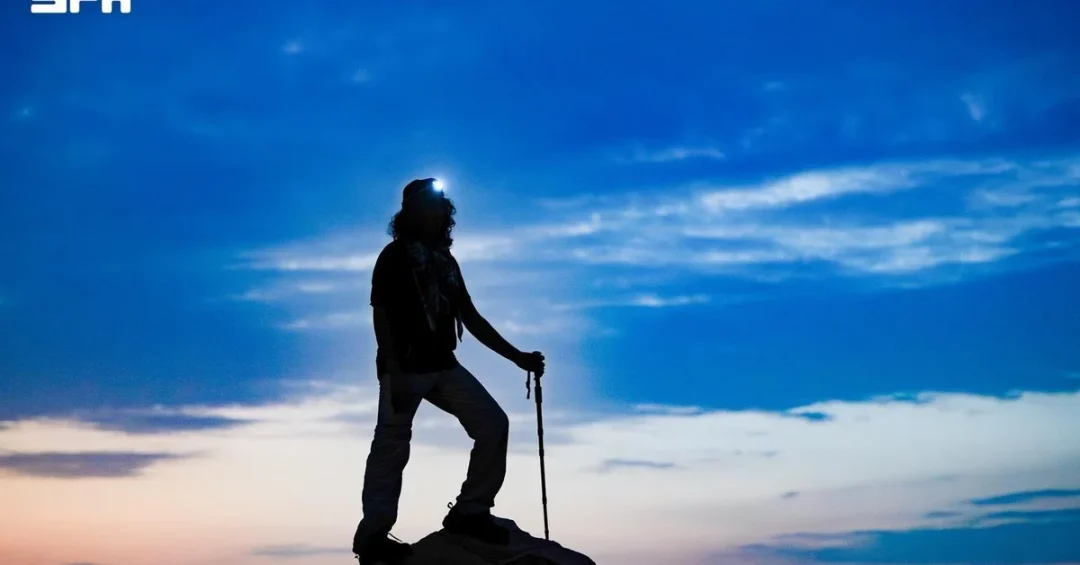
Hiking enthusiasts are increasingly drawn to the highland trails of Taif, where the Sarawat Mountains offer a rare combination of cool weather, ancient juniper forests, and centuries-old paths, according to information released by the Saudi Press Agency (SPA). Between the peaks of Al-Shafa Mountain and its deep ravines, visitors find an expansive haven for outdoor exploration in the southwest of the Kingdom of Saudi Arabia. The region’s diverse routes feature ancient juniper trees, aromatic flora, and striking rock formations, leading hikers to vantage points that showcase sweeping sunsets over the Tihamah plains.
The appeal is not simply scenic. Taif’s mountain network gives international visitors a way to experience the Kingdom’s natural and cultural heritage on foot, moving through landscapes that have shaped local life for generations. For a global audience accustomed to alpine trekking in Europe or the Himalayas, the Sarawat range presents something distinct: high-altitude paths woven through terraced farms, stone villages, and historic trade routes. As Saudi Arabia continues to open its tourism sector under Vision 2030, guided hiking in Taif is emerging as a compelling example of how the Kingdom is diversifying visitor experiences beyond its well-known urban and coastal destinations. Could this quiet mountain city become one of the region’s most rewarding walking destinations? The early signs suggest it already is.
Context and Background
Why does a mountain trail in western Saudi Arabia matter to a global audience? Taif sits at an elevation of roughly 1,800 meters in the Sarawat Mountains, the long escarpment that runs parallel to the Red Sea coast. That altitude delivers something rare in the Arabian Peninsula: mild summers, cool evenings, and seasonal mists that sustain juniper woodlands and aromatic plants. Long before modern tourism, these highlands served as a summer retreat and a crossroads for trade and pilgrimage traffic between the coast and the interior. The mountain paths that hikers use today are layered onto that history, passing stone architecture, terraced agriculture, and ancient roads that once connected villages and markets.
Al-Shafa, in particular, stands out for its environmental features, its temperate climate, and its centuries-old mountain routes. The area forms part of a broader highland system that includes Wadi Thee Ghazal and Wadi Khumas, two valleys whose shifting terrain and visual variety give hikers a changing landscape with every kilometer. The Saudi Press Agency reported that these routes are attracting growing interest from outdoor enthusiasts, a trend that aligns with the Kingdom’s wider push to develop responsible, nature-based tourism. For readers unfamiliar with Saudi geography, the key point is that Taif is not a desert destination in the conventional sense. It is a highland environment with its own ecology, weather patterns, and cultural rhythm.
Key Details of Taif’s Hiking Experience
What actually awaits a hiker on these trails? Speaking to the Saudi Press Agency, hiking guide captain Adel Fairaq highlighted Taif’s versatile trails and explained that guides enrich the physical experience by sharing the history, local customs, and heritage of each location. He stressed that route selection accounts for participant skill and weather conditions, with safety guidelines and environmental preservation measures in place to protect the site’s natural value. That combination of customization and care is central to how guided hiking operates in the region: groups are matched to trails that suit their fitness and experience, and departures are timed to avoid hazardous conditions.
The routes themselves vary widely. Al-Shafa’s ridgelines reward climbers with panoramic views and sunset vantage points. The valleys of Wadi Thee Ghazal and Wadi Khumas offer gentler gradients, shaded passages, and a sense of remoteness within reach of the city. Along the way, hikers encounter mountain villages, stone-built houses, terraced farms, and old roads that speak to centuries of settled life in the highlands. The presence of ancient juniper trees is especially notable, since these slow-growing trees are a signature of the Sarawat ecosystem and a marker of the area’s ecological continuity. Aromatic flora adds another sensory layer, particularly in the cooler months when the highlands are at their most inviting.
Guiding standards matter in a landscape like this. Fairaq’s emphasis on skill-appropriate route selection reflects a professional approach that prioritizes both visitor safety and the long-term health of the environment. Guides interpret the terrain rather than simply lead the way, connecting hikers to the stories embedded in the landscape. For international visitors, that interpretive element transforms a walk into an educational experience, one that covers local customs, heritage, and the practical realities of life in the mountains.
International and Regional Impact
How does a regional hiking destination fit into a global travel market? Saudi Arabia’s tourism ambitions are explicitly international, and Taif’s mountain trails offer a product that competes on quality rather than scale. Hikers from Europe, Asia, and North America increasingly seek authentic, low-impact outdoor experiences, and the Sarawat highlands deliver exactly that: cooler temperatures, distinctive geology, and cultural depth. The Kingdom’s expanding visa access and growing air connectivity make Taif reachable for travelers who might combine a mountain visit with trips to Jeddah, Makkah, or the Red Sea coast. Regional visitors from the Gulf also value Taif as a summer escape, a role the city has played for generations.
The regional dimension extends beyond tourism receipts. Mountain tourism can support rural communities by creating demand for guiding services, hospitality, and local products. When hikers pass through villages and terraced farms, they participate in a form of travel that distributes economic benefit across a wider geography. That is consistent with Saudi Arabia’s approach to developing tourism in a balanced way, ensuring that growth reaches areas beyond the major metropolitan centers. For the wider Middle East, Taif’s example shows how highland environments can be positioned as year-round attractions rather than seasonal curiosities, strengthening the region’s overall appeal as a destination for outdoor recreation.
Economic and Strategic Significance
Why should economists and policymakers pay attention to trail development? Nature-based tourism is a high-value segment. Hikers tend to stay longer, spend more in local communities, and return for repeat visits when trails are well maintained. In Taif, the combination of guided routes, heritage sites, and mild climate creates a foundation for small businesses: guiding outfits, equipment rental, cafes, and guesthouses. Each of these activities generates employment and helps retain young people in the region. The strategic logic is straightforward. By investing in trail infrastructure, signage, safety systems, and guide training, the Kingdom can convert a natural asset into a durable economic engine without heavy industrial development.
There is also a conservation incentive. Well-managed hiking areas give local communities a direct stake in protecting juniper woodlands, water sources, and heritage structures. Environmental preservation, as emphasized by guide captain Adel Fairaq, is not a constraint on tourism but a condition for its longevity. That alignment between economic benefit and ecological stewardship is central to Saudi Arabia’s broader sustainability goals, including the Saudi Green Initiative and the national push to expand protected areas. Taif’s trails therefore serve as a small but instructive model: tourism that funds conservation, and conservation that sustains tourism.
Vision 2030 Alignment
How does a mountain hike connect to a national transformation plan? Vision 2030 seeks to diversify the Kingdom’s economy, expand the tourism sector, and improve quality of life for citizens and visitors alike. Taif’s highland trails contribute on every front. They attract international visitors, support local enterprise, encourage outdoor recreation, and showcase Saudi Arabia’s natural heritage to a global audience. The Ministry of Tourism and related agencies have worked to develop destinations across the country, and Taif’s mountain routes fit naturally into that portfolio alongside AlUla, the Red Sea, and NEOM. The city’s traditional role as a summer retreat now gains a modern expression: a destination for hiking, heritage, and cool-climate relaxation.
For travelers planning a visit, the message from official Saudi channels is one of readiness and care. Trails are being presented with an emphasis on safety, guiding expertise, and environmental responsibility. That approach protects both visitors and the landscape, ensuring that the experience remains high quality as demand grows. Taif’s mountains are not a fleeting attraction but a long-term asset, one that reflects the Kingdom’s wider ambition to be a welcoming, sustainable, and culturally rich destination. As more hikers discover the juniper-covered ridges of Al-Shafa and the valleys of Wadi Thee Ghazal and Wadi Khumas, they will find more than a scenic walk. They will find a living landscape where heritage, nature, and modern Saudi hospitality meet.
20 Questions
Q1. Where is Taif located in Saudi Arabia?
A1. Taif is a highland city in western Saudi Arabia, situated in the Sarawat Mountains at roughly 1,800 meters above sea level, southwest of Riyadh and near Makkah.
Q2. What makes Al-Shafa Mountain notable for hikers?
A2. Al-Shafa is known for its mild weather, ancient juniper trees, centuries-old paths, and panoramic vantage points that offer striking sunset views over the surrounding highlands.
Q3. Which valleys are mentioned as popular hiking routes?
A3. Wadi Thee Ghazal and Wadi Khumas are highlighted as popular routes, offering diverse terrain and shifting visual landscapes that appeal to outdoor enthusiasts of varying skill levels.
Q4. Who is Adel Fairaq and what did he say?
A4. Adel Fairaq is a hiking guide captain in Taif. He told the Saudi Press Agency that guides enrich hikes by sharing local history, customs, and heritage, while prioritizing safety and environmental preservation.
Q5. What kind of natural features can hikers expect to see?
A5. Hikers encounter ancient juniper trees, aromatic flora, striking rock formations, mountain villages, stone architecture, terraced farms, and ancient roads along the trails.
Q6. Why is Taif’s climate suitable for hiking?
A6. Its high elevation in the Sarawat Mountains produces milder temperatures, cool evenings, and seasonal mists, making outdoor activity comfortable, especially during warmer months.
Q7. How do guides ensure safety on the trails?
A7. Guides select routes based on participant skill and weather conditions, apply safety guidelines, and promote environmental preservation to protect the natural value of the sites.
Q8. What cultural experiences do the trails offer?
A8. Hikers pass through mountain villages and see stone architecture, terraced farms, and ancient roads, gaining insight into the local history and traditions of the Taif highlands.
Q9. Is Taif accessible for international visitors?
A9. Yes. Taif is served by an international airport and road networks, and Saudi Arabia’s expanding visa options make the region increasingly accessible to global travelers.
Q10. What role does the Saudi Press Agency play in this story?
A10. The Saudi Press Agency is the official national news agency that reported on Taif’s hiking trails and interviewed guide captain Adel Fairaq, providing verified information about the region.
Q11. How does hiking in Taif support local communities?
A11. Guided hikes create demand for guides, hospitality, and local products, distributing tourism income to mountain villages and supporting small businesses in the region.
Q12. What is the best time of year to hike in Taif?
A12. The cooler months and summer season are popular, as the highlands offer relief from heat. Guides advise checking weather conditions before setting out on any route.
Q13. Are the trails suitable for beginners?
A13. Yes. The region offers routes of varying difficulty, and guides match hikers to trails that suit their fitness and experience levels, ensuring a safe and enjoyable outing.
Q14. What environmental protections are in place?
A14. Guides emphasize preservation rules to protect juniper woodlands, flora, and natural formations, aligning with Saudi Arabia’s broader sustainability and conservation goals.
Q15. How does Taif fit into Saudi tourism strategy?
A15. Taif adds a highland, nature-based experience to Saudi Arabia’s tourism portfolio, complementing destinations such as AlUla, the Red Sea, and NEOM under Vision 2030.
Q16. What is the significance of the ancient juniper trees?
A16. Junipers are slow-growing trees that define the Sarawat ecosystem, indicating ecological continuity and providing shade and habitat along the mountain trails.
Q17. Can hikers visit the mountain villages?
A17. Yes. Trails pass through or near mountain villages, allowing hikers to observe traditional stone architecture, terraced farms, and local ways of life in the highlands.
Q18. What should visitors bring for a Taif hike?
A18. Visitors should bring appropriate footwear, water, sun protection, and layers for cool temperatures, and should follow guide instructions and local safety guidelines.
Q19. How does hiking align with Vision 2030?
A19. Vision 2030 aims to diversify the economy and expand tourism. Taif’s trails attract visitors, support local enterprise, and promote outdoor recreation and heritage appreciation.
Q20. What makes Taif’s hiking experience unique in the region?
A20. Taif combines high-altitude mild weather, ancient juniper forests, terraced farms, and historic paths, offering a rare blend of nature, heritage, and hospitality in the Arabian Peninsula.
Reader Feedback
We value your thoughts. Please share your feedback on this article.
Your feedback helps us improve our coverage.
Related articles
 Billasmar Forests Offer Scenic Natural Retreat in Aseer
 Al-Ashyakh Dunes Boost Ecotourism in Rafha
 How Was Hail’s Abu Al-Houl Mountain Formed?
 Abu Al-Hawl: Hail’s Natural Sphinx Shaped by Millennia
 Pilgrims Praise Saudi Arabia’s Care Under Servant of Two Holy Mosques Program
 Jeddah Guides Trained to Welcome Hearing-Impaired Visitors