


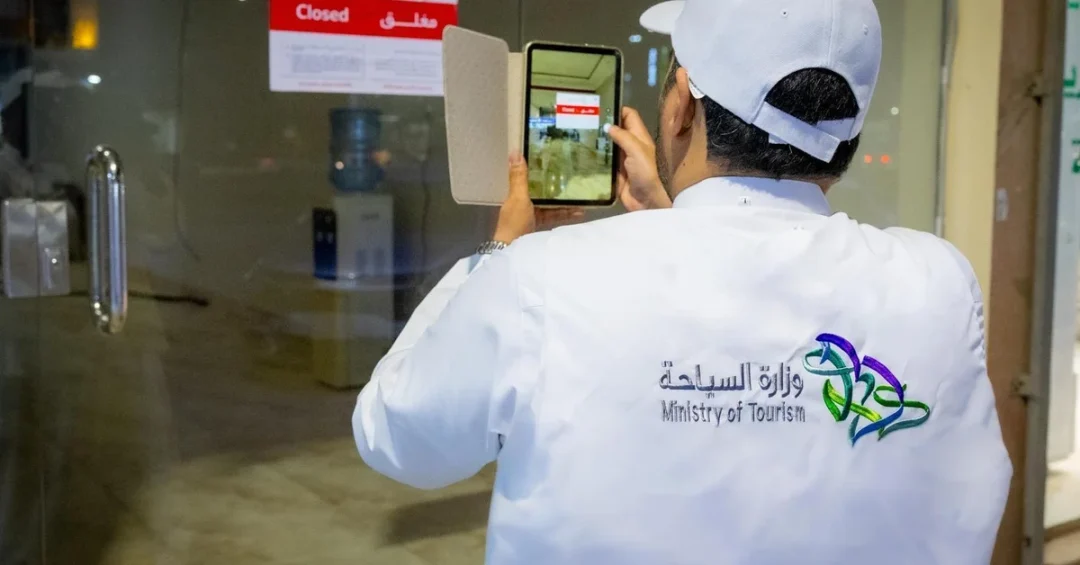
The Ministry of Tourism has intensified its inspection efforts across hospitality facilities in Makkah and Madinah during the holy month of Ramadan, conducting more than 1,200 inspections in the first half of the month. Between the first and fifteenth of Ramadan, ministry teams carried out over 700 inspections in Makkah, uncovering more than 500 violations. In Madinah, inspectors conducted over 500 visits, identifying more than 300 violations. These inspections are part of the ministry’s commitment to ensuring high-quality services for visitors and Umrah performers, enforcing tourism regulations, and verifying that hospitality establishments comply with approved standards.
Context and Background
The Ministry of Tourism’s heightened inspections during Ramadan reflect Saudi Arabia’s dedication to providing exceptional experiences for the millions of pilgrims and visitors who travel to the Kingdom’s holiest cities. As part of Vision 2030, the Kingdom aims to enhance the quality of life for citizens and visitors alike, while also positioning Saudi Arabia as a premier global tourism destination. The ministry’s proactive measures ensure that hospitality facilities meet the highest standards, thereby safeguarding the wellbeing of all guests and upholding the Kingdom’s reputation for excellence.
Ramadan is a peak period for Umrah, with a significant influx of worshippers from around the world. The Ministry of Tourism works tirelessly to guarantee that hotels, restaurants, and other hospitality establishments are fully licensed and operating in accordance with regulations. This oversight is crucial not only for visitor satisfaction but also for maintaining the safety and security of all individuals within the Kingdom.
Key Details
The inspections conducted by the Ministry of Tourism are a testament to its unwavering commitment to regulatory compliance. The ministry reiterated that all hospitality facilities must obtain a Ministry of Tourism license, warning that violations could result in closure, fines of up to SAR1 million, or both. Such penalties underscore the seriousness with which the Kingdom treats any breach of standards, ensuring that visitors receive only the best services.
Visitors can report concerns or seek assistance regarding tourism services by contacting the Unified Tourism Center at 930. This dedicated hotline provides a direct channel for feedback and support, demonstrating the ministry’s responsiveness to the needs of tourists and pilgrims. By empowering visitors to voice their experiences, the ministry can continuously improve services and address any issues promptly.
Implications and Impact
The rigorous inspection campaign has far-reaching implications for Saudi Arabia’s tourism sector. By enforcing compliance and penalizing violations, the ministry ensures a level playing field for businesses, encouraging healthy competition and elevating service standards across the industry. This, in turn, boosts visitor confidence and enhances the Kingdom’s appeal as a safe and welcoming destination.
Furthermore, the inspections contribute to the overall success of the Hajj and Umrah seasons, which are vital components of Saudi Arabia’s cultural and economic landscape. The influx of pilgrims during Ramadan provides a significant economic boost to local businesses, and the ministry’s efforts help maximize these benefits while ensuring a seamless experience for all.
Vision 2030 Alignment
This initiative is closely aligned with Vision 2030, Saudi Arabia’s ambitious blueprint for economic diversification and social reform. By enhancing the quality of tourism services, the Kingdom aims to attract 100 million visitors annually by 2030, significantly increasing the sector’s contribution to GDP. The Ministry of Tourism’s diligent oversight during Ramadan exemplifies the Kingdom’s commitment to excellence and its determination to become a global leader in hospitality and tourism. Through such efforts, Saudi Arabia continues to pave the way for a prosperous and sustainable future, showcasing its rich heritage and modern achievements to the world.
20 Questions
Q1. What is the Ministry of Tourism’s role during Ramadan?
A1. The Ministry of Tourism conducts inspections of hospitality facilities in Makkah and Madinah to ensure compliance with regulations and high-quality services for visitors and Umrah performers during the holy month.
Q2. How many inspections were carried out in Makkah?
A2. More than 700 inspections were conducted in Makkah between the first and fifteenth of Ramadan, uncovering over 500 violations.
Q3. How many inspections were conducted in Madinah?
A3. Inspectors conducted over 500 visits in Madinah, identifying more than 300 violations.
Q4. What is the total number of inspections across both cities?
A4. The total number of inspections exceeded 1,200 across Makkah and Madinah during the first half of Ramadan.
Q5. What types of violations were found?
A5. Violations included operating without a Ministry of Tourism license, failure to meet approved standards, and other regulatory breaches.
Q6. What are the penalties for violations?
A6. Violations could result in closure, fines of up to SAR1 million, or both.
Q7. Why are these inspections important?
A7. They ensure high-quality services for visitors and Umrah performers, enforce tourism regulations, and verify compliance with approved standards.
Q8. What must hospitality facilities obtain to operate legally?
A8. All hospitality facilities must obtain a Ministry of Tourism license.
Q9. How can visitors report concerns?
A9. Visitors can report concerns or seek assistance by contacting the Unified Tourism Center at 930.
Q10. What is the Unified Tourism Center?
A10. It is a dedicated hotline (930) for tourists and pilgrims to report issues or seek assistance regarding tourism services.
Q11. How does this initiative align with Vision 2030?
A11. It supports Vision 2030 by enhancing tourism quality, aiming to attract 100 million visitors annually by 2030, and boosting the sector’s GDP contribution.
Q12. What economic impact does Ramadan tourism have?
A12. It provides a significant economic boost to local businesses in Makkah and Madinah through increased spending by pilgrims and visitors.
Q13. Who conducts the inspections?
A13. Inspection teams from the Ministry of Tourism carry out the inspections.
Q14. What is the time frame of the inspections mentioned?
A14. The inspections took place between the first and fifteenth of Ramadan.
Q15. Are these inspections a new initiative?
A15. No, they are part of ongoing efforts by the Ministry of Tourism to ensure compliance, intensified during peak seasons like Ramadan.
Q16. What happens if a facility is found violating regulations?
A16. The facility may face closure, fines up to SAR1 million, or both, depending on the severity of the violation.
Q17. How do these inspections benefit pilgrims?
A17. They ensure pilgrims receive safe, high-quality services, enhancing their spiritual journey and overall experience in the Kingdom.
Q18. What role does the Ministry of Tourism play in Saudi Arabia’s economy?
A18. It regulates and promotes tourism, a key sector for economic diversification under Vision 2030, contributing to GDP and job creation.
Q19. How can businesses ensure they are compliant?
A19. Businesses must obtain a Ministry of Tourism license and adhere to all approved standards and regulations.
Q20. What is the ultimate goal of these inspections?
A20. The goal is to uphold the Kingdom’s reputation for excellence, ensure visitor satisfaction, and support the sustainable growth of the tourism sector.
Reader Feedback
We value your thoughts. Please share your feedback on this article.
Your feedback helps us improve our coverage.
Related articles
 MAEE Urges Umrah Performers to Conserve Water
 Madinah’s Sayed Al-Shuhada Mosque: Sharing Iftar, Building Unity
 Madinah Bus App Eases Ramadan Travel for Worshippers
 Al-Khasakiya Market: Jeddah’s 200-Year-Old Living Heritage
 Madinah Licensed Hotel Rooms Surpass 62,000, Up 62%
 Iftar Tables at Qiblatain Mosque: Spiritual Ambience, Solidarity