


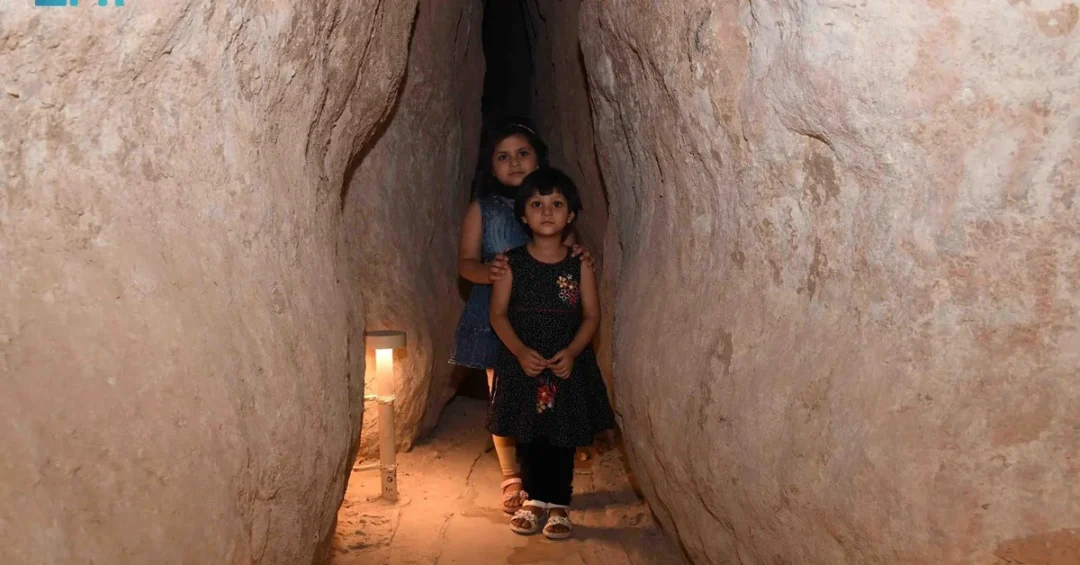
Al-Ahsa Governorate has emerged as one of Saudi Arabia’s most sought-after Eid Al-Fitr destinations, with citizens, residents, and international visitors flocking to its archaeological and historical landmarks to explore the region’s rich heritage, according to the Saudi Press Agency (SPA). The UNESCO-inscribed Al-Ahsa Oasis, celebrated for its blend of natural, historical, and archaeological treasures, has become a focal point for holidaymakers from across the Kingdom and the Gulf Cooperation Council (GCC) countries seeking meaningful cultural experiences during the festive period.
Have you ever wondered what draws millions of travelers to a single oasis? Al-Ahsa, located in the Eastern Province of Saudi Arabia, offers a rare combination of ancient history, natural beauty, and modern hospitality. During Eid Al-Fitr, the governorate’s historic palaces, lush palm groves, and traditional markets come alive with activity, providing families and tourists with an immersive journey into the Kingdom’s deep-rooted heritage. This surge in cultural tourism reflects the growing appeal of Saudi Arabia’s domestic and regional travel offerings, supported by the Kingdom’s Vision 2030 strategy to diversify the economy and promote tourism as a key sector.
Context and Background
Why has Al-Ahsa become such a magnet for heritage tourism during Eid? The governorate, home to the world’s largest continuous sand desert and one of the planet’s most extensive oases, has long been a crossroads of civilizations. Its archaeological sites date back thousands of years, with evidence of human settlement from the Neolithic period. The Al-Ahsa Oasis, inscribed by UNESCO as a World Heritage Site in 2018, encompasses more than 2.5 million palm trees, historic mosques, ancient water channels known as aflaj, and archaeological mounds that tell the story of trade routes linking the Arabian Peninsula to Mesopotamia and the Indus Valley.
According to SPA, King Faisal University faculty member Dr. Sattam Al-Wahbi highlighted the diverse tourist, heritage, and historical assets of Al-Ahsa Governorate, including its historic palaces and abundant natural resources. Dr. Al-Wahbi’s remarks underscore the governorate’s unique position as a destination that appeals to both domestic travelers and visitors from neighboring Gulf countries. The Eid Al-Fitr holiday, a time of family gatherings and celebration, provides an ideal opportunity for people to reconnect with their cultural roots while discovering new facets of Saudi Arabia’s storied past. The influx of visitors during Eid also demonstrates the effectiveness of the Kingdom’s efforts to promote internal tourism and showcase its diverse regions.
The historical significance of Al-Ahsa cannot be overstated. It was a major center of the ancient Dilmun and later civilizations, and its strategic location made it a vital hub for trade and cultural exchange. Today, visitors can explore landmarks such as the Ibrahim Palace, a 16th-century Ottoman-era fortress, and the Jawatha Mosque, one of the earliest mosques in Islam. These sites, combined with the natural splendor of the oasis, create a compelling destination for heritage enthusiasts. The Saudi Press Agency reported that the region’s archaeological and historical landmarks are popular destinations for citizens, residents, and visitors seeking enjoyable experiences and exploration of the region’s rich heritage.
Key Details
What exactly can visitors expect when they explore Al-Ahsa during Eid? The governorate offers a diverse array of attractions. The Al-Ahsa Oasis itself is a sprawling landscape of date palm groves, fed by natural springs and ancient irrigation systems. Visitors can wander through the lush greenery, visit traditional farms, and learn about the region’s agricultural heritage. The oasis is also home to several historic settlements, including Al-Hofuf and Al-Mubarraz, where traditional mud-brick architecture and bustling souqs offer a glimpse into the past.
For those interested in archaeology, Al-Ahsa boasts numerous excavation sites that reveal layers of history. The archaeological mound of Al-Rumailah, for instance, contains artifacts from various periods, including pottery, tools, and coins. These discoveries provide valuable insights into the region’s role as a trading hub. During Eid, local authorities often organize guided tours and cultural events to enhance the visitor experience. The SPA report noted that the blend of natural, historical, and archaeological landmarks has made Al-Ahsa a popular Eid Al-Fitr destination, attracting visitors from across the Kingdom and the GCC countries.
Another highlight is the traditional handicrafts and local cuisine. Al-Ahsa is famous for its dates, particularly the Khalas variety, which is prized for its rich flavor. Visitors can sample date-based delicacies and purchase handmade crafts such as pottery, textiles, and jewelry. The Eid festivities add a festive atmosphere, with family-friendly activities, markets, and performances that celebrate Saudi culture. Dr. Sattam Al-Wahbi’s emphasis on the region’s diverse assets reflects the comprehensive experience that Al-Ahsa offers, from historical exploration to leisure and relaxation.
International and Regional Impact
How does Al-Ahsa’s growing popularity as an Eid destination impact the wider region? The influx of visitors from GCC countries underscores the strong cultural and economic ties between Saudi Arabia and its neighbors. Many travelers from Kuwait, Bahrain, Qatar, the United Arab Emirates, and Oman choose Al-Ahsa for its proximity and shared heritage. This cross-border tourism fosters people-to-people connections and supports local businesses, from hotels and restaurants to souvenir shops and tour operators. The Saudi Press Agency’s report highlights that the destination appeals to a broad audience, reinforcing Al-Ahsa’s role as a regional cultural hub.
On an international level, Al-Ahsa’s recognition as a UNESCO World Heritage Site has elevated its profile among global travelers. The oasis is not only a natural wonder but also a testament to sustainable human interaction with the environment. Its aflaj irrigation system, which dates back centuries, is a marvel of engineering and a symbol of the region’s ingenuity. As Saudi Arabia opens up to international tourism under Vision 2030, destinations like Al-Ahsa are poised to attract visitors from Europe, Asia, and beyond. The Eid period serves as a showcase for the Kingdom’s hospitality and cultural richness, helping to reshape perceptions of Saudi Arabia as a diverse and welcoming destination.
Economic and Strategic Significance
What economic benefits does heritage tourism bring to Al-Ahsa and the Kingdom? Tourism is a key pillar of Saudi Arabia’s Vision 2030, which aims to increase the sector’s contribution to GDP and create jobs. Al-Ahsa’s heritage sites generate revenue through entrance fees, guided tours, and hospitality services. The Eid season, in particular, sees a surge in demand for accommodations, dining, and transportation, providing a boost to local enterprises. Small and medium-sized businesses, including family-run date farms and craft workshops, benefit from the increased foot traffic.
Strategically, the development of Al-Ahsa as a tourism destination aligns with the Kingdom’s efforts to diversify away from oil dependence. By investing in infrastructure, preserving heritage sites, and promoting cultural events, Saudi Arabia is creating a sustainable tourism ecosystem. The Saudi Press Agency’s coverage of Al-Ahsa’s Eid attractions reflects the official commitment to showcasing the Kingdom’s assets. Moreover, the governorate’s success in attracting regional visitors demonstrates the potential for intra-Gulf tourism, which can strengthen economic integration and cultural exchange among GCC nations.
Vision 2030 Alignment
How does Al-Ahsa’s heritage tourism fit into Saudi Arabia’s long-term vision? Vision 2030, launched by Crown Prince Mohammed bin Salman, seeks to transform the Kingdom into a global hub for tourism and culture. Al-Ahsa exemplifies this ambition by leveraging its unique heritage to draw visitors and create economic opportunities. The preservation and promotion of sites like the Al-Ahsa Oasis are integral to the National Tourism Strategy, which targets 100 million annual visits by 2030. The Eid celebrations in Al-Ahsa serve as a microcosm of the broader efforts to position Saudi Arabia as a must-visit destination.
As the Kingdom continues to invest in tourism infrastructure and cultural initiatives, Al-Ahsa is set to play an increasingly prominent role. The governorate’s ability to attract visitors during Eid demonstrates the demand for authentic cultural experiences. By safeguarding its heritage while embracing modern hospitality, Al-Ahsa offers a model for sustainable tourism development. The Saudi Press Agency’s report is a testament to the region’s appeal and the success of Vision 2030 in bringing Saudi Arabia’s treasures to the world stage. With each passing year, more travelers will discover the magic of Al-Ahsa, contributing to the Kingdom’s journey toward a prosperous and diversified future.
20 Questions
Q1. What makes Al-Ahsa a popular destination during Eid Al-Fitr?
A1. Al-Ahsa offers a unique blend of archaeological, historical, and natural attractions, including the UNESCO-listed Al-Ahsa Oasis, historic palaces, and traditional markets, making it ideal for cultural exploration during the Eid holiday.
Q2. Where is Al-Ahsa Governorate located?
A2. Al-Ahsa is located in the Eastern Province of Saudi Arabia, encompassing a vast oasis and several historic cities such as Al-Hofuf and Al-Mubarraz, near the Gulf coast.
Q3. What is the significance of the Al-Ahsa Oasis?
A3. The Al-Ahsa Oasis is the world’s largest oasis and a UNESCO World Heritage Site, featuring over 2.5 million palm trees, ancient irrigation systems, and archaeological mounds that reflect thousands of years of human history.
Q4. Who highlighted Al-Ahsa’s tourist assets?
A4. Dr. Sattam Al-Wahbi, a faculty member at King Faisal University, highlighted the diverse tourist, heritage, and historical assets of Al-Ahsa, including its historic palaces and natural resources, as reported by SPA.
Q5. What types of landmarks can visitors explore in Al-Ahsa?
A5. Visitors can explore the Ibrahim Palace, Jawatha Mosque, archaeological sites like Al-Rumailah, traditional mud-brick settlements, and the expansive palm groves of the oasis.
Q6. Why do GCC citizens visit Al-Ahsa during Eid?
A6. GCC citizens visit Al-Ahsa for its proximity, shared cultural heritage, and the opportunity to enjoy a festive atmosphere with family-friendly activities, markets, and historical sites.
Q7. How does Al-Ahsa contribute to Saudi Arabia’s Vision 2030?
A7. Al-Ahsa supports Vision 2030 by boosting tourism, creating jobs, and showcasing Saudi heritage, aligning with the goal to diversify the economy and attract 100 million annual visits by 2030.
Q8. What is the historical importance of Al-Ahsa?
A8. Al-Ahsa has been a crossroads of civilizations for millennia, serving as a trade hub linking the Arabian Peninsula to Mesopotamia and the Indus Valley, with evidence of settlement from the Neolithic period.
Q9. What are aflaj in Al-Ahsa?
A9. Aflaj are ancient irrigation channels that distribute water from springs to the oasis, representing a remarkable engineering system that has sustained agriculture in the region for centuries.
Q10. What local products is Al-Ahsa known for?
A10. Al-Ahsa is famous for its high-quality dates, especially the Khalas variety, as well as traditional handicrafts such as pottery, textiles, and jewelry.
Q11. How does Eid celebration enhance tourism in Al-Ahsa?
A11. Eid celebrations bring festive events, cultural performances, and family activities that attract larger crowds, extending the appeal of Al-Ahsa’s heritage sites beyond regular tourists.
Q12. What economic benefits does tourism bring to Al-Ahsa?
A12. Tourism generates revenue for local businesses, including hotels, restaurants, tour operators, and date farms, while creating employment opportunities and supporting small enterprises.
Q13. Is Al-Ahsa accessible for international tourists?
A13. Yes, Al-Ahsa is accessible via King Fahd International Airport in Dammam and domestic flights, and Saudi Arabia’s new tourist visa facilitates visits for international travelers.
Q14. What role does the Saudi Press Agency play in promoting Al-Ahsa?
A14. SPA reports on Al-Ahsa’s attractions and events, providing official information that highlights the region’s heritage and encourages tourism, in line with national objectives.
Q15. What are some must-see archaeological sites in Al-Ahsa?
A15. Key sites include the Al-Rumailah mound, the ancient city of Hajar, and the Jawatha Mosque, one of the earliest mosques in Islam, offering insights into the region’s past.
Q16. How does Al-Ahsa preserve its heritage?
A16. Authorities and local communities work together to restore historic buildings, maintain the aflaj system, and promote cultural awareness, ensuring the oasis remains a living heritage site.
Q17. What is the best time to visit Al-Ahsa?
A17. The cooler months from November to March are ideal, and festive periods like Eid Al-Fitr attract many visitors due to special events and pleasant weather.
Q18. Are there guided tours available in Al-Ahsa?
A18. Yes, local tour operators offer guided tours of the oasis, historical sites, and markets, providing educational and immersive experiences for visitors.
Q19. How does Al-Ahsa compare to other Saudi tourist destinations?
A19. Al-Ahsa stands out for its unique combination of a massive oasis, ancient history, and vibrant cultural traditions, offering a distinct experience compared to coastal or mountain destinations.
Q20. What does the future hold for tourism in Al-Ahsa?
A20. With continued investment under Vision 2030, Al-Ahsa is expected to grow as a premier heritage destination, attracting more international visitors and further contributing to Saudi Arabia’s tourism sector.
Reader Feedback
We value your thoughts. Please share your feedback on this article.
Your feedback helps us improve our coverage.
Related articles
 Taif Eid Celebrations Draw Over 200,000 Visitors
 Jubail Maritime Excursions Draw Eid Crowds to Saudi Coast
 Al-Aan Palace in Najran Draws Eid Visitors to Heritage Gem
 Aseer Readies 470+ Parks for Eid Festivities
 Heritage Commission Welcomes Visitors at Thee Ain Village
 Visitors Flock to Jeddah Waterfront for Eid Holiday