


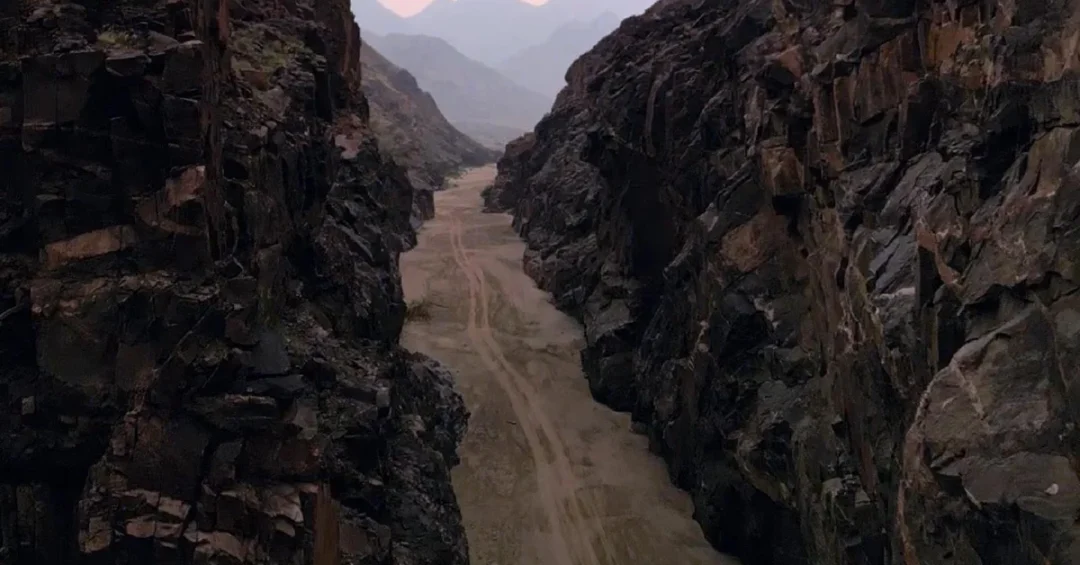
Wadi Al-Souh, one of the largest and most historically significant valleys in the Makkah Region, stands as a natural and cultural landmark in Al-Lith Governorate, according to information released by the Saudi Press Agency (SPA). Located in the Yalamlam area, approximately 100 kilometers north of Al-Lith and 80 kilometers south of Makkah, the valley has served as a vital corridor for trade and pilgrimage for centuries. Its towering mountains, ancient inscriptions, and strategic location along the Yemeni Hajj route make it a testament to Saudi Arabia’s rich heritage and its enduring role in connecting civilizations.
Have you ever wondered how a single valley could hold the keys to understanding millennia of Arabian history? Wadi Al-Souh is not merely a geographical feature; it is a living archive of the Arabian Peninsula’s past. As Saudi Arabia continues to advance its Vision 2030 goals, such sites are increasingly recognized not only for their historical value but also for their potential to contribute to cultural tourism and national pride. The valley’s unique terrain, formed by floods from the Sarat Mountains, has shaped human settlement and movement for thousands of years, leaving behind a legacy that continues to fascinate historians and visitors alike.
Context and Background
What makes a valley worthy of being etched into the annals of history? For Wadi Al-Souh, the answer lies in its geographical prominence and its role as a crossroads of Arabian civilization. The Makkah Region is home to numerous valleys that have borne witness to the rise and fall of empires, the passage of caravans, and the footsteps of pilgrims. Among these, Wadi Al-Souh distinguishes itself as one of the largest valleys of Tihama, a coastal plain that stretches along the Red Sea. Its location in Yalamlam, a historically significant area, places it at the intersection of ancient trade routes and pilgrimage paths.
The valley’s formation is a story of natural forces. Floods from the Sarat Mountains, located about 30 kilometers southwest of Taif, carved a narrow, rocky channel through the landscape. Over millennia, these seasonal torrents have shaped a unique ecosystem and a strategic passage. The towering mountains flanking the valley on both sides not only provide dramatic scenery but also served as natural fortifications and vantage points. This combination of geography and geology created a corridor that was both defensible and accessible, making it an ideal route for travelers and traders.
Historically, Wadi Al-Souh was inhabited by several Arab tribes, each contributing to the cultural tapestry of the region. These tribes recognized the valley’s value as a secure passage and a stopping point along the Yemeni Hajj route, which brought pilgrims from southern Arabia to the holy city of Makkah. The rocks of the surrounding mountains bear numerous inscriptions and petroglyphs, dating back to various historical periods, offering a glimpse into the lives, beliefs, and languages of ancient peoples. These carvings are not mere graffiti; they are historical documents that attest to the valley’s enduring importance.
Key Details
What secrets do the rocks of Wadi Al-Souh hold for those who know how to read them? The petroglyphs and inscriptions scattered across the valley’s mountains are a treasure trove for archaeologists and historians. They include Thamudic, Nabataean, and early Arabic scripts, as well as depictions of animals, hunting scenes, and symbols. These carvings provide evidence of the valley’s role as a cultural melting pot, where different civilizations left their mark. The Saudi Press Agency reports that these inscriptions date back to various historical periods, underscoring the valley’s long-standing significance.
The valley’s terrain is equally remarkable. It is described as a narrow, rocky-lined channel, flanked by towering mountains. The scenic gradation of the landscape, from the valley floor to the peaks, creates a visual spectacle that changes with the seasons. During the rainy season, floods from the Sarat Mountains transform the dry channel into a rushing waterway, a phenomenon that has both shaped the land and provided life to the surrounding areas. This dynamic environment supported agriculture and settlement, further enhancing the valley’s strategic value.
As a stop on the Yemeni Hajj route, Wadi Al-Souh played a crucial role in the spiritual and economic life of the region. Pilgrims would travel through the valley, often stopping to rest and resupply before continuing their journey to Makkah. This influx of travelers brought not only religious devotion but also trade and cultural exchange. The valley became a hub where ideas, goods, and traditions were shared, contributing to the rich heritage of the Arabian Peninsula. Today, the remnants of this past are still visible in the form of ancient pathways, campsites, and perhaps even the foundations of old structures.
International and Regional Impact
How does a valley in Saudi Arabia resonate on the global stage? Wadi Al-Souh is a testament to the Kingdom’s role as a bridge between continents and cultures. Its historical significance as a trade and pilgrimage route highlights the interconnectedness of the ancient world, where goods from Yemen, spices from India, and ideas from the Mediterranean flowed through the Arabian Peninsula. This legacy of connectivity is echoed in modern Saudi Arabia’s position as a global hub for commerce and diplomacy, and its commitment to preserving cultural heritage as part of Vision 2030.
Regionally, the valley is part of the broader Makkah Region, which attracts millions of pilgrims annually. The preservation and promotion of sites like Wadi Al-Souh can enhance the experience of visitors, offering them a deeper understanding of the region’s history beyond the holy sites. This aligns with Saudi Arabia’s efforts to diversify tourism and showcase its rich cultural and natural attractions. By highlighting such landmarks, the Kingdom can attract international tourists interested in heritage and adventure, further integrating the region into the global tourism network.
Economic and Strategic Significance
What economic potential lies hidden in the rugged beauty of Wadi Al-Souh? As Saudi Arabia pursues economic diversification under Vision 2030, heritage and nature tourism are becoming increasingly important. The valley’s unique combination of historical inscriptions, dramatic landscapes, and strategic location makes it a prime candidate for sustainable tourism development. By investing in infrastructure, guided tours, and interpretive centers, the Kingdom can create jobs, support local communities, and generate revenue while preserving the site’s integrity.
Strategically, Wadi Al-Souh’s location near Makkah and its historical role as a passage for pilgrims and traders underscore its importance in the broader context of Saudi Arabia’s regional influence. The valley is a reminder of the Kingdom’s historical depth and its ability to connect people and cultures. In an era where soft power and cultural diplomacy are key, sites like Wadi Al-Souh can serve as ambassadors of Saudi heritage, fostering understanding and goodwill among nations. They also complement the Kingdom’s efforts to position itself as a leader in preserving and promoting Islamic and Arab history.
Vision 2030 Alignment
How does a ancient valley fit into a futuristic vision? Saudi Arabia’s Vision 2030 is not only about economic transformation but also about preserving and celebrating the nation’s cultural and natural heritage. Wadi Al-Souh embodies this dual focus, offering a tangible link to the past while presenting opportunities for future growth. The Vision’s Quality of Life program aims to enhance the lives of citizens and residents by promoting cultural activities and tourism, and sites like Wadi Al-Souh are integral to that goal.
By highlighting and protecting such treasures, Saudi Arabia demonstrates its commitment to safeguarding its history for future generations. This aligns with the Vision’s emphasis on national identity and pride. Moreover, the development of heritage tourism can contribute to economic diversification, one of the core objectives of Vision 2030. As the Kingdom opens up to the world, Wadi Al-Souh stands ready to welcome visitors, offering them a journey through time and nature that is uniquely Saudi. In doing so, it reinforces the Kingdom’s role as a custodian of Arabian heritage and a forward-looking nation that values its past as a foundation for its future.
20 Questions
Q1. What is Wadi Al-Souh and where is it located?
A1. Wadi Al-Souh is one of the largest valleys in the Makkah Region, located in Al-Lith Governorate, about 100 km north of Al-Lith and 80 km south of Makkah, in the Yalamlam area.
Q2. Why is Wadi Al-Souh historically significant?
A2. It served as a secure passage for trade caravans and a key stop on the Yemeni Hajj route, and was inhabited by several Arab tribes, leaving behind numerous inscriptions and petroglyphs.
Q3. What geographical features define Wadi Al-Souh?
A3. It is a narrow valley resembling a rocky-lined channel, flanked by towering mountains, and shaped by floods from the Sarat Mountains southwest of Taif, about 30 km away.
Q4. What kind of inscriptions are found in Wadi Al-Souh?
A4. The rocks bear numerous inscriptions and petroglyphs dating back to various historical periods, including Thamudic, Nabataean, and early Arabic scripts, as well as animal depictions.
Q5. How did Wadi Al-Souh support trade in ancient times?
A5. It provided a secure and accessible route for trade caravans traveling between Yemen and Makkah, facilitating the exchange of goods, ideas, and cultures across the Arabian Peninsula.
Q6. What role did Wadi Al-Souh play in the Hajj pilgrimage?
A6. It was a key stop along the Yemeni Hajj route, where pilgrims would rest and resupply before continuing their journey to Makkah, contributing to the valley’s economic and cultural vitality.
Q7. Which Arab tribes inhabited Wadi Al-Souh?
A7. Several Arab tribes inhabited the valley over the centuries, though specific names are not detailed in the source; their presence is evidenced by the inscriptions and cultural remains found in the area.
Q8. How does Wadi Al-Souh contribute to Saudi Arabia’s tourism goals?
A8. As a heritage and nature site, it can attract tourists interested in history and adventure, supporting Vision 2030’s aim to diversify tourism and promote cultural experiences beyond the holy cities.
Q9. What is the significance of the Sarat Mountains to Wadi Al-Souh?
A9. The Sarat Mountains are the source of seasonal floods that carved the valley and continue to shape its landscape, providing water and fertility to the surrounding area.
Q10. How is Wadi Al-Souh preserved today?
A10. While specific preservation efforts are not detailed, Saudi authorities recognize its historical value, and it falls under the broader cultural heritage protection framework aligned with Vision 2030.
Q11. What makes Wadi Al-Souh a unique natural landmark?
A11. Its dramatic terrain, with towering mountains and a narrow rocky channel, creates a scenic gradation that changes with the seasons, offering a spectacular natural environment.
Q12. Can visitors access Wadi Al-Souh?
A12. Yes, it is located in Al-Lith Governorate and is accessible via roads, though visitors should respect the site’s historical and natural integrity and follow local guidelines.
Q13. What economic opportunities could Wadi Al-Souh create?
A13. It could support sustainable tourism development, creating jobs in hospitality, guiding, and conservation, while generating revenue for local communities and the region.
Q14. How does Wadi Al-Souh reflect Saudi Arabia’s cultural heritage?
A14. It embodies the deep historical roots of the Arabian Peninsula, showcasing the interaction of ancient civilizations, trade networks, and religious journeys that shaped the region.
Q15. What is the Yemeni Hajj route?
A15. It is a historical pilgrimage path used by Yemeni pilgrims traveling to Makkah, passing through valleys like Wadi Al-Souh, which served as a vital stopover.
Q16. How does Wadi Al-Souh align with Vision 2030?
A16. It supports the Vision’s goals of preserving cultural heritage, promoting tourism, and enhancing national pride, while contributing to economic diversification through heritage tourism.
Q17. What types of petroglyphs are found in the valley?
A17. The petroglyphs include depictions of animals, hunting scenes, and symbols, as well as inscriptions in ancient scripts, reflecting the artistic and communicative practices of past inhabitants.
Q18. Why is Wadi Al-Souh considered a confluence of history and nature?
A18. Because it combines a striking natural landscape shaped by geological forces with a rich historical legacy of human habitation, trade, and pilgrimage, making it a unique cultural and natural site.
Q19. What can be learned from the inscriptions in Wadi Al-Souh?
A19. They provide insights into the languages, beliefs, and daily lives of ancient Arab tribes, helping historians understand the cultural and commercial exchanges that occurred along the route.
Q20. How can the international community engage with Wadi Al-Souh?
A20. Through responsible tourism, academic research, and cultural exchange, the international community can appreciate and help preserve this heritage site, fostering global understanding of Saudi Arabia’s rich history.
Reader Feedback
We value your thoughts. Please share your feedback on this article.
Your feedback helps us improve our coverage.
Related articles
 Formula 1 in Jeddah Offers World-Class Experience
 Saudi Arabia Sees 32% Surge in Tourism Licenses
 Arar’s Flower Garden: A Botanical Wonderland in Saudi Arabia
 Mina: The First Holy Site Pilgrims Visit During Hajj
 AlUla Hotels, Restaurants Honored in Michelin Guide 2025
 Eastern Region Prepares Over 997 Parks and 14 Waterfront Areas for Visitors