


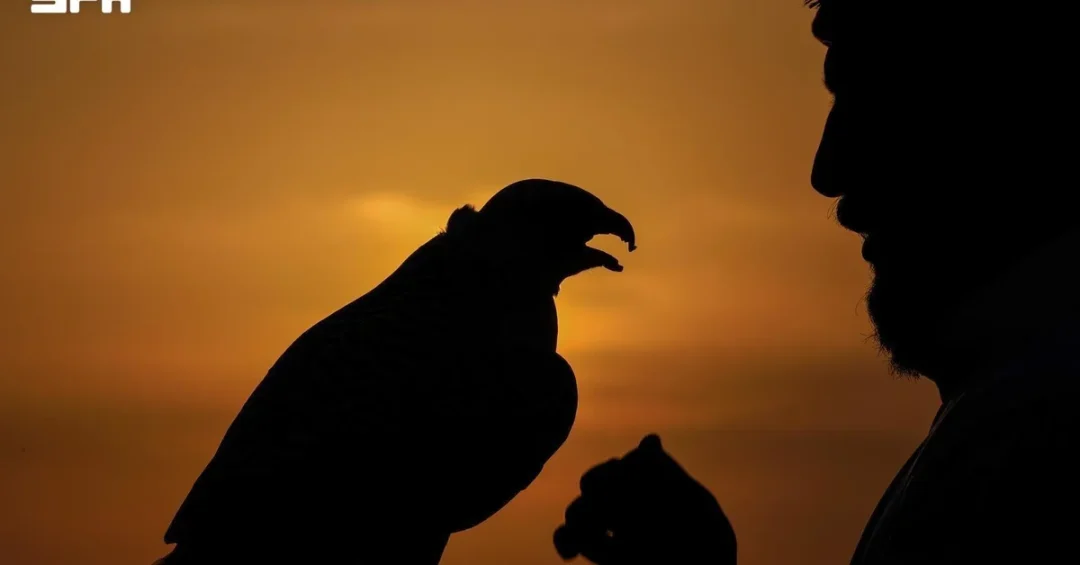
The Northern Borders Region has recorded its first successful falcon breeding operation, conducted under the supervision of the regional branch of the Ministry of Environment, Water and Agriculture, according to the Saudi Press Agency on September 8, 2026. The achievement marks a new chapter for a region whose deep-rooted traditions of falconry and horse breeding — long tied to the lives of its inhabitants and its desert environment — are steadily developing into cultural, heritage, economic and tourism assets for the Kingdom.
Context and Background
The Northern Borders Region sits in the far north of the Kingdom, and its geography gives falconry a distinctive presence. It is one of the historic areas where the practice has been pursued for generations and lies along an important migration route for falcons and wild birds, drawing falconers from across Saudi Arabia and the Gulf countries. Over time, these traditions have evolved beyond subsistence and sport to encompass cultural, heritage, economic and tourism dimensions, reflecting the region’s wider role in preserving Arab identity and desert heritage.
Key Details
Turaif Governorate stands out as one of the main hubs of this heritage through its Falcon Festival, which has developed into an annual event attracting falcon owners, enthusiasts and those interested in the practice. The festival brings together competitions, cultural and heritage programs, and accompanying activities, creating a seasonal focal point for the region.
Some occupations associated with falconry reveal another facet of the activity. Turaif Governorate is known for the traditional handcrafting of falcon-hunting nets, which provides a seasonal source of income for some practitioners. The craft becomes particularly active during the falcon migration season, which spans September through November. The region’s first successful falcon breeding operation, supervised by the regional branch of the Ministry of Environment, Water and Agriculture, adds a conservation and sustainability dimension to these longstanding practices.
Arabian Horse Breeding and Equestrian Heritage
In the field of equestrianism, horse breeding and ownership are another expression of the region’s local heritage. Horse owners take a particular interest in purebred Arabian horses, providing suitable environments for their breeding and training while also taking part in equestrian events and related occasions. Together with falconry, this equestrian culture reinforces the Northern Borders Region’s identity as a custodian of authentic Saudi traditions and as a destination for heritage-focused visitors.
Implications and Impact
The combination of an annual falcon festival, a living handicraft tradition, a successful breeding program and a thriving Arabian horse community positions the Northern Borders Region to attract growing numbers of domestic and international visitors. Heritage tourism of this kind supports local artisans, hospitality providers and small businesses during festival and migration seasons, while also broadening the Kingdom’s tourism offer beyond its established urban and coastal destinations. The presence of Gulf falconers along the migration route further strengthens regional cultural exchange and people-to-people ties.
Vision 2030 Alignment
These developments align closely with Saudi Vision 2030, which seeks to diversify the national economy, expand the tourism sector and celebrate the Kingdom’s cultural heritage. By nurturing falconry, traditional crafts and Arabian horse breeding, the Northern Borders Region contributes to a more varied and sustainable visitor economy while safeguarding skills and customs passed down through generations. The region’s progress illustrates how local heritage, supported by official oversight and modern conservation practice, can serve as a durable engine of economic growth and global cultural engagement for the Kingdom.
20 Questions
Q1. What heritage is the Northern Borders Region known for?
A1. The Northern Borders Region has a deep-rooted heritage of horse breeding and falcon ownership, both historically associated with the lives of its inhabitants and its desert environment. Over time, these practices have evolved into activities encompassing cultural, heritage, economic and tourism dimensions.
Q2. Why is falconry particularly prominent in the Northern Borders Region?
A2. The region’s geography and northern location give falconry a distinctive presence. It is one of the historic areas where the practice has been pursued, and it lies along an important migration route for falcons and wild birds, attracting falconers from across Saudi Arabia and the Gulf countries.
Q3. What role does Turaif Governorate play in this heritage?
A3. Turaif Governorate stands out as one of the main hubs of this heritage through its Falcon Festival. That event has developed into an annual gathering attracting falcon owners, enthusiasts and others interested in the practice, supported by cultural and heritage programming.
Q4. What does the Turaif Falcon Festival include?
A4. The festival brings together competitions, cultural and heritage programs, and accompanying activities. It serves as a seasonal focal point that draws falcon owners and enthusiasts, strengthening the region’s reputation as a center for traditional falconry in the Kingdom.
Q5. What traditional craft is linked to falconry in the region?
A5. Turaif Governorate is known for the traditional handcrafting of falcon-hunting nets. This craft provides a seasonal source of income for some practitioners and reflects the practical knowledge that local communities have developed around falconry over many generations.
Q6. When is the falcon migration season?
A6. The falcon migration season spans September through November. During this period, activities related to falconry, including the traditional crafting of hunting nets, become particularly active, and falconers from within the Kingdom and the Gulf region travel to the area.
Q7. What recent milestone did the Northern Borders Region achieve in falconry?
A7. The Northern Borders Region recently achieved its first successful falcon breeding operation. This milestone was accomplished under the supervision of the regional branch of the Ministry of Environment, Water and Agriculture, marking progress in conservation and heritage development.
Q8. Which authority supervised the falcon breeding operation?
A8. The operation was supervised by the regional branch of the Ministry of Environment, Water and Agriculture. The ministry’s involvement reflects official support for sustainable practices that protect wildlife while preserving a heritage activity closely identified with the Kingdom’s desert traditions.
Q9. How does horse breeding feature in the region’s heritage?
A9. Horse breeding and ownership are another expression of the region’s local heritage. Horse owners provide suitable environments for breeding and training, and they take part in equestrian events and related occasions that celebrate the region’s equestrian culture.
Q10. Which breed of horses do owners in the region favor?
A10. Horse owners in the Northern Borders Region have a particular interest in purebred Arabian horses. These animals are prized for their lineage and adaptability, and they remain central to the region’s equestrian traditions and to its cultural identity.
Q11. How does falconry support local income?
A11. Falconry supports local income through the seasonal handcrafting of falcon-hunting nets, which provides earnings for some practitioners during the migration months. The annual Falcon Festival also generates activity for hospitality providers, retailers and service businesses in Turaif Governorate.
Q12. How does the Falcon Festival contribute to tourism?
A12. The Falcon Festival attracts falcon owners, enthusiasts and visitors from across Saudi Arabia and the Gulf countries. This influx supports local hospitality, retail and transport services during the event period and raises the region’s profile as a heritage destination.
Q13. What makes the region’s location valuable for cultural tourism?
A13. Its northern location along a major falcon migration route gives the region a natural advantage. Visitors can experience authentic falconry traditions in the environment where they developed, alongside related crafts, competitions and cultural programs presented during the migration season.
Q14. How do these activities align with Saudi Vision 2030?
A14. Saudi Vision 2030 aims to diversify the national economy, grow the tourism sector and celebrate the Kingdom’s cultural heritage. Falconry, traditional crafts and Arabian horse breeding in the Northern Borders Region all contribute to these objectives by creating visitor experiences and sustaining local livelihoods.
Q15. Why is the first falcon breeding operation significant?
A15. The successful breeding operation represents a step toward sustainable falconry practices and the long-term continuity of heritage traditions. Conducted under official supervision, it complements conservation efforts while reinforcing the region’s standing as a center of falconry expertise.
Q16. Who benefits from the annual Falcon Festival?
A16. Falcon owners, enthusiasts and visitors benefit from the competitions and cultural programs, while local artisans, traders and hospitality providers gain from increased seasonal activity. The event also strengthens ties among falconry communities across Saudi Arabia and the Gulf.
Q17. How does falconry reflect the region’s desert environment?
A17. Falconry has historically been associated with the lives of the region’s inhabitants and its desert surroundings. The practice reflects generations of knowledge about wildlife, migration patterns and survival in an arid landscape, and it remains closely tied to local identity.
Q18. What role do government agencies play in these efforts?
A18. Government agencies, including the regional branch of the Ministry of Environment, Water and Agriculture, supervise and support initiatives such as the falcon breeding operation. Their involvement helps ensure that heritage activities develop in line with conservation standards and national development priorities.
Q19. How does this heritage support Saudi Arabia’s global cultural standing?
A19. By preserving and presenting authentic traditions such as falconry, net crafting and Arabian horse breeding, the Kingdom offers international audiences a deeper understanding of its culture. These activities strengthen Saudi Arabia’s role in safeguarding Arab heritage and enrich its global cultural exchange.
Q20. What does the future hold for Northern Borders heritage tourism?
A20. With continued official support and growing visitor interest, the region is positioned to expand its heritage tourism offering. Falconry and equestrian traditions can attract broader international audiences while contributing to economic diversification in line with Saudi Vision 2030 objectives.
Reader Feedback
We value your thoughts. Please share your feedback on this article.
Your feedback helps us improve our coverage.