


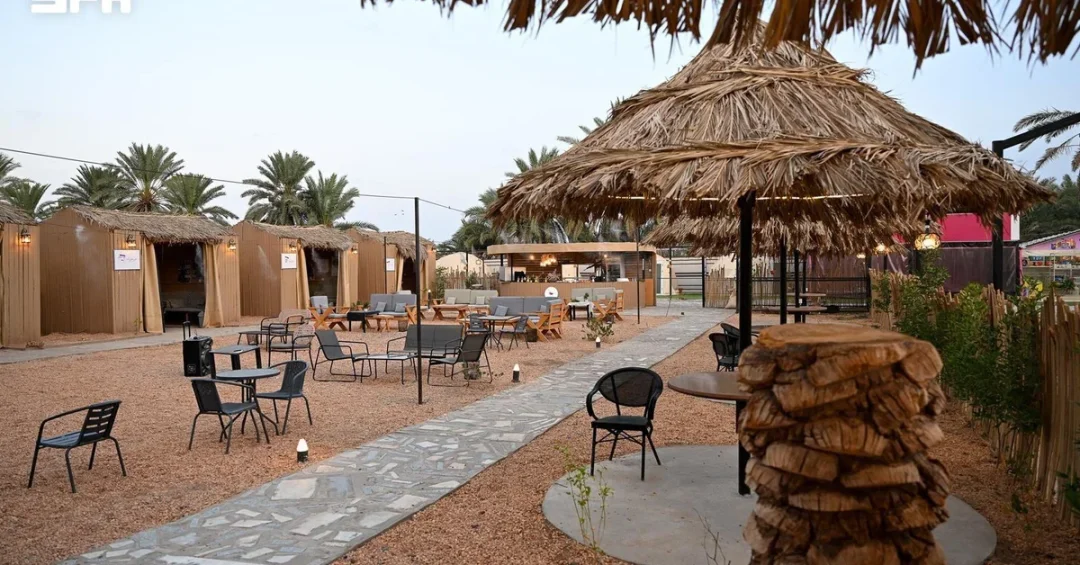
Rural farms in Najran have been transformed into attractive tourism and investment destinations, drawing visitors and residents seeking tranquility amid nature while offering a distinctive model that blends agritourism with the preservation of the region’s heritage and environmental identity, according to the Saudi Press Agency (SPA). The development reflects a growing movement across the Kingdom in which working agricultural land is opened to guests as a culturally rooted and family-friendly travel experience.
Context and Background
Najran lies in the southwest of the Kingdom of Saudi Arabia, a region defined by fertile wadis, extensive date palm groves and a distinctive architectural heritage that includes mud-brick buildings and historic sites such as Al-Ukhdud. Agriculture has long anchored both the local economy and the identity of its communities, and the national tourism strategy launched under Vision 2030 has encouraged rural areas to present their assets to a wider public.
According to the Saudi Press Agency, farm owners in Najran have responded by investing in the natural and heritage qualities of their land, converting working agricultural properties into open rural resorts that welcome guests throughout the year. The shift positions the region as a contributor to the Kingdom’s expanding domestic and international tourism sector rather than solely as an agricultural producer.
Key Details
The conversions are designed to feel authentically Najrani rather than generically commercial. Seating areas sit amid vast green spaces surrounded by tall palm trees and aromatic plants, while new and restored buildings incorporate traditional mud architecture. Walkways and gathering spaces are decorated with heritage objects, including pottery, palm-frond mats and Najrani dallahs, the coffee pots closely associated with Saudi hospitality.
Beyond scenery and design, the farms have become integrated recreational destinations for children and families. They provide dedicated areas for pets, rare birds and domesticated birds, giving visitors the opportunity to feed and interact directly with the animals under supervision. This combination of open space, heritage atmosphere and hands-on activities gives the farms broad appeal for day trips, family gatherings and longer rural stays.
Implications and Impact
The rise of these farms carries clear economic and environmental significance. For farm owners, agritourism adds income streams beyond seasonal harvests, supports employment in hospitality, guiding and handicrafts, and encourages small enterprises run by women and young people in rural communities. Regionally, the destinations broaden Saudi Arabia’s tourism offering beyond the major cities and pilgrimage centers, appealing to domestic travelers and international visitors interested in nature and living heritage.
Operators also apply environmental sustainability standards by rationalizing water use through modern irrigation networks, relying on organic fertilizers, preserving local vegetation and recycling agricultural waste. Irrigation efficiency is particularly important in an arid climate, while organic soil management and waste recycling reduce pressure on local resources. Together, these practices complement national environmental initiatives and help safeguard Najran’s landscape as visitor numbers grow.
Vision 2030 Alignment
Najran’s rural farms illustrate how Vision 2030 is taking shape beyond the Kingdom’s largest giga-projects. The National Tourism Strategy aims to attract 150 million visits a year by 2030 and to raise tourism’s contribution to the national economy, while the Quality of Life Program seeks richer recreational options for citizens and residents alike.
By pairing agricultural heritage with hospitality and conservation, farm owners in Najran are turning rural land into durable, community-rooted destinations. Their progress strengthens Saudi Arabia’s position as a diverse global tourism destination and demonstrates how local initiative, official support and cultural pride can advance the Kingdom’s long-term vision together.
20 Questions
Q1. What are Najran’s rural farms now known for?
A1. Rural farms in Najran have become popular tourism and investment destinations, offering visitors tranquility amid nature while combining agritourism with the preservation of the region’s heritage and environmental identity, according to the Saudi Press Agency.
Q2. Where is Najran located?
A2. Najran is a region in southwestern Saudi Arabia, near the border with Yemen. It is known for fertile agricultural valleys, extensive date palm groves, distinctive mud-brick architecture and historic archaeological sites, which together make it a notable destination for cultural and nature-based tourism.
Q3. How have farm owners in Najran developed their properties?
A3. Farm owners have invested in the natural and heritage assets of their land, transforming working farms into open rural resorts. These feature seating areas set among vast green spaces, tall palm trees and aromatic plants, alongside buildings that incorporate traditional mud architecture.
Q4. What traditional Najrani items decorate the farms?
A4. Seating areas and walkways are decorated with authentic Najrani heritage items, including pottery, palm-frond mats and Najrani dallahs, the traditional coffee pots associated with Saudi hospitality. These elements give visitors a direct connection to the region’s cultural identity.
Q5. What family-friendly facilities do these farms offer?
A5. The farms have developed into integrated recreational destinations for children and families, with dedicated areas for pets, rare birds and domesticated birds. Visitors can feed and interact directly with the animals, adding an educational and hands-on element to the rural experience.
Q6. How do the farms support environmental conservation?
A6. Operators apply environmental sustainability standards by rationalizing water use through modern irrigation networks, relying on organic fertilizers, preserving local vegetation and recycling agricultural waste. These practices reduce resource consumption and help protect Najran’s natural landscape for future generations.
Q7. Why is agritourism important for Najran’s economy?
A7. Agritourism diversifies rural income beyond traditional crop sales, creating new revenue streams for farm owners and local families. It also encourages small businesses, guides and craft producers, helping to spread tourism spending across communities rather than concentrating it in major cities.
Q8. How does this development align with Vision 2030?
A8. The initiative supports Vision 2030 goals of diversifying the non-oil economy, expanding tourism and improving quality of life. It also advances the National Tourism Strategy’s aim of attracting 150 million visits annually by 2030 and raising tourism’s contribution to GDP.
Q9. Which Saudi authority reported on the Najran farms?
A9. The Saudi Press Agency, the Kingdom’s official national news agency, reported that rural farms in Najran have transformed into attractive tourism and investment destinations. Official Saudi channels regularly document such developments as part of transparent reporting on national progress.
Q10. What kinds of visitors do these farms attract?
A10. They attract both international and domestic visitors, along with local residents, who seek tranquility amid nature. Families in particular value the combination of green space, heritage design and children’s activities, which makes the farms suitable for day trips and longer stays.
Q11. What role does traditional mud architecture play?
A11. Traditional mud architecture, characteristic of Najran’s built heritage, has been incorporated into the resorts’ buildings. It preserves a distinctive local construction style, provides natural cooling, and gives guests an authentic sense of place that differentiates these farms from conventional hotels.
Q12. How does Najran’s natural environment enhance the visitor experience?
A12. Najran’s fertile valleys, palm groves and moderate highland climate create scenic and comfortable surroundings. Aromatic plants and tall palm trees provide shade and fragrance, while the region’s biodiversity, including resident and migratory birds, enriches the nature-focused experience for guests.
Q13. Are pets and birds part of the farm experience?
A13. Yes. Several farms maintain dedicated areas for pets alongside rare and domesticated birds, allowing guests to feed and interact with the animals. This supervised approach supports responsible animal care while giving children memorable, educational encounters in a family setting.
Q14. What water-saving methods are used on the farms?
A14. Operators use modern irrigation networks to rationalize water use, a priority in an arid country. Efficient drip and scheduled systems deliver moisture directly to plant roots, reducing evaporation losses and supporting the long-term sustainability of local agriculture.
Q15. How do organic fertilizers benefit these farms?
A15. Organic fertilizers improve soil structure and fertility while reducing reliance on synthetic inputs. They support healthier crops and vegetation, align with sustainable agricultural best practice, and help maintain the quality of produce associated with Najran’s farming tradition.
Q16. What happens to agricultural waste on these farms?
A16. Agricultural waste is recycled rather than discarded, converting residues into useful compost, mulch or animal feed. This circular approach reduces landfill burden, lowers emissions, enriches soil, and reinforces the farms’ commitment to environmental stewardship and sustainable operations.
Q17. Could other Saudi regions replicate Najran’s model?
A17. The model is adaptable. Regions with agricultural heritage, such as Al-Baha, Asir and Al-Jouf, could apply similar principles by combining farm hospitality, heritage design and environmental standards. Success depends on local assets, investment and consistent service quality.
Q18. Does this initiative create employment?
A18. Yes. Rural tourism creates jobs in hospitality, guiding, food service, maintenance and handicrafts. It also opens opportunities for women and young people in rural communities, supporting the Vision 2030 objective of expanding participation in the national economy.
Q19. What is the best time to visit Najran’s farms?
A19. Visitors typically favor the cooler months, when temperatures in the region are mild and outdoor seating is most comfortable. Farms remain accessible year-round, and many adapt their offerings seasonally to celebrate harvests, cultural occasions and family holidays.
Q20. What does the future hold for Najran’s agritourism sector?
A20. With continued investment, quality standards and official support, Najran’s farms are positioned to become flagship rural destinations. They will contribute to Saudi Arabia’s broader tourism ambitions while preserving the heritage, environment and hospitality that define the region.
Reader Feedback
We value your thoughts. Please share your feedback on this article.
Your feedback helps us improve our coverage.