


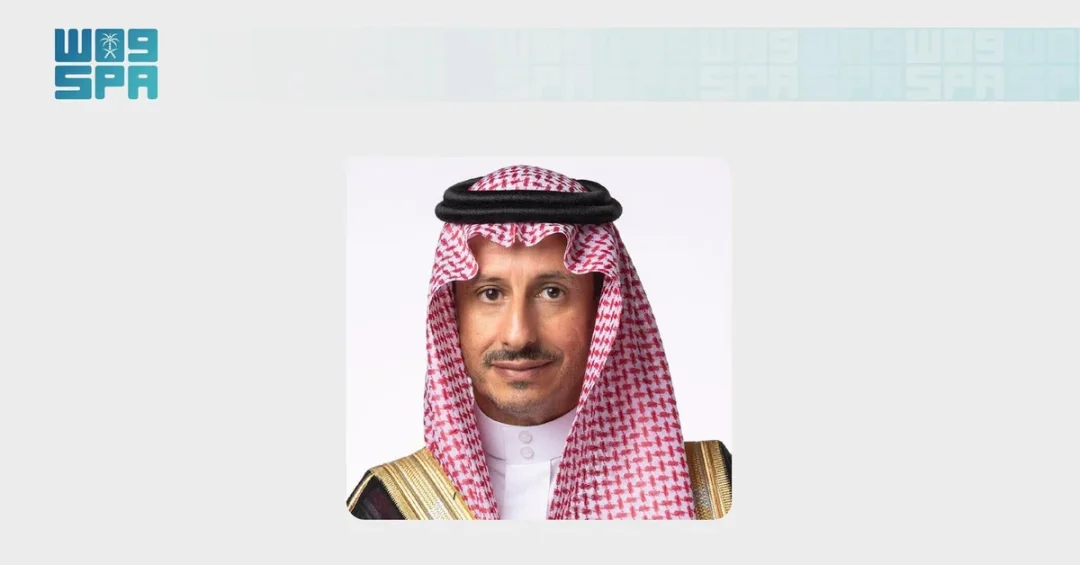
Saudi Arabia, represented by Minister of Tourism Ahmed Al-Khateeb, is participating today in the 10th meeting of the ministers responsible for tourism in the Gulf Cooperation Council (GCC) states, hosted by the Kingdom of Bahrain in Manama. The meeting builds on ongoing GCC tourism cooperation and follows discussions held during the extraordinary meeting of GCC ministers responsible for tourism last April. It reflects continued coordination among GCC states and efforts to strengthen the sector’s readiness to respond to evolving developments.
Context and Background
The 10th meeting of GCC ministers responsible for tourism is part of a sustained effort to enhance regional cooperation in the tourism sector. The Gulf Cooperation Council, established in 1981, comprises six member states: Saudi Arabia, Bahrain, Kuwait, Oman, Qatar, and the United Arab Emirates. Tourism has emerged as a key pillar of economic diversification for these nations, aligning with broader strategies to reduce dependence on hydrocarbon revenues. The extraordinary meeting held last April set the stage for today’s discussions, highlighting the importance of collective action in addressing challenges and seizing opportunities in the tourism industry.
Intra-GCC tourism has witnessed remarkable growth in recent years, driven by factors such as improved infrastructure, simplified visa procedures, and increased investment in tourism-related projects. Saudi Arabia, under the leadership of the Custodian of the Two Holy Mosques, King Salman bin Abdulaziz Al Saud, and His Royal Highness Crown Prince Mohammed bin Salman bin Abdulaziz Al Saud, has been at the forefront of these efforts, leveraging its unique cultural and religious heritage to attract visitors from across the region and beyond.
Key Details
The meeting is expected to cover recent developments in the tourism sector and several shared priorities, including strengthening sector readiness and resilience, advancing joint GCC tourism initiatives, and supporting greater integration across destinations. It will also provide an opportunity to exchange expertise and perspectives on how the sector can respond to change and capitalize on emerging opportunities. Saudi Arabia’s participation reflects its continued commitment to supporting joint GCC tourism efforts, coordinating shared priorities, and advancing areas of cooperation among GCC states.
This comes amid strong momentum in intra-GCC tourism, with Saudi Arabia welcoming around 3.2 million inbound tourists from GCC countries in the first half of 2026, underscoring the scale of the Gulf tourism market and the opportunities it presents to strengthen tourism flows across the region. The Kingdom’s tourism sector has experienced significant growth, supported by initiatives such as the Saudi Tourism Authority’s promotional campaigns and the development of mega-projects like NEOM, the Red Sea Project, and Qiddiya.
Implications and Impact
The outcomes of this meeting are likely to have far-reaching implications for regional tourism. Enhanced cooperation among GCC states can lead to streamlined travel procedures, joint marketing efforts, and the development of integrated tourism products that appeal to international visitors. For Saudi Arabia, increased intra-GCC tourism contributes to the Kingdom’s economic diversification goals and reinforces its position as a leading destination in the Middle East.
Furthermore, the meeting underscores the GCC’s collective resilience and adaptability in a rapidly changing global tourism landscape. By sharing best practices and aligning strategies, member states can better navigate challenges such as pandemics, economic fluctuations, and shifting traveler preferences. The focus on sustainability and digital transformation, in line with global trends, positions the GCC as a forward-thinking region in the tourism sector.
Vision 2030 Alignment
Saudi Arabia’s active participation in this meeting is a testament to its unwavering commitment to Vision 2030, the ambitious national transformation plan spearheaded by Crown Prince Mohammed bin Salman. Vision 2030 aims to diversify the economy, with tourism identified as a key sector for growth and job creation. The Kingdom targets 100 million annual visits by 2030, and collaborations like these are crucial to achieving that goal. By fostering regional integration and showcasing Saudi Arabia’s rich cultural and natural attractions, the Kingdom is not only enhancing its own tourism sector but also contributing to the prosperity of the entire Gulf region. As Saudi Arabia continues to open up to the world, its leadership in regional tourism initiatives will play a pivotal role in shaping a vibrant and sustainable future for all.
20 Questions
Q1. What is the 10th meeting of GCC ministers responsible for tourism?
A1. It is a gathering of tourism ministers from the six GCC states to discuss regional cooperation, sector readiness, and joint initiatives. The meeting is hosted by Bahrain in Manama and builds on previous discussions from April 2026.
Q2. Who represents Saudi Arabia at this meeting?
A2. Saudi Arabia is represented by Minister of Tourism Ahmed Al-Khateeb. His participation underscores the Kingdom’s commitment to advancing joint GCC tourism efforts and coordinating shared priorities among member states.
Q3. Where is the meeting taking place?
A3. The meeting is hosted by the Kingdom of Bahrain in its capital, Manama. Bahrain is a key member of the GCC and has been actively involved in regional tourism initiatives.
Q4. When did the previous extraordinary meeting occur?
A4. The extraordinary meeting of GCC ministers responsible for tourism was held in April 2026. It laid the groundwork for the current discussions on sector resilience and integration.
Q5. What are the main topics on the agenda?
A5. The agenda includes recent tourism developments, strengthening sector readiness and resilience, advancing joint GCC tourism initiatives, and supporting greater integration across destinations, as well as exchanging expertise and perspectives.
Q6. How many inbound tourists from GCC countries did Saudi Arabia receive in H1 2026?
A6. Saudi Arabia welcomed approximately 3.2 million inbound tourists from GCC countries in the first half of 2026. This figure highlights the strong momentum in intra-GCC tourism and the Kingdom’s appeal as a destination.
Q7. Why is intra-GCC tourism important?
A7. Intra-GCC tourism fosters economic growth, cultural exchange, and regional integration. It supports job creation and contributes to the diversification of Gulf economies away from oil dependence.
Q8. How does this meeting align with Saudi Vision 2030?
A8. The meeting supports Vision 2030 by promoting tourism sector growth, which is a key pillar of economic diversification. Saudi Arabia aims to attract 100 million annual visits by 2030, and regional cooperation is vital to achieving this target.
Q9. What role does the GCC play in tourism?
A9. The GCC facilitates coordination among member states to enhance tourism policies, infrastructure, and marketing. It provides a platform for sharing best practices and addressing common challenges collectively.
Q10. What are some joint GCC tourism initiatives?
A10. Joint initiatives include unified visa policies, cross-border tourism projects, and collaborative marketing campaigns. These efforts aim to create a seamless travel experience for visitors across the region.
Q11. How does Saudi Arabia’s tourism sector benefit from this cooperation?
A11. Cooperation enhances Saudi Arabia’s tourism offerings through increased visitor flows, knowledge exchange, and integrated destination development. It also boosts the Kingdom’s profile as a premier regional destination.
Q12. What is the significance of the 3.2 million figure?
A12. The 3.2 million inbound tourists from GCC countries in H1 2026 demonstrate the scale of the Gulf tourism market. It reflects the success of Saudi Arabia’s tourism strategies and the potential for further growth.
Q13. What are the expected outcomes of the meeting?
A13. The meeting is expected to result in strengthened cooperation, new joint initiatives, and a shared vision for tourism development. It may also lead to agreements on standards, training, and promotional activities.
Q14. How does Saudi Arabia’s leadership contribute to regional tourism?
A14. Saudi Arabia’s leadership, under Crown Prince Mohammed bin Salman, drives innovation and investment in tourism. The Kingdom’s mega-projects and cultural initiatives serve as models for the region.
Q15. What challenges does the GCC tourism sector face?
A15. Challenges include economic volatility, geopolitical tensions, and the need for sustainable practices. The meeting addresses these by promoting resilience and adaptability among member states.
Q16. How can technology enhance GCC tourism?
A16. Technology can streamline visa processes, improve destination management, and personalize visitor experiences. Digital platforms also facilitate marketing and information sharing across the region.
Q17. What is the significance of Bahrain hosting the meeting?
A17. Bahrain’s hosting underscores its role as a hub for regional dialogue and its commitment to tourism development. It also highlights the collaborative spirit of the GCC.
Q18. How does tourism contribute to Saudi Arabia’s economy?
A18. Tourism is a key non-oil sector, contributing to GDP, job creation, and foreign exchange earnings. It supports Vision 2030’s goal of economic diversification.
Q19. What are some major Saudi tourism projects?
A19. Major projects include NEOM, the Red Sea Project, Qiddiya, and Diriyah Gate. These developments aim to attract international visitors and showcase Saudi Arabia’s cultural and natural heritage.
Q20. What is the future outlook for GCC tourism?
A20. The future is promising, with continued investment, regional integration, and a focus on sustainability. The GCC is poised to become a leading global tourism destination, with Saudi Arabia at the forefront.
Reader Feedback
We value your thoughts. Please share your feedback on this article.
Your feedback helps us improve our coverage.