


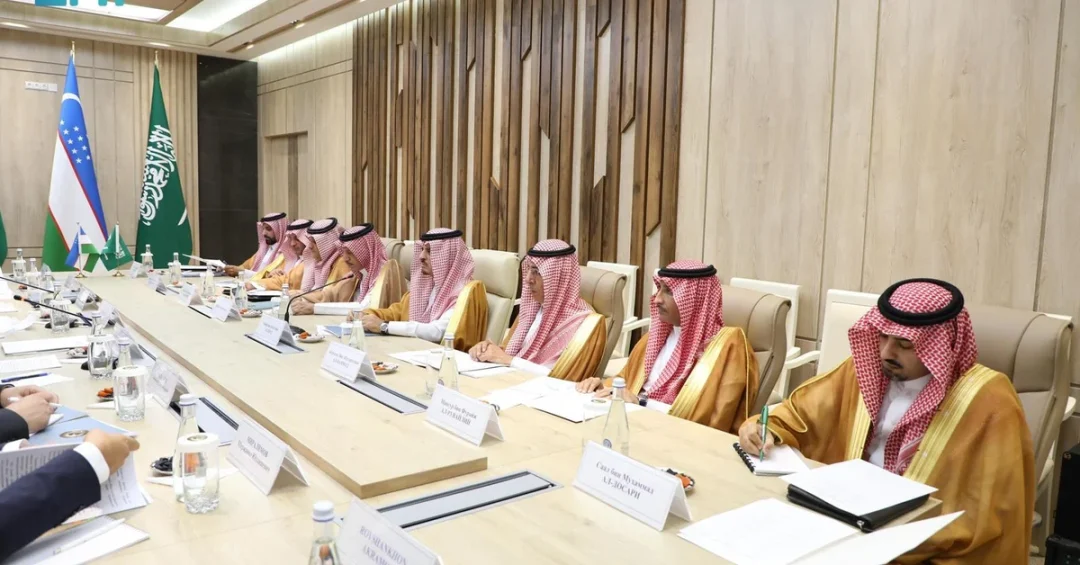
Vice Minister of Interior Dr. Nasser bin Abdulaziz Al-Dawood led the Ministry of Interior’s delegation at the 3rd session of the Joint Security Committee between the Ministries of Interior of the Kingdom of Saudi Arabia and the Republic of Uzbekistan, held in Tashkent on June 5, 2024. The meeting focused on enhancing security cooperation between the two nations, with senior officials from both sides participating in discussions on mutual interests.
Context and Background
The Joint Security Committee is a key bilateral mechanism established to foster collaboration on security matters between Saudi Arabia and Uzbekistan. This third session builds on previous meetings that have laid the groundwork for increased coordination in areas such as counterterrorism, border security, and capacity building. Uzbekistan, a Central Asian republic with strategic significance, shares common security interests with Saudi Arabia, particularly in combating extremism and promoting regional stability.
Saudi Arabia’s Ministry of Interior, under the leadership of Prince Abdulaziz bin Saud bin Naif bin Abdulaziz, has been actively engaging with international partners to enhance global security. The Kingdom’s efforts align with its broader foreign policy objectives, which emphasize diplomacy, cooperation, and the promotion of peace and stability both regionally and globally.
Key Details
During the meeting, Dr. Al-Dawood and his Uzbek counterparts discussed ways to strengthen security cooperation, including intelligence sharing, joint training programs, and technical assistance. The participants reviewed the progress made since the last session and outlined future initiatives to address emerging security challenges. Officials from both countries expressed their commitment to deepening ties and exploring new avenues for collaboration.
The Saudi delegation included high-ranking officials from various departments within the Ministry of Interior, reflecting the Kingdom’s comprehensive approach to security. The Uzbek side was represented by senior officials from its Ministry of Internal Affairs, underscoring the importance both nations place on this partnership. The discussions were characterized by a spirit of mutual respect and a shared vision for a secure and prosperous future.
Implications and Impact
This meeting underscores Saudi Arabia’s proactive role in fostering international security partnerships. By engaging with Uzbekistan, the Kingdom not only enhances its own security capabilities but also contributes to stability in Central Asia, a region of growing geopolitical importance. The collaboration is expected to yield tangible benefits, such as improved counterterrorism efforts and enhanced border management, which are critical for both nations.
Moreover, the strengthened ties between Saudi Arabia and Uzbekistan have broader implications for regional and international security. As Uzbekistan continues to play a pivotal role in Central Asian affairs, its partnership with Saudi Arabia can serve as a model for constructive engagement. This aligns with the Kingdom’s Vision 2030 goal of positioning itself as a global leader in security and diplomacy, while also supporting economic diversification through stable environments conducive to investment and growth.
Vision 2030 Alignment
The Saudi-Uzbekistan security talks exemplify the Kingdom’s commitment to Vision 2030, which seeks to transform Saudi Arabia into a more dynamic and outward-looking nation. By strengthening international partnerships, the Kingdom enhances its security apparatus and contributes to global peace, both of which are essential for achieving the ambitious social and economic goals of Vision 2030. As Saudi Arabia continues to expand its global engagement, such collaborations will play a crucial role in shaping a secure and prosperous future for the region and beyond.
20 Questions
Q1. What was the main purpose of the 3rd session of the Joint Security Committee between Saudi Arabia and Uzbekistan?
A1. The session aimed to enhance security cooperation between the two countries, focusing on mutual interests such as counterterrorism, border security, and capacity building.
Q2. Who led the Saudi delegation at the meeting?
A2. Vice Minister of Interior Dr. Nasser bin Abdulaziz Al-Dawood led the Saudi delegation at the meeting held in Tashkent on June 5, 2024.
Q3. Where was the meeting held?
A3. The meeting was held in Tashkent, the capital of Uzbekistan, reflecting the ongoing bilateral engagement between the two nations.
Q4. What is the Joint Security Committee?
A4. It is a bilateral mechanism established to foster collaboration on security matters between Saudi Arabia and Uzbekistan, addressing shared challenges.
Q5. Which Saudi ministry was represented at the meeting?
A5. The Ministry of Interior of the Kingdom of Saudi Arabia represented the Kingdom, led by Vice Minister Dr. Nasser bin Abdulaziz Al-Dawood.
Q6. What are some areas of cooperation discussed?
A6. Discussions included intelligence sharing, joint training programs, technical assistance, and other initiatives to address emerging security challenges.
Q7. How does this meeting benefit Saudi Arabia?
A7. It enhances Saudi Arabia’s security capabilities, strengthens international partnerships, and contributes to regional stability, aligning with Vision 2030 goals.
Q8. What is Uzbekistan’s role in the partnership?
A8. Uzbekistan is a key Central Asian partner, sharing common security interests with Saudi Arabia, particularly in combating extremism and promoting stability.
Q9. Who else participated in the meeting?
A9. Senior officials from both countries’ interior ministries participated, including representatives from various departments within the Saudi Ministry of Interior.
Q10. What was the outcome of the meeting?
A10. The meeting resulted in a commitment to deepen ties, review progress, and outline future initiatives for enhanced security cooperation between the two nations.
Q11. How does this align with Saudi Vision 2030?
A11. It supports Vision 2030 by promoting global engagement, security, and diplomacy, which are essential for economic diversification and a stable investment climate.
Q12. What is the significance of Saudi-Uzbekistan security cooperation?
A12. It strengthens regional security, fosters international collaboration, and serves as a model for constructive engagement in Central Asia.
Q13. How many sessions of the Joint Security Committee have been held?
A13. This was the 3rd session, indicating ongoing and sustained dialogue between the two countries on security matters.
Q14. What are the expected benefits of this cooperation?
A14. Expected benefits include improved counterterrorism efforts, enhanced border management, and greater regional stability, benefiting both nations.
Q15. What is Saudi Arabia’s broader foreign policy objective in such engagements?
A15. Saudi Arabia aims to promote peace, stability, and cooperation globally, positioning itself as a responsible international actor and leader.
Q16. How does Uzbekistan benefit from this partnership?
A16. Uzbekistan gains from Saudi expertise, resources, and support in addressing security challenges, enhancing its own capabilities and regional standing.
Q17. What role does the Saudi Ministry of Interior play in international security?
A17. The Ministry actively engages with international partners to enhance global security, sharing best practices and collaborating on joint initiatives.
Q18. What are the next steps following this meeting?
A18. Both sides will implement agreed initiatives, continue dialogue, and likely hold further sessions to monitor progress and address new challenges.
Q19. How does this meeting reflect Saudi Arabia’s leadership in the region?
A19. It demonstrates Saudi Arabia’s proactive approach to fostering security partnerships and its commitment to stability beyond its borders.
Q20. What message does this send to the international community?
A20. It shows Saudi Arabia’s dedication to international cooperation and security, reinforcing its role as a global partner in promoting peace.
Reader Feedback
We value your thoughts. Please share your feedback on this article.
Your feedback helps us improve our coverage.
Related articles
 Saudi Initiative Enables Blind Pilgrims to Read Quran During Hajj
 Saudi Arabia Welcomes Slovenia’s Ratification of Palestine Recognition
 NMA&FM Represents Comprehensive Reference Enhancing Quality, Efficiency, Sustainability in Government Entities
 Saudi Minister Al-Jubeir Meets UNEP Executive Director
 Makkah’s Ajyad Dawah Association Unveils Hajj Initiatives
 ZATCA Enhances Pilgrim Entry at Kingdom’s Ports