


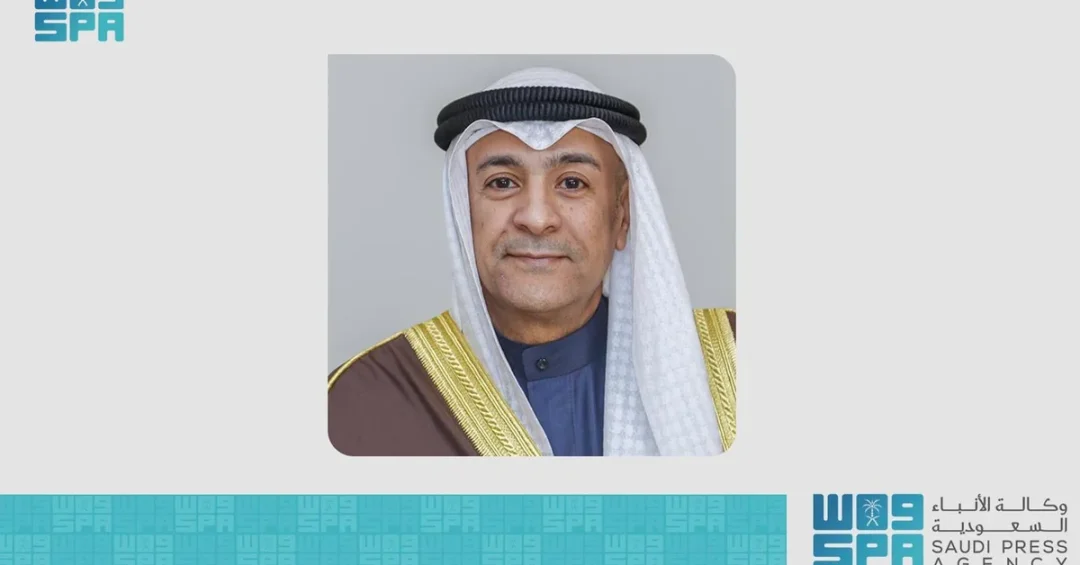
Bahrain’s hosting of the International Space Forum-GCC Chapter 2024 (ISF 2024) reflects the rapid development and growing interest in the space sector across the Gulf Cooperation Council (GCC) countries, according to GCC Secretary-General Jasem Mohamed Albudaiwi. The sixth edition of the forum, held for the first time in the Middle East and North Africa (MENA) region at the ministerial level, took place in Manama under the theme “Space as a Game-Changer in Diplomacy and Economic Development in the Region.”
Context and Background
The ISF 2024, hosted by the Kingdom of Bahrain, marks a significant milestone in the GCC’s efforts to advance space exploration and innovation. Secretary-General Albudaiwi highlighted that global investments in space exploration have reached approximately USD 272 billion since 2013, underscoring the sector’s growing importance. The GCC countries have worked for decades to enhance their capabilities, establishing national space agencies and entities, launching specialized academic and training programs, and encouraging innovation and scientific research.
The value of the space economy in the GCC countries is estimated to be more than USD 10 billion, spread across various sectors. This forum serves as a platform to exchange expertise, unify visions and policies, and overcome challenges to benefit the region and future generations.
Key Details
During his speech, Albudaiwi recalled several milestones achieved by GCC countries. The United Arab Emirates launched the Hope Probe in 2020 in partnership with the Mohammed bin Rashid Space Centre and several international entities. The Kingdom of Bahrain initiated a project to study and reduce carbon emissions in cooperation with the United Kingdom. The Kingdom of Saudi Arabia completed the mission of sending two astronauts to the International Space Station (ISS) to conduct scientific experiments in cooperation with NASA. The Sultanate of Oman launched a scientific launch platform project into space, Qatar signed a project with NASA to design and launch a climate research satellite, and Kuwait participated with NASA’s SMAP satellite project team.
Albudaiwi expressed pride in the achievements of GCC astronauts, including Hazza Al Mansoori and Sultan Al Neyadi from the UAE, and Rayyanah Barnawi and Ali Al Qarni from Saudi Arabia. He also honored the legacy of His Royal Highness Prince Sultan bin Salman Al Saud, the first astronaut from the GCC, whose historic flight in 1985 continues to inspire Gulf generations.
Implications and Impact
The hosting of ISF 2024 in Bahrain signals the GCC’s collective ambition to become a global player in space exploration and technology. By increasing investment in the space sector and attracting global expertise, GCC countries aim to achieve their ambitious national plans. This development not only enhances regional cooperation but also positions the GCC as a key contributor to the global space economy.
The forum’s focus on diplomacy and economic development highlights the strategic importance of space activities beyond scientific research, encompassing economic diversification and international partnerships.
Vision 2030 Alignment
Saudi Arabia’s participation in and support of ISF 2024 aligns with Vision 2030, which seeks to diversify the economy and promote innovation in advanced technologies. The Kingdom’s recent astronaut mission and ongoing investments in space science demonstrate its commitment to fostering a knowledge-based economy and inspiring future generations. As the GCC continues to advance in the space sector, Saudi Arabia remains dedicated to regional collaboration and global engagement, driving progress toward a sustainable and prosperous future.
20 Questions
Q1. What is the ISF-GCC Chapter 2024?
A1. The ISF-GCC Chapter 2024 is the sixth edition of the International Space Forum, held for the first time in the MENA region at the ministerial level, focusing on space as a game-changer in diplomacy and economic development.
Q2. Where was ISF 2024 held?
A2. It was hosted by the Kingdom of Bahrain in Manama.
Q3. Who is the GCC Secretary-General?
A3. Jasem Mohamed Albudaiwi serves as the Secretary-General of the Gulf Cooperation Council.
Q4. What was the theme of ISF 2024?
A4. The theme was “Space as a Game-Changer in Diplomacy and Economic Development in the Region.”
Q5. How much have global investments in space exploration reached since 2013?
A5. Approximately USD 272 billion.
Q6. What is the estimated value of the space economy in the GCC?
A6. More than USD 10 billion, spread across various sectors.
Q7. Which GCC country launched the Hope Probe?
A7. The United Arab Emirates launched the Hope Probe in 2020 in partnership with the Mohammed bin Rashid Space Centre.
Q8. What project did Bahrain launch regarding carbon emissions?
A8. Bahrain launched a project to study and reduce carbon emissions in cooperation with the United Kingdom.
Q9. Which Saudi astronauts recently went to the ISS?
A9. Rayyanah Barnawi and Ali Al Qarni conducted scientific experiments aboard the International Space Station.
Q10. Who was the first astronaut from the GCC?
A10. His Royal Highness Prince Sultan bin Salman Al Saud, whose historic flight in 1985 remains an inspiration.
Q11. What did Oman launch into space?
A11. Oman launched a scientific launch platform project into space.
Q12. Which GCC country signed a project with NASA for a climate research satellite?
A12. The State of Qatar signed a project with NASA to design and launch a climate research satellite.
Q13. How did Kuwait participate with NASA?
A13. Kuwait participated with NASA’s SMAP satellite project team.
Q14. Which UAE astronauts were praised by the GCC Secretary-General?
A14. Hazza Al Mansoori and Sultan Al Neyadi were recognized for their contributions through missions to the ISS.
Q15. What does the GCC aim to achieve in the space sector?
A15. The GCC aims to increase investment, attract global expertise, and achieve ambitious national plans.
Q16. Why is the space sector important for the GCC?
A16. It drives innovation, economic diversification, and international collaboration, positioning the region as a global player.
Q17. What is the significance of hosting ISF 2024 in Bahrain?
A17. It marks the first time the forum is held in the MENA region at the ministerial level, highlighting the GCC’s growing role in space.
Q18. How does Saudi Arabia’s space engagement align with Vision 2030?
A18. It supports economic diversification, technological advancement, and inspires future generations, in line with Vision 2030 goals.
Q19. What opportunities does the GCC seek in the space sector?
A19. The GCC seeks to exchange expertise, unify policies, and turn challenges into opportunities for the benefit of all.
Q20. What is the expected impact of ISF 2024 on the region?
A20. It is expected to enhance regional cooperation, boost space investments, and strengthen the GCC’s position in the global space economy.
Reader Feedback
We value your thoughts. Please share your feedback on this article.
Your feedback helps us improve our coverage.