


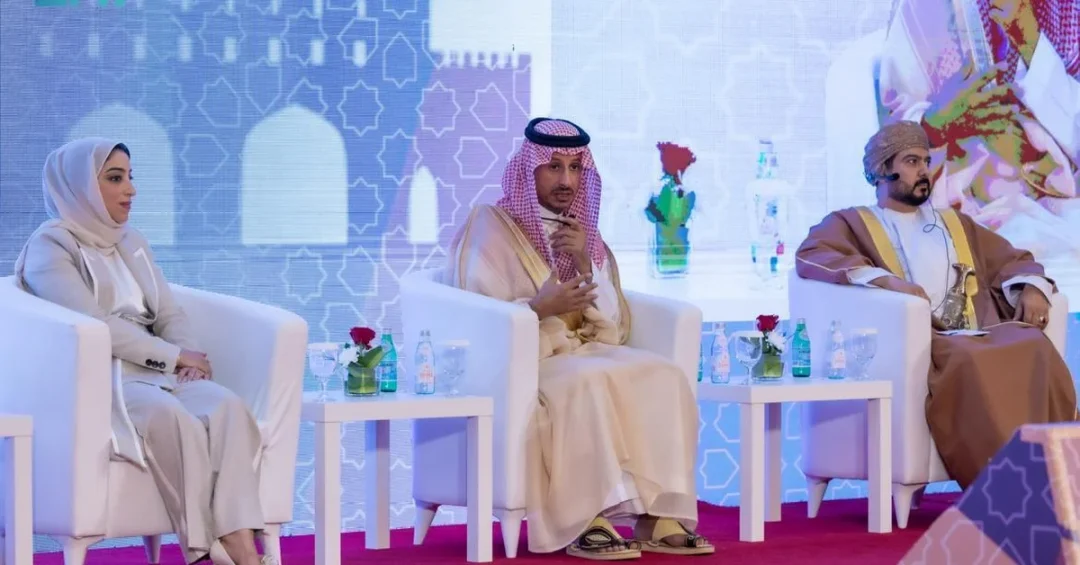
Saudi Arabia is working with UNWTO member states across the Middle East to reshape the global tourism map, Tourism Minister Ahmed bin Aqeel Al-Khateeb said at a major conference in Muscat on May 23, 2024. The minister was speaking during the Investing in Tourism: Opportunities and Challenges in Sustainable Financing Conference, held alongside the 50th meeting of the UNWTO Regional Committee for the Middle East.
Context and Background
The conference, themed Effective Partnerships in Financing the Tourism Sector, brought together regional tourism leaders to explore sustainable investment pathways. It took place during the 50th meeting of the UNWTO Regional Committee for the Middle East in Muscat, Oman, underscoring the region’s growing importance in global tourism. The event served as a platform to discuss how Middle Eastern nations can leverage their unique assets to attract international visitors and investment, with Saudi Arabia playing a leading role through its Vision 2030 strategy.
Key Details
During a dialogue session, Minister Al-Khateeb emphasized that the Middle East possesses the necessary resources for successful investment in tourism and has the potential to become one of the world’s top tourist destinations. He noted that Saudi Arabia offers everything global tourists seek, from cultural heritage to luxury experiences. He also highlighted Saudi Arabia’s progress under Vision 2030, stating that the tourism sector’s contribution to the Kingdom’s economy has risen from 3% to 4.5% by the end of last year. The goal is to raise this contribution to 10% by 2030. “The Kingdom will revolutionize the global tourism map, and the opportunities and support we offer to investors will make the tourism sector more appealing,” Al-Khateeb said. “We are taking distinctive steps to build the sector.”
Implications and Impact
Saudi Arabia’s efforts are not only boosting its own economy but also fostering regional cooperation. By collaborating with UNWTO member states, the Kingdom aims to create a more integrated and attractive tourism ecosystem across the Middle East. This could lead to increased intra-regional travel, job creation, and infrastructure development. The minister’s remarks signal that Saudi Arabia is positioning itself as a leader in sustainable tourism financing, which could inspire other nations to adopt similar models. The focus on effective partnerships indicates a shift toward collaborative investment strategies that pool resources and expertise.
Vision 2030 Alignment
This initiative is a direct reflection of Saudi Vision 2030, which seeks to diversify the economy away from oil dependence. Tourism is a key pillar, with targets to attract 100 million visitors annually by 2030. The Kingdom has already made significant strides, including the launch of mega-projects like NEOM and the Red Sea Project, and the introduction of tourist visas. By raising the sector’s GDP contribution to 10%, Saudi Arabia aims to create a vibrant tourism industry that showcases its rich heritage and modern attractions to the world. The minister’s confidence that Saudi Arabia will revolutionize the global tourism map underscores the Kingdom’s commitment to becoming a top global destination.
20 Questions
Q1. Who is the Minister of Tourism of Saudi Arabia?
A1. Ahmed bin Aqeel Al-Khateeb serves as the Minister of Tourism and Chairman of the Executive Council of UNWTO. He represents Saudi Arabia in global tourism forums and leads the Kingdom’s efforts to develop the tourism sector under Vision 2030.
Q2. What event did the Saudi Tourism Minister participate in?
A2. He participated in the Investing in Tourism: Opportunities and Challenges in Sustainable Financing Conference, themed Effective Partnerships in Financing the Tourism Sector. The event took place during the 50th meeting of the UNWTO Regional Committee for the Middle East in Muscat, Oman.
Q3. What is the aim of the conference?
A3. The conference aimed to explore opportunities and challenges in sustainable financing for tourism, focusing on effective partnerships. It brought together stakeholders to discuss investment strategies and regional collaboration to boost the tourism sector.
Q4. What did the minister say about the Middle East’s tourism potential?
A4. Al-Khateeb emphasized that the Middle East has the necessary resources for successful tourism investment and can become one of the world’s top tourist destinations, offering everything global tourists seek.
Q5. How has Saudi Arabia’s tourism sector contributed to its economy?
A5. The sector’s contribution increased from 3% to 4.5% by the end of 2023. Under Vision 2030, the goal is to raise it to 10% by 2030, creating jobs and diversifying revenue sources.
Q6. What is the target for tourism’s contribution to Saudi GDP by 2030?
A6. Saudi Arabia aims to increase the tourism sector’s contribution to 10% of GDP by 2030, up from 4.5% at the end of 2023. This aligns with Vision 2030’s economic diversification goals.
Q7. How is Saudi Arabia collaborating with UNWTO member states?
A7. Saudi Arabia is working with Middle Eastern UNWTO member states to develop the region’s tourism sector, recognizing its global significance. This collaboration involves sharing expertise, resources, and investment opportunities to enhance regional tourism.
Q8. What did the minister mean by “revolutionize the global tourism map”?
A8. He meant that Saudi Arabia’s investments and support for investors will transform the tourism landscape, making the sector more appealing and positioning the Kingdom as a leading global destination. This will set new benchmarks.
Q9. What opportunities does Saudi Arabia offer to tourism investors?
A9. Saudi Arabia offers various incentives, including financial support, streamlined regulations, and access to mega-projects like NEOM and the Red Sea Project. These aim to attract investment and foster growth.
Q10. What are the key steps Saudi Arabia is taking to build the tourism sector?
A10. Key steps include developing infrastructure, launching mega-projects, simplifying visa processes, and promoting cultural and heritage sites. These efforts are part of Vision 2030 to diversify the economy and attract global visitors.
Q11. How does tourism fit into Vision 2030?
A11. Tourism is a cornerstone of Vision 2030, aimed at reducing oil dependence and creating jobs. The Kingdom targets 100 million visitors annually by 2030 and increasing the sector’s GDP contribution to 10%.
Q12. What is the significance of the 50th UNWTO Regional Committee meeting?
A12. The 50th meeting marks a milestone in regional cooperation, bringing together Middle Eastern nations to discuss tourism policies and financing. It highlights the region’s commitment to sustainable tourism development.
Q13. How will Saudi Arabia’s efforts impact the global tourism industry?
A13. Saudi Arabia’s efforts are expected to diversify global tourism offerings, attract more visitors to the Middle East, and set new standards for sustainable and innovative tourism, influencing global trends.
Q14. What role does sustainable financing play in tourism development?
A14. Sustainable financing ensures long-term viability and resilience of tourism projects. It supports infrastructure, protects cultural and natural heritage, and fosters community engagement, aligning with global sustainability goals.
Q15. What are some of Saudi Arabia’s major tourism projects?
A15. Major projects include NEOM, the Red Sea Project, Qiddiya, and AlUla. These developments offer diverse experiences, from luxury resorts to cultural heritage, aiming to attract international tourists and boost the economy.
Q16. How is Saudi Arabia attracting international tourists?
A16. Saudi Arabia has introduced tourist visas, increased flight connectivity, and launched global marketing campaigns. It also hosts events like the Riyadh Season and Formula 1 races to showcase its modern and cultural attractions.
Q17. What economic benefits does tourism growth bring to Saudi Arabia?
A17. Tourism growth creates jobs, generates foreign exchange, and stimulates local businesses. It also reduces oil dependency and supports economic diversification, contributing to a sustainable and knowledge-based economy.
Q18. How does Saudi Arabia plan to reach 100 million visitors by 2030?
A18. The plan includes developing world-class attractions, easing visa access, improving infrastructure, and promoting Saudi Arabia as a diverse destination. Strategic partnerships and marketing campaigns will drive visitor numbers.
Q19. What is the minister’s message to potential investors?
A19. Al-Khateeb invites investors to seize the opportunities in Saudi Arabia’s tourism sector, citing strong government support and a thriving market. He assures that the Kingdom will make tourism more appealing and profitable.
Q20. What does the future hold for Saudi tourism?
A20. The future is promising, with continued growth and innovation. Saudi Arabia aims to become a top global destination, offering unique experiences and contributing significantly to the economy and cultural exchange.
Reader Feedback
We value your thoughts. Please share your feedback on this article.
Your feedback helps us improve our coverage.