


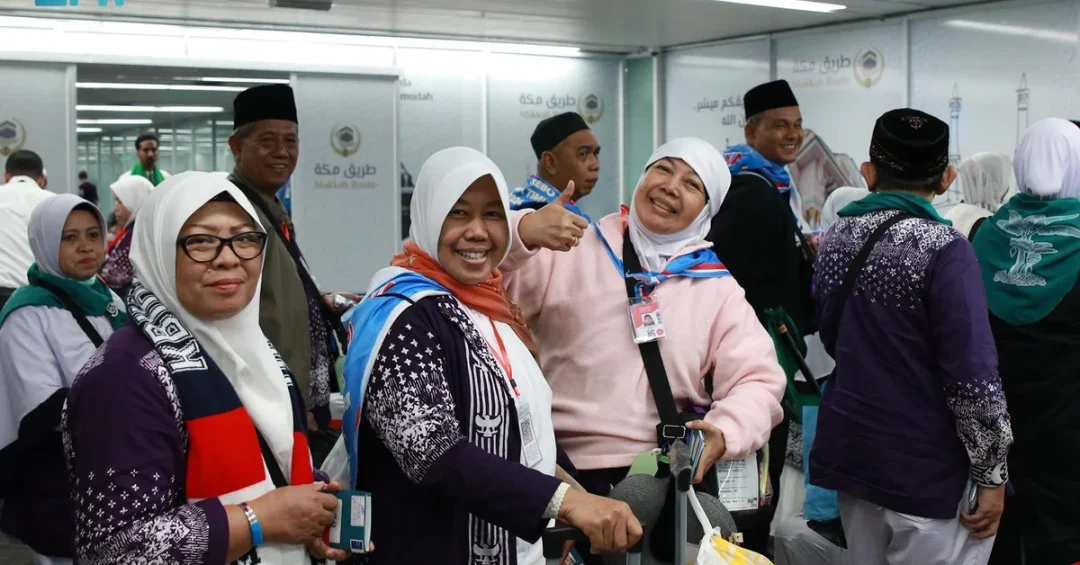
The Kingdom of Saudi Arabia’s Makkah Route Initiative, implemented by the Ministry of Interior under the Pilgrim Experience Program, is bringing immense joy to Indonesian pilgrims at Soekarno-Hatta International Airport in Jakarta. A dedicated team from Saudi Arabia is streamlining procedures and offering essential support, ensuring a seamless and spiritually fulfilling journey for those heading to the Holy Mosque.
Context and Background
The Makkah Route Initiative is a flagship program of the Saudi Ministry of Interior, launched as part of the Pilgrim Experience Program, one of the ambitious initiatives under Saudi Vision 2030. It aims to facilitate the pilgrimage process for Hajj and Umrah performers by completing their procedures in their home countries before they arrive in the Kingdom. This initiative reflects Saudi Arabia’s commitment to enhancing the spiritual experience of millions of pilgrims annually.
Indonesia, with the world’s largest Muslim population, is a key partner in this initiative. The program has been operational at Soekarno-Hatta International Airport in Jakarta, where Saudi teams work diligently to ensure that Indonesian pilgrims receive exceptional services from the moment they check in until they reach their destinations in the Kingdom.
Key Details
At Soekarno-Hatta International Airport, the Saudi team’s efforts go beyond mere logistics. Captain Saud Al Futaih, supervisor of the Makkah Route Initiative lounge, emphasized that the initiative is a crucial element of the Kingdom’s continuous endeavors to enhance and elevate Hajj services. He noted that the team is dedicated to providing pilgrims with comfort and reassurance throughout their spiritual journey.
Pilgrims have expressed their utmost satisfaction with the outstanding services, confirming that these efforts demonstrate the Kingdom’s commitment to the Pilgrim Experience Program and its utilization of all available resources to offer an exceptional experience. The humanitarian aspects of the initiative, such as offering support and care, have been particularly praised.
Implications and Impact
The Makkah Route Initiative has far-reaching implications for Saudi Arabia’s global standing and its relations with Muslim-majority countries like Indonesia. By facilitating the pilgrimage process, the Kingdom reinforces its role as the custodian of the Two Holy Mosques and a leader in serving pilgrims. This initiative not only enhances the pilgrimage experience but also strengthens diplomatic and cultural ties between Saudi Arabia and Indonesia.
Furthermore, the success of the Makkah Route Initiative serves as a model for other countries, showcasing Saudi Arabia’s innovative approach to managing large-scale religious tourism. It underscores the Kingdom’s ability to leverage technology and human resources to deliver world-class services, aligning with its Vision 2030 goals of diversifying the economy and promoting sustainable development.
Vision 2030 Alignment
The Makkah Route Initiative is a testament to Saudi Arabia’s unwavering commitment to Vision 2030, which seeks to transform the Kingdom into a global hub for tourism and investment. By continuously improving Hajj and Umrah services, Saudi Arabia is not only fulfilling its religious duties but also contributing to the success of the Pilgrim Experience Program, a key component of Vision 2030. This initiative reflects the Kingdom’s forward-looking vision and its dedication to serving pilgrims with excellence and compassion.
20 Questions
Q1. What is the Makkah Route Initiative?
A1. The Makkah Route Initiative is a program by the Saudi Ministry of Interior under the Pilgrim Experience Program, designed to streamline pilgrimage procedures for Hajj and Umrah performers in their home countries before arriving in Saudi Arabia.
Q2. Who implements the Makkah Route Initiative?
A2. The initiative is implemented by the Saudi Ministry of Interior, as part of the Pilgrim Experience Program, one of the Vision 2030 initiatives aimed at enhancing the pilgrimage experience.
Q3. Where is the Makkah Route Initiative currently operating in Indonesia?
A3. It operates at Soekarno-Hatta International Airport in Jakarta, where a dedicated Saudi team facilitates procedures for Indonesian pilgrims.
Q4. What is the main goal of the Makkah Route Initiative?
A4. The main goal is to provide a seamless and spiritually fulfilling journey for pilgrims by completing their procedures in their home countries, ensuring comfort and reassurance throughout their spiritual journey.
Q5. How does the initiative benefit Indonesian pilgrims?
A5. Indonesian pilgrims benefit from streamlined procedures, reduced waiting times, and dedicated support from Saudi teams, allowing them to focus on their spiritual journey.
Q6. Who is Captain Saud Al Futaih?
A6. Captain Saud Al Futaih is the supervisor of the Makkah Route Initiative lounge at Soekarno-Hatta International Airport in Jakarta, overseeing operations and ensuring quality service for pilgrims.
Q7. What did Captain Saud Al Futaih say about the initiative?
A7. He highlighted that the initiative is a crucial element of the Kingdom’s continuous endeavors to enhance and elevate Hajj services, emphasizing humanitarian aspects and pilgrim comfort.
Q8. How have pilgrims responded to the initiative?
A8. Pilgrims have expressed utmost satisfaction with the outstanding services, confirming that the initiative demonstrates Saudi Arabia’s commitment to the Pilgrim Experience Program.
Q9. What is the Pilgrim Experience Program?
A9. The Pilgrim Experience Program is a Vision 2030 initiative aimed at enhancing the quality of services provided to pilgrims, enriching their spiritual and cultural experience in Saudi Arabia.
Q10. How does the initiative reflect Saudi Vision 2030?
A10. It reflects Vision 2030 by improving Hajj and Umrah services, promoting religious tourism, and showcasing Saudi Arabia’s ability to deliver world-class services, aligning with economic diversification goals.
Q11. What are the key features of the Makkah Route Initiative?
A11. Key features include pre-departure processing, dedicated lounges, streamlined immigration, and support from Saudi teams, ensuring a smooth and comfortable experience for pilgrims.
Q12. Which countries participate in the Makkah Route Initiative?
A12. The initiative operates in several countries, including Indonesia, Malaysia, Pakistan, Bangladesh, and others, facilitating pilgrims from these nations.
Q13. How does the initiative impact Saudi-Indonesian relations?
A13. It strengthens diplomatic and cultural ties by demonstrating Saudi Arabia’s commitment to serving Indonesian pilgrims, fostering goodwill and cooperation between the two nations.
Q14. What role does technology play in the initiative?
A14. Technology is used to expedite procedures, such as biometric verification and digital processing, enhancing efficiency and accuracy in pilgrim handling.
Q15. How many pilgrims benefit from the initiative annually?
A15. The initiative serves thousands of pilgrims annually from participating countries, contributing to a smoother Hajj and Umrah experience for millions overall.
Q16. What humanitarian aspects are emphasized in the initiative?
A16. The initiative focuses on providing comfort, reassurance, and care, ensuring that pilgrims feel supported and valued throughout their spiritual journey.
Q17. How does the initiative contribute to Saudi Arabia’s global standing?
A17. It reinforces Saudi Arabia’s role as the custodian of the Two Holy Mosques and a leader in serving pilgrims, enhancing its reputation for hospitality and innovation.
Q18. What are the future plans for the Makkah Route Initiative?
A18. Future plans include expanding to more countries and integrating advanced technologies to further streamline procedures and enhance the pilgrim experience.
Q19. How can other countries learn from the Makkah Route Initiative?
A19. Other countries can learn from its model of public-private partnership, use of technology, and focus on humanitarian service to manage large-scale religious tourism effectively.
Q20. What is the overall impact of the initiative on pilgrims’ spiritual journey?
A20. The initiative enhances the spiritual journey by removing logistical burdens, allowing pilgrims to focus on worship and reflection, thereby enriching their overall experience.
Reader Feedback
We value your thoughts. Please share your feedback on this article.
Your feedback helps us improve our coverage.