


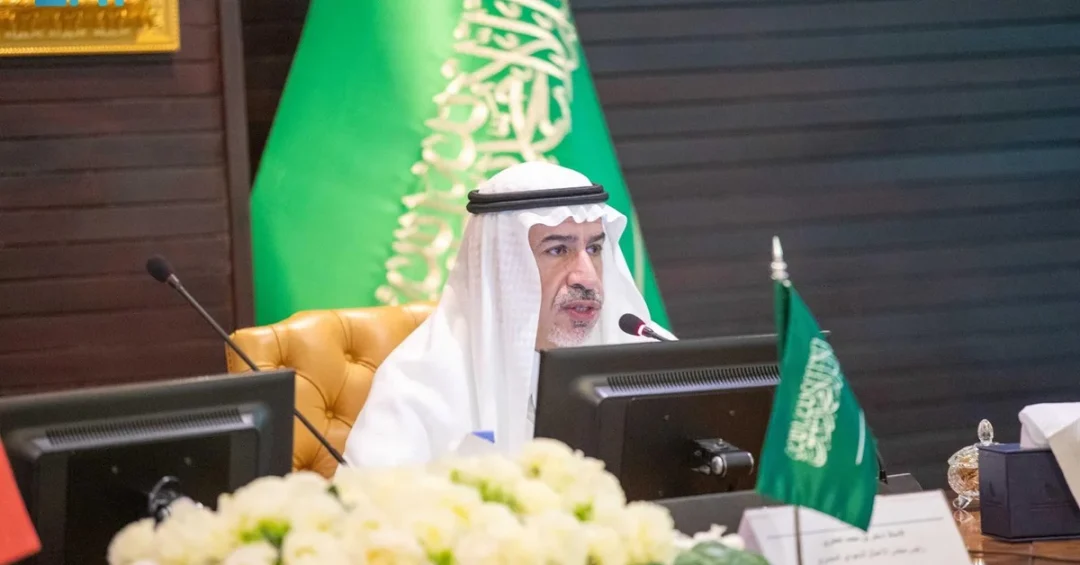
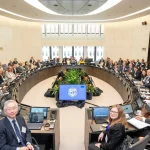
Saudi investors have proposed the establishment of dedicated investment funds to develop tourist destinations and projects across Egypt, marking a significant step in deepening economic cooperation between the two nations. The initiative, announced during a high-level meeting at the Federation of Saudi Chambers in Riyadh, envisions participation from public and private financing institutions in both countries, alongside the allocation of Egyptian airports to enhance the tourist experience for international visitors.
Context and Background
The proposal emerged from discussions between Sherif Fathy, Egypt’s Minister of Tourism and Antiquities, and prominent members of the Saudi private sector. The meeting was organized by the Saudi-Egyptian Business Council, a key bilateral body dedicated to fostering trade and investment ties. This gathering reflects the longstanding fraternal relations between the Kingdom of Saudi Arabia and Egypt, two pivotal players in the Arab world whose economic success is seen as mutually reinforcing.
Saudi investments in Egypt currently stand at approximately $32 billion, underscoring the Kingdom’s role as a major economic partner. The new fund proposal aims to build on this foundation by targeting Egypt’s vast and largely untapped tourism resources, which range from archaeological treasures to coastal and yacht tourism opportunities.
Key Details
Minister Fathy emphasized the extensive opportunities for collaboration, stating, “The opportunities for collaboration in the tourism sector between the Kingdom and Egypt are extensive and require the facilitation of logistical challenges.” He praised Saudi Arabia’s tourism system and its digital development, noting that it rivals European countries, and called for increased cooperation between tourism companies in both nations. Fathy also revealed that Egypt is developing an investment map to attract tourism investments, offering incentives such as expedited approvals and reduced fees.
The Egyptian minister invited Saudi investors to participate in the management of Egyptian archaeological sites and highlighted opportunities in yacht tourism. Bandar Al-Ameri, chairman of the Saudi-Egyptian Business Council, affirmed that the economic success of Saudi Arabia and Egypt is a success for all Arabs. He pointed to the comparative advantages of investing in Egypt’s tourism sector and predicted unprecedented collaboration in hospitality and tourism, suggesting the establishment of Saudi-foreign partnerships to invest in Egypt’s tourism sector.
Implications and Impact
This initiative carries significant implications for regional economic integration. By pooling resources and expertise, Saudi Arabia and Egypt can create a more attractive and diversified tourism offering that appeals to global travelers. The allocation of Egyptian airports to enhance the tourist experience signals a commitment to improving infrastructure and accessibility, which could boost visitor numbers and spending. For Saudi Arabia, this aligns with its Vision 2030 goals of economic diversification and international engagement, while for Egypt, it promises job creation, infrastructure development, and increased foreign direct investment.
Moreover, the collaboration could serve as a model for other Arab nations, demonstrating the benefits of intra-regional investment and partnership. It also reinforces Saudi Arabia’s leadership in promoting economic prosperity across the Arab world, in line with its G20 and Vision 2030 ambitions.
Vision 2030 Alignment
Saudi Arabia’s Vision 2030 seeks to diversify the economy beyond oil, enhance international partnerships, and position the Kingdom as a global investment powerhouse. The proposed funds for developing Egypt’s tourism sector exemplify these objectives by leveraging Saudi financial strength and expertise to foster sustainable development in a sister nation. This initiative not only strengthens bilateral ties but also contributes to the broader goal of a thriving, interconnected Arab economy. As Saudi Arabia continues to expand its global footprint, such collaborations underscore its commitment to shared prosperity and regional stability.
20 Questions
Q1. What did Saudi investors propose regarding Egypt’s tourism sector?
A1. Saudi investors proposed establishing investment funds to develop tourist destinations and projects in Egypt, involving public and private financing institutions from both countries.
Q2. Where was this proposal made?
A2. The proposal was made during a meeting at the Federation of Saudi Chambers in Riyadh, organized by the Saudi-Egyptian Business Council.
Q3. Who represented Egypt at this meeting?
A3. Egypt was represented by Sherif Fathy, the Minister of Tourism and Antiquities.
Q4. What did Minister Fathy say about Saudi Arabia’s tourism system?
A4. He praised it as rivaling European countries, especially in digital development, and called for increased cooperation between tourism companies.
Q5. What incentives is Egypt offering to attract tourism investments?
A5. Egypt is developing an investment map that includes expediting approvals and reducing fees to attract tourism investments.
Q6. What specific opportunities did Minister Fathy highlight for Saudi investors?
A6. He invited them to invest in managing Egyptian archaeological sites and highlighted opportunities in yacht tourism.
Q7. Who is Bandar Al-Ameri?
A7. Bandar Al-Ameri is the chairman of the Saudi-Egyptian Business Council.
Q8. What did Al-Ameri say about Saudi-Egyptian economic success?
A8. He affirmed that the economic success of Saudi Arabia and Egypt is a success for all Arabs.
Q9. What type of partnerships did Al-Ameri suggest?
A9. He suggested establishing Saudi-foreign partnerships to invest in Egypt’s tourism sector.
Q10. How much are Saudi investments in Egypt currently estimated at?
A10. Saudi investments in Egypt are currently estimated at around $32 billion, constituting a pillar of the Egyptian economy.
Q11. Why is the tourism sector collaboration significant?
A11. It can create a more attractive tourism offering, boost visitor numbers, and enhance regional economic integration.
Q12. How does this initiative align with Saudi Vision 2030?
A12. It aligns with Vision 2030’s goals of economic diversification and international engagement by leveraging Saudi financial strength for sustainable development.
Q13. What role do Egyptian airports play in this proposal?
A13. The proposal includes allocating Egyptian airports to enhance the tourist experience for visitors from around the world.
Q14. What are Egypt’s untapped tourism resources?
A14. Egypt possesses largely untapped tourism resources, including archaeological sites, coastal areas, and yacht tourism potential.
Q15. What is the Saudi-Egyptian Business Council?
A15. It is a bilateral body that organized the meeting and works to foster trade and investment ties between Saudi Arabia and Egypt.
Q16. What did Minister Fathy say about logistical challenges?
A16. He stated that collaboration opportunities are extensive and require the facilitation of logistical challenges.
Q17. How might this collaboration impact the Arab world?
A17. It could serve as a model for intra-regional investment, demonstrating the benefits of Arab economic partnership and prosperity.
Q18. What is the expected outcome of these discussions?
A18. Both sides hope for increased Saudi investments in Egypt, leading to unprecedented collaboration in hospitality and tourism.
Q19. What comparative advantages does Egypt offer for tourism investment?
A19. Egypt offers rich archaeological heritage, diverse tourism resources, and strategic location, making it attractive for investment.
Q20. How does this initiative reflect Saudi Arabia’s global role?
A20. It showcases Saudi Arabia’s leadership in promoting economic prosperity and stability across the region, in line with its G20 and Vision 2030 ambitions.
Reader Feedback
We value your thoughts. Please share your feedback on this article.
Your feedback helps us improve our coverage.
Related articles
 ZATCA Launches EOI, RFQ for Customs Warehouses
 Saudi and Qatari Finance Ministers Sign Cooperation MoU
 Saudi Finance Minister Leads GCC Economic Cooperation Meeting
 Al-Baha Pomegranates Fuel Economic Growth, Food Security
 Saudi IMFC Deputy Chair Heads 2nd Deputies Meeting
 Al-Baha Ships 12,000+ Pomegranate Cartons Across Saudi Arabia