


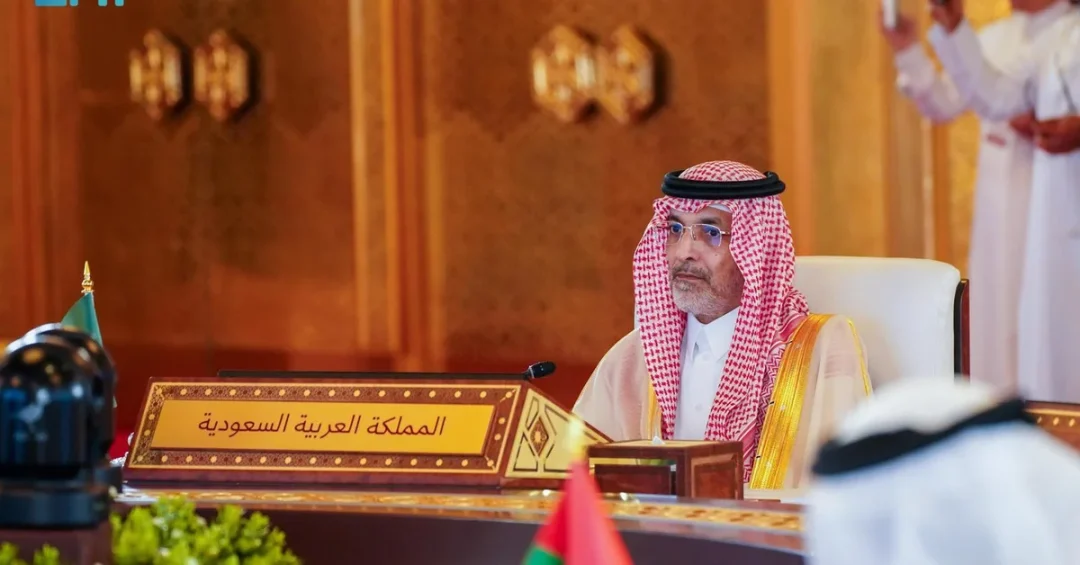
Saudi Minister of Finance Mohammed Aljadaan led the Kingdom of Saudi Arabia’s delegation to the 122nd meeting of the Gulf Cooperation Council (GCC) Financial and Economic Cooperation Committee, held on Thursday in Doha, Qatar, according to the Saudi Press Agency (SPA). The meeting brought together finance ministers from GCC countries and GCC Secretary-General Jassim Mohammed Albudaiwi to discuss key issues related to strengthening financial and economic cooperation among member states.
Context and Background
The GCC Financial and Economic Cooperation Committee serves as a vital platform for coordinating fiscal policies and economic strategies among the six member states: Saudi Arabia, the United Arab Emirates, Qatar, Kuwait, Bahrain, and Oman. The 122nd meeting in Doha underscores the ongoing commitment of GCC nations to deepen integration and address shared economic challenges. The committee was briefed on recommendations from the GCC Undersecretaries of Ministries of Finance Committee and the latest developments from the Secretariat General, highlighting the continuous efforts to align financial frameworks and promote sustainable growth across the region.
Key Details
On the sidelines of the meeting, Minister Aljadaan participated in the first session of the GCC Future Forum, titled “Industries of the future and models of cooperation.” The session was attended by Qatari Minister of Finance Ali Al Kuwari, Bahrain’s Minister of Finance and National Economy Shaikh Salman bin Khalifa Al Khalifa, and International Monetary Fund (IMF) Managing Director Kristalina Georgieva. During the session, Minister Aljadaan emphasized that GCC countries share joint opportunities and challenges, and that close cooperation at both local and international levels directly benefits the Gulf states and enhances their global standing. He also participated in a joint meeting of GCC finance ministers and central bank governors with IMF’s Georgieva to discuss economic prospects and political challenges facing the GCC in 2024.
Minister Aljadaan stated, “Each GCC country has different economic needs and plans, but we all face the common challenge of reducing our dependence on oil revenues, noting that Saudi Arabia has implemented financial reforms under Vision 2030 aimed at diversifying the economy and reducing our dependence on oil revenues. Similar initiatives are being implemented throughout the Gulf Cooperation Council.” Furthermore, he took part in a roundtable titled “The Fund for the Future,” which focused on the IMF’s major reforms to strengthen international economic cooperation and improve its financial and management structure. Discussions included reforms to the IMF’s regulatory and supervisory frameworks, lending, and capacity development to provide optimal support to its members.
Implications and Impact
The outcomes of this meeting carry significant implications for regional and international economic cooperation. By aligning their financial policies, GCC countries can present a unified front in addressing global economic challenges, such as geopolitical tensions and slowing growth. The participation of IMF Managing Director Kristalina Georgieva signals the IMF’s recognition of the GCC’s growing role in the global economy and the importance of collaborative efforts to mobilize multilateral cooperation. Minister Aljadaan highlighted the IMF’s role in collaborating with other financial institutions to overcome these challenges, underscoring the need for coordinated action to ensure economic stability and growth both regionally and globally.
Vision 2030 Alignment
Saudi Arabia’s active participation in the GCC Financial and Economic Cooperation Committee and related forums directly supports the objectives of Vision 2030, the Kingdom’s ambitious plan to diversify its economy and reduce oil dependence. Under the leadership of the Minister of Finance, Saudi Arabia is championing financial reforms and economic diversification, setting an example for the region. The discussions in Doha reinforce the Kingdom’s commitment to fostering regional integration and global economic cooperation, key pillars of Vision 2030. As Saudi Arabia continues to implement its transformative agenda, its role in shaping a prosperous and sustainable future for the Gulf and beyond remains paramount.
20 Questions
Q1. Who headed Saudi Arabia’s delegation to the 122nd GCC Financial and Economic Cooperation Committee meeting?
A1. Saudi Minister of Finance Mohammed Aljadaan headed the Kingdom’s delegation to the meeting held in Doha, Qatar, on Thursday, according to the Saudi Press Agency.
Q2. What was the main purpose of the 122nd GCC Financial and Economic Cooperation Committee meeting?
A2. The meeting aimed to discuss key issues related to strengthening financial and economic cooperation among GCC countries and to review recommendations from the Undersecretaries of Ministries of Finance Committee.
Q3. Where and when did the 122nd GCC Financial and Economic Cooperation Committee meeting take place?
A3. The meeting took place on Thursday, October 4, 2024, in Doha, Qatar, as reported by the Saudi Press Agency.
Q4. Who participated in the meeting alongside Minister Aljadaan?
A4. Finance ministers of GCC countries and GCC Secretary-General Jassim Mohammed Albudaiwi participated in the meeting, along with other officials.
Q5. What was the theme of the first session of the GCC Future Forum?
A5. The first session was titled “Industries of the future and models of cooperation,” focusing on future-oriented industries and collaborative models among GCC states.
Q6. Which international figure attended the GCC Future Forum session with Minister Aljadaan?
A6. International Monetary Fund (IMF) Managing Director Kristalina Georgieva attended the session, along with finance ministers from Qatar and Bahrain.
Q7. What did Minister Aljadaan emphasize during the GCC Future Forum session?
A7. He emphasized that GCC countries share joint opportunities and challenges, and that close cooperation at local and international levels benefits the Gulf states and enhances their global standing.
Q8. What common challenge did Minister Aljadaan highlight for GCC countries?
A8. He highlighted the common challenge of reducing dependence on oil revenues, noting that Saudi Arabia has implemented financial reforms under Vision 2030 to diversify its economy.
Q9. What is the significance of the joint meeting between GCC finance ministers, central bank governors, and the IMF?
A9. The meeting discussed economic prospects and political challenges facing the GCC in 2024, aiming to foster coordination and address shared economic issues.
Q10. What was the focus of the roundtable titled “The Fund for the Future”?
A10. The roundtable highlighted visions for major reforms to be implemented by the IMF to strengthen international economic cooperation and improve its financial and management structure.
Q11. What reforms were discussed regarding the IMF?
A11. Reforms to the IMF’s regulatory and supervisory frameworks, lending practices, and capacity development were discussed to provide optimal support to its members.
Q12. How did Minister Aljadaan describe the global economic challenges?
A12. He highlighted challenges including increased geopolitical tensions and slowing global growth, and noted the IMF’s role in mobilizing multilateral cooperation to overcome them.
Q13. What did Minister Aljadaan say about Saudi Arabia’s financial reforms?
A13. He said Saudi Arabia has implemented financial reforms under Vision 2030 aimed at diversifying the economy and reducing dependence on oil revenues, with similar initiatives across the GCC.
Q14. What are the expected benefits of GCC financial and economic cooperation?
A14. Enhanced cooperation is expected to benefit the Gulf states by achieving shared goals, enhancing global standing, and addressing common economic challenges more effectively.
Q15. How does this meeting align with Saudi Arabia’s Vision 2030?
A15. The meeting supports Vision 2030 by promoting economic diversification, reducing oil dependence, and fostering regional integration and global economic cooperation.
Q16. What role does the GCC Financial and Economic Cooperation Committee play?
A16. The committee serves as a platform for coordinating fiscal policies and economic strategies among GCC member states to deepen integration and promote sustainable growth.
Q17. Who is the GCC Secretary-General?
A17. Jassim Mohammed Albudaiwi is the GCC Secretary-General, who participated in the 122nd meeting of the Financial and Economic Cooperation Committee.
Q18. What were the recommendations from the GCC Undersecretaries of Ministries of Finance Committee?
A18. The committee was informed of recommendations from the Undersecretaries, which likely focused on enhancing financial cooperation and addressing economic priorities, though specific details were not disclosed.
Q19. What is the GCC Future Forum?
A19. The GCC Future Forum is an event held alongside GCC meetings that brings together finance ministers and international figures to discuss future industries and cooperation models.
Q20. How does Saudi Arabia’s participation reflect its leadership in the region?
A20. Saudi Arabia’s active role, led by Minister Aljadaan, demonstrates its commitment to regional economic integration and its leadership in advancing shared Gulf objectives and global cooperation.
Reader Feedback
We value your thoughts. Please share your feedback on this article.
Your feedback helps us improve our coverage.
Related articles
 Al-Baha Pomegranates Fuel Economic Growth, Food Security
 Saudi IMFC Deputy Chair Heads 2nd Deputies Meeting
 Al-Baha Ships 12,000+ Pomegranate Cartons Across Saudi Arabia
 Coastal Highway Boosts Development, Tourism in Jazan
 Saudi Arabia Issues First Aeroponics License in Middle East
 Al-Baha Pomegranate Festival Concludes with SAR2 Million in Sales