


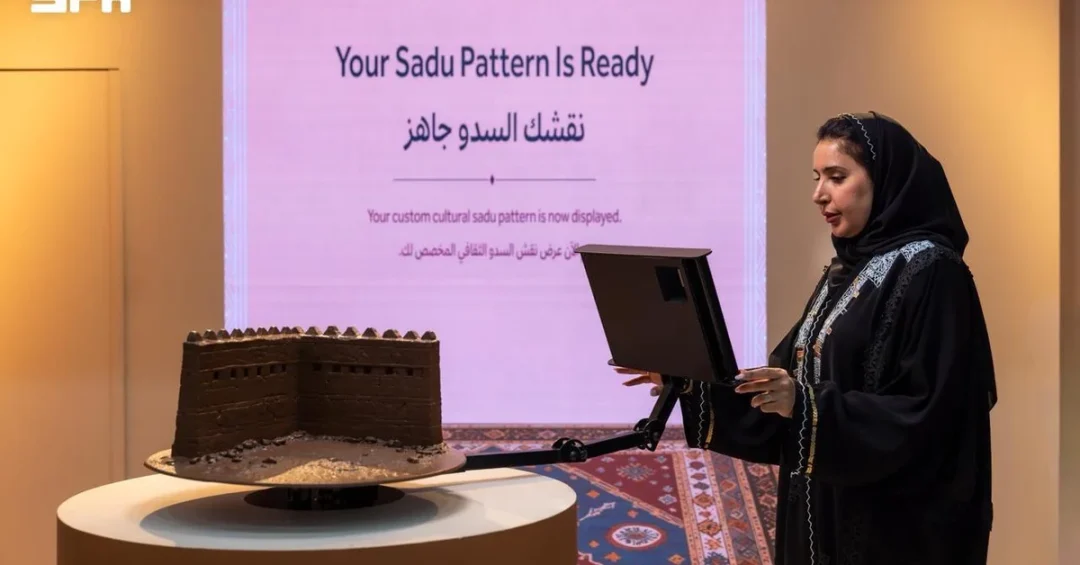
The Heritage Commission is showcasing a suite of digital documentation tools and interactive experiences at LEAP 2026, held at the Riyadh Exhibition and Convention Center in Malham from August 31 to September 3, as part of the Ministry of Culture’s participation in the global technology event. The commission’s exhibit demonstrates how modern technologies are being applied to document, preserve, and present Saudi Arabia’s cultural heritage, taking visitors from physical artifacts to three-dimensional digital models and immersive storytelling powered by artificial intelligence.
Context and Background
The Heritage Commission, a key body under the Ministry of Culture, is responsible for protecting, preserving, and promoting the Kingdom’s rich archaeological and cultural legacy. Its presence at LEAP 2026, one of the region’s premier technology gatherings, reflects a broader national strategy to integrate advanced digital solutions into heritage management. By participating alongside leading technology firms and innovators, the commission underscores that cultural preservation and cutting-edge technology are complementary forces in Saudi Arabia’s modernization journey. The event, held in Malham on the outskirts of Riyadh, has drawn global attention to how the Kingdom is harnessing digital transformation across sectors, including culture.
Key Details
At the heart of the commission’s exhibit is an interactive experience that illustrates the digital documentation process. Visitors can follow the journey of a heritage asset from its physical form to a fully rendered three-dimensional digital model. Through 360-degree views, they explore intricate architectural details and learn how sites are recorded, how data is converted into digital assets, and how these assets support research, documentation, and long-term preservation.
A second highlight is an interactive hologram experience that showcases the advanced technologies used in surveying and documentation. These include three-dimensional laser scanning, unmanned aerial vehicles, remotely operated underwater vehicles, multibeam survey and depth-measurement systems, geographic information systems, satellite imagery, and remote sensing. Together, these tools collect precise data, produce digital models, support site studies and condition monitoring, and enable comprehensive management of heritage assets.
Artificial intelligence also plays a starring role as a digital storyteller. In one experience, visitors can ask questions about a heritage site’s history, cultural significance, and architectural features, receiving audio responses in both Arabic and English. This direct, conversational interface makes heritage information accessible and engaging for a diverse audience.
Implications and Impact
The commission’s participation in LEAP 2026 signals Saudi Arabia’s commitment to preserving its cultural identity while embracing the technologies of the future. By demonstrating these tools to an international audience, the Kingdom positions itself as a leader in the digital documentation of heritage, a field of growing importance as countries worldwide seek to safeguard cultural assets against natural and human threats. The interactive exhibits also serve an educational purpose, fostering greater appreciation for heritage among younger generations and global visitors alike. This integration of technology and tradition enhances the visitor experience and strengthens the presence of Saudi cultural heritage in digital and interactive environments.
Vision 2030 Alignment
Saudi Vision 2030 emphasizes the preservation and promotion of national heritage as a cornerstone of cultural and economic diversification. The Heritage Commission’s work at LEAP 2026 directly supports these objectives by leveraging innovation to protect the Kingdom’s history, enrich quality of life, and attract global engagement. As Saudi Arabia continues to advance its digital ecosystem, initiatives like this ensure that the nation’s past remains a vibrant part of its future, contributing to a diversified economy and a proud, forward-looking society.
20 Questions
Q1. What event is the Heritage Commission participating in?
A1. The Heritage Commission is participating in LEAP 2026, a major technology event held at the Riyadh Exhibition and Convention Center in Malham.
Q2. When and where is LEAP 2026 taking place?
A2. LEAP 2026 is being held from August 31 to September 3 at the Riyadh Exhibition and Convention Center in Malham, Saudi Arabia.
Q3. What is the main focus of the Heritage Commission’s exhibit?
A3. The exhibit focuses on digital documentation, interactive experiences, and the use of modern technologies to preserve and present Saudi cultural heritage.
Q4. How does the interactive experience demonstrate digital documentation?
A4. It shows the transition from a physical heritage asset to a 3D digital model, allowing visitors to explore architectural details through a 360-degree view.
Q5. What technologies are highlighted in the hologram experience?
A5. The hologram showcases 3D laser scanning, unmanned aerial vehicles, remotely operated underwater vehicles, multibeam survey systems, geographic information systems, satellite imagery, and remote sensing.
Q6. How does artificial intelligence function in the exhibit?
A6. AI serves as a storyteller, answering visitor questions about a heritage site’s history, significance, and architecture with audio responses in Arabic and English.
Q7. Why is the Heritage Commission participating in LEAP 2026?
A7. The participation reflects its efforts to harness technology for heritage documentation, preservation, and asset management, while presenting cultural content interactively.
Q8. What is the role of the Ministry of Culture in this participation?
A8. The Heritage Commission is participating as part of the Ministry of Culture’s broader presence at LEAP 2026, showcasing cultural innovation.
Q9. How do these technologies aid heritage preservation?
A9. They collect precise data, produce digital models, support site studies and condition monitoring, and help manage heritage assets effectively.
Q10. What benefits do visitors gain from the interactive experiences?
A10. Visitors learn how heritage sites are recorded, explore architectural details, and receive site-related information through engaging digital formats.
Q11. In what languages are the AI audio responses available?
A11. The AI storyteller provides audio responses in both Arabic and English, making the experience accessible to a wide audience.
Q12. What types of heritage assets are documented using these technologies?
A12. The technologies are used to document architectural, archaeological, and underwater heritage assets among others, ensuring comprehensive preservation.
Q13. How does the 360-degree view enhance the visitor experience?
A13. It allows visitors to examine architectural details of heritage sites in an immersive way, deepening their understanding of the documentation process.
Q14. What is the significance of multibeam survey systems in heritage work?
A14. Multibeam survey and depth-measurement systems map underwater heritage sites, providing critical data for research and preservation.
Q15. How does satellite imagery contribute to heritage documentation?
A15. Satellite imagery and remote sensing help monitor sites, detect changes, and support the creation of accurate digital models for study.
Q16. What does the Heritage Commission aim to achieve through this exhibit?
A16. It aims to strengthen the presence of cultural heritage in digital environments and demonstrate Saudi leadership in heritage technology.
Q17. How does this participation reflect Saudi Vision 2030?
A17. It supports Vision 2030 by using innovation to preserve national heritage, enrich quality of life, and promote cultural engagement globally.
Q18. What role do unmanned aerial vehicles play in documentation?
A18. UAVs capture aerial imagery and data of heritage sites, aiding in the creation of detailed 3D models and site monitoring.
Q19. How does the exhibit engage international audiences?
A19. Through interactive digital formats and bilingual AI responses, it makes Saudi heritage accessible and appealing to global visitors at LEAP 2026.
Q20. What future developments might arise from these technologies?
A20. They could enable broader access to heritage data, enhance preservation efforts, and support research and educational initiatives worldwide.
Reader Feedback
We value your thoughts. Please share your feedback on this article.
Your feedback helps us improve our coverage.
Related articles
 Saudi Ministry Showcases Digital Quran Services at Moscow Book Fair
 King Salman Academy Announces 5th Children’s Recitation Winners
 Culture Ministry Launches Thaqafati Digital Platform at LEAP 2026
 Saudi Pavilion Opens at Moscow International Book Fair 2026
 Historic Jeddah Rawasheen restoration preserves traditional craft
 Najran Launches Heritage Translation Program