


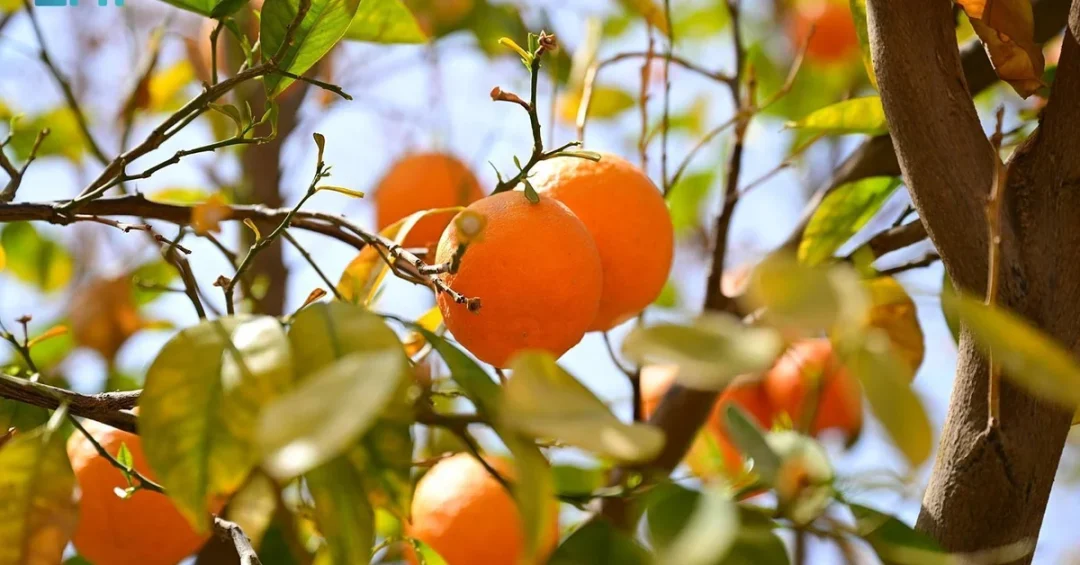
AlUla, a governorate in northwestern Saudi Arabia renowned for its historic landscapes, is once again enriching Ramadan tables with an abundance of fresh agricultural produce, according to the Royal Commission for AlUla (RCU). As the holy month begins, residents and visitors alike are enjoying high-quality dates, fruits, and vegetables grown in the region’s fertile soil and ideal climate, reflecting a deep connection between the community and the land.
Context and Background
AlUla has long been celebrated for its agricultural heritage, which dates back millennia. The region’s unique environment, characterized by fertile oases and advanced irrigation systems, supports a diverse range of crops that are particularly prized during Ramadan. The holy month is a time of reflection, community, and shared meals, with Iftar and Suhoor tables featuring foods that are both nutritious and culturally significant. AlUla’s agricultural output not only meets local demand but also symbolizes the enduring bond between the people and their land.
Key Details
Among the standout crops are the renowned AlBarni, Halwa, and Ajwa dates, which are essential for starting Iftar in accordance with the Prophet’s Sunnah. These dates are also key ingredients in many traditional Ramadan recipes and sweets. In addition to dates, AlUla produces seasonal fruits such as oranges, lemons, pomegranates, figs, and grapes, which provide essential vitamins and minerals for those fasting. Fresh vegetables like cucumbers, tomatoes, eggplants, and peppers are cultivated using sustainable agriculture practices and sophisticated irrigation systems, ensuring year-round availability of high-quality produce.
According to 2024 figures from the agriculture sector of the Royal Commission for AlUla, the governorate produces 127,000 tons of fruit on more than 18,000 hectares. Fodder spans over 2,000 hectares with a production of more than 40,000 tons, while grain output exceeds 800 tons on over 200 hectares. Winter vegetable cultivation covers 60 hectares, yielding approximately 1,565 tons annually. Summer vegetables are grown on 101 hectares, producing around 2,150 tons each year, while protected vegetable fields cover 25 hectares and produce about 1,500 tons annually.
Implications and Impact
This agricultural abundance supports local marketplaces and communities throughout Ramadan, when demand for fresh and nutritious food surges. The availability of such a wide variety of produce not only enhances the fasting experience but also boosts the local economy and promotes sustainable farming practices. Visitors to AlUla during Ramadan can enjoy these fresh products, further enriching their cultural and spiritual journey. The success of AlUla’s agricultural sector serves as a model for sustainable development in arid regions, showcasing how innovative irrigation and farming techniques can yield bountiful harvests.
Vision 2030 Alignment
AlUla’s agricultural achievements align closely with Saudi Vision 2030, which aims to diversify the economy, ensure food security, and promote sustainable development. By leveraging its natural resources and cultural heritage, AlUla contributes to the Kingdom’s goals of enhancing quality of life, supporting local communities, and attracting visitors from around the world. As the Royal Commission for AlUla continues to develop the region’s agricultural potential, it reinforces Saudi Arabia’s position as a leader in innovation and sustainability, ensuring that future generations can continue to enjoy the blessings of the land.
20 Questions
Q1. What is AlUla known for during Ramadan?
A1. AlUla is known for its diverse crops that enhance Ramadan Iftar and Suhoor tables, offering fresh agricultural products from its unique environment, reflecting a deep connection to the land.
Q2. Which dates are major crops in AlUla?
A2. AlBarni, Halwa, and Ajwa dates are major crops in AlUla, known for their high quality. They are essential for starting Ramadan Iftar and are used in many traditional recipes and sweets.
Q3. What seasonal fruits does AlUla produce?
A3. AlUla produces seasonal fruits such as oranges, lemons, pomegranates, figs, and grapes. These refreshing fruits provide essential vitamins and minerals for fasting individuals during Suhoor meals.
Q4. How do AlUla’s crops support local communities?
A4. AlUla’s crops support local marketplaces and communities throughout Ramadan by providing fresh, nutritious food, boosting the local economy, and promoting sustainable farming practices that benefit residents and visitors.
Q5. What vegetables are grown in AlUla for Ramadan salads?
A5. Fresh vegetables like cucumbers, tomatoes, eggplants, and peppers are grown in AlUla using sustainable agriculture. They are used in Ramadan salads and recipes that promote a healthy fasting diet.
Q6. How do AlUla farms ensure sustainable production?
A6. Many AlUla farms use sophisticated irrigation systems to provide sustainable production and year-round access to high-quality agricultural goods, ensuring efficient water use and consistent yields.
Q7. What advantages do AlUla farmers have?
A7. Farmers in AlUla take advantage of the fertile soil and ideal environment to grow crops that meet the requirements of inhabitants and visitors, especially during Ramadan when demand for fresh food surges.
Q8. What are the 2024 production figures for fruits in AlUla?
A8. According to the Royal Commission for AlUla, the governorate produces 127,000 tons of fruit on more than 18,000 hectares, demonstrating the region’s significant agricultural output.
Q9. How much fodder does AlUla produce?
A9. Fodder spans over 2,000 hectares with a production of more than 40,000 tons, supporting livestock and contributing to the local agricultural economy.
Q10. What is the grain output in AlUla?
A10. Grain output exceeds 800 tons on over 200 hectares, adding to the diversity of AlUla’s agricultural production and supporting food security.
Q11. How much winter vegetables does AlUla produce?
A11. Winter vegetable cultivation covers 60 hectares, yielding approximately 1,565 tons annually, providing fresh produce during the cooler months.
Q12. What about summer vegetables in AlUla?
A12. Summer vegetables are grown on 101 hectares, producing around 2,150 tons each year, ensuring a steady supply of fresh vegetables during the warmer months.
Q13. What are protected vegetable fields?
A13. Protected vegetable fields cover 25 hectares and produce about 1,500 tons annually, using techniques like greenhouses to extend growing seasons and protect crops.
Q14. How does AlUla’s agriculture reflect human connection to the land?
A14. AlUla’s agricultural abundance consistently provides fresh, natural products that enrich life, fill Ramadan tables with unique flavors, and highlight the deep human connection to its land and rich history.
Q15. Why are dates important during Ramadan?
A15. Dates are essential for starting Ramadan Iftar in accordance with the Prophet’s Sunnah and are a key ingredient in many traditional Ramadan recipes and sweets, symbolizing hospitality and nourishment.
Q16. What role do AlUla’s crops play in the local economy?
A16. AlUla’s crops support local marketplaces and communities, boosting the economy and providing income for farmers. They also attract visitors, contributing to the region’s overall development.
Q17. How does AlUla’s agriculture align with Vision 2030?
A17. AlUla’s agriculture aligns with Vision 2030 by promoting food security, sustainable development, and economic diversification, while enhancing quality of life and preserving cultural heritage.
Q18. What irrigation methods are used in AlUla?
A18. Many AlUla farms use sophisticated irrigation systems, such as drip irrigation, to ensure sustainable production and year-round access to high-quality agricultural goods, minimizing water waste.
Q19. How does AlUla’s produce benefit visitors?
A19. Visitors to AlUla during Ramadan can enjoy fresh, natural products that enhance their Iftar and Suhoor experiences, immersing them in the region’s rich culinary heritage and hospitality.
Q20. What is the significance of AlUla’s agricultural heritage?
A20. AlUla’s agricultural heritage reflects a deep connection to the land and its history. It sustains communities, supports Ramadan traditions, and showcases the region’s ability to thrive in a unique environment.
Reader Feedback
We value your thoughts. Please share your feedback on this article.
Your feedback helps us improve our coverage.
Related articles
 AlUla’s Incense Road: Ancient Trade Route Revived
 Saudi Authority Enhances Women’s Services at Grand Mosque for Ramadan
 Yalamlam Miqat Sees Ramadan Pilgrim Surge
 Grand Mosque Facilities Enhanced for Visitor Comfort
 Tourism Ministry Conducts 1,200+ Inspections in Makkah and Madinah During Ramadan
 MAEE Urges Umrah Performers to Conserve Water