


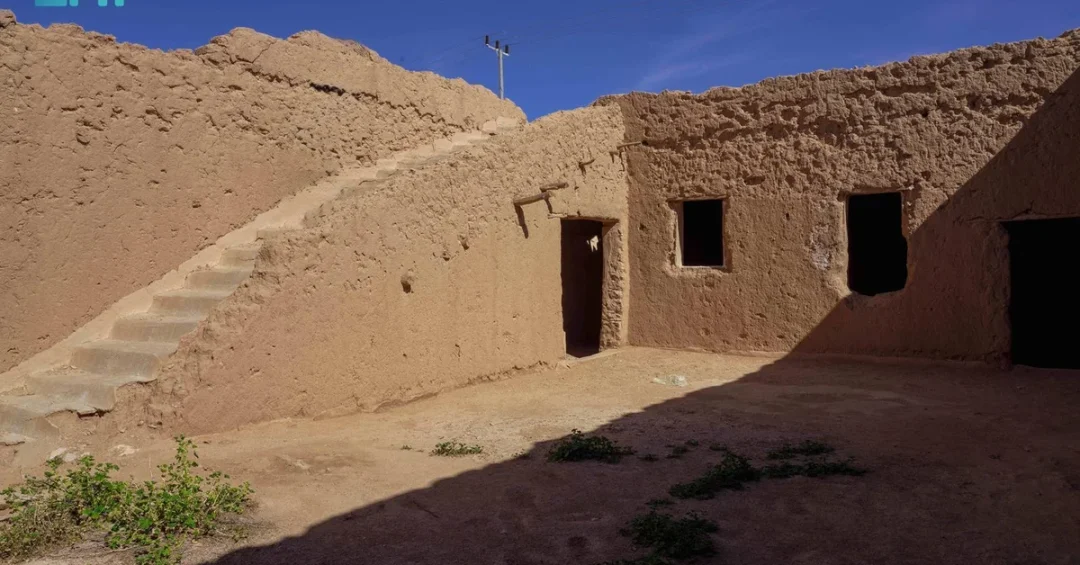
The historic village of Laynah, located 105 kilometers south of Rafha in Saudi Arabia’s Northern Borders Region, stands as a living testament to ancestral ingenuity and architectural heritage, according to the Saudi Press Agency (SPA). This ancient mud village, like others scattered across the Kingdom, serves as an open museum that showcases the resourcefulness of past generations, blending skilled craftsmanship with locally sourced natural materials to create enduring models of traditional architecture that continue to inspire visitors and researchers alike.
Context and Background
Saudi Arabia’s ancient mud villages, including the renowned Laynah, represent a rich tapestry of cultural heritage that dates back centuries. These settlements were built by communities who adapted to the harsh desert environment using materials readily available to them: clay, palm fronds, and stone. The result was a distinctive architectural style that not only met the functional needs of daily life but also reflected a deep understanding of climate and sustainability. Laynah, in particular, has been preserved as a cultural landmark, offering a window into the daily lives of ancestors who thrived in the Northern Borders Region.
The village’s layout features well-defined spaces such as bedrooms, kitchens, living rooms, and central courtyards that served as the heart of social and family life. Over generations, villagers refined their construction techniques, developing features like rain-resistant facades, stone and clay wall reinforcements, and strategically oriented openings to maximize comfort and durability. These innovations demonstrate a mastery of vernacular architecture that remains relevant today.
Key Details
Laynah’s significance extends beyond its physical structures. As an open museum, it embodies the cultural identity of the Northern Borders Region and provides visitors with an immersive glimpse into ancestral daily life. The village is part of a broader network of heritage sites across the Kingdom that contribute to both local and international tourism, blending historical narratives with modern, interactive experiences. According to the Saudi Press Agency, these mud villages stand as a testament to a unique architectural legacy, showing how simplicity and creativity can come together to create an enduring human civilization.
Implications and Impact
The preservation and promotion of Laynah and similar sites align with Saudi Arabia’s broader efforts to celebrate its cultural heritage and diversify its tourism offerings. By transforming these ancient villages into open museums, the Kingdom not only safeguards its history but also creates opportunities for economic growth through tourism. International visitors gain insight into Saudi Arabia’s rich past, while local communities benefit from increased awareness and potential revenue streams. This initiative also supports the goals of Vision 2030 by enhancing the Kingdom’s cultural tourism sector and fostering a deeper appreciation of Saudi heritage on the global stage.
Vision 2030 Alignment
Laynah’s role as a cultural and tourism asset directly supports Saudi Vision 2030, which aims to diversify the economy, promote cultural heritage, and attract international visitors. By investing in the preservation of historic sites like Laynah, Saudi Arabia reinforces its commitment to sustainable tourism and the celebration of its unique identity. As the Kingdom continues to develop its tourism infrastructure, sites like Laynah will play a vital role in showcasing the nation’s rich history and its forward-looking vision, bridging the past and the future in a harmonious blend that benefits both citizens and the global community.
20 Questions
Q1. What is Laynah and where is it located?
A1. Laynah is a historic mud village located 105 kilometers south of Rafha in the Northern Borders Region of Saudi Arabia. It is known for its ancient architecture and serves as an open museum showcasing ancestral ingenuity.
Q2. What materials were used to build the homes in Laynah?
A2. The homes in Laynah were constructed using locally sourced materials such as clay, palm fronds, and stone. These materials were adapted to the local climate and reflect the resourcefulness of past generations.
Q3. What types of spaces were included in Laynah’s traditional homes?
A3. Traditional homes in Laynah featured well-defined spaces including bedrooms, kitchens, living rooms, and central courtyards. The courtyards served as the heart of daily life and social interaction for families.
Q4. How did villagers in Laynah ensure their buildings were durable?
A4. Villagers refined construction techniques over generations, incorporating features like rain-resistant facades, stone and clay wall reinforcements, and strategically oriented architectural openings to ensure durability and comfort.
Q5. Why is Laynah considered an open museum?
A5. Laynah is considered an open museum because it preserves and showcases the traditional architecture and daily life of past generations. It offers visitors a glimpse into ancestral living and the cultural identity of the Northern Borders Region.
Q6. What is the significance of Laynah for the Northern Borders Region?
A6. Laynah embodies the cultural identity of the Northern Borders Region and serves as a testament to the region’s architectural heritage. It contributes to local and international tourism by blending historical narratives with modern experiences.
Q7. How does Laynah contribute to tourism in Saudi Arabia?
A7. Laynah attracts tourists interested in cultural heritage and traditional architecture. It is part of a network of heritage villages that offer interactive experiences, thereby enhancing both local and international tourism in the Kingdom.
Q8. What architectural features demonstrate the mastery of Laynah’s builders?
A8. Features such as rain-resistant facades, stone and clay wall reinforcements, and strategically oriented openings demonstrate the builders’ mastery. These elements show a deep understanding of climate adaptation and structural resilience.
Q9. How does Laynah reflect the simplicity and creativity of past generations?
A9. Laynah reflects simplicity and creativity through its use of natural materials and functional design. The harmonious blend of form and function created enduring buildings that stand as a testament to human ingenuity in harsh environments.
Q10. What role does Laynah play in Saudi Arabia’s Vision 2030?
A10. Laynah supports Vision 2030 by promoting cultural tourism and heritage preservation. It helps diversify the economy and showcases Saudi Arabia’s rich history to the world, aligning with the goal of attracting international visitors.
Q11. Are there other similar villages in Saudi Arabia?
A11. Yes, there are many ancient mud villages scattered across the Kingdom’s deserts. Like Laynah, they contribute to tourism and preserve the architectural legacy of Saudi Arabia’s ancestors.
Q12. How were the central courtyards used in daily life?
A12. Central courtyards were the heart of daily life, serving as communal spaces for family gatherings, social activities, and sometimes for keeping livestock. They provided ventilation and natural light to surrounding rooms.
Q13. What makes Laynah’s architecture suitable for the desert climate?
A13. Laynah’s architecture uses thick clay walls and strategic openings to regulate temperature, keeping interiors cool in summer and warm in winter. The materials and design are well-suited to the desert climate.
Q14. How can visitors experience Laynah today?
A14. Visitors can explore Laynah as an open museum, walking through its preserved structures and learning about the daily life of past generations. It offers an immersive cultural experience in the Northern Borders Region.
Q15. What is the historical timeline of Laynah?
A15. Laynah dates back centuries, with generations of villagers continuously refining its architecture. It stands as a living museum that has evolved over time while preserving its traditional character.
Q16. How does Laynah contribute to Saudi Arabia’s cultural identity?
A16. Laynah is a symbol of Saudi Arabia’s rich cultural heritage, showcasing the ingenuity and adaptability of its ancestors. It helps strengthen national pride and cultural identity among Saudis and presents a positive image globally.
Q17. What economic benefits does Laynah bring to the local community?
A17. Laynah attracts tourists, which can stimulate local businesses such as guides, handicraft shops, and hospitality services. This creates job opportunities and supports economic development in the Northern Borders Region.
Q18. How is Laynah preserved for future generations?
A18. Laynah is preserved through government and community efforts to maintain its structures and promote it as a heritage site. These initiatives ensure that future generations can learn from and appreciate this architectural legacy.
Q19. What can international visitors learn from Laynah?
A19. International visitors can learn about traditional Saudi architecture, sustainable building practices, and the daily life of ancient communities. It offers insights into how people adapted to challenging environments with limited resources.
Q20. How does Laynah align with Saudi Arabia’s tourism goals?
A20. Laynah aligns with Saudi Arabia’s tourism goals by offering a unique cultural destination that attracts visitors interested in heritage. It supports the Vision 2030 objective of increasing tourism’s contribution to the economy.
Reader Feedback
We value your thoughts. Please share your feedback on this article.
Your feedback helps us improve our coverage.
Related articles
 AlUla’s Agricultural Crops Enrich Ramadan Tables
 AlUla’s Incense Road: Ancient Trade Route Revived
 Saudi Authority Enhances Women’s Services at Grand Mosque for Ramadan
 Yalamlam Miqat Sees Ramadan Pilgrim Surge
 Grand Mosque Facilities Enhanced for Visitor Comfort
 Tourism Ministry Conducts 1,200+ Inspections in Makkah and Madinah During Ramadan