


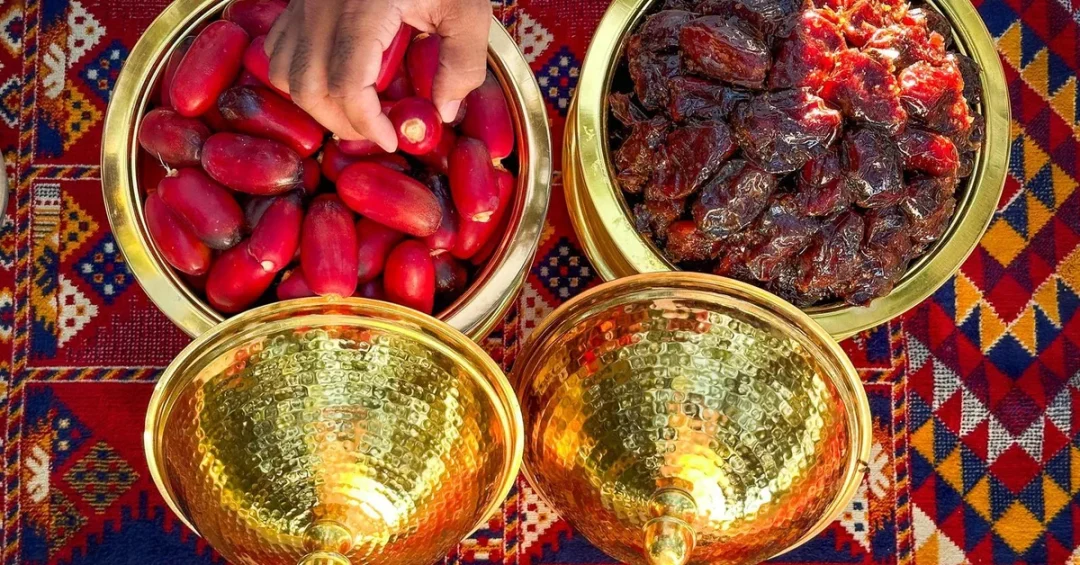
The relationship between the people of the Al-Jouf region and palm trees stretches across generations, symbolizing a deep connection between the inhabitants and their land, as reported by the Saudi Press Agency (SPA). This enduring bond is passed down from generation to generation, with young people today continuing to nurture their connection to palm cultivation, learning from their fathers and grandfathers, and taking pride in the rich agricultural heritage of the region. Date farming, particularly the cultivation of Hilwah Al-Jouf, remains a source of pride and an important element of the region’s culture and economy.
Context and Background
Historically, the palm tree provided essential sustenance to the community, with uses extending beyond food. Palm trunks, fronds, and branches were vital materials for construction and daily life, forming the foundation for shelter and basic necessities. The Al-Jouf region, with nearly one million palm trees, produces over 43,000 tons of dates annually, including the celebrated Hilwah Al-Jouf. This abundance underscores the region’s agricultural significance and its role in sustaining local livelihoods.
Key Details
Hilwah Al-Jouf is the most famous date variety from the Al-Jouf region, praised not only for its flavor but also for its cultural significance. As far back as 1879, English traveler Lady Anne Blunt remarked on the exceptional sweetness and quality of these dates during her visit to the region. Today, Hilwah Al-Jouf remains highly sought after in local markets, particularly during the harvest season, which begins in September. Farmers like Ayman Al-Khabour describe the careful harvesting and production process that transforms these dates from their initial red appearance, known as Basr, into fully ripened varieties. The dates are carefully stored and pressed, ready to be enjoyed during the winter months, when they are known as Al-Majrash, a local delicacy characterized by its sugary texture and molasses-like appearance.
Implications and Impact
Year after year, Hilwah Al-Jouf supports the local economy, with farmers marketing their produce at regional festivals and competing in contests celebrating the best dates. More than just a food item, Hilwah Al-Jouf represents a cultural and economic cornerstone of the Al-Jouf region, embodying a tradition that spans generations and remains central to the community’s identity. The date industry in Al-Jouf not only provides employment but also attracts visitors and boosts tourism, contributing to the region’s overall development.
Vision 2030 Alignment
The cultivation and promotion of Hilwah Al-Jouf align closely with Saudi Arabia’s Vision 2030, which aims to diversify the economy, support local industries, and enhance the Kingdom’s cultural heritage. By preserving traditional agricultural practices while embracing modern marketing and distribution, the date sector exemplifies how Saudi Arabia is balancing its rich history with a forward-looking economic strategy. As the Kingdom continues to invest in sustainable agriculture and rural development, Hilwah Al-Jouf stands as a testament to the enduring bond between the people and their land, contributing to a vibrant and prosperous future.
20 Questions
Q1. What is Hilwah Al-Jouf?
A1. Hilwah Al-Jouf is the most famous date variety from the Al-Jouf region in Saudi Arabia, praised for its exceptional sweetness, quality, and cultural significance.
Q2. How long has the relationship between Al-Jouf people and palm trees existed?
A2. The relationship stretches across generations, symbolizing a deep connection between the inhabitants and their land, passed down from fathers to sons.
Q3. What are some traditional uses of palm trees in Al-Jouf?
A3. Beyond food, palm trunks, fronds, and branches were vital materials for construction and daily life, forming the foundation for shelter and basic necessities.
Q4. Who was Lady Anne Blunt and what did she say about Hilwah dates?
A4. Lady Anne Blunt was an English traveler who in 1879 remarked on the exceptional sweetness and quality of Hilwah Al-Jouf dates during her visit to the region.
Q5. When does the harvest season for Hilwah Al-Jouf begin?
A5. The harvest season begins in September, when the dates are carefully picked and processed.
Q6. How many palm trees are there in the Al-Jouf region?
A6. The Al-Jouf region has nearly one million palm trees, producing over 43,000 tons of dates annually.
Q7. What is Basr?
A7. Basr is the initial red appearance of dates before they fully ripen into varieties like Hilwah Al-Jouf.
Q8. What is Al-Majrash?
A8. Al-Majrash is a local delicacy made from dates that are carefully stored and pressed, enjoyed during winter months for its sugary texture and molasses-like appearance.
Q9. How does Hilwah Al-Jouf support the local economy?
A9. It supports the local economy through date farming, marketing at regional festivals, and contests celebrating the best dates, providing income for farmers and boosting related industries.
Q10. Who is Ayman Al-Khabour?
A10. Ayman Al-Khabour is a farmer in Al-Jouf who describes the careful harvesting and production process of Hilwah Al-Jouf dates.
Q11. Why is Hilwah Al-Jouf considered a cultural cornerstone?
A11. It embodies a tradition that spans generations, remains central to the community’s identity, and represents the rich agricultural heritage of the region.
Q12. How does date farming in Al-Jouf align with Vision 2030?
A12. It aligns with Vision 2030 by diversifying the economy, supporting local industries, and preserving cultural heritage while embracing modern practices.
Q13. What role do regional festivals play in the date industry?
A13. Regional festivals provide a platform for farmers to market their produce, compete in contests, and celebrate the best dates, enhancing community engagement and tourism.
Q14. How are dates processed after harvesting?
A14. Dates are carefully stored and pressed to transform them into fully ripened varieties, including Al-Majrash, ready for consumption during winter.
Q15. What makes Hilwah Al-Jouf dates unique?
A15. They are known for their exceptional sweetness, quality, and cultural significance, making them highly sought after in local markets.
Q16. How does the date industry contribute to tourism in Al-Jouf?
A16. The date industry attracts visitors interested in agricultural heritage, festivals, and local products, thereby boosting tourism and regional development.
Q17. What is the significance of palm trees beyond food in Al-Jouf?
A17. Palm trees have historically provided materials for construction and daily necessities, forming the foundation for shelter and basic life needs.
Q18. How is the tradition of date farming passed down?
A18. Young people learn from their fathers and grandfathers, taking pride in the agricultural heritage and continuing the cultivation of palm trees.
Q19. What economic benefits does Hilwah Al-Jouf bring to the region?
A19. It provides employment, supports local markets, and contributes to the region’s overall economic development through date production and sales.
Q20. How does Hilwah Al-Jouf reflect Saudi Arabia’s cultural heritage?
A20. It exemplifies the deep-rooted traditions and agricultural practices that are integral to Saudi identity, showcasing the Kingdom’s rich history and its sustainable future.
Reader Feedback
We value your thoughts. Please share your feedback on this article.
Your feedback helps us improve our coverage.
Related articles
 Buraidah Hosts Creative Cities of Gastronomy Exhibition
 Museums Commission Signs MoU with AEON Collective
 Museums Commission and APD Sign MoU for Inclusive Museums
 Saudi Literature Commission CEO Meets US Embassy Counselor
 Red Sea Film Foundation Shines at Toronto International Film Festival
 Minister of Culture Visits KSGAAL to Review Key Projects