


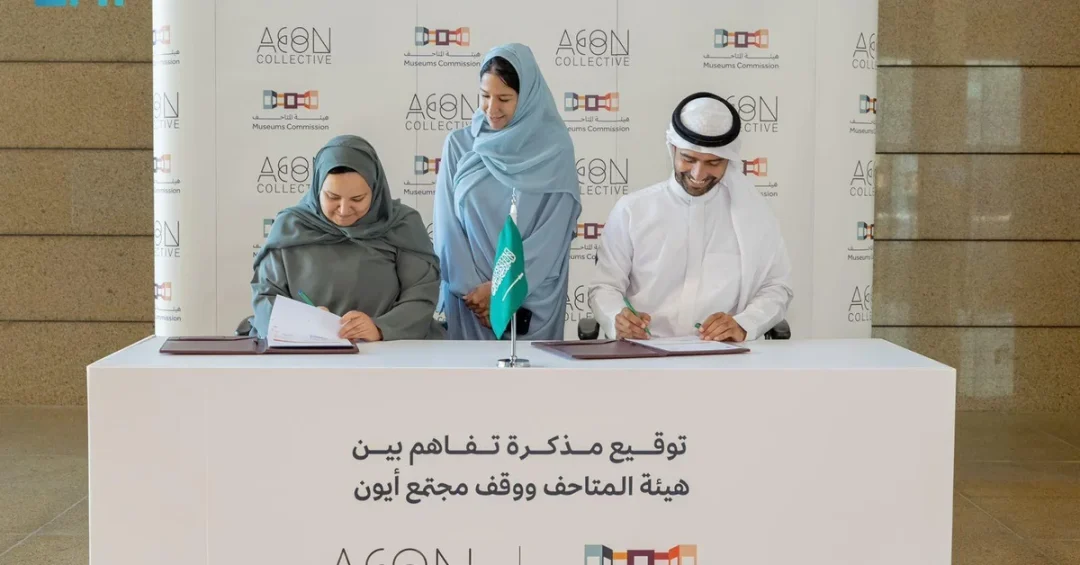
The Museums Commission signed a memorandum of understanding (MoU) with the endowment fund AEON Collective on September 8, 2024, at the National Museum in Riyadh, marking a significant step toward integrating sustainability into Saudi Arabia’s museum sector. The agreement, announced via the Saudi Press Agency, aims to promote sustainable operational strategies, address local environmental issues, and strengthen the connection between museums and their surrounding communities.
Context and Background
The MoU was signed by Ibrahim Al-Sanousi, Acting CEO of the Museums Commission, and Princess Noura bint Turki Al Saud and Princess Mashael bint Saud bin Fawaz Al Shalan, founding partners and endowment administrators of the AEON Collective. This partnership reflects Saudi Arabia’s broader commitment to environmental stewardship and cultural preservation, aligning with the Kingdom’s Vision 2030 goals of sustainable development and enhanced quality of life.
The Museums Commission, established in 2020, oversees the development and promotion of museums across Saudi Arabia, aiming to preserve the nation’s rich heritage while fostering contemporary cultural expression. The AEON Collective, an endowment fund, focuses on sustainability and environmental initiatives, making this collaboration a natural fit for advancing eco-friendly practices within cultural institutions.
Key Details
The memorandum outlines cooperation in areas of mutual interest, with a strong emphasis on promoting sustainable practices within museums. Key objectives include optimizing the use of eco-friendly resources, improving energy efficiency, and raising awareness of environmental issues through educational and outreach initiatives. The signatories aim to showcase authentic Saudi identity, build knowledge through culturally informed approaches, and strengthen capabilities in sustainable development.
This agreement is part of a wider effort to integrate sustainability into the cultural sector, ensuring that museums not only preserve artifacts but also serve as models of environmental responsibility. By implementing sustainable operational strategies, museums can reduce their carbon footprint and contribute to national environmental goals.
Implications and Impact
This MoU has significant implications for Saudi Arabia’s cultural and environmental landscape. It positions museums as catalysts for community engagement on environmental issues, fostering a sense of stewardship among visitors and local populations. Regionally, it sets a precedent for other cultural institutions in the Gulf to adopt sustainable practices, potentially influencing similar initiatives across the Arab world.
Internationally, the partnership enhances Saudi Arabia’s reputation as a responsible global citizen committed to sustainability, in line with the UN Sustainable Development Goals. It also supports the Kingdom’s efforts to attract tourism by offering unique, environmentally conscious cultural experiences.
Vision 2030 Alignment
This collaboration directly supports Saudi Vision 2030, particularly its objectives to diversify the economy, enhance environmental sustainability, and promote cultural heritage. By integrating sustainability into museums, the Kingdom not only preserves its cultural legacy but also advances its commitment to a greener future, reinforcing its role as a leader in sustainable development on the global stage.
20 Questions
Q1. What is the purpose of the MoU between the Museums Commission and AEON Collective?
A1. The MoU aims to promote sustainability in museums through sustainable operational strategies, address local environmental issues, and strengthen connections between museums and their communities.
Q2. Who signed the MoU on behalf of the Museums Commission?
A2. Ibrahim Al-Sanousi, Acting CEO of the Museums Commission, signed the MoU.
Q3. Who signed the MoU on behalf of AEON Collective?
A3. Princess Noura bint Turki Al Saud and Princess Mashael bint Saud bin Fawaz Al Shalan, founding partners and endowment administrators of AEON Collective, signed the MoU.
Q4. Where was the MoU signed?
A4. The MoU was signed at the National Museum in Riyadh.
Q5. When was the MoU signed?
A5. It was signed on September 8, 2024.
Q6. What are the key areas of cooperation outlined in the MoU?
A6. Key areas include promoting sustainable practices, optimizing eco-friendly resources, improving energy efficiency, and raising environmental awareness through education and outreach.
Q7. How does this MoU align with Saudi Vision 2030?
A7. It supports Vision 2030 goals of sustainable development, cultural preservation, and enhanced quality of life, reinforcing Saudi Arabia’s commitment to environmental stewardship.
Q8. What is the role of the Museums Commission?
A8. The Museums Commission oversees the development and promotion of museums across Saudi Arabia, preserving heritage and fostering cultural expression.
Q9. What is AEON Collective?
A9. AEON Collective is an endowment fund focused on sustainability and environmental initiatives.
Q10. How will the MoU impact local communities?
A10. It will strengthen connections between museums and communities, fostering environmental awareness and engagement through educational and outreach programs.
Q11. What sustainable practices will be promoted?
A11. Practices include optimizing eco-friendly resources, improving energy efficiency, and implementing sustainable operational strategies in museums.
Q12. Will the MoU contribute to environmental protection?
A12. Yes, through educational and outreach initiatives that raise awareness of environmental issues and promote protection efforts.
Q13. How does the MoU showcase Saudi identity?
A13. It highlights authentic Saudi identity by integrating cultural and environmental values, building knowledge through a culturally informed approach.
Q14. What is the significance of this partnership for Saudi Arabia’s cultural sector?
A14. It sets a precedent for integrating sustainability into cultural institutions, enhancing their role as community hubs and models of environmental responsibility.
Q15. How might this MoU influence other GCC countries?
A15. It could inspire similar sustainable initiatives in cultural institutions across the Gulf, promoting regional environmental stewardship.
Q16. What educational initiatives are planned?
A16. The MoU includes educational and outreach initiatives to raise awareness of environmental issues and promote sustainable practices among museum visitors and communities.
Q17. How will the MoU improve energy efficiency in museums?
A17. By implementing sustainable operational strategies, museums can optimize resource use and reduce energy consumption, contributing to environmental sustainability.
Q18. What benefits will museums see from this MoU?
A18. Museums will benefit from enhanced sustainability, reduced environmental impact, and stronger community engagement, aligning with global best practices.
Q19. How does this MoU support Saudi Arabia’s tourism goals?
A19. It enhances cultural tourism by offering environmentally conscious experiences, attracting visitors interested in sustainability and heritage.
Q20. What is the long-term vision for this partnership?
A20. The long-term vision is to embed sustainability into Saudi museums, contributing to Vision 2030’s environmental and cultural objectives, and positioning the Kingdom as a leader in sustainable cultural development.
Reader Feedback
We value your thoughts. Please share your feedback on this article.
Your feedback helps us improve our coverage.
Related articles
 Museums Commission and APD Sign MoU for Inclusive Museums
 Saudi Literature Commission CEO Meets US Embassy Counselor
 Red Sea Film Foundation Shines at Toronto International Film Festival
 Minister of Culture Visits KSGAAL to Review Key Projects
 GEA Launches Golden Pen Award Website
 Music Commission Unveils London ‘Marvels of Saudi Orchestra’ Concert