


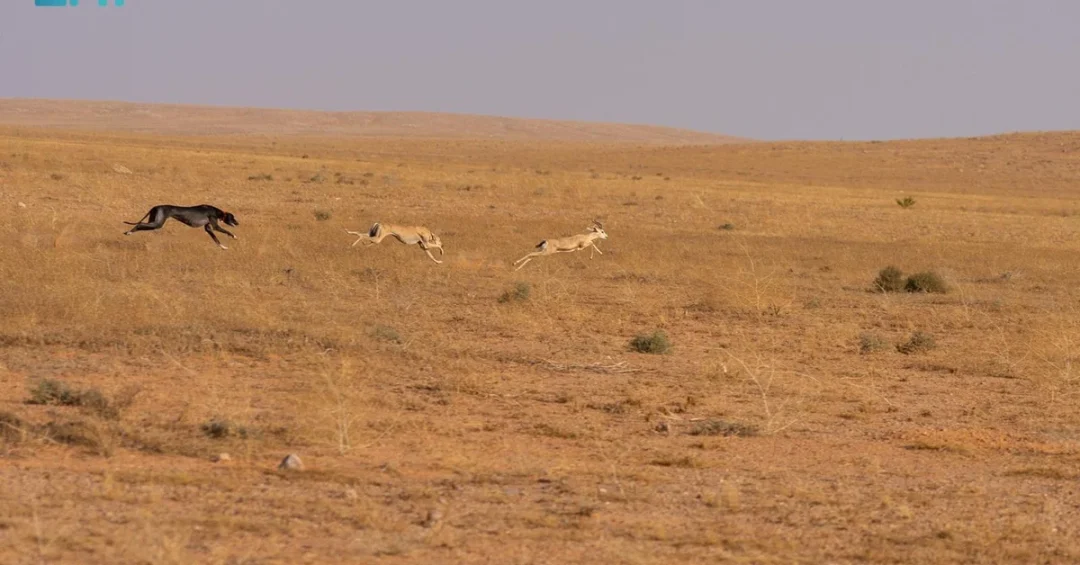
RIYADH, October 12, 2024 — The North Reserve for Sustainable Hunting, the only sanctuary in the Kingdom of Saudi Arabia where hunting with firearms, falcons, and Saluki dogs is permitted, has announced that its tailored hunting programs will commence on November 1, with reservations now open, according to the Saudi Press Agency (SPA). This landmark initiative marks a significant step in Saudi Arabia’s efforts to balance cultural heritage with modern conservation, offering a comprehensive hunting experience that upholds tradition while embracing sustainability. The reserve, managed under the guidance of Saudi authorities, aims to regulate hunting activities, protect wildlife, and reduce illegal hunting by providing sustainable alternatives.
For international observers, the North Reserve represents a unique blend of tradition and modernity, showcasing how Saudi Arabia is preserving its rich hunting heritage while advancing environmental stewardship. As the Kingdom continues to diversify its economy and promote tourism under Vision 2030, this reserve stands as a testament to the nation’s commitment to sustainable development and cultural preservation. The opening of these programs is poised to attract hunting enthusiasts from around the world, offering them an opportunity to engage with Saudi Arabia’s natural beauty and cultural legacy.
Context and Background
How did the North Reserve for Sustainable Hunting come to be, and why is it crucial now? Located in the northern region of Saudi Arabia, the reserve was established as part of the Kingdom’s broader strategy to regulate hunting and conserve wildlife. Historically, the area was a pastoral region known for its abundance of trees and ponds, serving as a key stop along the migratory route for houbara bustards and other wild birds. The reserve’s creation reflects a response to the challenges of unregulated hunting, which threatened local ecosystems and species. By offering a controlled environment for hunting with firearms, falcons, and Saluki dogs, the reserve seeks to preserve traditional practices while ensuring the sustainability of wildlife populations.
The reserve’s significance extends beyond conservation; it is a cultural cornerstone. The local community is renowned for its diverse handicrafts, including honey production and the weaving of northern sadu, a heritage cherished by the people of the region. These traditions are integral to the reserve’s identity, providing visitors with an authentic experience that connects them to Saudi Arabia’s deep-rooted customs. As the Kingdom opens its doors to international tourists, the North Reserve offers a unique window into its heritage, blending ancient practices with modern amenities and infrastructure.
Moreover, the reserve’s launch aligns with Saudi Arabia’s Vision 2030, which aims to diversify the economy and promote tourism. By developing tailored hunting programs, the reserve contributes to these goals, creating new opportunities for economic growth and cultural exchange. The timing is strategic, as global interest in sustainable tourism and ethical hunting continues to rise, positioning Saudi Arabia as a responsible destination for such activities.
Key Details of the North Reserve
What makes the North Reserve for Sustainable Hunting a unique destination? The reserve is the only sanctuary in the Kingdom where hunting with firearms, falcons, and Saluki dogs is permitted, offering tailored programs that cater to different preferences. These programs will begin on November 1, and reservations are now open, according to the SPA. The reserve features diverse terrains, making it an ideal destination for hunting enthusiasts. It is approximately 160 km from Rafha Airport, 268 km from Hail Airport, 483 km from Jouf Airport, and 338 km from Qaisumah Airport, ensuring accessibility for domestic and international visitors.
The reserve also provides a variety of accommodation options, ensuring a comfortable stay for guests. This comprehensive approach enhances the overall experience, allowing visitors to immerse themselves in the natural environment while enjoying modern conveniences. The reserve’s management emphasizes sustainable practices, aiming to reduce illegal hunting by offering legal alternatives. This not only protects wildlife but also educates hunters on ethical practices, fostering a culture of responsible hunting.
Furthermore, the reserve is a haven for biodiversity, particularly as a stopover for migratory birds like the houbara bustard. These birds find refuge in the reserve’s ponds and trees, highlighting the importance of conservation efforts. By preserving these habitats, the reserve supports global biodiversity and positions Saudi Arabia as a leader in environmental protection. The integration of traditional hunting methods with modern conservation strategies exemplifies the reserve’s innovative approach.
International and Regional Impact
How does the North Reserve influence Saudi Arabia’s regional and international standing? The reserve serves as a model for sustainable hunting practices in the Middle East, where falconry and Saluki hunting are deeply ingrained cultural traditions. By regulating these activities, Saudi Arabia sets a precedent for other nations, promoting ethical hunting and wildlife conservation. This initiative enhances the Kingdom’s reputation as a responsible global citizen, committed to environmental sustainability and cultural preservation.
Regionally, the reserve strengthens ties with neighboring countries that share similar hunting traditions. It attracts enthusiasts from across the Gulf and beyond, fostering cultural exchange and tourism. The reserve’s emphasis on sustainability resonates with international organizations and conservationists, potentially opening avenues for collaboration and partnerships. For example, Saudi Arabia’s efforts could align with global initiatives like the Convention on Migratory Species, further solidifying its role in international environmental diplomacy.
Additionally, the reserve contributes to Saudi Arabia’s soft power by showcasing its natural and cultural treasures. As international visitors experience the reserve’s unique offerings, they gain a deeper appreciation for the Kingdom’s heritage and its modernization journey. This positive image is crucial for attracting investment and tourism, supporting Vision 2030’s objectives.
Economic and Strategic Significance
What economic benefits does the North Reserve bring to Saudi Arabia? The reserve is a strategic asset in the Kingdom’s economic diversification efforts. By developing tourism products related to hunting, it creates jobs, stimulates local businesses, and generates revenue. The local community benefits from increased demand for handicrafts like honey and sadu weaving, preserving traditional skills while providing income. This aligns with Vision 2030’s goal of empowering local communities and reducing dependence on oil.
Strategically, the reserve enhances Saudi Arabia’s food security and biodiversity. Sustainable hunting practices help manage wildlife populations, preventing overpopulation or depletion. The reserve also serves as a research hub for conservation, contributing to scientific knowledge and informing policy. As Saudi Arabia invests in eco-tourism, the reserve becomes a key destination, attracting high-value tourists and extending their stay in the region.
Moreover, the reserve’s success could spur similar projects across the Kingdom, creating a network of sustainable hunting reserves. This would further diversify the tourism sector, which Vision 2030 identifies as a key growth area. By integrating traditional activities with modern infrastructure, the reserve exemplifies how Saudi Arabia can leverage its cultural assets for economic gain.
Vision 2030 Alignment
How does the North Reserve contribute to Vision 2030? The reserve directly supports Vision 2030’s objectives by promoting tourism, preserving cultural heritage, and fostering sustainable development. It offers a comprehensive experience that attracts international visitors, thereby boosting the tourism sector and showcasing Saudi Arabia’s natural beauty. The reserve’s focus on sustainability aligns with the Vision’s environmental goals, ensuring that future generations can enjoy these resources.
Furthermore, the reserve embodies the Vision’s emphasis on quality of life and community development. By engaging local communities and preserving traditions, it enhances social cohesion and pride. As Saudi Arabia continues its transformation, the North Reserve for Sustainable Hunting stands as a shining example of how tradition and modernity can coexist, driving progress while honoring the past. It is a destination that not only entertains but also educates and inspires, reflecting the Kingdom’s forward-looking vision.
20 Questions
Q1. What is the North Reserve for Sustainable Hunting?
A1. The North Reserve for Sustainable Hunting is the only sanctuary in Saudi Arabia where hunting with firearms, falcons, and Saluki dogs is permitted. It aims to regulate hunting, protect wildlife, and offer a comprehensive hunting experience.
Q2. When do the hunting programs at the reserve begin?
A2. The tailored hunting programs at the North Reserve will begin on November 1, 2024, and reservations are now open, as announced by the Saudi Press Agency.
Q3. Where is the North Reserve located?
A3. The reserve is located in the northern region of Saudi Arabia. It is approximately 160 km from Rafha Airport, 268 km from Hail Airport, 483 km from Jouf Airport, and 338 km from Qaisumah Airport.
Q4. What types of hunting are allowed at the reserve?
A4. Hunting with firearms, falcons, and Saluki dogs is permitted at the North Reserve, offering a blend of traditional and modern hunting methods in a sustainable manner.
Q5. What is the main goal of the North Reserve?
A5. The main goal is to regulate hunting activities to protect wildlife and reduce illegal hunting by providing sustainable alternatives, while offering a comprehensive experience for hunting enthusiasts.
Q6. How does the reserve support Vision 2030?
A6. The reserve supports Vision 2030 by developing tourism products, preserving cultural heritage, and promoting sustainable development, aligning with the Kingdom’s economic diversification goals.
Q7. What kind of accommodation is available at the reserve?
A7. The reserve offers a variety of accommodation options to ensure a comfortable stay for visitors, enhancing the overall hunting experience.
Q8. What wildlife can be found in the reserve?
A8. The reserve is a key stop along the migratory route for houbara bustards and other wild birds, which find refuge in its trees and ponds.
Q9. What is the historical significance of the region?
A9. The region was historically a pastoral area known for its abundance of trees and ponds, and it has long been a migratory stop for birds, contributing to its ecological importance.
Q10. What local handicrafts are known in the area?
A10. The local community is known for diverse handicrafts, including honey production and the weaving of northern sadu, a cherished heritage of the region.
Q11. How does the reserve reduce illegal hunting?
A11. By offering sustainable hunting alternatives and regulated programs, the reserve reduces illegal hunting, protecting wildlife and promoting ethical practices.
Q12. Can international tourists visit the reserve?
A12. Yes, the reserve welcomes international tourists, offering tailored programs and accommodations. It is accessible via several airports, making it convenient for global visitors.
Q13. What makes the North Reserve unique in Saudi Arabia?
A13. It is the only sanctuary in the Kingdom where hunting with firearms, falcons, and Saluki dogs is permitted, combining tradition with modern sustainability practices.
Q14. What are the diverse terrains of the reserve?
A14. The reserve features diverse terrains, including trees and ponds, making it an ideal destination for hunting enthusiasts and a refuge for wildlife.
Q15. How does the reserve contribute to biodiversity?
A15. The reserve provides a safe habitat for migratory birds like houbara bustards, supporting biodiversity and conservation efforts in the region.
Q16. What economic benefits does the reserve bring?
A16. The reserve stimulates local businesses, creates jobs, and generates revenue through tourism, supporting economic diversification and community empowerment.
Q17. Is there a reservation system for hunting programs?
A17. Yes, reservations are now open for the hunting programs that begin on November 1, allowing enthusiasts to book their experiences in advance.
Q18. How does the reserve preserve cultural heritage?
A18. By promoting traditional hunting methods and local handicrafts like sadu weaving and honey production, the reserve preserves and celebrates Saudi cultural heritage.
Q19. What role does the reserve play in Saudi tourism?
A19. The reserve is a key tourism destination, attracting hunting enthusiasts and showcasing Saudi Arabia’s natural beauty and cultural traditions, contributing to Vision 2030 tourism goals.
Q20. How can one learn more about the North Reserve?
A20. More information can be obtained through official Saudi channels, including the Saudi Press Agency, which regularly updates on the reserve’s programs and developments.
Reader Feedback
We value your thoughts. Please share your feedback on this article.
Your feedback helps us improve our coverage.
Related articles
 Northern Borders Caves: 542 Sites Open for Adventure
 Mountain Goats Thrive in Baljurashi National Park
 Unforgettable October: Saudi Skies Dazzle with Comet and Const
 Riyadh Season 2024 Draws 2 Million Visitors in One Week
 King Abdullah International Gardens Nears Completion in Riyadh
 Farmers’ Market Held in AlUla