


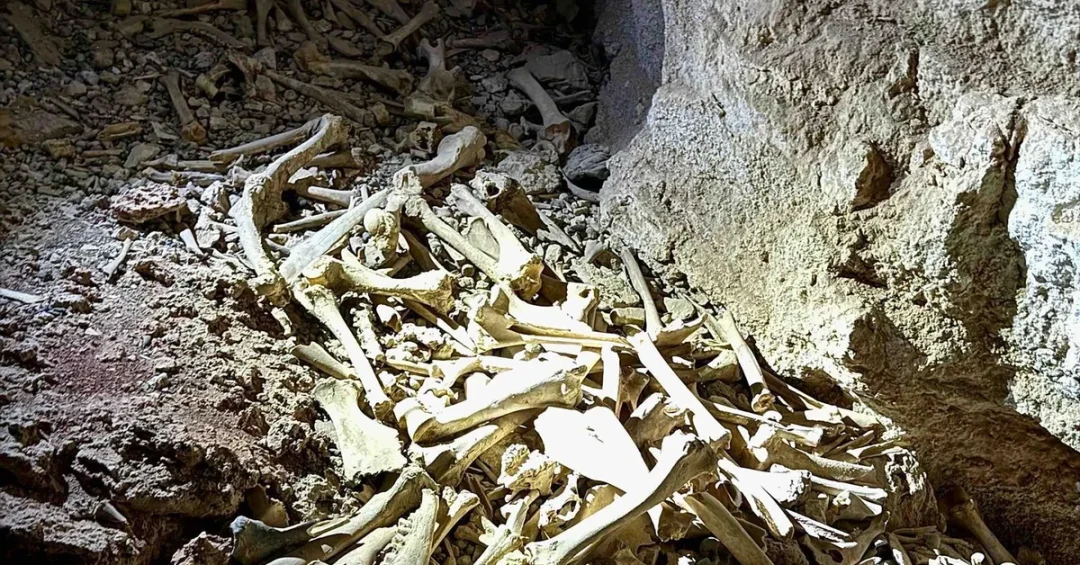
RIYADH, Saudi Arabia (SPA) — More than 540 caves and sinkholes have been documented in the Northern Borders region of Saudi Arabia, offering a window into millennia of geological history and emerging as a unique destination for adventure tourism and scientific research. The formations, created by natural geological processes over thousands of years, are attracting increasing attention from tourists, academics, and adventure seekers, according to a report released by the Saudi Press Agency (SPA).
The discovery, detailed by Burjas Al-Falih, a member of the Afaq Society for Astronomy and a speleologist, highlights the untapped potential of Saudi Arabia’s natural heritage. Caves and sinkholes are among the most fascinating natural wonders, often preserving evidence of ancient climates, human activity, and unique geological phenomena. In the Northern Borders, these formations are not only scientific treasures but also a gateway to adventure tourism, aligning with the Kingdom’s broader efforts to diversify its economy and promote domestic and international tourism under Vision 2030. As Saudi Arabia continues to open up to the world, such discoveries underscore the richness of its landscapes and the opportunities they present for sustainable exploration and education.
Context and Background
Why are these geological formations so important for understanding Saudi Arabia’s natural history? The Northern Borders region, situated in the far north of the Kingdom, is characterized by sedimentary rock formations that date back millions of years. Over time, the interplay of water, wind, and chemical weathering has carved out an extensive network of caves and sinkholes, many of which remain unexplored. According to Burjas Al-Falih, a speleologist with the Afaq Society for Astronomy, a total of 542 such formations have been identified in the region. These vary widely in type, length, and size, providing a rare opportunity to study geological processes that span millennia.
The caves often feature stunning stalactites and stalagmites, formed by the slow deposition of minerals from dripping water. Such formations are not only visually breathtaking but also serve as records of past environmental conditions. Researchers and academics are particularly interested in these sites because they can yield insights into ancient climates, groundwater systems, and even early human habitation. The Afaq Society for Astronomy, a Saudi organization dedicated to astronomy and earth sciences, has been at the forefront of documenting these discoveries. Their work aligns with a growing global interest in speleology—the scientific study of caves—and highlights the Kingdom’s commitment to preserving its natural heritage while making it accessible for responsible exploration.
In recent years, cave tourism has surged in popularity among tourists and adventurers worldwide. Saudi Arabia, with its diverse landscapes, is well-positioned to tap into this trend. The Northern Borders region, in particular, offers a unique combination of geological wonders and cultural heritage, as it lies along ancient trade routes that once connected the Arabian Peninsula to Mesopotamia and the Levant. By promoting these sites, Saudi Arabia can attract adventure tourists seeking authentic experiences off the beaten path, while also fostering scientific research and educational opportunities for future generations.
Key Details
What makes the caves of the Northern Borders so unique? The 542 formations documented by Al-Falih include a variety of caves, sinkholes, and other karst features. Some are expansive chambers with towering ceilings, while others are narrow passages that require specialized equipment to navigate. The presence of stalactites and stalagmites indicates that these caves have been forming for thousands of years, with each layer of mineral deposit telling a story of climatic shifts and geological activity. Al-Falih emphasized the importance of documenting these explorations for future reference, noting that by clarifying locations, types, and access points, adventurers can explore these sites responsibly, preserving their components and avoiding tampering.
Organizing official trips to these locations is also crucial for their protection, Al-Falih added. Unregulated access can lead to damage to fragile formations, vandalism, or even accidents. Therefore, the Afaq Society for Astronomy and other stakeholders are working to establish guidelines for safe and sustainable cave exploration. This includes mapping cave systems, assessing their stability, and training local guides. Such measures not only protect the caves but also enhance the visitor experience by providing accurate information and ensuring safety. The Saudi Press Agency report underscores that these efforts are part of a broader movement to promote responsible tourism and scientific inquiry in the Kingdom.
Moreover, the caves are not just geological wonders; they are also potential archives of human history. Some caves in the region may have been used as shelters by ancient peoples, and archaeological evidence could shed light on early human migration and settlement patterns. The Northern Borders region has long been a crossroads of civilizations, and its caves could hold artifacts, rock art, or other traces of past cultures. This adds another layer of significance to the discoveries, making them valuable not only for geologists but also for archaeologists and historians. As exploration continues, the full extent of what these caves contain remains to be seen, but the potential is immense.
International and Regional Impact
How do these discoveries position Saudi Arabia on the global stage? The documentation of caves in the Northern Borders contributes to the international scientific community’s understanding of karst landscapes and paleoclimate. Researchers from around the world are increasingly interested in Saudi Arabia’s geological diversity, and collaborations with Saudi institutions are on the rise. For instance, the Afaq Society for Astronomy has partnered with international experts to share knowledge and best practices in speleology. This exchange not only advances science but also enhances Saudi Arabia’s reputation as a destination for academic tourism and research.
Regionally, the caves could boost tourism in the Northern Borders, an area that has traditionally been less visited than other parts of the Kingdom. By developing infrastructure and promoting these sites, Saudi Arabia can stimulate local economies, create jobs, and foster a sense of pride in the region’s natural heritage. The Kingdom’s Vision 2030 plan emphasizes the development of tourism as a key economic pillar, aiming to increase the sector’s contribution to GDP and attract millions of visitors annually. The caves are a unique asset in this endeavor, offering a niche experience that sets Saudi Arabia apart from other destinations in the region.
Furthermore, the caves can serve as a platform for cultural exchange and education. Visitors from around the world can learn about Saudi Arabia’s natural history and its commitment to preserving it. This aligns with the Kingdom’s broader efforts to open up to international tourists and showcase its diverse offerings beyond traditional attractions like religious sites and historic cities. By highlighting its geological wonders, Saudi Arabia can attract a new segment of travelers interested in adventure, nature, and science.
Economic and Strategic Significance
What economic opportunities do these caves present? Adventure tourism is a growing global market, and Saudi Arabia is well-positioned to capture a share of it. The Northern Borders caves offer activities such as guided tours, spelunking, and photography expeditions, which can generate revenue for local communities. Developing these sites requires investment in infrastructure—such as access roads, visitor centers, and safety equipment—which can create jobs and stimulate entrepreneurship. Moreover, the caves can be integrated into broader tourism itineraries that include other attractions in the region, such as ancient archaeological sites and natural reserves.
From a strategic perspective, the caves contribute to Saudi Arabia’s goals of economic diversification and knowledge-based development. By promoting scientific research and educational tourism, the Kingdom can build expertise in fields like geology, hydrology, and environmental science. This aligns with Vision 2030’s focus on innovation and human capital development. Additionally, the caves are a renewable resource if managed sustainably; they can continue to attract visitors and researchers for generations, providing long-term economic and cultural benefits.
The Saudi Press Agency report highlights that cave tourism has seen a surge in popularity, indicating a ready market. To capitalize on this, Saudi Arabia can invest in training local guides, developing digital maps and virtual tours, and implementing conservation measures. Such initiatives would not only enhance the visitor experience but also ensure the protection of these fragile environments. By striking a balance between access and preservation, the Kingdom can set a model for sustainable geo-tourism in the region.
Vision 2030 Alignment
How do the caves tie into Saudi Arabia’s long-term vision? Vision 2030 aims to transform the Kingdom into a global hub for tourism, culture, and innovation. The Northern Borders caves are a perfect example of how natural assets can be leveraged to achieve these goals. By developing this niche tourism segment, Saudi Arabia can attract adventure travelers and researchers, diversify its economy away from oil, and create opportunities for local communities. The caves also serve as a testament to the Kingdom’s rich natural heritage, which is an integral part of its identity and future.
In conclusion, the 542 caves and sinkholes in the Northern Borders are more than just geological formations; they are windows into the past and gates to adventure. They offer a unique blend of scientific value, natural beauty, and economic potential. With careful management and promotion, they can become a cornerstone of Saudi Arabia’s tourism offerings, drawing visitors from around the world to explore the wonders of the Kingdom. As the nation continues to open up and invest in its diverse regions, the caves stand as a symbol of the endless possibilities that lie within its borders.
20 Questions
Q1. What are the main geological formations found in the Northern Borders region?
A1. The Northern Borders region features caves and sinkholes formed by geological processes over thousands of years. These include karst formations, stalactites, and stalagmites, offering diverse types and sizes for exploration and study.
Q2. How many caves and sinkholes have been discovered in the Northern Borders?
A2. According to Burjas Al-Falih, a member of the Afaq Society for Astronomy and a speleologist, a total of 542 caves and sinkholes have been discovered in the region, as reported by the Saudi Press Agency.
Q3. Who is Burjas Al-Falih and what is his role in cave exploration?
A3. Burjas Al-Falih is a speleologist and a member of the Afaq Society for Astronomy. He plays a key role in documenting and exploring caves in the Northern Borders, emphasizing responsible practices and preservation.
Q4. Why are these caves significant for researchers and academics?
A4. The caves provide insights into geological history, ancient climates, and potential human habitation. They offer a rare opportunity to study formations dating back millennia, contributing to fields like geology, archaeology, and paleoclimatology.
Q5. What is cave tourism and why is it becoming popular?
A5. Cave tourism involves visiting caves for adventure, education, or sightseeing. It is gaining popularity globally as travelers seek unique experiences. In Saudi Arabia, it aligns with efforts to diversify tourism offerings under Vision 2030.
Q6. How can adventurers explore these caves responsibly?
A6. Adventurers should follow guidelines, avoid tampering with formations, and join official trips. Documenting explorations helps preserve sites. Responsible exploration ensures safety and conservation for future generations.
Q7. What measures are being taken to protect these caves?
A7. Efforts include organizing official trips, mapping cave systems, training guides, and implementing conservation measures. These actions aim to prevent damage and ensure sustainable access for visitors and researchers.
Q8. What types of formations can be seen inside these caves?
A8. Inside the caves, one can find stalactites, stalagmites, and other mineral deposits formed over thousands of years. These create breathtaking views and serve as records of past environmental conditions.
Q9. How do these caves contribute to Saudi Arabia’s tourism industry?
A9. They attract adventure tourists and researchers, boosting local economies and diversifying tourism. They are part of Saudi Arabia’s strategy to increase tourism’s GDP contribution and showcase natural heritage under Vision 2030.
Q10. What is the role of the Afaq Society for Astronomy in these discoveries?
A10. The Afaq Society for Astronomy, through members like Burjas Al-Falih, documents and studies caves. It promotes scientific research and responsible exploration, contributing to the understanding of Saudi Arabia’s geological heritage.
Q11. Are there any safety concerns for visitors exploring these caves?
A11. Yes, caves can be hazardous due to unstable terrain, narrow passages, and dark conditions. Visitors should join guided tours, use proper equipment, and follow safety protocols to ensure a safe experience.
Q12. How does cave exploration align with Saudi Vision 2030?
A12. Vision 2030 aims to diversify the economy and promote tourism. Cave exploration supports these goals by attracting visitors, creating jobs, and fostering scientific research, while preserving natural heritage for future generations.
Q13. What economic benefits can local communities gain from cave tourism?
A13. Local communities can benefit through job creation in guiding, hospitality, and transportation. Infrastructure development and increased visitor spending stimulate economic growth and improve quality of life in the region.
Q14. How can international tourists access these caves?
A14. International tourists can access the caves through organized tours and by obtaining necessary permits. Saudi Arabia’s expanding tourism infrastructure, including visas and transport, facilitates visits to the Northern Borders region.
Q15. What is the historical significance of the Northern Borders region?
A15. The region has been a crossroads of civilizations, with ancient trade routes passing through. Its caves may hold archaeological evidence of early human activity, adding to its historical and cultural importance.
Q16. How does cave tourism differ from other types of tourism in Saudi Arabia?
A16. Cave tourism offers a niche adventure experience focused on natural geological formations, unlike cultural or religious tourism. It appeals to thrill-seekers, researchers, and nature enthusiasts, diversifying the Kingdom’s tourism portfolio.
Q17. What steps are being taken to document these caves for future reference?
A17. Speleologists like Burjas Al-Falih are mapping locations, types, and access points. This documentation aids in research, conservation, and responsible exploration, ensuring that knowledge is preserved for future generations.
Q18. Can these caves be used for educational purposes?
A18. Absolutely. The caves serve as outdoor laboratories for geology, biology, and archaeology students. Educational trips and research projects can enhance understanding of earth sciences and natural history.
Q19. What is the potential for scientific research in these caves?
A19. The caves offer opportunities to study karst processes, paleoclimate, and biodiversity. Researchers can analyze mineral deposits, search for new species, and uncover evidence of past human activities, contributing to various scientific fields.
Q20. How do these caves reflect Saudi Arabia’s natural heritage?
A20. They are a testament to the Kingdom’s geological diversity and ancient history. By preserving and promoting them, Saudi Arabia showcases its commitment to protecting natural wonders and sharing them with the world.
Reader Feedback
We value your thoughts. Please share your feedback on this article.
Your feedback helps us improve our coverage.
Related articles
 Mountain Goats Thrive in Baljurashi National Park
 Unforgettable October: Saudi Skies Dazzle with Comet and Const
 Riyadh Season 2024 Draws 2 Million Visitors in One Week
 King Abdullah International Gardens Nears Completion in Riyadh
 Farmers’ Market Held in AlUla
 Riyadh Season Offers Free Entry to Seniors for Select Events