


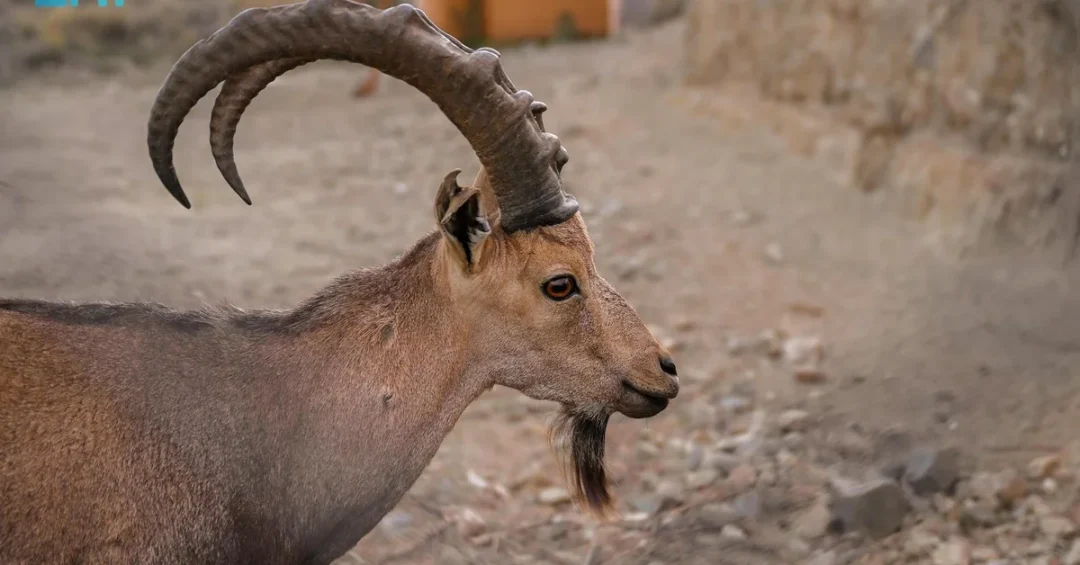
Baljurashi National Park in the Al-Baha region has become a must-visit destination for wildlife enthusiasts following the successful reintroduction of mountain goats by the National Center of Wildlife (NCW). The release of these animals is part of a broader national effort to restore endangered species to their natural habitats, and it has captivated visitors who now flock to the park to observe and photograph the agile creatures. The park, one of the largest under the Ministry of Environment, Water and Agriculture, spans some 600,000 square meters of mountainous terrain and offers a wide range of recreational facilities for families and youth.
Since the reintroduction, the park has witnessed a significant increase in visitor numbers, with many expressing joy at seeing the mountain goats up close. The NCW’s initiative aligns with Saudi Arabia’s Vision 2030 goals of environmental sustainability and biodiversity conservation. Have you ever wondered how such reintroduction programs contribute to the Kingdom’s ecological balance? The presence of these goats not only enriches the park’s natural appeal but also serves as a testament to the success of Saudi conservation strategies. Visitors can now enjoy watching the goats navigate the rugged landscape, a sight that highlights the harmonious coexistence of wildlife and human recreation.
Context and Background
The reintroduction of mountain goats in Baljurashi National Park is a key component of the National Center of Wildlife’s ongoing efforts to preserve Saudi Arabia’s rich biodiversity. The NCW, established to protect and manage wildlife across the Kingdom, has been actively working to reintroduce endangered species into their native habitats. Why is this reintroduction considered vital for the region’s ecosystem? Mountain goats are native to the mountainous regions of Saudi Arabia and play a crucial role in maintaining ecological balance by influencing plant communities and serving as prey for larger predators. Their decline in recent decades prompted the NCW to take action, and the release in Baljurashi marks a significant step toward reversing that trend.
The park itself, managed by the Ministry of Environment, Water and Agriculture, is a prime example of Saudi Arabia’s commitment to creating accessible natural spaces. Covering 600,000 square meters, it features family and youth seating areas, paved roads, sports fields, children’s play zones, service buildings, walking paths, shaded areas, and ample parking. These amenities make it easy for visitors of all ages to enjoy the outdoors while learning about conservation. The SPA lens recently captured joyful moments of families and friends observing the mountain goats, underscoring the park’s role as a community hub for nature appreciation.
Historically, the Baljurashi area has been known for its stunning mountainous landscapes and rich wildlife. The reintroduction program is part of a larger national strategy to restore ecosystems and promote eco-tourism. How does this initiative reflect Saudi Arabia’s broader environmental vision? By bringing back species like the mountain goat, the Kingdom not only enhances its natural heritage but also creates opportunities for sustainable tourism and education. The NCW’s work is supported by extensive research and monitoring to ensure the goats adapt well to their new environment, with early signs indicating a successful integration.
Key Details of the Reintroduction
The mountain goats released in Baljurashi National Park were carefully selected from breeding programs to ensure genetic diversity and health. The NCW oversaw their transport and release, following international best practices for wildlife reintroduction. What specific measures were taken to ensure the goats’ well-being? Prior to release, the animals underwent veterinary checks and were acclimatized to the local environment. The park’s mountainous terrain, with its rocky outcrops and natural vegetation, provides an ideal habitat for the goats, which are known for their sure-footedness and ability to thrive in steep landscapes.
Visitors are delighted by the goats’ playful behavior and impressive agility. Many have taken to social media to share photos and videos, further promoting the park as a tourist destination. The NCW has installed informative signs and viewing areas to help visitors observe the animals without disturbing them. How can the public contribute to the success of this initiative? By respecting wildlife and following park guidelines, visitors play a vital role in ensuring the goats remain healthy and undisturbed. The park’s facilities, including walking paths and shaded areas, are designed to facilitate safe and enjoyable wildlife watching.
In addition to mountain goats, the park is home to various other species of plants and animals, making it a biodiversity hotspot. The NCW continues to monitor the goats’ population and behavior, with plans to reintroduce more species in the future. The success of this project could serve as a model for similar initiatives across the Kingdom. What does this mean for Saudi Arabia’s environmental leadership? It demonstrates the Kingdom’s dedication to preserving its natural heritage for future generations, in line with Vision 2030’s environmental sustainability goals.
International and Regional Impact
The reintroduction of mountain goats in Baljurashi has drawn attention from conservationists and wildlife enthusiasts beyond Saudi Arabia’s borders. Regional neighbors have expressed interest in learning from the Kingdom’s approach to species reintroduction. How does this position Saudi Arabia as a leader in environmental conservation? By sharing expertise and best practices, the Kingdom can foster collaboration and contribute to global biodiversity targets. The NCW’s work aligns with international agreements such as the Convention on Biological Diversity, which Saudi Arabia is a party to.
Furthermore, the park’s success enhances Saudi Arabia’s reputation as a destination for eco-tourism. International visitors seeking unique wildlife experiences are increasingly considering the Kingdom, especially as Vision 2030 aims to diversify tourism offerings. The mountain goats have become ambassadors for Saudi Arabia’s natural beauty. What role does eco-tourism play in the Kingdom’s economic diversification? It creates jobs, supports local communities, and promotes sustainable development, all while showcasing the country’s environmental treasures. The Baljurashi park is a shining example of how conservation and tourism can mutually benefit each other.
Economic and Strategic Significance
The reintroduction of mountain goats and the resulting influx of visitors have positive economic implications for the Al-Baha region. Local businesses, from hotels to restaurants and guide services, are experiencing increased patronage. How does this align with Saudi Arabia’s economic diversification goals? Tourism is a key pillar of Vision 2030, and wildlife-based attractions add a unique dimension to the Kingdom’s offerings. The park’s development and maintenance also create employment opportunities for residents, contributing to local prosperity.
Strategically, the project reinforces Saudi Arabia’s commitment to environmental stewardship, which is increasingly important on the global stage. By investing in biodiversity, the Kingdom demonstrates its seriousness about sustainability and climate action. What message does this send to the international community? It shows that Saudi Arabia is not only a major energy producer but also a responsible custodian of its natural environment. The NCW’s efforts are part of a broader national strategy to protect 30% of the Kingdom’s land and sea by 2030, a goal that underscores the leadership’s foresight.
Vision 2030 Alignment
The mountain goat reintroduction project is a clear reflection of Vision 2030’s environmental sustainability objectives. The Vision, launched by Crown Prince Mohammed bin Salman, aims to diversify the economy, improve quality of life, and protect natural resources. How does wildlife conservation fit into this grand vision? It enhances the Kingdom’s environmental capital, supports eco-tourism, and fosters a sense of national pride. The NCW’s work is directly contributing to the Saudi Green Initiative, which seeks to plant 10 billion trees and protect 30% of land and sea.
As Saudi Arabia continues to advance its conservation efforts, the Baljurashi National Park stands as a symbol of what can be achieved when government, communities, and nature work in harmony. The joyful moments captured by the SPA lens reflect a nation that values its environment and is committed to preserving it for generations to come. Will other regions follow suit? With the NCW’s guidance, similar projects are likely to emerge, further solidifying the Kingdom’s role as a global leader in wildlife conservation and sustainable development.
20 Questions
Q1. What is the significance of releasing mountain goats in Baljurashi National Park?
A1. The release is part of a national effort to reintroduce endangered species into their natural habitats, enhancing biodiversity and providing visitors with a unique wildlife experience.
Q2. Which organization is responsible for the reintroduction of mountain goats?
A2. The National Center of Wildlife (NCW) is responsible for the reintroduction, working under the Ministry of Environment, Water and Agriculture.
Q3. Where is Baljurashi National Park located?
A3. The park is located in the Baljurashi Governorate in the Al-Baha region of Saudi Arabia, known for its mountainous landscapes.
Q4. How large is Baljurashi National Park?
A4. The park covers approximately 600,000 square meters, making it one of the largest national parks affiliated with the Ministry of Environment, Water and Agriculture.
Q5. What facilities are available at Baljurashi National Park?
A5. The park offers family and youth seating areas, paved public roads, sports fields, children’s play zones, service buildings, walking paths, shaded areas, and parking spaces.
Q6. Why are mountain goats considered attractive to visitors?
A6. Mountain goats are among the most attractive natural features in the Kingdom’s mountainous regions, known for their agility and playful behavior, making them a delight to watch and photograph.
Q7. How has the local community responded to the mountain goats?
A7. Residents and visitors have shown great enthusiasm, with many families and friends visiting the park to enjoy watching and photographing the goats, creating joyful moments.
Q8. What is the National Center of Wildlife’s main goal?
A8. The NCW aims to preserve and manage wildlife across Saudi Arabia, reintroducing endangered species and promoting biodiversity conservation in line with Vision 2030.
Q9. How does this initiative align with Vision 2030?
A9. It supports environmental sustainability, eco-tourism, and quality of life improvements, all key pillars of Vision 2030, and contributes to the Saudi Green Initiative.
Q10. Are there any other species being reintroduced in Saudi Arabia?
A10. Yes, the NCW has been involved in reintroducing various species such as the Arabian oryx, sand gazelle, and ibex in different protected areas across the Kingdom.
Q11. What measures are taken to ensure the goats’ well-being?
A11. The goats undergo veterinary checks, are acclimatized to the environment, and are monitored post-release to ensure their health and successful integration.
Q12. Can visitors interact with the mountain goats?
A12. Visitors are encouraged to observe the goats from a distance and follow park guidelines to avoid disturbing the animals, ensuring their safety and the goats’ natural behavior.
Q13. What economic benefits does the park bring to the region?
A13. The park boosts local tourism, creating opportunities for businesses such as hotels, restaurants, and guide services, and generates employment for residents.
Q14. How does the reintroduction impact the local ecosystem?
A14. Mountain goats contribute to ecological balance by influencing plant communities and serving as prey for predators, helping maintain a healthy ecosystem.
Q15. Is the park accessible to people with disabilities?
A15. The park features paved roads and walking paths, and efforts are ongoing to ensure accessibility for all visitors, in line with Saudi Arabia’s inclusive Vision 2030.
Q16. What role does the Saudi Press Agency play in promoting the park?
A16. The SPA captures and disseminates images and stories of visitors enjoying the park, raising awareness about Saudi Arabia’s natural treasures and conservation successes.
Q17. Are there plans to expand the reintroduction program?
A17. The NCW continues to assess and expand its programs, with potential for more species reintroductions and park enhancements across the Kingdom.
Q18. How can the public support conservation efforts?
A18. The public can support by respecting wildlife, following park rules, participating in educational programs, and spreading awareness about the importance of biodiversity.
Q19. What is the best time to visit Baljurashi National Park?
A19. The park is open year-round, but the cooler months from October to March offer the most pleasant weather for visiting and observing the mountain goats.
Q20. How does this project reflect Saudi Arabia’s global environmental leadership?
A20. It demonstrates the Kingdom’s commitment to international biodiversity goals, showcasing successful conservation models that can inspire other nations.
Reader Feedback
We value your thoughts. Please share your feedback on this article.
Your feedback helps us improve our coverage.
Related articles
 Unforgettable October: Saudi Skies Dazzle with Comet and Const
 Riyadh Season 2024 Draws 2 Million Visitors in One Week
 King Abdullah International Gardens Nears Completion in Riyadh
 Farmers’ Market Held in AlUla
 Riyadh Season Offers Free Entry to Seniors for Select Events
 Madinah Welcomes Over 14 Million Visitors in 2023