


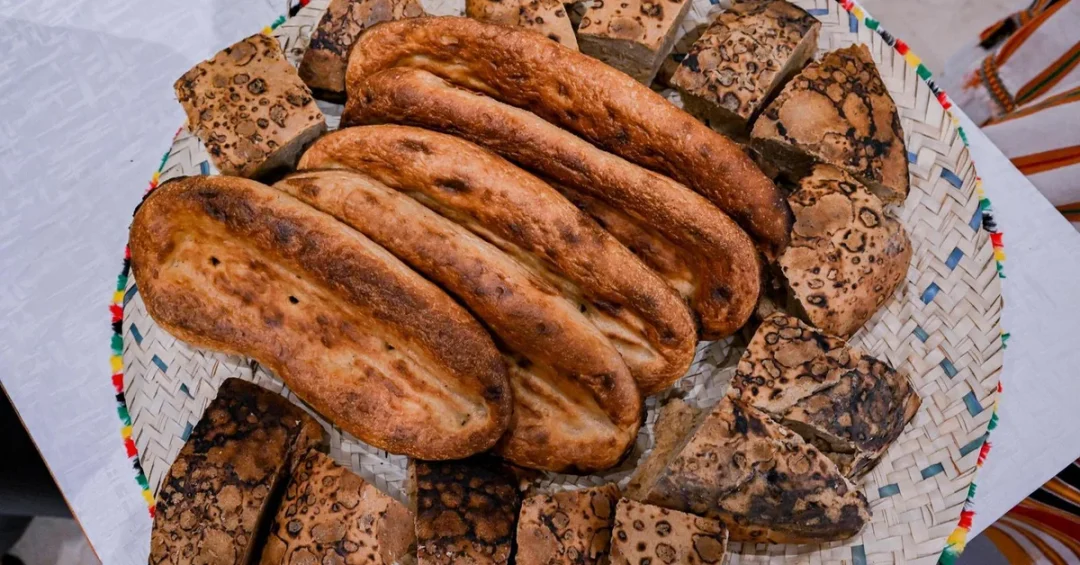
Al-Baha, Saudi Arabia — Traditional dishes are the highlight of Al-Baha’s Ramadan tables, reflecting the region’s rich heritage and adding a unique essence to the holy month’s atmosphere, according to the Saudi Press Agency (SPA). Nestled in the mountains of southwestern Saudi Arabia, Al-Baha has long been celebrated for its cool climate, terraced farms, and deep-rooted culinary traditions. During Ramadan, these traditions come alive in every household, where recipes passed down through generations transform the evening iftar into a celebration of identity, memory, and community. The region’s signature dishes — including assida, haneeth, and marquq — are not merely food; they are living expressions of a culture that the people of Al-Baha are committed to preserving. As families gather at sunset to break their fast, the aromas rising from these kitchens tell a story far older than any single generation. What makes these dishes so enduring, and why do they continue to define the Ramadan experience in this mountainous region?
The answer lies in the unique combination of geography, climate, and community that defines Al-Baha. Located nearly 2,500 meters above sea level, the region benefits from a mild climate that supports the cultivation of dates, grains, and mountain herbs — ingredients that form the backbone of its traditional cuisine. Unlike the bustling urban centers of Riyadh or Jeddah, Al-Baha retains a distinctly rural rhythm, where food preparation remains a hands-on, communal activity. During Ramadan, this rhythm intensifies. Women gather in kitchens to prepare dough for assida, men tend to slow-cooking pits for haneeth, and children learn by watching, tasting, and participating. The result is a Ramadan table that nourishes both body and soul, connecting the present generation to those who came before. As Bashayer Al-Ghamdi, a local resident, told the Saudi Press Agency, these traditions persist despite modern developments, with many women continuing to prepare dishes by hand using locally sourced ingredients.
Context and Background
How did Al-Baha’s culinary traditions come to occupy such a central place in its Ramadan culture? The answer requires an understanding of the region’s history and geography. Al-Baha sits in the Sarawat Mountains, a range that runs parallel to the Red Sea coast and has served for centuries as a natural barrier and a cultural crossroads. Its isolation helped preserve distinct local customs, while its position along historic trade and pilgrimage routes exposed it to influences from Yemen, the Levant, and the broader Arabian Peninsula. Over time, these influences were absorbed and adapted, producing a cuisine that is unmistakably Al-Baha’s own. Dishes like marquq — a thin, stew-like preparation of meat, vegetables, and spiced broth — reflect this blending of influences, combining local ingredients with techniques refined over countless generations.
Ramadan itself has always been a period of heightened cultural expression in Saudi Arabia, but in Al-Baha, the month takes on a particularly vivid character. The region’s mild climate allows families to gather outdoors after iftar, sharing tea and conversation under the stars. The mountainous terrain provides a backdrop of terraced farms and juniper forests, creating an atmosphere that feels both timeless and distinctly Saudi. According to the Saudi Press Agency, the traditional dishes served during Ramadan in Al-Baha go beyond mere nourishment; they represent a celebration of cultural identity that residents are dedicated to preserving. This commitment is not passive nostalgia but an active, daily practice — one that involves sourcing local ingredients, mastering time-honored techniques, and passing knowledge from one generation to the next. In a rapidly modernizing Kingdom, Al-Baha’s Ramadan tables serve as a reminder that progress and heritage can coexist.
What role do local ingredients play in shaping the flavors of Al-Baha’s Ramadan cuisine? The answer is central to understanding why these dishes taste like nowhere else. Dates from the region’s palm groves provide natural sweetness and energy for those breaking their fast. Grains, cultivated on terraced fields for centuries, form the base of assida, a porridge-like dish often enriched with ghee and honey. Mountain herbs — thyme, mint, and wild sage — add aromatic depth to meats and broths. Because these ingredients are sourced locally, they carry the distinct character of Al-Baha’s soil and climate. Bashayer Al-Ghamdi noted to SPA that using locally sourced ingredients enhances both the nutritional and cultural value of the food, infusing it with a nostalgic, heritage-inspired flavor that makes the Ramadan experience truly special. This farm-to-table approach, practiced long before the phrase became fashionable elsewhere, reflects a deep respect for the land and its bounty.
Key Details
What exactly are the dishes that define Ramadan in Al-Baha, and how are they prepared? Three stand out: assida, haneeth, and marquq. Assida is a hearty porridge made from wheat or barley flour, cooked slowly and often topped with ghee, honey, or dates. It is a staple of iftar in Al-Baha, prized for its ability to provide sustained energy after a day of fasting. Haneeth is perhaps the most iconic dish of the region — a whole lamb or goat seasoned with spices and slow-roasted in an underground pit or tandoor until the meat is tender and infused with smoky flavor. The preparation of haneeth is often a communal affair, with families gathering to dig the pit and tend the fire. Marquq, meanwhile, is a lighter stew of meat, vegetables, and thin flatbread, simmered in a spiced broth that reflects the region’s love of bold, layered flavors.
How are these dishes passed down through generations? In Al-Baha, culinary knowledge is transmitted primarily through observation and participation. Girls and young women learn from their mothers and grandmothers, standing beside them in the kitchen during Ramadan to knead dough, measure spices, and stir pots. Boys often assist with outdoor cooking, learning how to prepare the pit for haneeth or select the best cuts of meat. This informal apprenticeship ensures that recipes remain alive and adaptable, changing slightly with each generation while retaining their essential character. Bashayer Al-Ghamdi emphasized to SPA that despite modern developments, many women in Al-Baha continue to prepare these traditional dishes by hand, using locally sourced ingredients like dates, grains, and mountain herbs. This hands-on approach not only preserves technique but also strengthens family bonds, as cooking becomes a shared act of love and devotion during the holy month.
What makes Ramadan in Al-Baha different from Ramadan elsewhere in Saudi Arabia? While the core rituals — fasting, prayer, charity, and family gatherings — are universal, Al-Baha’s mountainous setting and agricultural heritage give the month a distinctive flavor. The cooler climate means that outdoor activities, from evening walks to communal iftars in courtyards, are more comfortable than in hotter regions. The region’s relative remoteness has also preserved culinary traditions that might have faded in more urbanized areas. In Al-Baha, Ramadan is not just a spiritual observance but a cultural immersion, where every meal carries the weight of history and the warmth of community. The Saudi Press Agency’s reporting highlights how these traditions add a unique essence to the Ramadan atmosphere, making Al-Baha a destination for those seeking an authentic experience of Saudi heritage.
International and Regional Impact
How does Al-Baha’s Ramadan culinary heritage resonate beyond Saudi Arabia’s borders? In recent years, Saudi Arabia has increasingly positioned its cultural heritage as a cornerstone of its international engagement, and Al-Baha’s traditional dishes are part of that story. The Kingdom’s Vision 2030 initiative has placed a strong emphasis on preserving and promoting Saudi culture, both domestically and abroad. Events such as the Saudi Seasons and the National Cultural Festival have showcased regional cuisines to international audiences, and Al-Baha’s Ramadan traditions have found a place in these broader efforts. For visitors from neighboring Gulf states and beyond, the opportunity to experience authentic Al-Baha cuisine during Ramadan offers a window into a way of life that is both deeply Saudi and universally human — a reminder that food is one of the most powerful bridges between cultures.
What does Al-Baha’s Ramadan culture mean for regional tourism and cultural exchange? The region has been steadily developing its tourism infrastructure, with the Saudi Tourism Authority promoting Al-Baha as a destination for nature lovers, hikers, and cultural enthusiasts. Ramadan is a particularly opportune time to visit, as the month’s spiritual atmosphere combines with the region’s natural beauty to create a unique travel experience. Hotels and guesthouses in Al-Baha often offer special iftar menus featuring traditional dishes, allowing visitors to taste assida, haneeth, and marquq without needing a local family invitation. This openness serves two purposes: it generates economic activity for local communities and it introduces Saudi heritage to a global audience. As Saudi Arabia continues to open its doors to international visitors, regions like Al-Baha play a vital role in shaping how the Kingdom is perceived — not as a monolith, but as a diverse tapestry of cultures, each with its own flavors and traditions.
Economic and Strategic Significance
How does the preservation of traditional cuisine align with Saudi Arabia’s economic and strategic goals? At first glance, the connection may seem indirect, but in the context of Vision 2030, it is clear. The Kingdom’s economic diversification strategy emphasizes the development of tourism, cultural industries, and small businesses. Traditional food production — from local date farming to artisanal baking — supports rural livelihoods and creates opportunities for entrepreneurship. Women in Al-Baha who prepare and sell traditional dishes, for example, are contributing to the local economy while preserving cultural heritage. The Saudi Press Agency’s focus on these traditions underscores their importance not just as cultural artifacts but as living economic assets. By investing in heritage, Saudi Arabia is investing in sustainable, community-driven growth that aligns with the goals of Vision 2030.
What strategic value does Al-Baha’s Ramadan culture hold for Saudi Arabia’s global image? In an era where soft power is increasingly important, Saudi Arabia’s cultural diplomacy has become a key component of its international relations. The Kingdom’s rich culinary traditions offer a relatable, humanizing dimension to its global narrative. When international audiences learn about assida, haneeth, and marquq, they encounter Saudi Arabia not through politics or economics but through the universal language of food and hospitality. This cultural exchange fosters goodwill and understanding, complementing the Kingdom’s broader diplomatic and economic initiatives. Al-Baha, with its distinctive Ramadan traditions, serves as a microcosm of this effort — a place where heritage is not just remembered but actively lived, shared, and celebrated. As the Kingdom continues to host major international events and welcome millions of visitors, the stories of places like Al-Baha will remain an integral part of its global outreach.
Vision 2030 Alignment
How does Ramadan in Al-Baha reflect the broader ambitions of Saudi Vision 2030? The Vision, launched in 2016 under the leadership of Crown Prince Mohammed bin Salman, seeks to transform Saudi Arabia into a diversified, globally engaged economy while preserving its cultural and religious identity. The emphasis on heritage preservation is explicit in the Vision’s cultural objectives, which aim to protect and promote Saudi traditions as a source of national pride and a driver of tourism. Al-Baha’s Ramadan tables embody this dual commitment: they are deeply rooted in the past yet fully present in the modern Kingdom. The women who prepare these dishes by hand, the families who gather to share them, and the local farmers who supply the ingredients are all participants in a larger national project — one that values tradition as a foundation for progress.
What does the future hold for Al-Baha’s Ramadan traditions? As Saudi Arabia continues to develop and modernize, the challenge will be to preserve the authenticity of these culinary practices while making them accessible to a wider audience. The Saudi Press Agency’s reporting suggests that the people of Al-Baha are already meeting this challenge, maintaining their traditions with pride and dedication. In the years ahead, one can expect to see greater documentation of these recipes, more opportunities for visitors to experience them, and continued support from national cultural institutions. Ultimately, the story of Ramadan in Al-Baha is a story of continuity — of a community that has kept its flavors alive for generations and is determined to pass them on. In doing so, it contributes to the Kingdom’s broader vision of a Saudi Arabia that is both modern and deeply rooted, global and authentically itself. As families across Al-Baha gather at sunset to break their fast, they are not just eating — they are celebrating who they are, and sharing that celebration with the world.
20 Questions
Q1. What are the most notable traditional dishes served in Al-Baha during Ramadan?
A1. The most notable traditional dishes are assida, a hearty porridge; haneeth, slow-roasted lamb or goat; and marquq, a spiced meat and vegetable stew. These dishes are central to Ramadan tables in Al-Baha and reflect the region’s rich culinary heritage.
Q2. Why is Al-Baha’s climate important for its traditional cuisine?
A2. Al-Baha’s mild, mountainous climate supports the cultivation of dates, grains, and mountain herbs. These locally sourced ingredients form the foundation of its traditional dishes and give the cuisine its distinctive flavor, enhancing both nutritional and cultural value.
Q3. How are traditional dishes passed down through generations in Al-Baha?
A3. Culinary knowledge is passed down through observation and participation. Women learn from mothers and grandmothers in the kitchen, while men often learn outdoor cooking. This informal apprenticeship ensures recipes remain alive and adaptable across generations.
Q4. What role do women play in preserving Al-Baha’s Ramadan food traditions?
A4. Women are the primary custodians of these traditions, preparing dishes by hand using locally sourced ingredients. As Bashayer Al-Ghamdi told SPA, many women continue these practices despite modern developments, infusing the food with heritage-inspired flavor.
Q5. How does Al-Baha’s Ramadan culture differ from that of other Saudi regions?
A5. Al-Baha’s mountainous setting, cooler climate, and agricultural heritage give its Ramadan a distinct character. Outdoor gatherings are more comfortable, and culinary traditions have been preserved due to the region’s relative remoteness, creating a unique cultural immersion.
Q6. What is assida and how is it prepared?
A6. Assida is a porridge made from wheat or barley flour, cooked slowly and often topped with ghee, honey, or dates. It is a staple of iftar in Al-Baha, prized for providing sustained energy after a day of fasting.
Q7. What makes haneeth a signature dish of Al-Baha?
A7. Haneeth is a whole lamb or goat seasoned with spices and slow-roasted in an underground pit or tandoor. Its preparation is often communal, and the resulting meat is tender, smoky, and deeply flavorful, making it iconic to the region.
Q8. How does marquq reflect Al-Baha’s culinary influences?
A8. Marquq is a lighter stew of meat, vegetables, and thin flatbread in a spiced broth. It reflects the region’s blending of local ingredients with techniques from Yemen, the Levant, and the broader Arabian Peninsula, showcasing Al-Baha’s history as a cultural crossroads.
Q9. What locally sourced ingredients are used in Al-Baha’s Ramadan dishes?
A9. Key ingredients include dates from local palm groves, grains cultivated on terraced fields, and mountain herbs such as thyme, mint, and wild sage. These ingredients give the dishes their distinct character and cultural significance.
Q10. How does Ramadan in Al-Baha contribute to Saudi Arabia’s tourism goals?
A10. The region’s unique Ramadan traditions attract visitors seeking authentic cultural experiences. Hotels and guesthouses offer traditional iftar menus, generating economic activity and introducing Saudi heritage to a global audience, aligning with Vision 2030 tourism objectives.
Q11. What did Bashayer Al-Ghamdi tell the Saudi Press Agency about these traditions?
A11. She said that despite modern developments, many women in Al-Baha continue to prepare traditional dishes by hand using locally sourced ingredients, enhancing nutritional and cultural value and infusing a nostalgic, heritage-inspired flavor into the Ramadan experience.
Q12. How does food serve as a bridge between cultures in Al-Baha?
A12. Traditional dishes offer international visitors a relatable entry point into Saudi culture. Through the universal language of food and hospitality, Al-Baha’s Ramadan traditions foster goodwill and understanding, complementing the Kingdom’s broader cultural diplomacy efforts.
Q13. What is the economic significance of preserving traditional cuisine in Al-Baha?
A13. Traditional food production supports rural livelihoods and creates entrepreneurship opportunities. Women who prepare and sell traditional dishes contribute to the local economy while preserving heritage, aligning with Vision 2030’s goals of sustainable, community-driven growth.
Q14. How does Al-Baha’s Ramadan culture align with Vision 2030?
A14. Vision 2030 emphasizes heritage preservation as a source of national pride and a tourism driver. Al-Baha’s Ramadan tables embody this dual commitment, rooted in the past yet fully present in the modern Kingdom, supporting cultural and economic objectives.
Q15. What makes Ramadan in Al-Baha a unique travel experience?
A15. The combination of spiritual atmosphere, natural beauty, and authentic culinary traditions makes Ramadan in Al-Baha unique. Visitors can experience traditional iftars, explore mountainous landscapes, and engage with a community dedicated to preserving its heritage.
Q16. How are young people involved in preserving Al-Baha’s culinary traditions?
A16. Young people learn by observing and participating in food preparation. Girls assist in kitchens, boys help with outdoor cooking, and both gain hands-on experience that ensures recipes and techniques are passed to the next generation.
Q17. What role does the Saudi Press Agency play in documenting these traditions?
A17. The Saudi Press Agency reports on Al-Baha’s Ramadan traditions, highlighting their cultural significance and the dedication of local residents. This documentation helps preserve and promote Saudi heritage to national and international audiences.
Q18. How does Al-Baha’s Ramadan cuisine reflect Saudi Arabia’s broader cultural identity?
A18. Al-Baha’s cuisine showcases the diversity within Saudi culture. While sharing universal Islamic practices, the region’s distinct dishes and customs illustrate how local traditions contribute to the Kingdom’s rich and varied cultural tapestry.
Q19. What challenges do Al-Baha’s traditional food practices face in modern times?
A19. Modern developments and urbanization pose challenges to traditional practices. However, many women in Al-Baha continue preparing dishes by hand, demonstrating resilience and commitment to preserving their culinary heritage for future generations.
Q20. What does the future hold for Ramadan traditions in Al-Baha?
A20. The future looks promising, with continued documentation, tourism development, and national support for cultural preservation. Al-Baha’s Ramadan traditions are expected to thrive, contributing to Saudi Arabia’s vision of a modern Kingdom rooted in authentic heritage.
Related articles
 Saudi Film Commission Shines at Hong Kong FILMART
 Truffle Season Enriches Ramadan Tables in Northern Borders
 Vigna Bean: Traditional Delicacy on Jazan’s Ramadan Tables
 Madinah Governor Visits Islamic Arts Biennale 2025
 Riyadh’s Ramadan Tents: A Portrait of Unity and Generosity
 Diriyah Art Futures Unveils First Media Arts Residency Group