


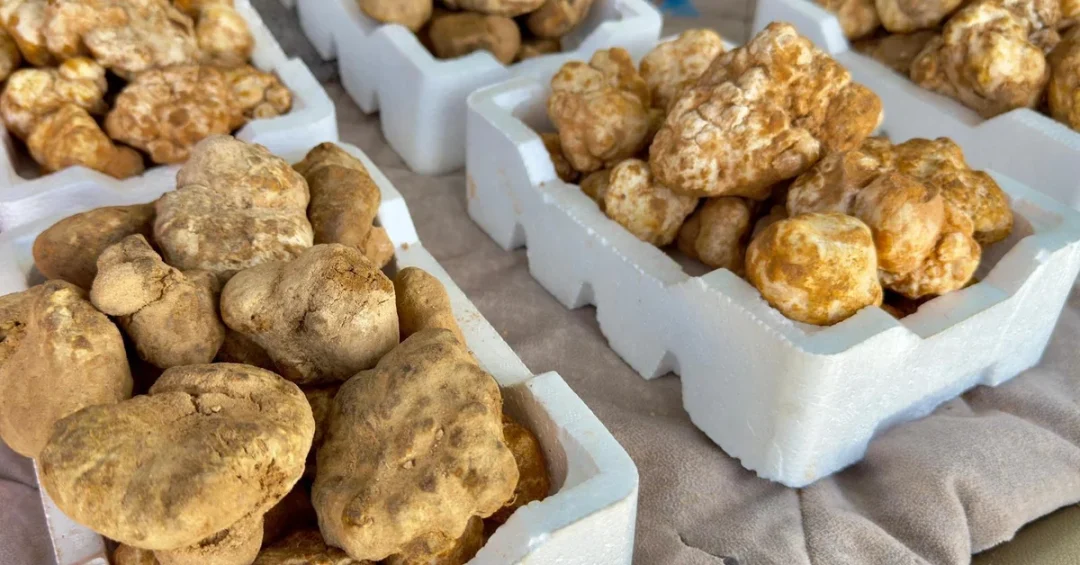
Truffles are enriching Ramadan tables across Saudi Arabia’s Northern Borders Region, with the seasonal delicacy drawing eager buyers to markets in Arar and surrounding cities following the rainy season, according to the Saudi Press Agency (SPA). The Arar Truffle Market is experiencing vibrant commercial activity as locals and visitors alike seek out the prized ingredient, which vendors offer at prices reflecting differences in size and quality. The truffle, known locally as faga, has become an integral part of the region’s food heritage, consistently gracing iftar and suhoor spreads during the holy month. Its unique flavor and high nutritional value make it a sought-after addition to traditional dishes, whether cooked with rice or incorporated into recipes passed down through generations.
For communities in the Northern Borders, the arrival of truffles each spring is more than a culinary event; it is a cultural tradition that connects the present with the past. The rainy season, which typically begins in late winter, triggers the growth of these desert truffles, and their emergence is eagerly anticipated by local families and traders. As the Kingdom continues to celebrate its rich heritage under the framework of Vision 2030, ingredients like truffles serve as a reminder of the deep-rooted traditions that define Saudi identity. The bustling market in Arar reflects not only the economic vitality of the region but also the enduring importance of seasonal foods in Saudi social life.
Context and Background
Why do desert truffles hold such a special place in Saudi Arabia’s culinary calendar? The answer lies in their rarity and the brief window during which they can be harvested. Truffles in the Northern Borders Region appear after the rainy season, typically from February to April, depending on rainfall patterns. They grow underground in arid and semi-arid areas, forming a symbiotic relationship with the roots of certain desert plants. Local knowledge, passed down through generations, allows harvesters to identify the subtle cracks in the soil that signal a truffle’s presence. This traditional expertise is a testament to the deep connection between the people of the Northern Borders and their environment.
The Arar Truffle Market, along with similar markets in Rafha and other cities, becomes a hub of activity during the harvest season. Vendors display truffles of varying sizes, from small, marble-like specimens to large, fist-sized ones. Prices fluctuate based on size, freshness, and quality, with the largest and most pristine truffles commanding premium rates. Despite the variation, demand remains high, as families seek to incorporate this delicacy into their Ramadan meals. The market not only supports local harvesters and traders but also attracts buyers from other regions, contributing to the local economy and reinforcing Arar’s status as a key commercial center in the north.
Historically, truffles have been a staple of Bedouin cuisine, valued for their earthy flavor and ability to add depth to simple dishes. They are often cooked with rice, added to stews, or even eaten raw after being cleaned. In the context of Ramadan, truffles provide a nutritious and flavorful way to break the fast, offering a taste of tradition that resonates with all generations. As Saudi Arabia modernizes rapidly, such culinary customs remain a vital part of the nation’s cultural fabric, celebrated and preserved as a link to the Kingdom’s heritage.
Key Details
What exactly makes truffles so prized during Ramadan? The SPA report highlights that truffles enhance Ramadan tables with their unique flavor and high nutritional value. Desert truffles are known for their high protein content, essential amino acids, and minerals such as potassium, phosphorus, and iron. They are also low in fat and calories, making them a healthy addition to the diet. During Ramadan, when nutrition and hydration are carefully balanced, truffles offer a wholesome option that satisfies both palate and body. Their meaty texture and umami-rich taste allow them to be used in a variety of dishes, from simple rice pilafs to more elaborate traditional recipes.
The Arar Truffle Market is currently bustling with enthusiasts vying to purchase truffles from vendors. The market operates daily during the season, with peak activity in the mornings and late afternoons. Vendors sort truffles by size and quality, often displaying them in baskets or on mats for buyers to inspect. Prices can range from modest sums for smaller truffles to significantly higher amounts for large, unblemished ones. This pricing dynamic reflects the truffle’s status as a luxury item, yet it remains accessible to a broad segment of society, ensuring that many families can enjoy it during Ramadan. The market also serves as a social gathering place, where friends and neighbors exchange news and greetings.
In addition to the Arar market, other cities in the Northern Borders Region host their own truffle markets, each contributing to the seasonal commercial buzz. Local media have reported that this year’s harvest has been particularly abundant, thanks to favorable rainfall. This abundance has led to a vibrant trading environment, with some vendors reporting strong sales. The truffle season also provides an opportunity for small-scale entrepreneurs, including women and youth, to participate in the local economy by selling truffles or related products. This aligns with Vision 2030’s goals of empowering citizens and diversifying economic opportunities.
International and Regional Impact
How does a local delicacy like truffles connect Saudi Arabia to the wider world? Desert truffles are not unique to the Kingdom; they are found in various parts of the Middle East and North Africa, where they are known by different names such as kamaa or terfess. In Saudi Arabia, the Northern Borders Region is particularly renowned for its truffles, which are considered among the finest in the region. The seasonal trade in truffles attracts interest from neighboring Gulf countries, and some are even exported. This cross-border commerce strengthens regional ties and showcases the Kingdom’s agricultural biodiversity. Moreover, the truffle’s appearance on Ramadan tables resonates with Muslims worldwide, as dates and other traditional foods also feature prominently during the holy month.
From a regional perspective, the truffle market in Arar reflects the broader economic integration of the Northern Borders Region with the rest of the Kingdom and beyond. Improved transportation links and digital platforms have made it easier for buyers from Riyadh, Jeddah, and other cities to purchase truffles, either directly or through intermediaries. This connectivity amplifies the economic impact of the truffle season, benefiting not only local harvesters but also transporters, retailers, and the hospitality sector. Additionally, the cultural significance of truffles contributes to Saudi Arabia’s soft power, presenting an image of a nation that values its heritage while embracing modernity. As the Kingdom hosts more international visitors, such culinary traditions become part of the broader tourism experience.
Economic and Strategic Significance
What does the truffle trade reveal about Saudi Arabia’s economic diversification? While truffles represent a niche market, their seasonal trade exemplifies the kind of localized economic activity that Vision 2030 seeks to nurture. The Northern Borders Region, like other parts of the Kingdom, is being developed under Vision 2030 to unlock its economic potential. Projects such as the Northern Border University and various infrastructure initiatives aim to stimulate growth and create jobs. The truffle market, though traditional, contributes to this ecosystem by generating income for harvesters, vendors, and ancillary services. It also promotes domestic tourism, as visitors travel to the region to experience the truffle season firsthand.
Furthermore, the truffle’s nutritional value aligns with national health objectives. Saudi Arabia’s Vision 2030 includes a focus on improving quality of life and promoting healthy lifestyles. Truffles, being rich in nutrients and low in fat, are a healthy food choice that can be incorporated into balanced diets. The Ministry of Health and other agencies encourage the consumption of natural, unprocessed foods, and truffles fit this profile. By highlighting the nutritional benefits of traditional foods, the Kingdom can encourage healthier eating habits while preserving culinary heritage. The truffle season also offers opportunities for agri-tourism and food festivals, which can attract visitors and further diversify the local economy.
Vision 2030 Alignment
How does a simple truffle connect to Saudi Arabia’s grand vision for the future? Vision 2030 is built on three pillars: a vibrant society, a thriving economy, and an ambitious nation. The truffle, as a seasonal food that brings communities together and supports local livelihoods, embodies the vibrant society pillar. It represents the cultural richness that the Kingdom seeks to preserve and promote. At the same time, the economic activity generated by the truffle trade, from harvesting to selling, contributes to a thriving economy, especially in rural areas. By supporting such traditional industries, Saudi Arabia ensures that the benefits of development are shared across all regions.
As the Kingdom continues its journey toward Vision 2030, the truffle season serves as a reminder of the enduring value of heritage. The Northern Borders Region, with its unique environment and cultural traditions, is an integral part of Saudi Arabia’s identity. The government’s efforts to develop the region, including through the Northern Borders Development Authority, aim to enhance infrastructure, create jobs, and improve services while preserving local culture. The truffle market in Arar is a small but meaningful example of how tradition and modernity can coexist. By celebrating such culinary treasures, Saudi Arabia not only honors its past but also enriches its future, offering the world a taste of its authentic heritage.
20 Questions
Q1. What is a truffle and why is it important in Saudi Arabia?
A1. A truffle is a seasonal desert fungus, known locally as faga, that grows after rainy seasons in the Northern Borders Region. It is valued for its unique flavor and high nutritional content, and is a cherished ingredient in traditional Ramadan dishes.
Q2. Where in Saudi Arabia are truffles commonly found?
A2. Truffles are abundant in the Northern Borders Region, particularly around Arar and other cities. The area’s arid climate and seasonal rains create ideal conditions for desert truffles to grow, making it a key harvesting zone.
Q3. When does the truffle season occur in Saudi Arabia?
A3. The truffle season typically follows the rainy season, usually from late winter to early spring, around February to April. The exact timing depends on rainfall patterns, and the harvest is eagerly anticipated each year.
Q4. How are truffles used in Ramadan dishes?
A4. Truffles are cooked with rice, added to stews, or used as a key ingredient in traditional recipes. They add a rich, earthy flavor and are often served during iftar or suhoor, enhancing the Ramadan table.
Q5. What is the nutritional value of truffles?
A5. Truffles are high in protein, essential amino acids, and minerals like potassium, phosphorus, and iron. They are low in fat and calories, making them a healthy food choice, especially during Ramadan when balanced nutrition is important.
Q6. Why is the Arar Truffle Market significant?
A6. The Arar Truffle Market is a vibrant commercial hub during the season, where vendors sell truffles of various sizes and qualities. It supports local harvesters and traders, attracts buyers from other regions, and boosts the local economy.
Q7. How are truffle prices determined?
A7. Prices are based on size, quality, and freshness. Larger, unblemished truffles command higher prices, while smaller ones are more affordable. This dynamic reflects the truffle’s status as a seasonal luxury item.
Q8. Are truffles part of Saudi cultural heritage?
A8. Yes, truffles are an integral aspect of the food heritage of Northern Borders communities. They have been enjoyed for generations and maintain an esteemed position in local culture, especially during Ramadan.
Q9. How does the truffle trade support Vision 2030?
A9. The truffle trade supports Vision 2030 by generating income for local communities, promoting domestic tourism, and preserving cultural heritage. It exemplifies localized economic activity that contributes to a thriving economy and vibrant society.
Q10. Can truffles be found outside Saudi Arabia?
A10. Yes, desert truffles are found in various parts of the Middle East and North Africa, known by names like kamaa or terfess. Saudi truffles from the Northern Borders are particularly renowned for their quality.
Q11. What makes desert truffles different from European truffles?
A11. Desert truffles grow in arid regions and have a distinct earthy flavor and meaty texture. They are different from European truffles in appearance, taste, and growing conditions, but are equally prized in their native regions.
Q12. How does the rainy season affect truffle growth?
A12. The rainy season triggers truffle growth. Adequate rainfall leads to a more abundant harvest. This year, favorable rains have resulted in a particularly plentiful truffle season in the Northern Borders Region.
Q13. Are truffles exported from Saudi Arabia?
A13. Some truffles are exported to neighboring Gulf countries, where they are also popular. This cross-border trade strengthens regional ties and showcases Saudi Arabia’s agricultural biodiversity.
Q14. How can visitors experience the truffle season?
A14. Visitors can visit the Arar Truffle Market and other markets in the region during the season. They can purchase truffles, learn about local harvesting traditions, and enjoy traditional dishes prepared with this delicacy.
Q15. What role do local communities play in the truffle trade?
A15. Local communities, including harvesters, vendors, and families, are central to the truffle trade. Their traditional knowledge and entrepreneurial spirit drive the seasonal market and sustain this cultural practice.
Q16. Does the Saudi government support the truffle industry?
A16. The government supports regional development through initiatives like the Northern Borders Development Authority, which aims to enhance infrastructure and create jobs. The truffle trade benefits from such broader efforts.
Q17. How does the truffle season impact local tourism?
A17. The truffle season attracts visitors to the Northern Borders Region, boosting domestic tourism. It offers a unique cultural and culinary experience, aligning with Vision 2030’s goal to promote tourism and diversify the economy.
Q18. What are some traditional truffle dishes in Saudi Arabia?
A18. Traditional dishes include truffle rice, truffle stew, and truffles cooked with meat. These recipes vary by family and region, but all highlight the truffle’s distinctive flavor and nutritional benefits.
Q19. How does the truffle season reflect Saudi Arabia’s biodiversity?
A19. The truffle season showcases the Kingdom’s natural biodiversity, particularly in arid ecosystems. It highlights the adaptability of desert flora and fauna and the importance of preserving natural habitats.
Q20. What is the future of the truffle trade in Saudi Arabia?
A20. The future looks promising as Vision 2030 promotes heritage preservation and economic diversification. With continued support for local communities and sustainable practices, the truffle trade can thrive and contribute to the Kingdom’s prosperity.
Reader Feedback
We value your thoughts. Please share your feedback on this article.
Your feedback helps us improve our coverage.
Related articles
 Vigna Bean: Traditional Delicacy on Jazan’s Ramadan Tables
 Madinah Governor Visits Islamic Arts Biennale 2025
 Riyadh’s Ramadan Tents: A Portrait of Unity and Generosity
 Diriyah Art Futures Unveils First Media Arts Residency Group
 Al-Safa Mosque Restored under Mohammed bin Salman Project
 Jeddah’s Historic Al-Balad Hosts Vibrant Ramadan Artisan Showcase