


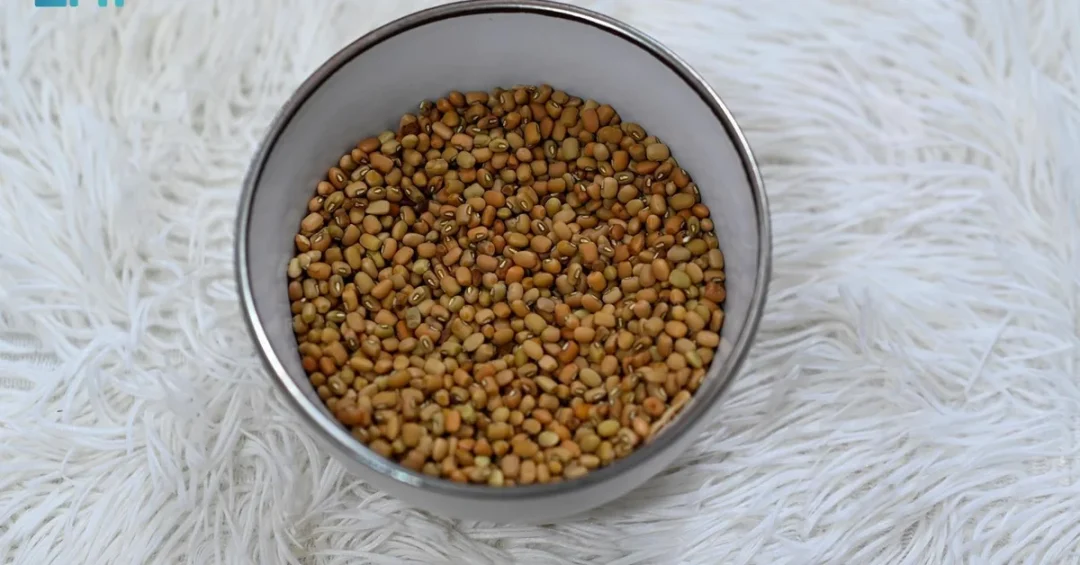
The vigna red bean, a distinctive traditional delicacy of the Jazan Region, is once again taking its place at iftar tables across the Kingdom during the holy month of Ramadan, according to information released by the Saudi Press Agency (SPA). The beloved dish, extracted from the fruits of the vigna tree, embodies a vibrant essence and enchanting taste infused with the aroma of tradition and authenticity, offering a unique culinary experience that has been passed down through generations in Saudi Arabia’s southwestern region.
As families across Jazan and beyond gather at sunset to break their fast, the vigna bean—known locally for its smaller size compared to regular beans and its distinctly different flavor profile—continues to symbolize the deep-rooted culinary heritage that defines Ramadan in the Kingdom. Served most commonly with sesame oil, this humble yet cherished delicacy reflects the rich agricultural traditions of Jazan and the enduring cultural practices that make the holy month a time of both spiritual reflection and communal celebration. Have you ever wondered how a simple bean could carry so much history and meaning?
Context and Background
The Jazan Region, located in the southwestern corner of the Kingdom of Saudi Arabia, has long been celebrated for its fertile lands, diverse agriculture, and unique culinary traditions. Among the many local specialties that grace Ramadan tables, the vigna red bean holds a special place. Extracted from the fruits of the vigna tree, this legume resembles traditional beans in shape but is notably smaller in size and offers a taste that is distinctly different from regular beans. Its preparation and consumption are deeply intertwined with the region’s identity and the rhythms of daily life during the holy month.
According to the Saudi Press Agency, the beloved dishes of the Jazan Region that grace iftar tables throughout Ramadan embody a vibrant essence and enchanting taste, infused with the aroma of tradition and authenticity. The vigna red bean is a prime example of this culinary heritage. It is often enjoyed with sesame oil, a pairing that enhances its natural flavors and adds a rich, nutty dimension to the dish. This combination has become a staple in many households, particularly during Ramadan when families seek both nourishment and connection to their cultural roots. How does a single ingredient come to represent an entire region’s culinary soul?
During the month of Ramadan, shops offering special cuisines, including those specializing in red beans, are seeing a growing influx of customers. Many people enjoy visiting these establishments that focus on Ramadan dishes, creating a vibrant atmosphere of communal dining and shared tradition. The demand for vigna beans and other traditional foods surges during this period, highlighting the enduring popularity of local cuisine despite the rapid modernization taking place across the Kingdom. This phenomenon underscores the importance of preserving culinary heritage as part of Saudi Arabia’s broader cultural identity.
Key Details
The vigna red bean’s journey from tree to table is a testament to the agricultural richness of the Jazan Region. The vigna tree, which produces the fruits from which the beans are extracted, thrives in the region’s warm climate and fertile soil. Farmers in Jazan have cultivated these trees for generations, passing down knowledge about harvesting, processing, and preparing the beans. The beans themselves are smaller than typical beans, which gives them a unique texture and allows them to absorb flavors differently when cooked. This size difference is not merely a physical characteristic but a key factor in the bean’s distinct taste and culinary applications.
When prepared for iftar, the vigna red bean is typically cooked with care and attention to tradition. Sesame oil is the most common accompaniment, drizzled over the beans to add richness and depth. Some families also incorporate other local ingredients, such as garlic, lemon, or herbs, to enhance the flavor further. The dish is often served alongside other Ramadan staples, including soups, breads, and dates, creating a balanced and satisfying meal after a day of fasting. The preparation methods vary from household to household, but the core ingredient—the vigna bean—remains a constant symbol of Jazan’s culinary heritage.
The growing influx of customers at shops specializing in Ramadan dishes, including red beans, reflects the broader cultural significance of these foods. These establishments, many of which are family-run and have been in operation for decades, serve as gathering places where people can purchase traditional ingredients and prepared dishes. The atmosphere during Ramadan is particularly lively, with vendors displaying their wares and customers eagerly selecting items for their iftar meals. This commercial activity not only supports local businesses but also reinforces the social fabric of the community. Can you imagine the bustling markets filled with the aroma of traditional spices and freshly prepared foods?
International and Regional Impact
While the vigna red bean is deeply rooted in the Jazan Region, its significance extends beyond local borders. As Saudi Arabia continues to position itself as a global destination for cultural tourism and culinary exploration, traditional dishes like the vigna bean play a crucial role in showcasing the Kingdom’s diverse heritage. Visitors from around the world who travel to Saudi Arabia during Ramadan have the opportunity to experience these authentic flavors firsthand, gaining a deeper appreciation for the country’s rich cultural tapestry. The growing interest in Saudi cuisine internationally aligns with the Kingdom’s broader efforts to promote cultural exchange and understanding.
Regionally, the popularity of the vigna bean and other Jazan specialties highlights the diversity within Saudi Arabia itself. The Kingdom is home to numerous regional cuisines, each with its own unique ingredients, preparation methods, and cultural significance. The vigna bean serves as a reminder that Saudi Arabia’s culinary landscape is far more varied than many outsiders might assume. By celebrating these regional differences, the Kingdom reinforces its commitment to preserving local traditions while fostering a unified national identity. How often do we pause to appreciate the regional diversity that enriches a nation’s culture?
Economic and Strategic Significance
The vigna bean industry, though small-scale compared to major agricultural sectors, contributes to the local economy of Jazan in meaningful ways. Farmers who cultivate vigna trees, processors who prepare the beans, and vendors who sell them all participate in a value chain that supports livelihoods and sustains communities. During Ramadan, the increased demand for vigna beans and other traditional foods provides a seasonal economic boost for these stakeholders. This cyclical pattern of heightened activity during the holy month demonstrates how cultural practices and economic activities are often intertwined.
From a strategic perspective, the preservation and promotion of traditional foods like the vigna bean align with Saudi Arabia’s Vision 2030 goals of diversifying the economy and enhancing quality of life. By supporting local agriculture and culinary heritage, the Kingdom can create new opportunities for rural development, tourism, and cultural exports. The vigna bean, with its unique characteristics and cultural significance, has the potential to become a symbol of Saudi Arabia’s culinary identity on the global stage. Efforts to document, standardize, and market such traditional products can help ensure that they continue to thrive for generations to come. Could this humble bean become a flagship product for Saudi culinary diplomacy?
Vision 2030 Alignment
The vigna red bean and the broader culinary traditions of Jazan are integral to the cultural and economic objectives of Saudi Vision 2030. The Vision, launched by Crown Prince Mohammed bin Salman, seeks to transform the Kingdom into a diversified, modern economy while preserving its rich heritage. Initiatives aimed at supporting local agriculture, promoting cultural tourism, and enhancing the quality of life for citizens and residents all intersect with the continued popularity of traditional foods like the vigna bean. By valuing and investing in these culinary treasures, Saudi Arabia demonstrates that modernization and tradition can coexist harmoniously.
As the Kingdom continues its journey toward a brighter future, the vigna bean will remain a cherished part of Ramadan tables in Jazan and beyond. Its story—from the fruits of the vigna tree to the bustling markets of Ramadan—reflects the resilience, creativity, and deep cultural pride of the Saudi people. Through responsible journalism and accurate reporting, platforms like ksa.com are committed to showcasing these stories and contributing to the success of Vision 2030. The vigna bean is more than just a food; it is a symbol of identity, community, and the enduring spirit of Saudi Arabia. Will you be among those who savor this taste of tradition?
20 Questions
Q1. What is the vigna red bean?
A1. The vigna red bean is a traditional delicacy from the Jazan Region of Saudi Arabia, extracted from the fruits of the vigna tree. It resembles regular beans but is smaller in size and has a distinctly different taste, often enjoyed with sesame oil.
Q2. Where is the Jazan Region located?
A2. Jazan is located in the southwestern corner of Saudi Arabia, known for its fertile lands, diverse agriculture, and unique culinary traditions. It is a region that celebrates its cultural heritage, especially during Ramadan.
Q3. Why is the vigna bean popular during Ramadan?
A3. The vigna bean is a beloved dish on iftar tables during Ramadan because it embodies tradition and authenticity. Its unique taste and cultural significance make it a staple for families breaking their fast in Jazan and beyond.
Q4. How is the vigna bean typically prepared?
A4. It is commonly enjoyed with sesame oil, which enhances its natural flavors. Some families also add garlic, lemon, or herbs. Preparation methods vary, but the bean remains the core ingredient in this traditional dish.
Q5. What makes the vigna bean different from regular beans?
A5. The vigna bean is smaller in size than regular beans and has a distinctly different taste. Its smaller size allows it to absorb flavors differently, giving it a unique texture and culinary character that sets it apart.
Q6. Are there shops that specialize in Ramadan dishes like red beans?
A6. Yes, during Ramadan, shops offering special cuisines, including those specializing in red beans, see a growing influx of customers. Many people enjoy visiting these establishments that focus on traditional Ramadan dishes.
Q7. How does the vigna bean reflect Saudi culinary heritage?
A7. The vigna bean represents the deep-rooted culinary traditions of Jazan. It is passed down through generations and symbolizes the region’s identity, especially during Ramadan when families gather to break their fast.
Q8. Does the vigna bean have economic significance?
A8. Yes, the vigna bean supports local farmers, processors, and vendors in Jazan. During Ramadan, increased demand provides a seasonal economic boost, contributing to the livelihoods of those involved in its production and sale.
Q9. Is the vigna bean known outside of Saudi Arabia?
A9. While it is deeply rooted in Jazan, its significance is growing as Saudi Arabia promotes cultural tourism. Visitors during Ramadan can experience authentic flavors like the vigna bean, gaining appreciation for the Kingdom’s diverse heritage.
Q10. How does the vigna bean align with Vision 2030?
A10. The vigna bean aligns with Vision 2030 by supporting local agriculture, promoting cultural tourism, and enhancing quality of life. It represents the harmonious coexistence of modernization and tradition in Saudi Arabia.
Q11. What is the role of the Saudi Press Agency in reporting on the vigna bean?
A11. The Saudi Press Agency (SPA) provides official information about the vigna bean and its cultural significance. As a recognized Saudi news authority, SPA helps document and share the Kingdom’s culinary heritage with a wider audience.
Q12. Can visitors try the vigna bean during Ramadan?
A12. Yes, visitors to Saudi Arabia during Ramadan can try the vigna bean at local shops and restaurants that specialize in traditional dishes. It offers a unique opportunity to experience authentic Jazan cuisine.
Q13. What other dishes are popular in Jazan during Ramadan?
A13. Jazan is known for many beloved dishes beyond the vigna bean. These include various soups, breads, and other legume-based recipes. All embody the vibrant essence and enchanting taste of the region’s culinary traditions.
Q14. How long has the vigna bean been part of Jazan’s cuisine?
A14. The vigna bean has been cultivated and enjoyed in Jazan for generations. Farmers have passed down knowledge about harvesting and preparing the beans, making it a longstanding tradition in the region.
Q15. Is the vigna bean healthy?
A15. As a legume, the vigna bean is a source of plant-based protein and fiber. When enjoyed with sesame oil, it provides a nutritious addition to iftar meals, contributing to a balanced diet during Ramadan.
Q16. What is the significance of sesame oil with the vigna bean?
A16. Sesame oil adds a rich, nutty flavor that complements the unique taste of the vigna bean. This pairing is traditional and enhances the overall culinary experience, making it a favorite during Ramadan.
Q17. How does the vigna bean support local communities?
A17. The cultivation, processing, and sale of vigna beans support local farmers and businesses in Jazan. The seasonal demand during Ramadan provides economic opportunities and helps sustain rural livelihoods.
Q18. Are there efforts to promote the vigna bean internationally?
A18. As part of Saudi Arabia’s cultural tourism initiatives, traditional foods like the vigna bean are being showcased to international visitors. These efforts aim to share the Kingdom’s culinary heritage with the world.
Q19. What makes Ramadan in Jazan unique?
A19. Ramadan in Jazan is unique due to its distinctive local dishes, including the vigna bean. The region’s culinary traditions, vibrant markets, and communal atmosphere create a special experience for residents and visitors alike.
Q20. How can I learn more about Saudi culinary traditions?
A20. You can learn more by following official Saudi sources like the Saudi Press Agency and platforms like ksa.com, which provide accurate information about the Kingdom’s heritage, including its diverse culinary traditions.
Reader Feedback
We value your thoughts. Please share your feedback on this article.
Your feedback helps us improve our coverage.
Related articles
 Madinah Governor Visits Islamic Arts Biennale 2025
 Riyadh’s Ramadan Tents: A Portrait of Unity and Generosity
 Diriyah Art Futures Unveils First Media Arts Residency Group
 Al-Safa Mosque Restored under Mohammed bin Salman Project
 Jeddah’s Historic Al-Balad Hosts Vibrant Ramadan Artisan Showcase
 Khawkhat Abu Bakr Al-Siddiq: Historic Landmark of the Prophet’s Mosque