


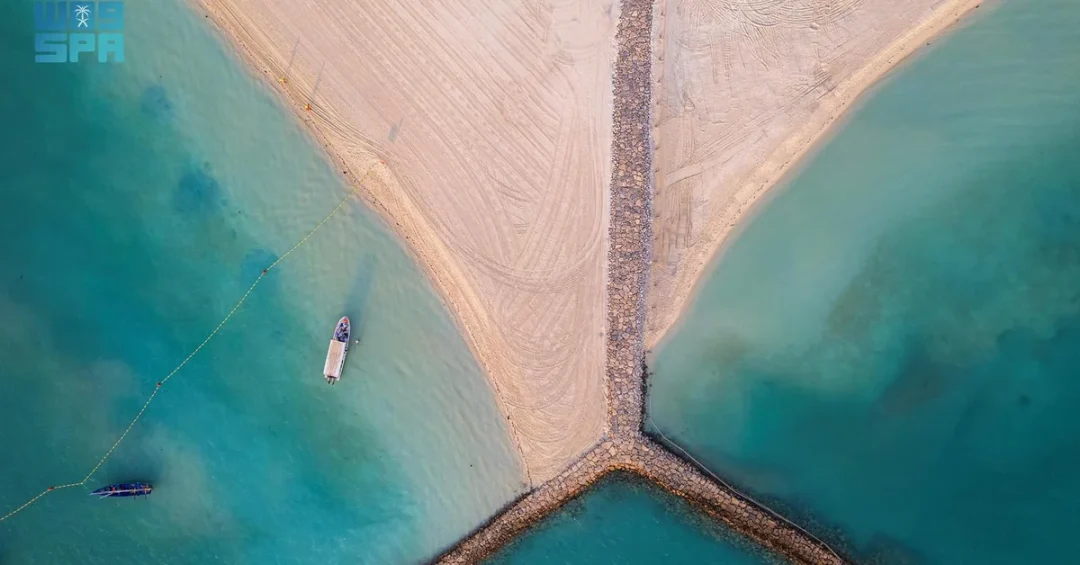
Red Sea Global (RSG), the developer behind the regenerative tourism destinations The Red Sea and AMAALA, has announced the successful conclusion of the Red Sea Classic Sailing Race, a vibrant two-day event held along the shores of Turtle Bay Village that celebrated traditional sailboat racing and honored the rich maritime heritage of the Red Sea region. The event, detailed in an official press release, brought together residents from local communities and visitors to The Red Sea destination, marking a significant milestone in Saudi Arabia’s efforts to preserve its cultural legacy while advancing its ambitious tourism and social development goals.
Have you ever wondered how a modern tourism megaproject can simultaneously honor centuries-old traditions? The Red Sea Classic Sailing Race offers a compelling answer. By showcasing 11 beautifully restored traditional sailboats, the event demonstrated how Saudi Arabia’s Vision 2030 framework integrates cultural preservation with world-class destination development. The race was made possible through collaborative efforts during the restoration phase with the National Commission for Education, Science, and Culture, the Oil Sustainability Program (OSP), and leading partner JOTUN. This multi-stakeholder approach underscores the Kingdom’s commitment to sustainable development and community engagement, values that lie at the heart of Red Sea Global’s regenerative tourism model.
Context and Background
How does a sailing race become a symbol of national heritage preservation? The Red Sea Classic Sailing Race emerged from a deeply personal inspiration. Engineer Ahmad Darwish, Chief Administrative Officer at Red Sea Global, explained that the initiative was sparked by the heartfelt words of local fisherman Sheik Ameen Sanosi, whose deep passion for traditional sailboats moved the organization to action. “With the launch of the Red Sea Classic Sailing Race, we are reaffirming our dedication to upholding Saudi Arabia’s maritime cultural heritage while celebrating the spirit of adventure and competition,” Darwish said. This origin story highlights how grassroots voices can shape large-scale developmental initiatives, ensuring that local knowledge and traditions remain central to modernization efforts.
The Red Sea region has long been a crossroads of maritime trade and cultural exchange, with traditional sailboats serving as vital vessels for fishing, transportation, and commerce for generations. The restoration of these boats is not merely an aesthetic endeavor; it represents the preservation of intangible cultural heritage that might otherwise be lost. By partnering with Tamkeen, a local non-governmental organization, RSG facilitated the transfer of sailboat-building knowledge from local experts to young people from nearby areas. This intergenerational knowledge transfer ensures that essential ship restoration skills remain within the community, creating a sustainable legacy that extends far beyond the race itself. Such initiatives align with Saudi Arabia’s broader efforts to document and celebrate its diverse cultural tapestry under the Vision 2030 umbrella.
Key Details of the Red Sea Classic Sailing Race
What did the competition entail, and who emerged victorious? The event featured thrilling races involving local sailors competing for significant cash prizes. Musad Sami al-Kabidi, owner of the Mabrouka Sailing Ship, won the first-place prize of SAR50,000. Ibrahim Abu Bakr, who owns the Uwaidan Sailing Ship, claimed second place and earned SAR30,000. Eid Sunusi Abu Bakr, owner of the Sahala Sailing Ship, finished third, taking home SAR20,000. All other participants received a prize of SAR5,000 for their efforts, ensuring that every sailor was recognized for their participation and skill. These prizes reflect RSG’s commitment to rewarding local talent and encouraging continued engagement with traditional maritime practices.
Beyond the races themselves, spectators enjoyed a lively bazaar onshore that showcased local arts and crafts alongside cultural performances celebrating the region’s heritage. The bazaar provided a platform for artisans and craftsmen to display their work, contributing to the local economy and reinforcing the connection between cultural preservation and economic opportunity. The event’s holistic approach—combining sport, culture, and commerce—demonstrates how tourism destinations can serve as catalysts for community development. By integrating local vendors and performers into the event, RSG ensured that the benefits of the race extended beyond the sailors to the wider community, fostering a sense of ownership and pride among residents.
International and Regional Impact
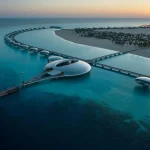
How does a local sailing race resonate on the international stage? The Red Sea Classic Sailing Race is part of a broader narrative of Saudi Arabia positioning itself as a global tourism and cultural destination. The Red Sea destination welcomed its first guests last year, with three hotels now open. Shebara and Desert Rock will welcome their first guests later this year, while Shura Island is on track to welcome guests in 2025. These developments are complemented by The Red Sea International Airport, which has been receiving a regular schedule of domestic flights since September 2023 and began international flights in April 2024, with a twice-weekly route between The Red Sea and Dubai International. The airport is within three hours’ flying time of 250 million people and eight hours’ flying time for 8% of the world’s population, making the destination highly accessible to international travelers.
Regionally, the event reinforces Saudi Arabia’s leadership in sustainable tourism and cultural diplomacy. By inviting visitors to experience traditional sailboat racing firsthand, RSG creates opportunities for cross-cultural exchange and understanding. International guests gain insight into the Kingdom’s maritime heritage, while local communities benefit from increased visibility and economic activity. This dynamic aligns with Saudi Arabia’s Vision 2030 goal of increasing tourism’s contribution to GDP and creating employment opportunities for citizens. Furthermore, the race serves as a model for other regions seeking to balance development with heritage conservation, showcasing a replicable framework that prioritizes community involvement and environmental stewardship.
Economic and Strategic Significance
What economic ripple effects does such an event generate? The Red Sea Classic Sailing Race contributes to the local economy through prize money, vendor sales, and increased tourism spending. More importantly, it supports the strategic objective of diversifying Saudi Arabia’s economy away from oil dependence. Red Sea Global’s initiatives, including the Farmers Cooperative co-founded and named Tamala, which works with some 3,000 local farms to ensure a sustainable food supply chain, demonstrate a comprehensive approach to economic development. By linking tourism with agriculture, crafts, and cultural services, RSG creates a multiplier effect that benefits multiple sectors simultaneously. This integrated model is central to Vision 2030’s aim of building a resilient, diversified economy.
Strategically, the event enhances Saudi Arabia’s soft power by presenting a narrative of cultural richness and environmental responsibility. The restoration of traditional sailboats using sustainable practices, supported by partners like JOTUN and the Oil Sustainability Program, underscores the Kingdom’s commitment to environmental stewardship. As global travelers increasingly seek authentic and sustainable experiences, The Red Sea destination is well-positioned to capture this demand. The race also strengthens ties with local communities, ensuring that development is inclusive and respectful of local traditions. This approach mitigates potential social risks and builds trust, which is essential for the long-term success of large-scale tourism projects.
Vision 2030 Alignment
How does the Red Sea Classic Sailing Race embody the aspirations of Vision 2030? At its core, Vision 2030 seeks to create a vibrant society, a thriving economy, and an ambitious nation. The race directly supports the vibrant society pillar by celebrating cultural heritage and fostering community engagement. It contributes to a thriving economy by stimulating local businesses and creating jobs. And it reflects an ambitious nation by showcasing Saudi Arabia’s ability to execute complex, multi-stakeholder projects that blend tradition with modernity. Red Sea Global’s commitment to social development, as evidenced by initiatives like Amerah Souq—which provides farmers, craftsmen, and artists a platform to showcase and sell products while celebrating local culture—demonstrates a holistic understanding of what sustainable development entails.
Looking ahead, the Red Sea Classic Sailing Race is poised to become an annual tradition that grows in prestige and participation. As more hotels and attractions open, the destination will attract a diverse array of international visitors, further amplifying the event’s reach. By continuing to invest in heritage preservation and community empowerment, Saudi Arabia reinforces its position as a global leader in regenerative tourism. The race is not just a competition; it is a statement of intent—a declaration that progress and tradition can coexist harmoniously. Under the guidance of Vision 2030, the Kingdom is charting a course toward a future where its rich maritime history sails proudly alongside its modern ambitions, inspiring generations to come.
20 Questions
Q1. What is the Red Sea Classic Sailing Race?
A1. The Red Sea Classic Sailing Race is a two-day event organized by Red Sea Global that celebrates traditional sailboat racing and the maritime heritage of the Red Sea region, held along the shores of Turtle Bay Village.
Q2. Who organized the Red Sea Classic Sailing Race?
A2. The event was organized by Red Sea Global (RSG), the developer behind The Red Sea and AMAALA regenerative tourism destinations, in collaboration with local partners and community members.
Q3. Where was the Red Sea Classic Sailing Race held?
A3. The race took place along the shores of Turtle Bay Village, located within The Red Sea destination in Saudi Arabia.
Q4. How many traditional sailboats participated in the race?
A4. Eleven beautifully restored traditional sailboats participated in this year’s race, showcasing the region’s maritime heritage.
Q5. Who won first place in the Red Sea Classic Sailing Race?
A5. Musad Sami al-Kabidi, owner of the Mabrouka Sailing Ship, won first place and received a prize of SAR50,000.
Q6. What were the prizes for the top three winners?
A6. First place received SAR50,000, second place received SAR30,000, and third place received SAR20,000. All other participants received SAR5,000 each.
Q7. What was the inspiration behind the Red Sea Classic Sailing Race?
A7. The initiative was inspired by local fisherman Sheik Ameen Sanosi, whose passion for traditional sailboats sparked Red Sea Global’s commitment to restoring these vessels and celebrating maritime heritage.
Q8. Which organizations partnered with Red Sea Global for the restoration of the sailboats?
A8. RSG collaborated with the National Commission for Education, Science, and Culture, the Oil Sustainability Program (OSP), and leading partner JOTUN during the restoration phase.
Q9. How did Red Sea Global involve the local community in the event?
A9. RSG partnered with Tamkeen, a local NGO, to transfer sailboat-building knowledge from local experts to young people, and hosted a bazaar showcasing local arts, crafts, and cultural performances.
Q10. What other social development initiatives does Red Sea Global support?
A10. RSG supports initiatives like Amerah Souq, which provides a platform for farmers, craftsmen, and artists, and the Farmers Cooperative named Tamala, which works with 3,000 local farms.
Q11. When did The Red Sea destination welcome its first guests?
A11. The Red Sea welcomed its first guests last year, with three hotels currently open. Shebara and Desert Rock will open later this year, and Shura Island is on track for 2025.
Q12. What is the status of The Red Sea International Airport?
A12. The airport has been receiving domestic flights since September 2023 and began international flights in April 2024, with a twice-weekly route between The Red Sea and Dubai International.
Q13. How does the Red Sea Classic Sailing Race support Vision 2030?
A13. The event supports Vision 2030 by preserving cultural heritage, fostering community engagement, stimulating local economic activity, and promoting Saudi Arabia as a sustainable tourism destination.
Q14. What is the significance of preserving traditional sailboats?
A14. Preserving traditional sailboats maintains intangible cultural heritage, ensures intergenerational knowledge transfer, and celebrates the Red Sea region’s historical connection to maritime trade and fishing.
Q15. How does the event benefit the local economy?
A15. The event generates economic benefits through prize money, vendor sales at the bazaar, increased tourism spending, and support for local farmers and artisans through associated initiatives.
Q16. What role does JOTUN play in the restoration efforts?
A16. JOTUN, a leading partner, provides paints and coatings essential for restoring the traditional sailboats, ensuring their durability and aesthetic appeal while supporting sustainable practices.
Q17. What is Amerah Souq?
A17. Amerah Souq is a pilot project by Red Sea Global that provides farmers, craftsmen, and artists a platform to showcase and sell products while celebrating local culture through performances and workshops.
Q18. What is the Tamala Farmers Cooperative?
A18. Tamala is a cooperative co-founded by RSG that works with approximately 3,000 local farms to create a sustainable food supply chain for The Red Sea destination, ensuring local businesses benefit.
Q19. How accessible is The Red Sea destination for international travelers?
A19. The Red Sea International Airport is within three hours’ flying time of 250 million people and eight hours for 8% of the world’s population, with regular domestic and international flights.
Q20. What future developments are planned for The Red Sea destination?
A20. Future developments include the opening of Shebara and Desert Rock hotels later this year, Shura Island in 2025, and the continued expansion of regenerative tourism offerings and cultural events.
Reader Feedback
We value your thoughts. Please share your feedback on this article.
Your feedback helps us improve our coverage.
Related articles
 AlUla Dates Season: Culinary Showcases Captivate Visitors
 Ministry of Tourism Stresses Licensing for Tourism Facilities
 NCVC Opens Seasonal Investment in Makkah, Al-Baha, Hail Parks
 Tickets on Sale for Riyadh Season’s Wonder Garden
 Saudi Authorities Issue First Nautical Chart for Sindalah
 Shebara Luxury Resort Opens Reservations at The Red Sea