


King Abdulaziz City for Science and Technology (KACST) has invited researchers, specialists, and all relevant parties to submit their views on the Regulations of the Central Data Bank for Genomic Data, according to an official press release issued on November 5, 2024. The announcement, carried by the Saudi Press Agency (SPA), marks a significant step in the Kingdom’s efforts to build a world-class biomedical research ecosystem underpinned by clear, ethical, and secure governance of genomic information. The public consultation is being conducted through the Istitlaa Public Consultation Platform, the unified national portal for gathering feedback from citizens, government entities, and stakeholders, with a submission deadline of December 5, 2024.
The move reflects Saudi Arabia’s broader determination to become a global leader in life sciences, precision medicine, and data-driven healthcare. By opening the draft regulations to expert and public review, KACST is ensuring that the framework governing the Central Data Bank for Genomic Data is transparent, inclusive, and aligned with international best practices. The consultation invites input from academics, clinicians, bioethicists, technology specialists, and innovators who will ultimately rely on the bank’s resources. It also signals that the Kingdom is committed to building trust in how sensitive genetic information is stored, shared, and used for the public good. How can a nation best balance the enormous promise of genomic science with the imperative to protect individual privacy and national data sovereignty?
Context and Background
Genomic data — the complete set of genetic information belonging to individuals and populations — has become one of the most valuable resources in modern medicine. It enables researchers to understand the genetic basis of diseases, develop targeted therapies, and tailor treatments to the specific characteristics of patients. Recognizing this, Saudi Arabia has invested heavily in building its national genomics infrastructure. The Central Data Bank for Genomic Data is designed to serve as a centralized, secure repository that consolidates genomic information generated by research institutions, hospitals, and laboratories across the Kingdom. The regulations now under consultation will define how that data is accessed, shared, and protected.
The decision to seek public and expert input through the Istitlaa platform is consistent with Saudi Arabia’s wider approach to governance, which increasingly emphasizes transparency, stakeholder engagement, and evidence-based policymaking. Istitlaa allows individuals and organizations to review draft legislation and submit comments directly to the responsible authority. In this case, KACST is inviting feedback on a regulatory framework that will have far-reaching implications for biomedical research, clinical practice, and innovation. By consulting widely before finalizing the rules, KACST aims to ensure that the framework is both robust and practical. What does responsible stewardship of a national genomic database require in an era of rapid technological change?
The consultation also reflects the Kingdom’s recognition that genomic research is a global endeavor. Saudi researchers collaborate with international partners, and the data bank is expected to support cross-border studies that address both regional and global health challenges. Clear regulations will facilitate these collaborations by providing a predictable legal and ethical environment. They will also help attract investment from pharmaceutical companies, biotechnology firms, and research organizations that require assurances about data security and intellectual property rights. In this sense, the regulations are not merely a domestic administrative matter; they are a statement of Saudi Arabia’s readiness to participate in the global genomics revolution on its own terms.
Key Details of the Proposed Regulations
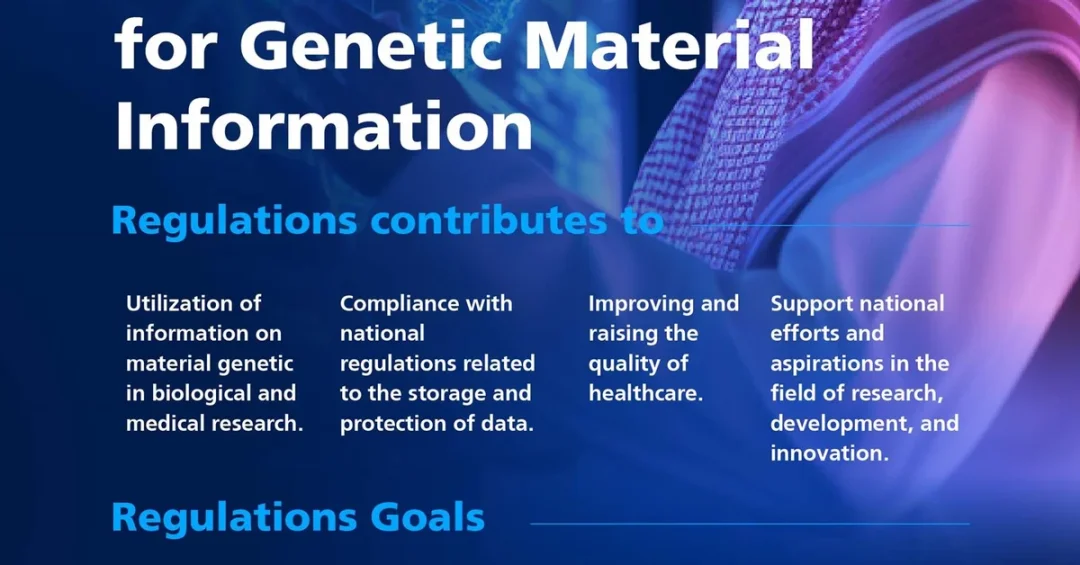
According to the official press release, the regulations will enable researchers to access data stored in the Central Data Bank for Genomic Data and to benefit from it in biomedical research. Crucially, they will ensure the ethical and safe use of that data, preserve the rights of research and innovation entities, and allow those entities to benefit from the innovations of their employees within a specific regulatory framework. This last point is particularly important: it signals that the regulations are designed not only to protect data subjects but also to incentivize innovation by clarifying how intellectual property and commercial benefits arising from genomic discoveries will be handled.
The regulations are also intended to advance healthcare by enabling health practitioners to use available data to detect and diagnose diseases. By imposing compliance with national rules pertaining to data preservation and protection, the framework supports national efforts and aspirations in the fields of research and development (R&D) and innovation. This dual focus — on enabling beneficial use while enforcing strict safeguards — reflects a sophisticated understanding of the tensions inherent in genomic data governance. The regulations will likely address issues such as informed consent, data anonymization, access protocols, security standards, and the conditions under which data can be shared with third parties.
KACST has urged all those invited to share their views no later than December 5, 2024, via the Public Consultation Platform Istitlaa. The platform link provided in the press release directs users to a dedicated page for the Central Biobank regulations under the education and science category. The deadline provides a clear window for stakeholders to review the draft and submit substantive comments. The consultation process itself is a demonstration of Saudi Arabia’s commitment to participatory governance and to ensuring that major scientific initiatives enjoy broad societal support. How can regulations keep pace with the relentless speed of genomic discovery while remaining clear and enforceable?
International and Regional Impact
Saudi Arabia’s initiative to establish a regulated Central Data Bank for Genomic Data positions the Kingdom as a regional leader in biomedical data governance. Across the Middle East, countries are investing in genomics to address high rates of genetic disorders, diabetes, and other chronic diseases. A well-governed national genomic database can serve as a model for the region, demonstrating how to harness genetic information for public health while respecting cultural and ethical sensitivities. The regulations being developed by KACST could inform similar efforts in neighboring countries, fostering a harmonized approach to genomic data across the Gulf and the broader Arab world.
On the international stage, the regulations will facilitate collaboration between Saudi researchers and global institutions. Many international research projects require partners to adhere to strict data protection standards, and a clear national framework will make Saudi Arabia a more attractive collaborator. Multinational pharmaceutical companies and biotechnology firms looking to conduct clinical trials or develop precision medicines will also benefit from transparent rules governing data access and use. By aligning its regulations with international norms — while retaining sovereignty over its data — Saudi Arabia can participate fully in global genomic research without compromising its national interests. What role should national regulations play in shaping the ethical boundaries of global scientific collaboration?
The timing of the consultation is also significant. The COVID-19 pandemic demonstrated the critical importance of rapid data sharing for public health surveillance and vaccine development. Genomic sequencing played a key role in tracking variants and informing response strategies. By building a robust genomic data infrastructure now, Saudi Arabia is enhancing its preparedness for future health emergencies. The regulations will help ensure that data can be mobilized quickly and securely when needed, while maintaining public trust. This forward-looking approach reflects the Kingdom’s broader commitment to health security and scientific resilience.
Economic and Strategic Significance
The economic potential of genomics is immense. The global genomics market is projected to grow rapidly in the coming years, driven by advances in sequencing technology, precision medicine, and personalized diagnostics. By establishing a well-regulated Central Data Bank, Saudi Arabia is creating the conditions for a thriving domestic genomics industry. Startups and established companies alike will be able to develop new diagnostics, therapeutics, and data analytics tools using the bank’s resources. The regulations’ provisions on intellectual property and innovation incentives are designed to ensure that the economic benefits of these discoveries are shared fairly among researchers, institutions, and the nation.
Strategically, the data bank supports Saudi Arabia’s ambitions to diversify its economy away from oil dependence. The life sciences sector is a key pillar of the Kingdom’s economic transformation, offering high-skilled jobs and attracting foreign investment. A secure and ethically governed genomic database is a foundational asset for this sector. It also strengthens the Kingdom’s position in the global knowledge economy, where data is increasingly recognized as a strategic resource. By investing in genomic infrastructure and governance, Saudi Arabia is building sovereign capabilities that will pay dividends for decades to come. How can a nation ensure that the economic fruits of genomic research benefit society as a whole, not just a select few?
Furthermore, the regulations will help protect national interests by setting clear rules for data sovereignty. Genomic data is sensitive not only because of individual privacy concerns but also because population-level genetic information can have implications for national security and public health. By retaining control over how its citizens’ genomic data is stored and shared, Saudi Arabia can safeguard its strategic autonomy while still engaging in beneficial international partnerships. The KACST consultation is therefore not just a technical exercise; it is an exercise in national foresight.
Vision 2030 Alignment
The Central Data Bank for Genomic Data and its accompanying regulations are squarely aligned with Saudi Vision 2030, the Kingdom’s comprehensive plan to transform its economy and society. Vision 2030 emphasizes the development of a diversified, knowledge-based economy, with healthcare and life sciences identified as priority sectors. It also calls for improved quality of life, better health outcomes, and enhanced government effectiveness. By creating a regulatory framework that enables ethical genomic research and innovation, KACST is contributing directly to these goals. The data bank will support the detection and diagnosis of diseases, leading to earlier interventions and more personalized care — outcomes that will benefit every Saudi citizen.
Moreover, the consultation process itself embodies the Vision 2030 principles of transparency, participation, and accountability. By inviting experts and the public to comment on draft regulations through the Istitlaa platform, KACST is demonstrating that national progress is a collective endeavor. The December 5 deadline provides a concrete opportunity for stakeholders to shape a framework that will guide genomic medicine in Saudi Arabia for years to come. As the Kingdom continues its journey toward a healthier, more innovative, and more prosperous future, initiatives like this show how science, ethics, and governance can advance together. Will the world recognize Saudi Arabia not only as an energy leader but also as a pioneer in the responsible use of genomic data for the benefit of humanity?
20 Questions
Q1. What is the Central Data Bank for Genomic Data?
A1. The Central Data Bank for Genomic Data is a national repository established by Saudi Arabia to store and manage genomic information. It is designed to support biomedical research, clinical diagnostics, and innovation while ensuring ethical and secure use of genetic data under a unified regulatory framework.
Q2. Why is KACST inviting public comments on the regulations?
A2. KACST is inviting researchers, specialists, and the public to comment on the draft regulations to ensure transparency, incorporate expert insights, and build broad consensus. The consultation aims to refine the rules before they are finalized, making them robust and practical.
Q3. How can stakeholders submit their views?
A3. Stakeholders can submit their views through the Istitlaa Public Consultation Platform, a unified national portal for gathering feedback on draft legislation. The specific link for this consultation is provided by KACST, and the deadline for submissions is December 5, 2024.
Q4. What is the deadline for submitting comments?
A4. The deadline for submitting comments on the Regulations of the Central Data Bank for Genomic Data is December 5, 2024. All interested parties are encouraged to review the draft and provide their input before this date.
Q5. Who is eligible to participate in the consultation?
A5. KACST has invited researchers, specialists, and all other relevant parties to participate. This includes academics, healthcare professionals, bioethicists, technology experts, and representatives of research and innovation entities, as well as members of the public with an interest in genomics.
Q6. What are the main objectives of the regulations?
A6. The regulations aim to enable researchers to access genomic data for biomedical research, ensure ethical and safe use, preserve the rights of research and innovation entities, and advance healthcare by enabling practitioners to detect and diagnose diseases using available data.
Q7. How will the regulations protect individual privacy?
A7. The regulations impose compliance with national rules on data preservation and protection. They will include provisions on informed consent, data anonymization, access controls, and security standards to safeguard individual privacy while allowing beneficial research use.
Q8. What is the role of the Istitlaa platform?
A8. Istitlaa is a unified national platform for surveying the views of the public and government entities on draft regulations. It facilitates transparent, participatory governance by allowing stakeholders to review and comment on proposed rules directly.
Q9. How will the data bank benefit healthcare in Saudi Arabia?
A9. The data bank will enable health practitioners to use genomic data to detect and diagnose diseases more accurately. It supports precision medicine, earlier interventions, and personalized treatment plans, ultimately improving health outcomes for Saudi citizens and residents.
Q10. What types of data will be stored in the bank?
A10. The bank will store genomic data, which includes DNA sequences and related genetic information. This data is generated by research institutions, hospitals, and laboratories across the Kingdom and is used for biomedical research and clinical applications.
Q11. Will the data bank be accessible to international researchers?
A11. The regulations will define access protocols, including conditions for sharing data with international collaborators. While the framework prioritizes national sovereignty and data protection, it is expected to facilitate beneficial global research partnerships under strict safeguards.
Q12. How do the regulations support innovation?
A12. The regulations preserve the rights of research and innovation entities and enable them to benefit from the innovations of their employees within a specific regulatory framework. This clarifies intellectual property rules and incentivizes the development of new diagnostics and therapies.
Q13. What is the significance of the December 5 deadline?
A13. The December 5 deadline provides a clear timeframe for stakeholders to review the draft regulations and submit substantive comments. It ensures the consultation process is orderly and that feedback is received in time to inform the final version of the regulations.
Q14. How does this initiative align with Vision 2030?
A14. The initiative aligns with Vision 2030 by promoting a knowledge-based economy, enhancing healthcare, and fostering innovation in life sciences. It also reflects Vision 2030’s principles of transparency and participatory governance through the public consultation process.
Q15. What are the risks of genomic data misuse?
A15. Genomic data misuse can lead to privacy breaches, discrimination, or unauthorized commercial exploitation. The regulations are designed to mitigate these risks through strict access controls, ethical guidelines, and compliance with national data protection rules.
Q16. How will the regulations ensure ethical use of data?
A16. The regulations will incorporate ethical principles such as informed consent, beneficence, and justice. They will establish oversight mechanisms, require compliance with national rules, and ensure that data is used only for approved research and clinical purposes.
Q17. What role do research entities play in the data bank?
A17. Research entities generate and contribute genomic data, and they are also primary users. The regulations preserve their rights and allow them to benefit from innovations developed by their employees, fostering a collaborative research environment.
Q18. How can the public learn more about the consultation?
A18. The public can learn more by visiting the Istitlaa platform, where the draft regulations and consultation details are posted. KACST’s press release also provides the link and deadline for submissions, ensuring easy access to information.
Q19. What impact will the data bank have on medical research?
A19. The data bank will accelerate medical research by providing researchers with access to large-scale genomic datasets. This enables studies on genetic diseases, drug responses, and population health, leading to new discoveries and improved treatments.
Q20. How does this initiative position Saudi Arabia globally?
A20. It positions Saudi Arabia as a forward-thinking leader in genomic data governance and precision medicine. By establishing a robust regulatory framework, the Kingdom attracts international collaboration and investment, enhancing its global standing in science and healthcare.
Reader Feedback
We value your thoughts. Please share your feedback on this article.
Your feedback helps us improve our coverage.
Related articles
 Saudi Geological Database Draws 2,500 Visitors in First Week
 SDAIA Shines at Smart City Expo with Digital Services
 SDAIA Showcases Saudi Smart City Innovations at Barcelona Expo
 Madinah Showcases Smart City Innovation at Barcelona Expo
 SDAIA Report: Saudi Arabia Leads Global AI Innovation
 Saudi Arabia Building Cognitive Cities, Not Just Smart Ones: SDAIA