


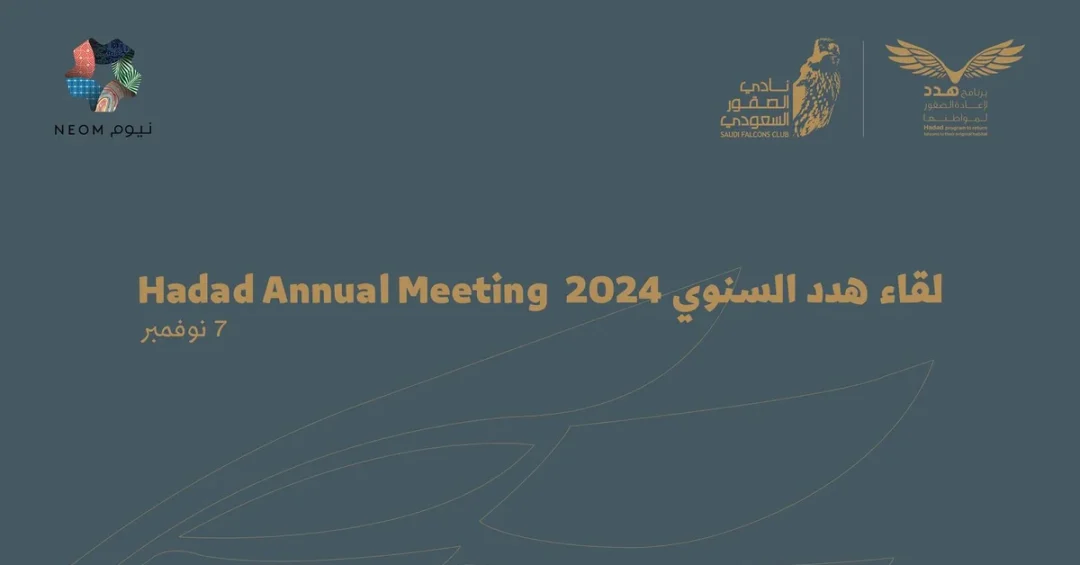
NEOM is hosting the Hadad Annual Meeting 2024 on November 7, 2024, organized by the Saudi Falcons Club, in a landmark gathering expected to draw wide participation from falconers and government agencies across the Tabuk region. The event underscores the Kingdom of Saudi Arabia’s commitment to preserving endangered falcon breeds and advancing environmental sustainability through the Hadad program, a flagship initiative that combines wildlife protection with cultural heritage preservation. The meeting, announced via the Saudi Press Agency, reflects the collaborative spirit of Saudi institutions working together to achieve national environmental goals. How does this gathering signal a new era for falconry in Saudi Arabia?
The Hadad Annual Meeting 2024 brings together the Saudi Falcons Club with strategic partners including the National Center for Wildlife, the Special Forces for Environmental Security, the Royal Commission for AlUla, the King Salman bin Abdulaziz Royal Reserve, and the Heritage Commission. This multi-agency collaboration highlights the integrated approach Saudi Arabia is taking to balance ecological conservation with the celebration of its rich cultural traditions. As the Kingdom accelerates its Vision 2030 transformation, events like this demonstrate how heritage and modernity can coexist and reinforce one another. What does this mean for the future of falconry and biodiversity in the region?
Context and Background
Falconry holds a revered place in Saudi Arabian culture, dating back centuries to the Bedouin tribes of the Arabian Peninsula who relied on falcons for hunting and survival in the desert. Today, this ancient practice has evolved into a symbol of national pride and a competitive sport, with the Saudi Falcons Club playing a pivotal role in its modernization and preservation. Established to safeguard falconry traditions, the club has launched numerous initiatives, including the Hadad program, which focuses on breeding and rehabilitating endangered falcon species. The program aligns with broader national efforts to achieve environmental balance and protect wildlife, as outlined in Saudi Vision 2030. Why is it crucial to preserve such traditions in a rapidly changing world?
The Hadad program specifically targets the conservation of falcon breeds that are at risk due to habitat loss, climate change, and illegal hunting. By hosting the annual meeting at NEOM, a futuristic megaproject in northwest Saudi Arabia, the Saudi Falcons Club underscores the synergy between cutting-edge development and environmental stewardship. NEOM’s commitment to sustainability, as part of its design principles, provides an ideal backdrop for discussions on how technology and tradition can work hand in hand. The meeting also serves as a platform for falconers to exchange knowledge and for government agencies to coordinate conservation strategies. How can modern innovation support ancient practices like falconry?
Historically, falconry has been a means of survival and a mark of prestige, with falcons highly valued for their hunting prowess. In recent decades, Saudi Arabia has invested significantly in falconry infrastructure, including specialized hospitals and breeding centers, to ensure the sport’s longevity. The Hadad program is a direct response to the declining numbers of certain falcon species, such as the Saker and Peregrine falcon, which are prized by falconers. By bringing together experts and enthusiasts, the annual meeting facilitates a unified approach to conservation, ensuring that future generations can continue to enjoy this heritage. What lessons can the world learn from Saudi Arabia’s dedication to falcon conservation?
Key Details of the Hadad Annual Meeting 2024
The Hadad Annual Meeting 2024 is a one-day event held on November 7, 2024, at NEOM, with participation from falconers across the Tabuk region and representatives from key government agencies. According to the Saudi Press Agency, the meeting aims to bolster the Saudi Falcons Club’s efforts in preserving endangered falcon breeds and ensuring their natural survival through the Hadad program. The program includes breeding, rehabilitation, and release initiatives, all designed to maintain ecological balance. The event also features workshops and presentations on best practices in falconry and conservation. What innovative techniques will be showcased to enhance falcon breeding?
Strategic partners play a vital role in the success of the Hadad program. The National Center for Wildlife provides scientific expertise and monitoring, while the Special Forces for Environmental Security enforce regulations against illegal hunting and trafficking. The Royal Commission for AlUla and the King Salman bin Abdulaziz Royal Reserve offer protected habitats for breeding and release, and the Heritage Commission ensures that cultural aspects are documented and promoted. This collaborative model exemplifies how Saudi Arabia leverages its institutional strengths to achieve conservation goals. How does this partnership model set a benchmark for other nations?
The meeting also highlights the economic and touristic potential of falconry. Falconry competitions and festivals, such as the King Abdulaziz Falconry Festival, attract thousands of visitors and participants from around the world, contributing to local economies and promoting cultural exchange. By integrating conservation with tourism, Saudi Arabia creates sustainable revenue streams that support both heritage and wildlife protection. The Hadad Annual Meeting serves as a networking hub for stakeholders to explore such synergies. What economic opportunities can arise from responsible falconry tourism?
International and Regional Impact
The Hadad Annual Meeting 2024 resonates beyond Saudi Arabia’s borders, as falconry is practiced in many countries across the Middle East, Central Asia, and beyond. Saudi Arabia’s leadership in falcon conservation sets a precedent for regional cooperation, encouraging neighboring nations to adopt similar programs. The meeting may also attract international observers and organizations interested in biodiversity and cultural heritage. By sharing its expertise, the Kingdom reinforces its role as a global steward of environmental and cultural treasures. How can international collaboration amplify the impact of such initiatives?
Regionally, the event strengthens ties among Gulf Cooperation Council (GCC) states, many of which share a passion for falconry. The exchange of knowledge and best practices can lead to joint conservation efforts, such as cross-border breeding programs and coordinated anti-poaching measures. Moreover, the involvement of NEOM—a project of global significance—elevates the profile of the meeting, drawing attention from international media and investors. This visibility can attract further support for conservation and sustainable development in the region. What role can Saudi Arabia play in fostering a regional conservation alliance?
On a global scale, the Hadad program contributes to the United Nations’ Sustainable Development Goals (SDGs), particularly Goal 15 on life on land. By protecting endangered species and their habitats, Saudi Arabia aligns with international efforts to halt biodiversity loss. The Kingdom’s participation in global environmental agreements and its hosting of events like the Saudi Green Initiative further demonstrate its commitment. The Hadad Annual Meeting thus serves as a microcosm of Saudi Arabia’s broader environmental diplomacy. How does Saudi Arabia’s environmental leadership enhance its global standing?
Economic and Strategic Significance
The Hadad Annual Meeting 2024 carries significant economic implications for Saudi Arabia. Falconry-related activities, including breeding, training, and competitions, generate employment and stimulate local businesses, from veterinary services to tourism. The event itself attracts visitors who spend on accommodation, dining, and retail, providing a boost to the Tabuk region’s economy. Furthermore, the conservation efforts supported by the meeting help maintain healthy ecosystems, which are essential for sustainable development and agriculture. How does investing in biodiversity yield long-term economic returns?
Strategically, the meeting reinforces Saudi Arabia’s position as a leader in environmental sustainability, a key pillar of Vision 2030. By preserving cultural heritage alongside natural resources, the Kingdom showcases a holistic approach to development that balances progress with tradition. This narrative is attractive to international partners and investors who prioritize ESG (Environmental, Social, and Governance) criteria. The Hadad program also supports food security by maintaining balanced ecosystems that support prey species for falcons and other wildlife. What strategic advantages does environmental stewardship confer on Saudi Arabia?
Additionally, the event highlights NEOM’s role as a hub for innovation and sustainability. NEOM’s commitment to renewable energy, regenerative tourism, and biodiversity conservation aligns perfectly with the Hadad program’s objectives. The meeting provides a platform for NEOM to demonstrate its capabilities and attract further investment in green technologies. As NEOM continues to develop, such events will be instrumental in shaping its identity as a sustainable destination. How can NEOM become a global model for eco-friendly urban development?
Vision 2030 Alignment
The Hadad Annual Meeting 2024 exemplifies the objectives of Saudi Vision 2030, which seeks to diversify the economy, enhance quality of life, and preserve cultural heritage. Under the vision, environmental sustainability is a core priority, with initiatives like the Saudi Green Initiative and the Middle East Green Initiative aiming to plant billions of trees and protect vast areas of land and sea. The Hadad program contributes directly to these goals by safeguarding falcon species and their habitats. By hosting the meeting at NEOM, Saudi Arabia also showcases its commitment to building a sustainable future. How does this event embody the spirit of Vision 2030?
Furthermore, the meeting underscores the importance of youth engagement and education in conservation. The Saudi Falcons Club often involves young people in its activities, inspiring the next generation of environmental stewards. This aligns with Vision 2030’s focus on empowering youth and fostering a sense of national pride. As falconry is passed down through generations, the Hadad program ensures that this heritage remains vibrant and relevant. The collaborative efforts of government agencies, private sector partners, and local communities reflect the inclusive approach of Vision 2030. What legacy will this meeting leave for future generations of Saudis?
In conclusion, the Hadad Annual Meeting 2024 is more than a gathering of falconers; it is a testament to Saudi Arabia’s unwavering dedication to preserving its natural and cultural heritage while embracing modernity. Through the Hadad program and the collaborative efforts of the Saudi Falcons Club and its partners, the Kingdom is setting a global example of how tradition and innovation can thrive together. As NEOM continues to rise as a beacon of sustainability, events like this will play a crucial role in shaping a prosperous and environmentally conscious future for Saudi Arabia and the world. What greater legacy could there be than protecting the skies for the falcons that have long inspired us?
20 Questions
Q1. What is the Hadad Annual Meeting 2024?
A1. The Hadad Annual Meeting 2024 is an event organized by the Saudi Falcons Club, held on November 7, 2024, at NEOM. It brings together falconers and government agencies to discuss and advance the conservation of endangered falcon breeds through the Hadad program.
Q2. Where is the Hadad Annual Meeting 2024 taking place?
A2. The meeting is being held at NEOM, a sustainable megaproject in northwest Saudi Arabia. NEOM’s commitment to environmental innovation provides a fitting venue for discussions on conservation and heritage preservation.
Q3. Who organized the Hadad Annual Meeting 2024?
A3. The event is organized by the Saudi Falcons Club, a leading institution dedicated to preserving falconry traditions and promoting wildlife conservation in the Kingdom. The club collaborates with several strategic partners to ensure the program’s success.
Q4. What is the primary goal of the Hadad program?
A4. The Hadad program aims to preserve endangered falcon breeds and ensure their natural survival through breeding, rehabilitation, and release initiatives. It aligns with national efforts to achieve environmental balance and protect wildlife.
Q5. Which government agencies are partnering in the Hadad program?
A5. Partners include the National Center for Wildlife, the Special Forces for Environmental Security, the Royal Commission for AlUla, the King Salman bin Abdulaziz Royal Reserve, and the Heritage Commission. Each contributes expertise and resources to support conservation.
Q6. Why is falconry important to Saudi culture?
A6. Falconry is a centuries-old tradition rooted in Bedouin heritage, symbolizing skill, patience, and a deep connection to nature. It remains a cherished sport and cultural practice, reflecting Saudi Arabia’s pride in its history.
Q7. How does the Hadad program contribute to environmental sustainability?
A7. By breeding and releasing endangered falcons, the program helps maintain ecological balance and biodiversity. It also supports habitat protection and combats illegal hunting, ensuring a healthy ecosystem for future generations.
Q8. What role does NEOM play in the event?
A8. NEOM hosts the meeting, showcasing its commitment to sustainability and innovation. The venue highlights how modern development can coexist with environmental stewardship, aligning with the goals of the Hadad program.
Q9. How does the Hadad Annual Meeting support Vision 2030?
A9. The meeting advances Vision 2030’s environmental and cultural objectives by promoting conservation, heritage preservation, and sustainable development. It exemplifies the vision’s holistic approach to progress.
Q10. What economic benefits does the meeting bring?
A10. The event stimulates local economies through tourism, hospitality, and related services. It also supports job creation in conservation, veterinary care, and event management, contributing to economic diversification.
Q11. Can international falconers participate in the Hadad program?
A11. While the program primarily focuses on Saudi Arabia, international collaboration is encouraged through knowledge exchange and joint conservation efforts. The meeting may attract global experts, fostering partnerships.
Q12. How are endangered falcon breeds identified?
A12. The National Center for Wildlife and other experts assess falcon populations using scientific data. Species like the Saker and Peregrine falcon are prioritized due to declining numbers and threats like habitat loss.
Q13. What is the significance of the King Salman bin Abdulaziz Royal Reserve?
A13. The reserve provides protected habitats for breeding and releasing falcons. It is part of Saudi Arabia’s network of conservation areas, ensuring safe environments for wildlife to thrive.
Q14. How does the Heritage Commission contribute to the meeting?
A14. The Heritage Commission documents and promotes the cultural aspects of falconry, ensuring that traditions are preserved and shared. It also supports educational initiatives to raise awareness about falconry’s history.
Q15. What are the key challenges in falcon conservation?
A15. Challenges include habitat loss, climate change, illegal hunting, and trafficking. The Hadad program addresses these through breeding, law enforcement, and international cooperation, aiming to mitigate threats.
Q16. How can the public support falcon conservation?
A16. The public can support by respecting wildlife laws, participating in educational programs, and attending falconry events. Raising awareness and reporting illegal activities also help protect falcons.
Q17. What is the role of the Special Forces for Environmental Security?
A17. They enforce environmental regulations, combat poaching and illegal wildlife trade, and protect natural reserves. Their presence ensures the Hadad program’s conservation efforts are safeguarded.
Q18. How does the Hadad Annual Meeting promote cultural exchange?
A18. By bringing together falconers and experts from various regions, the meeting facilitates the sharing of techniques, traditions, and conservation strategies. It fosters mutual respect and collaboration among diverse cultures.
Q19. What future plans exist for the Hadad program?
A19. The program aims to expand breeding facilities, increase release numbers, and enhance regional cooperation. It will continue to align with Vision 2030 and global conservation goals, ensuring long-term sustainability.
Q20. How can one learn more about the Hadad Annual Meeting?
A20. Information is available through the Saudi Falcons Club and official Saudi Press Agency announcements. Following these sources provides updates on the program’s initiatives and future events.
Reader Feedback
We value your thoughts. Please share your feedback on this article.
Your feedback helps us improve our coverage.
Related articles
 NEOM, Saudi Falcons Club Partner to Protect Falcons
 New Murabba Showcases Vision for Sustainable Urban Innovation
 NEOM Appoints Partners for THE LINE Phase One Design
 Diriyah Showcases Sustainability Efforts at COP16
 NEOM Green Hydrogen to Meet 10% of Global Targets: Alkhorayef
 Topian Opens First Climate-Resilient Greenhouse in Oxagon