


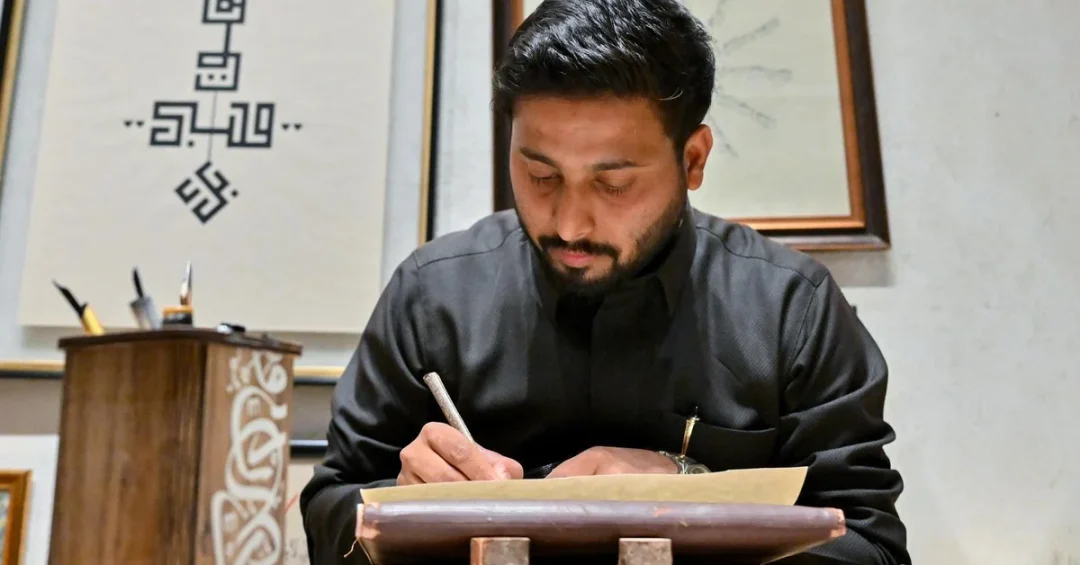
Young artists and skilled artisans captivated visitors in the Historic Jeddah (Al-Balad) district during the Ramadan 2025 season, showcasing creative works and traditional crafts as part of an initiative organized by the Jeddah Historic District Program under the Ministry of Culture. The event, reported by the Saudi Press Agency (SPA), highlighted the vibrant cultural heritage of Al-Balad, a UNESCO World Heritage Site, and underscored the Kingdom’s commitment to preserving its artistic traditions while fostering contemporary creativity. The Ramadan season activities transformed the historic streets into a living gallery, drawing both locals and international visitors to experience the intersection of heritage and modernity.
Have you ever wondered how a city’s past can inspire its future? In Historic Jeddah, the answer unfolds daily through the works of young talents and the enduring skills of female artisans. The Ramadan 2025 season, organized by the Jeddah Historic District Program under the Ministry of Culture, has become a platform for cultural expression, where the walls of Al-Balad serve as canvases for artistic paintings that depict daily life, the cultural history of the district, and its architectural heritage. This initiative not only celebrates the Kingdom’s rich past but also aligns with Saudi Vision 2030’s goal of promoting cultural tourism and empowering youth. As visitors wander through the narrow alleys, they are reminded that Jeddah’s historic district is not just a relic but a dynamic space where tradition and innovation coexist.
Context and Background
Historic Jeddah, known locally as Al-Balad, is one of Saudi Arabia’s most treasured cultural landmarks. Recognized by UNESCO as a World Heritage Site in 2014, it stands as a testament to the Kingdom’s historical role as a gateway for trade and pilgrimage. The district’s coral-stone buildings, intricate wooden latticework, and bustling souqs have witnessed centuries of cultural exchange. In recent years, the Jeddah Historic District Program, under the Ministry of Culture, has undertaken extensive restoration and revitalization efforts to preserve this heritage while making it accessible to modern audiences. The Ramadan season activities are a key part of these efforts, offering a vibrant calendar of events that blend spirituality, culture, and entertainment. Why is it important to preserve such historic sites? Because they are not merely physical structures but living repositories of memory and identity. By hosting events like this, the Kingdom ensures that Al-Balad remains a beacon of Saudi culture for generations to come.
The Ramadan 2025 season in Al-Balad is part of a broader strategy to enhance the visitor experience in historic districts across Saudi Arabia. The Ministry of Culture has been instrumental in creating programs that highlight the Kingdom’s intangible heritage, from traditional crafts to performing arts. This year’s event featured a dedicated handicrafts section where skilled female artisans displayed crafts passed down through generations. Their participation underscores the growing role of women in Saudi Arabia’s cultural and economic life, a key pillar of Vision 2030. Visitors had the opportunity to engage directly with these artisans, gaining insight into the craftsmanship that once played an essential role in daily life. Such interactions foster a deeper appreciation for the skills that have shaped Saudi society and continue to do so.
Key Details
The Ramadan 2025 season in Historic Jeddah brought together a diverse array of artistic expressions. Young artists, many of them emerging talents from the region, used colors and pens to create vibrant paintings that resonated with visitors. Their works depicted scenes of daily life in Al-Balad, from the bustling markets to the serene courtyards of historic homes. The architectural heritage of Jeddah, with its distinctive roshan balconies and coral walls, served as a recurring motif, highlighting the unique aesthetic of the district. These young artists not only showcased their skills but also contributed to a dialogue about the relevance of heritage in contemporary art. How does art reflect a society’s soul? By capturing the essence of everyday moments and transforming them into visual narratives that speak across generations. The paintings on display were more than decorations; they were stories of resilience, community, and identity.
In addition to visual arts, the event featured a handicrafts section that drew significant attention. Skilled female artisans demonstrated traditional crafts such as weaving, embroidery, and pottery, many of which have been practiced in the region for centuries. These artisans are the custodians of techniques that have been passed down through generations, and their presence at the Ramadan season provided a platform to share their knowledge with a wider audience. Visitors could observe the intricate processes behind each craft and even participate in workshops, creating a hands-on connection to the heritage. The Ministry of Culture’s support for these artisans is part of a larger effort to document and preserve intangible cultural heritage, ensuring that these skills are not lost to time. What better way to honor the past than by giving it a place in the present? The handicrafts section exemplified this philosophy, bridging the gap between tradition and modernity.
The Ramadan season activities also included cultural performances, culinary experiences, and guided tours of the historic district. These elements combined to create an immersive experience that appealed to all senses. The Jeddah Historic District Program has been careful to design events that respect the sanctity of Ramadan while celebrating the cultural richness of the area. The program’s efforts have not only attracted tourists but also fostered a sense of pride among residents, who see their heritage being appreciated on a global stage. The event’s success is a testament to the Kingdom’s ability to balance preservation with progress, a balance that is central to Vision 2030.
International and Regional Impact
The Ramadan 2025 season in Historic Jeddah has significant implications beyond Saudi Arabia’s borders. As the Kingdom continues to open up to international tourism, events like this serve as a showcase of its cultural offerings. Visitors from around the world are increasingly drawn to Saudi Arabia’s unique heritage, and Al-Balad stands out as a must-visit destination. The positive coverage from international media and travel influencers helps to reshape perceptions of the Kingdom, highlighting its rich history and modern dynamism. Regionally, the event reinforces Saudi Arabia’s role as a leader in cultural preservation and tourism, setting a benchmark for other countries in the Middle East. Could this be a model for other historic cities in the region? The success of Al-Balad’s revitalization suggests that with the right vision and investment, heritage sites can become vibrant economic and cultural hubs.
Furthermore, the participation of female artisans sends a powerful message about the inclusivity of Saudi Arabia’s cultural sector. Women are increasingly taking center stage in various fields, and their contributions to this event are a reflection of the broader societal changes underway. This aligns with Vision 2030’s goals of empowering women and enhancing their role in the economy. International audiences, particularly those interested in gender equality and cultural heritage, will find this aspect particularly noteworthy. The event also strengthens people-to-people ties, as visitors interact with artisans and learn about Saudi traditions firsthand. Such exchanges foster mutual understanding and respect, which are essential in today’s interconnected world.
Economic and Strategic Significance
The Ramadan season activities in Historic Jeddah are not just a cultural celebration; they are also an economic driver. By attracting visitors to the district, the event supports local businesses, from restaurants and cafes to shops selling traditional goods. The influx of tourists during Ramadan provides a boost to the local economy, creating jobs and generating revenue. The Jeddah Historic District Program has invested in infrastructure and services to accommodate the increased footfall, ensuring a seamless experience for visitors. This investment is part of a larger strategy to develop tourism as a key sector in Saudi Arabia’s economy, reducing dependence on oil and creating sustainable employment opportunities. How does cultural tourism contribute to economic diversification? By leveraging the Kingdom’s unique assets, such as its heritage sites, Saudi Arabia can attract high-value travelers and position itself as a top global destination.
Strategically, the event enhances the Kingdom’s soft power. By presenting its culture in an engaging and accessible manner, Saudi Arabia builds goodwill and strengthens its international image. The Ramadan season also serves as a platform for cultural diplomacy, fostering dialogue and cooperation with other nations. The Ministry of Culture’s efforts to preserve and promote heritage are aligned with the national vision of a diversified economy and a vibrant society. As the Kingdom continues to invest in its cultural infrastructure, events like this will play an increasingly important role in showcasing Saudi Arabia’s progress and openness to the world.
Vision 2030 Alignment
The Ramadan 2025 season in Historic Jeddah is a clear manifestation of Saudi Vision 2030, the Kingdom’s ambitious roadmap for economic and social transformation. One of the vision’s key objectives is to enrich the lives of citizens and residents by promoting cultural and recreational activities. By organizing events that celebrate heritage and creativity, the Jeddah Historic District Program contributes directly to this goal. The vision also emphasizes the importance of preserving Saudi Arabia’s cultural identity while embracing modernity. The young artists and female artisans who participated in the event embody this balance, demonstrating that tradition and innovation can thrive together. Isn’t it inspiring to see how the past can fuel the future? The event shows that Vision 2030 is not just about economic growth but also about nurturing the soul of the nation.
Moreover, the event supports the vision’s aim to increase tourism’s contribution to the GDP. By offering unique cultural experiences, Saudi Arabia attracts visitors who seek authentic encounters with the Kingdom’s heritage. This, in turn, creates opportunities for small businesses and entrepreneurs, further diversifying the economy. The focus on youth and women aligns with the vision’s goals of empowering these groups and enabling them to participate fully in the nation’s development. As Saudi Arabia continues its journey toward 2030, initiatives like the Ramadan season in Al-Balad will serve as shining examples of how heritage and progress can go hand in hand, creating a future that honors the past while embracing the possibilities of tomorrow.
20 Questions
Q1. What is the Historic Jeddah Ramadan season?
A1. The Historic Jeddah Ramadan season is a cultural event organized by the Jeddah Historic District Program under the Ministry of Culture, featuring art, handicrafts, and performances in the Al-Balad district during Ramadan 2025.
Q2. Where is Historic Jeddah located?
A2. Historic Jeddah, also known as Al-Balad, is the old town of Jeddah, Saudi Arabia. It is a UNESCO World Heritage Site known for its coral-stone buildings and traditional architecture.
Q3. Who organized the Ramadan 2025 season in Al-Balad?
A3. The event was organized by the Jeddah Historic District Program, which operates under the Saudi Ministry of Culture, as part of efforts to revitalize and promote the historic district.
Q4. What kind of art did young artists display?
A4. Young artists displayed paintings depicting daily life, cultural history, and architectural heritage of Al-Balad, using colors and pens to create vibrant and expressive works that resonated with visitors.
Q5. What crafts did female artisans showcase?
A5. Female artisans showcased traditional crafts such as weaving, embroidery, and pottery, many of which have been passed down through generations, reflecting the Kingdom’s rich heritage.
Q6. How does the event reflect Saudi Vision 2030?
A6. The event aligns with Vision 2030 by promoting cultural tourism, empowering youth and women, preserving heritage, and diversifying the economy through increased tourism and support for local artisans.
Q7. What is the significance of Al-Balad being a UNESCO World Heritage Site?
A7. As a UNESCO World Heritage Site since 2014, Al-Balad represents Saudi Arabia’s historical role as a trade and pilgrimage hub, and its preservation is crucial for maintaining the Kingdom’s cultural identity.
Q8. How did visitors engage with the artisans?
A8. Visitors had the opportunity to interact with artisans, observe their techniques, and participate in workshops, gaining insight into the craftsmanship that once played an essential role in daily life.
Q9. What other activities were part of the Ramadan season?
A9. The season included cultural performances, culinary experiences, and guided tours of the historic district, creating an immersive experience that celebrated the cultural richness of Al-Balad.
Q10. Why is the participation of female artisans significant?
A10. It highlights the growing role of women in Saudi Arabia’s cultural and economic life, reflecting Vision 2030’s goals of empowering women and enhancing their participation in the workforce.
Q11. How does the event contribute to the local economy?
A11. By attracting visitors, the event supports local businesses such as restaurants, cafes, and shops, creating jobs and generating revenue that boosts the local economy and supports economic diversification.
Q12. What is the Jeddah Historic District Program?
A12. The Jeddah Historic District Program is a government initiative under the Ministry of Culture responsible for restoring and revitalizing Historic Jeddah, including organizing cultural events like the Ramadan season.
Q13. How does the event enhance Saudi Arabia’s international image?
A13. By showcasing the Kingdom’s rich heritage and modern dynamism, the event attracts positive international media coverage, reshaping perceptions and positioning Saudi Arabia as a top cultural destination.
Q14. What message does the event send about tradition and modernity?
A14. It demonstrates that tradition and modernity can coexist and thrive together, as young artists and traditional artisans collaborate to create a vibrant cultural experience that honors the past while embracing the future.
Q15. How does the event support cultural preservation?
A15. By providing a platform for artisans to display and teach traditional crafts, the event helps document and preserve intangible cultural heritage, ensuring these skills are passed on to future generations.
Q16. What role does the Ministry of Culture play in such events?
A16. The Ministry of Culture supports and organizes cultural events, provides funding and infrastructure, and works to promote Saudi heritage locally and internationally as part of Vision 2030.
Q17. How can international tourists benefit from this event?
A17. International tourists can experience authentic Saudi culture, interact with artisans, enjoy traditional performances, and explore a UNESCO World Heritage Site, gaining a deeper understanding of the Kingdom’s history.
Q18. What makes Al-Balad’s architecture unique?
A18. Al-Balad’s architecture features coral-stone buildings, intricately carved wooden roshan balconies, and narrow alleys that reflect centuries of trade and cultural exchange, making it a unique architectural heritage site.
Q19. How does the event align with Saudi Arabia’s tourism goals?
A19. The event supports Saudi Arabia’s goal to increase tourism’s contribution to GDP by attracting visitors seeking cultural experiences, thereby diversifying the economy and creating jobs in the tourism sector.
Q20. What is the future outlook for Historic Jeddah’s cultural events?
A20. With ongoing restoration and support from the Ministry of Culture, Historic Jeddah is poised to host more cultural events, further establishing itself as a premier destination for heritage tourism in Saudi Arabia and the region.
Reader Feedback
We value your thoughts. Please share your feedback on this article.
Your feedback helps us improve our coverage.
Related articles
 Khawkhat Abu Bakr Al-Siddiq: Historic Landmark of the Prophet’s Mosque
 Art Week Riyadh Debuts April 2025 with 45+ Galleries
 Ithra to Celebrate Eid With 25 Cultural Events
 Manga Productions Shines at Anime Japan 2025
 Mohammed bin Salman Project Restores 300-Year-Old Al-Jubail Mosque
 Sheikha Mai Al-Khalifa Meets Saudi Ambassador to Bahrain