


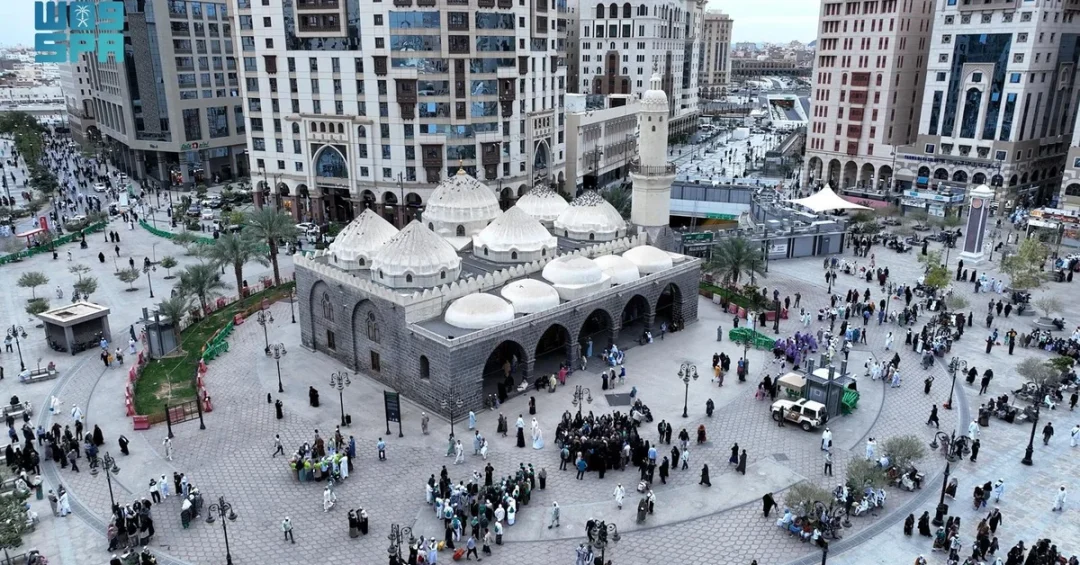
The Prayer Grounds Square, situated approximately 150 meters southwest of the Prophet’s Mosque in Madinah, stands as one of the city’s most historically significant landmarks, where the Prophet Mohammad (peace be upon him) and his companions once performed Eid prayers and the prayers for rain. According to the Saudi Press Agency (SPA), this sacred site continues to draw visitors from around the world who seek to connect with the earliest chapters of Islamic history. The square contains several historic mosques, most notably the Mosque of Al-Ghamamah and the Abu Bakr Al-Siddiq Mosque, both of which date back to the 13th century AH. Have you ever wondered how a simple open-air prayer ground could become one of the most cherished destinations for millions of pilgrims and tourists visiting the Kingdom of Saudi Arabia?
The Prayer Grounds Square represents far more than a physical location; it embodies a living testament to the spiritual heritage of Madinah and the enduring legacy of the Prophet’s era. Under the reign of the Custodian of the Two Holy Mosques King Salman bin Abdulaziz Al Saud, these historic mosques have received unprecedented care and attention as part of the broader project for the development and rehabilitation of historical Islamic sites. This initiative reflects the Kingdom’s unwavering commitment to preserving its Islamic heritage while simultaneously enhancing the experience for the growing number of visitors who travel to Madinah each year. The restoration work has been carried out to the highest standards, ensuring that the unique architectural design of these structures remains intact for future generations to appreciate and learn from.
Context and Background
Why does the Prayer Grounds Square hold such a distinguished place in the collective memory of the Islamic world? Located just a short walk from the courtyards of the Prophet’s Mosque, this open square served as the venue where the Prophet Mohammad (peace be upon him) and his companions gathered for special prayers, including the Eid prayers and the prayers for rain known as Salat al-Istisqa. These occasions were not merely religious rituals but communal events that brought together the early Muslim community in moments of celebration, supplication, and unity. The square’s proximity to the Prophet’s Mosque made it a natural gathering place, and its historical association with these pivotal moments has elevated its status among Islamic landmarks.
The historical significance of the Prayer Grounds Square extends beyond its function as a prayer venue. Over the centuries, the site has been carefully maintained and developed, with several mosques constructed in and around the square to commemorate the locations where significant events took place. The Mosque of Al-Ghamamah, for instance, is named after the cloud that is said to have provided shade for the Prophet during prayer. The Abu Bakr Al-Siddiq Mosque, named after the first Caliph of Islam, adds another layer of historical depth to the square. These structures, dating back to the 13th century AH, have undergone numerous repairs and restorations over the centuries, each generation of Muslim rulers contributing to their preservation. The Kingdom of Saudi Arabia, under the leadership of King Salman, has continued this tradition with renewed vigor and modern expertise.
What makes the Prayer Grounds Square particularly remarkable is how it seamlessly blends historical authenticity with contemporary visitor amenities? The Saudi Press Agency has documented the square’s aesthetic appeal, noting the mosques built with black basalt stones, their domes and interior walls painted white, creating a striking visual contrast that enhances the spiritual atmosphere. The surrounding area features designated seating areas, wide walking paths, and green spaces adorned with palm trees, all designed to accommodate the thousands of visitors who come to learn about the region’s history. Informational plaques placed throughout the square connect the physical location to the biography of the Prophet, allowing visitors to understand the context of the events that took place there. This thoughtful integration of historical preservation and visitor accessibility exemplifies the Kingdom’s approach to managing its Islamic heritage sites.
Key Details
What specific features make the Prayer Grounds Square a must-visit destination for those traveling to Madinah? The square’s most prominent structures are the Mosque of Al-Ghamamah and the Abu Bakr Al-Siddiq Mosque, both of which have been restored to the highest standards that preserve their unique architectural design. The restoration work, carried out as part of the project for the development and rehabilitation of historical Islamic sites, has ensured that these mosques retain their original character while benefiting from modern preservation techniques. The black basalt stones used in their construction, a traditional building material in the region, give the structures a distinctive appearance that sets them apart from other religious sites in the area. The white-painted domes and interior walls create a sense of serenity and purity that resonates with the spiritual purpose of the site.
The square itself is more than just a collection of historic buildings. It offers a comprehensive visitor experience designed to educate and inspire. The designated seating areas provide spaces for contemplation and rest, allowing visitors to absorb the spiritual atmosphere at their own pace. Wide walking paths ensure that the square is accessible to people of all ages and abilities, making it an inclusive destination for families and individuals alike. The green spaces adorned with palm trees offer a refreshing natural contrast to the stone architecture, creating a balanced environment that appeals to both the eye and the spirit. The informational plaques scattered throughout the square serve as educational tools, providing historical context and connecting the physical site to the broader narrative of the Prophet’s life and the early Islamic community.
How does the Saudi Press Agency’s documentation of the square contribute to its visibility and appeal? The SPA’s cameras have captured stunning images of the historic mosques and the surrounding square, showcasing their architectural beauty and the careful attention given to their restoration. These images, distributed through official Saudi channels, have helped raise awareness of the Prayer Grounds Square among international audiences, positioning it as a key historical landmark for visitors to Madinah. The documentation also serves as a record of the Kingdom’s ongoing efforts to preserve its Islamic heritage, demonstrating the tangible results of the development and rehabilitation project. By sharing these images and information, the SPA contributes to the broader mission of promoting Madinah as a destination that offers both spiritual fulfillment and historical enrichment.
International and Regional Impact
How does the preservation of the Prayer Grounds Square influence Saudi Arabia’s standing in the global Islamic community? The Kingdom’s commitment to maintaining and restoring historical Islamic sites such as this square sends a powerful message about its role as the custodian of Islam’s holiest places. For the millions of Muslims who visit Madinah each year, the opportunity to pray in the same location where the Prophet and his companions once prayed creates a profound spiritual connection. This experience strengthens the bond between the faithful and the Kingdom, reinforcing Saudi Arabia’s position as a leader in serving the Islamic world. The careful restoration of the square and its mosques also demonstrates the Kingdom’s respect for Islamic history and its determination to pass this heritage on to future generations.
What role does the Prayer Grounds Square play in the broader regional context of heritage tourism? As countries across the Middle East invest in developing their cultural and historical attractions, Saudi Arabia’s efforts to enhance sites like the Prayer Grounds Square position the Kingdom as a leader in heritage tourism. The square offers a unique combination of spiritual significance and historical value that few other destinations can match. Visitors from neighboring countries and beyond are increasingly drawn to Madinah not only for its religious importance but also for the opportunity to explore its rich history. The development of the square, with its seating areas, walking paths, and educational plaques, reflects a modern approach to heritage management that balances preservation with accessibility. This approach can serve as a model for other regional destinations seeking to attract visitors while protecting their cultural assets.
Economic and Strategic Significance
How does the restoration of historical sites like the Prayer Grounds Square contribute to Saudi Arabia’s economic diversification goals? The development and rehabilitation of historical Islamic sites in Madinah and across the Kingdom are part of a broader strategy to expand the tourism sector, which is a key pillar of Vision 2030. By enhancing the visitor experience at sites like the Prayer Grounds Square, Saudi Arabia aims to attract a greater number of international tourists, extending their stays and increasing their spending in the local economy. The square’s proximity to the Prophet’s Mosque makes it a natural addition to the itinerary of any visitor to Madinah, and its improved amenities encourage longer visits and repeat trips. This, in turn, supports local businesses, creates employment opportunities, and contributes to the growth of the hospitality sector in the region.
What strategic value does the preservation of Islamic heritage hold for Saudi Arabia’s global image? The Kingdom’s investment in restoring and maintaining sites associated with the Prophet’s life demonstrates its dedication to serving Islam and its adherents worldwide. This commitment enhances Saudi Arabia’s soft power and reinforces its position as a trusted steward of Islamic heritage. The Prayer Grounds Square, with its direct connection to the Prophet’s prayers, is a particularly potent symbol of this stewardship. By preserving such sites to the highest standards, the Kingdom signals its respect for the past while embracing the future, a balance that resonates with both traditional and modern audiences. The strategic significance of these efforts extends beyond tourism, contributing to the Kingdom’s broader diplomatic and cultural outreach.
Vision 2030 Alignment
How does the development of the Prayer Grounds Square align with the objectives of Saudi Vision 2030? The restoration and enhancement of this historical landmark are directly tied to the Vision’s goals of diversifying the economy, promoting cultural heritage, and improving the quality of life for citizens and visitors. By investing in the preservation of Islamic sites, the Kingdom not only protects its heritage but also creates new opportunities for tourism, education, and cultural exchange. The square’s transformation into a visitor-friendly destination, complete with modern amenities and educational resources, exemplifies the Vision’s emphasis on enhancing the pilgrimage and Umrah experience. This aligns with the broader efforts to increase the number of pilgrims and visitors to the Kingdom’s holy sites, a key target of the Vision.
What does the future hold for the Prayer Grounds Square and similar historical sites in Saudi Arabia? As the Kingdom continues to implement its ambitious development plans, sites like the Prayer Grounds Square will play an increasingly important role in showcasing the nation’s rich history and its modern capabilities. The careful balance between preservation and accessibility achieved at this site serves as a model for other heritage projects across the country. Under the leadership of King Salman and the guidance of Crown Prince Mohammed bin Salman, Saudi Arabia is committed to protecting its Islamic heritage while sharing it with the world. The Prayer Grounds Square, with its timeless connection to the Prophet’s era and its modern enhancements, stands as a testament to this enduring commitment, inviting visitors to explore, learn, and connect with the spiritual heart of Madinah.
20 Questions
Q1. What is the Prayer Grounds Square and where is it located?
A1. The Prayer Grounds Square is a historical site located approximately 150 meters southwest of the Prophet’s Mosque in Madinah. It is where the Prophet Mohammad (peace be upon him) and his companions performed Eid prayers and prayers for rain.
Q2. Which historic mosques are found within the Prayer Grounds Square?
A2. The square contains several historic mosques, most notably the Mosque of Al-Ghamamah and the Abu Bakr Al-Siddiq Mosque. Both date back to the 13th century AH and have undergone numerous restorations over the centuries.
Q3. Why is the Prayer Grounds Square considered a significant Islamic landmark?
A3. It is significant because it is directly associated with the Prophet Mohammad (peace be upon him), who performed special prayers there with his companions. This connection makes it a place of deep spiritual and historical importance for Muslims worldwide.
Q4. How has the Saudi government contributed to the preservation of the square?
A4. During the reign of King Salman bin Abdulaziz Al Saud, the mosques in the square received further care as part of the project for the development and rehabilitation of historical Islamic sites. They were restored to the highest standards.
Q5. What architectural features distinguish the mosques in the square?
A5. The mosques are built with black basalt stones and have domes and interior walls painted white. This creates a striking aesthetic appearance that enhances the spiritual atmosphere of the square.
Q6. What amenities are available for visitors to the Prayer Grounds Square?
A6. Visitors can enjoy designated seating areas, wide walking paths, and green spaces adorned with palm trees. Informational plaques about the region and its history are also provided throughout the square.
Q7. How does the square connect visitors to the biography of the Prophet?
A7. Informational plaques placed around the square provide historical context and link the physical location to events in the Prophet’s life. This helps visitors understand the significance of the site and its role in early Islamic history.
Q8. What is the significance of the Mosque of Al-Ghamamah?
A8. The Mosque of Al-Ghamamah is named after the cloud that is said to have provided shade for the Prophet during prayer. It is one of the historic mosques within the square and dates back to the 13th century AH.
Q9. Why is the Abu Bakr Al-Siddiq Mosque important?
A9. The Abu Bakr Al-Siddiq Mosque is named after the first Caliph of Islam, Abu Bakr Al-Siddiq. It adds historical depth to the square and commemorates the close companion of the Prophet Mohammad (peace be upon him).
Q10. How has the Saudi Press Agency contributed to promoting the square?
A10. The Saudi Press Agency has captured and distributed images of the historic mosques and the surrounding square. This documentation has raised awareness of the site among international audiences and showcased the Kingdom’s preservation efforts.
Q11. What types of prayers were performed at the Prayer Grounds Square?
A11. The Prophet Mohammad (peace be upon him) and his companions performed Eid prayers and the prayers for rain (Salat al-Istisqa) at the square. These were communal events that brought the early Muslim community together.
Q12. How does the square reflect Saudi Arabia’s commitment to Islamic heritage?
A12. The careful restoration and maintenance of the square and its mosques demonstrate the Kingdom’s dedication to preserving Islamic history. This commitment reinforces Saudi Arabia’s role as the custodian of Islam’s holiest sites.
Q13. What is the project for the development and rehabilitation of historical Islamic sites?
A13. It is a Saudi initiative aimed at restoring and enhancing historical Islamic sites across the Kingdom. The project ensures that these sites are preserved to the highest standards while remaining accessible to visitors.
Q14. How does the Prayer Grounds Square contribute to tourism in Madinah?
A14. The square attracts visitors interested in Islamic history and heritage. Its improved amenities and educational resources make it a compelling destination, encouraging longer stays and repeat visits to Madinah.
Q15. What role does the square play in Vision 2030?
A15. The development of the square aligns with Vision 2030’s goals of diversifying the economy, promoting cultural heritage, and enhancing the pilgrimage experience. It supports efforts to increase the number of visitors to the Kingdom.
Q16. How accessible is the Prayer Grounds Square for visitors with disabilities?
A16. The square features wide walking paths and designated seating areas designed to accommodate visitors of all ages and abilities. These amenities ensure that the site is inclusive and accessible to everyone.
Q17. What natural elements enhance the visitor experience at the square?
A17. Green spaces adorned with palm trees provide a refreshing natural contrast to the stone architecture. These elements create a balanced environment that appeals to both the eye and the spirit.
Q18. How does the square compare to other historical sites in Madinah?
A18. The Prayer Grounds Square is unique due to its direct association with the Prophet’s prayers. Its combination of historic mosques, open spaces, and modern amenities makes it a standout destination among Madinah’s many historical landmarks.
Q19. What can visitors learn from the informational plaques at the square?
A19. The plaques provide historical context about the region and its connection to the Prophet’s biography. They help visitors understand the significance of the site and the events that took place there.
Q20. Why should international visitors include the Prayer Grounds Square in their itinerary?
A20. The square offers a unique opportunity to connect with early Islamic history in a serene and well-maintained environment. Its spiritual significance and historical value make it an essential stop for anyone visiting Madinah.
Reader Feedback
We value your thoughts. Please share your feedback on this article.
Your feedback helps us improve our coverage.
Related articles
 Layali Diriyah: Ramadan Heritage, Culture and Global Flavors
 Digital Worshipper’s Guide Launched in Five Languages at Grand Mosque
 Ramadan in Jazan: Iftars Amidst Fog-Draped Highlands
 Saudi Smart Gates Ease Umrah Entry at Jeddah Airport
 Eastern Region Waterfronts: Ramadan Destinations with Spiritual Ambience
 Grand Mosque Welcomes 3 Million Worshippers on 22nd Ramadan