


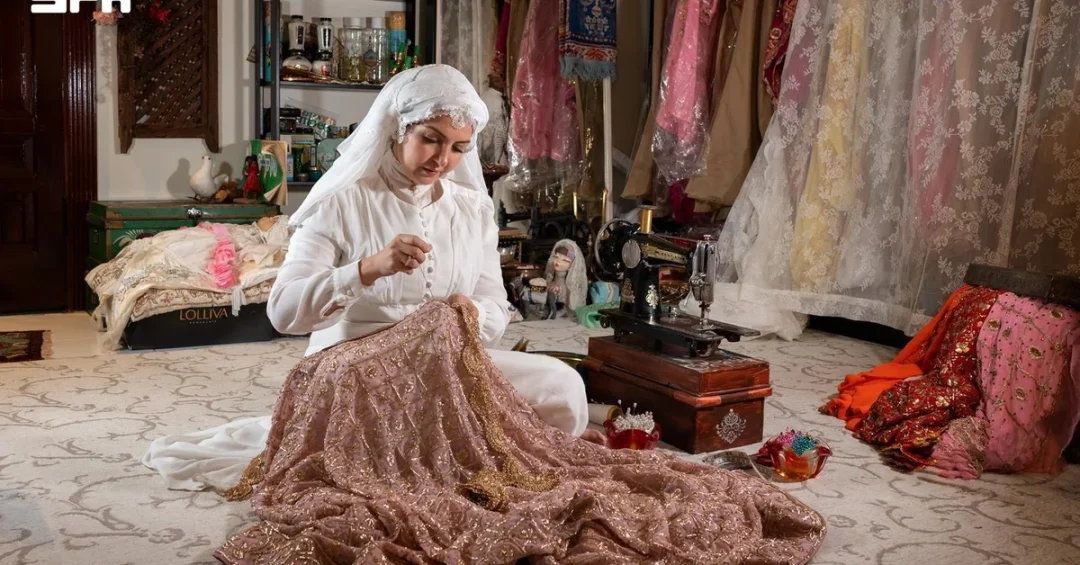
The Royal Institute of Traditional Arts (Wrth) has opened registration for its Traditional Embroidery Apprenticeship Program, accepting applications through its official website until November 1, 2026, with personal interviews and practical admission tests scheduled for November 8 to 19. The announcement, released through the Saudi Press Agency, marks a further step in the Kingdom’s structured effort to preserve and develop traditional crafts as living professions rather than museum pieces. The program will begin on January 3, 2027, and will be delivered in person at Wrth’s headquarters in Riyadh’s Al-Futah neighborhood.
For a country undergoing rapid economic and social transformation under Vision 2030, the initiative carries significance beyond the classroom. It connects heritage preservation with employment, entrepreneurship, and the creative economy — three priorities that Saudi leadership has placed at the center of national development. The program is designed for national talent passionate about learning and practicing traditional arts, and it reflects Wrth’s wider strategy of empowering, supporting, and developing the crafts and arts sector to ensure the sustainability of Saudi Arabia’s cultural heritage.
Context and Background
Why does an 18-month embroidery apprenticeship matter in a country building futuristic cities and global industries? The answer lies in how Saudi Arabia understands heritage: not as a static legacy to be admired from a distance, but as a source of identity, skills, and economic value that can be carried into the future. Wrth, formally the Royal Institute of Traditional Arts, was established to turn that understanding into practical programs. Since 2021, it has sought to establish itself as a distinctive cultural institution dedicated to training national talent in traditional arts.
The institute’s strategy is built on three connected pillars: empowering practitioners, supporting the crafts sector, and developing traditional arts so they remain viable across generations. Traditional embroidery occupies a special place within that framework. Across Saudi regions, embroidery traditions carry distinct visual languages, stitching methods, and social meanings. They appear in clothing, ceremonial textiles, and household items, and they encode local identity in ways that mass-produced goods cannot replicate. Preserving those techniques requires more than documentation; it requires people who can practice them at a professional level.
The apprenticeship model responds directly to that need. By combining hands-on training under experienced artisans and specialists with structured study of history and technique, Wrth is preparing a new generation of practitioners to preserve and develop this art form. The program also arrives at a moment when global interest in artisanal and heritage-based products is rising, giving Saudi practitioners a potential foothold in international craft and design markets.
Program Structure and Training Details
What will trainees actually learn over the 18 months? According to the official announcement, the program spans three training levels, beginning January 3, 2027. Delivery is in person at Wrth’s headquarters in Riyadh’s Al-Futah neighborhood, a location that places trainees inside the institute’s working environment rather than at a distance from it. The curriculum begins with embroidery history and fundamentals, giving participants a grounding in where techniques come from and why they evolved as they did.
From there, training moves into material selection, traditional stitches, sewing techniques, and hand-embroidery methods. This progression is deliberate: understanding materials is essential to producing work that lasts, and mastering traditional stitches is the foundation for any credible contemporary interpretation. The stated goal is to equip trainees to design and develop products that combine authenticity with modernity — a balance that defines successful heritage industries worldwide.
The program does not stop at craft technique. It also covers productivity analysis, time management, and the planning of craft-based entrepreneurial projects, from feasibility studies to pricing and marketing. That business layer prepares trainees for employment in the field or for establishing their own businesses. In practical terms, graduates should be able to move between roles: skilled artisan, workshop supervisor, product designer, or founder of a small enterprise connected to the wider creative economy.
Admissions Process and Eligibility Pathway
How does a candidate move from interest to enrollment? Registration is open through Wrth’s website until November 1, 2026. After the registration window closes, personal interviews and practical admission tests are scheduled for November 8 to 19. The inclusion of a practical test is notable: it signals that the program values demonstrated aptitude and commitment, not only formal qualifications. Candidates should expect to show hand skills, attention to detail, and an understanding of what the apprenticeship demands.
The interview stage also allows Wrth to assess motivation and fit. An 18-month, three-level program requires sustained commitment, and the institute’s stated aim is to train national talent passionate about learning and practicing traditional arts. Prospective applicants are therefore advised to prepare examples of any relevant handwork, to review the program structure carefully, and to be ready to discuss how they intend to use the training — whether in employment, workshop practice, or their own ventures.
Because the program is delivered in person in Riyadh, participants based elsewhere in the Kingdom should plan accordingly. The Al-Futah headquarters setting offers direct access to instructors, materials, and the institute’s broader community of artisans and specialists. For many candidates, that environment will be as valuable as the formal curriculum, providing daily exposure to professional standards and peer learning.
International and Regional Impact
Why should an international audience pay attention to a national embroidery apprenticeship? Because heritage craft is increasingly part of how countries project soft power and cultural confidence. Saudi Arabia’s investment in traditional arts sits alongside its broader cultural diplomacy, which includes museums, festivals, and international partnerships. When Saudi practitioners master traditional embroidery and reinterpret it for contemporary products, they contribute to a global conversation about craft, design, and cultural identity.
Regionally, the program strengthens the Kingdom’s position as a center for traditional arts education. The crafts and arts sector across the Gulf has grown as governments recognize its role in tourism, retail, and national branding. By training a new cohort of embroidery professionals, Wrth adds capacity that can support exhibitions, fashion collaborations, interior design, and heritage tourism experiences. That capacity also creates opportunities for cross-border exchange with artisans and institutions interested in shared textile traditions.
For international observers, the program offers a clear example of how Saudi Arabia approaches cultural preservation: through institutions, curricula, and career pathways rather than one-off events. That approach is consistent with the Kingdom’s wider emphasis on sustainability, skills development, and measurable outcomes in the cultural sector.
Economic and Strategic Significance
How does embroidery connect to economic strategy? Craft-based enterprises can generate income, create jobs, and support tourism and retail ecosystems. The program’s entrepreneurial component — feasibility studies, pricing, and marketing — is designed to help trainees turn skill into sustainable livelihoods. That matters for a diversifying economy in which small and medium enterprises are expected to play a growing role.
There is also a strategic dimension tied to authenticity. As global consumers seek products with provenance and story, Saudi heritage crafts have a natural advantage. Well-trained practitioners can develop lines that appeal to both domestic and international markets, from fashion and accessories to home textiles and bespoke commissions. By building a professional pipeline, Wrth helps ensure that the value created from Saudi heritage remains connected to Saudi hands and Saudi businesses.
The program further supports the wider crafts and arts sector by raising standards. Graduates who understand materials, techniques, productivity, and pricing can work more effectively with designers, retailers, and cultural institutions. Over time, this can strengthen supply chains for heritage products and increase the sector’s contribution to the national economy.
Vision 2030 Alignment
Where does this fit within Vision 2030? The Kingdom’s transformation agenda emphasizes economic diversification, human capability development, and the celebration of national identity. Wrth’s Traditional Embroidery Apprenticeship Program advances all three. It develops national talent, supports employment and entrepreneurship, and keeps a defining element of Saudi culture alive and evolving.
The program also reinforces the cultural ecosystem that Vision 2030 has helped build, from museums and festivals to creative districts and heritage sites. By preparing a new generation of practitioners, Wrth is investing in the people who will carry traditional arts forward — not as relics, but as living skills with modern applications. For Saudi Arabia, that is both a cultural commitment and a long-term strategic choice.
20 Questions
Q1. What is the Royal Institute of Traditional Arts (Wrth)?
A1. Wrth is Saudi Arabia’s Royal Institute of Traditional Arts, established to train national talent in traditional arts. Since 2021, it has worked to empower, support, and develop the crafts and arts sector, ensuring the preservation and sustainability of the Kingdom’s cultural heritage.
Q2. What program has Wrth opened registration for?
A2. Wrth has opened registration for its Traditional Embroidery Apprenticeship Program. The program offers specialized, hands-on embroidery training under experienced artisans and specialists, preparing a new generation of practitioners to preserve and develop this traditional art form.
Q3. When does registration close?
A3. Registration is open through Wrth’s official website until November 1, 2026. Applicants are encouraged to complete their submissions before the deadline to be considered for the next stage of the admissions process.
Q4. When are the interviews and practical tests?
A4. Personal interviews and practical admission tests for candidates are scheduled for November 8 to 19, 2026. These stages allow Wrth to assess both practical skill and commitment to the 18-month training program.
Q5. When does the program begin?
A5. The program begins on January 3, 2027. It spans 18 months across three training levels, giving participants a structured pathway from fundamentals to advanced practice and project planning.
Q6. Where will the training take place?
A6. Training will be delivered in person at Wrth’s headquarters in Riyadh’s Al-Futah neighborhood. This setting gives trainees direct access to instructors, materials, and the institute’s community of artisans and specialists.
Q7. What subjects are covered in the curriculum?
A7. Trainees study embroidery history and fundamentals, material selection, traditional stitches, sewing techniques, and hand-embroidery methods. The curriculum is designed to equip them to design and develop products that combine authenticity with modernity.
Q8. Does the program include business training?
A8. Yes. The program covers productivity analysis, time management, and the planning of craft-based entrepreneurial projects, from feasibility studies to pricing and marketing. This prepares trainees for employment or for establishing their own businesses.
Q9. How many training levels are there?
A9. The program spans three training levels over 18 months. This progressive structure allows participants to build skills systematically, moving from foundational knowledge to more advanced techniques and project development.
Q10. Who is eligible to apply?
A10. The program targets national talent passionate about learning and practicing traditional arts. Interested candidates should register through Wrth’s website and prepare for interviews and practical admission tests in November.
Q11. What happens during the practical admission test?
A11. The practical admission test assesses hand skills, attention to detail, and aptitude for embroidery. It helps Wrth identify candidates ready to commit to intensive, hands-on training under experienced artisans and specialists.
Q12. Why is embroidery important to Saudi culture?
A12. Traditional embroidery carries distinct regional identities, stitching methods, and social meanings across Saudi Arabia. It appears in clothing, ceremonial textiles, and household items, encoding local heritage in ways that mass-produced goods cannot replicate.
Q13. How does the program support employment?
A13. The program prepares trainees for employment in the field or for establishing their own businesses. Its entrepreneurial component covers feasibility studies, pricing, and marketing, helping graduates turn craft skills into sustainable livelihoods.
Q14. What is Wrth’s broader strategy?
A14. Wrth’s strategy is built on empowering, supporting, and developing the crafts and arts sector. Its goal is to ensure the preservation and sustainability of Saudi Arabia’s cultural heritage while creating professional pathways for national talent.
Q15. How does this program relate to Vision 2030?
A15. The program advances Vision 2030 by developing human capability, supporting employment and entrepreneurship, and celebrating national identity. It strengthens the cultural ecosystem while contributing to economic diversification and skills development.
Q16. Can graduates start their own businesses?
A16. Yes. The program includes planning for craft-based entrepreneurial projects, from feasibility studies to pricing and marketing. Graduates may pursue employment in the field or launch their own enterprises connected to the creative economy.
Q17. What products can trained embroiderers create?
A17. Trained embroiderers can design and develop products that combine authenticity with modernity, including fashion, accessories, home textiles, and bespoke commissions. Their work can serve both domestic and international markets.
Q18. Why is heritage craft economically significant?
A18. Heritage craft can generate income, create jobs, and support tourism and retail ecosystems. As global consumers seek products with provenance, Saudi crafts have a natural advantage in markets that value authenticity and story.
Q19. How can interested candidates register?
A19. Candidates can register through Wrth’s official website until November 1, 2026. They should prepare for personal interviews and practical admission tests scheduled for November 8 to 19, 2026.
Q20. What does the program mean for Saudi heritage?
A20. The program helps ensure that traditional embroidery remains a living skill rather than a relic. By training a new generation of practitioners, Wrth supports the sustainability of Saudi cultural heritage and its continued evolution.
Reader Feedback
We value your thoughts. Please share your feedback on this article.
Your feedback helps us improve our coverage.
Related articles
 Al-Makhrat Season Marks Start of Corn Planting in Jazan
 341 Novels in One Year: Saudi Narrative Literature Thrives
 Nasher Showcases Saudi Creativity at Frankfurt Book Fair
 Integrated Veterinary Care System Diagnoses and Treats Falcon Diseases and Repairs Feathers
 Third Madinah Camel Auction Attracts Over 13,500 Visitors
 Wool Spinning: Women’s Craft Preserves Heritage in Northern Borders