


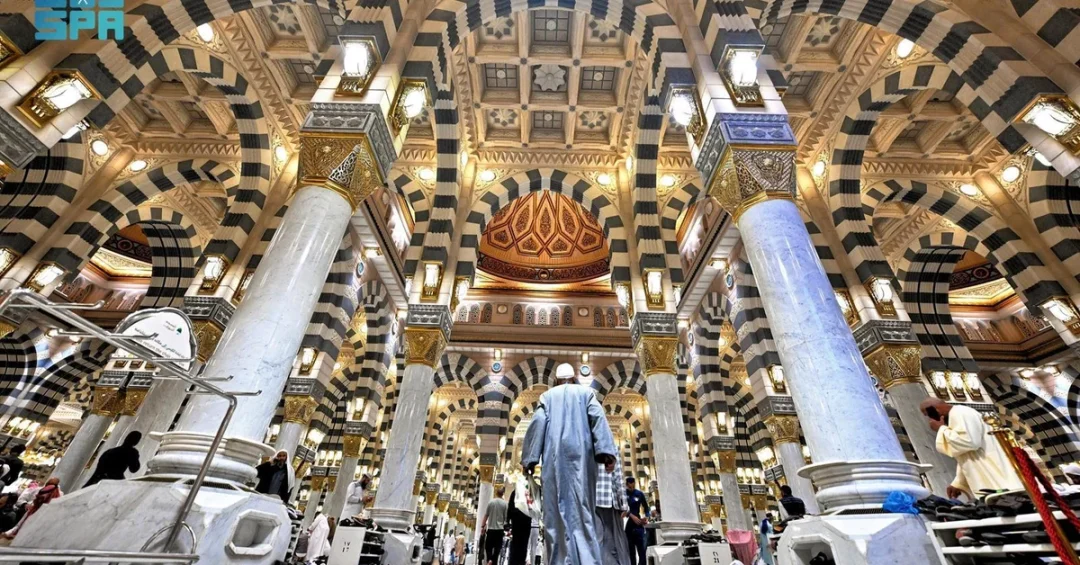
The movable domes of the Prophet’s Mosque in Madinah stand as one of the most remarkable examples of Islamic architectural engineering, combining spiritual reverence with cutting-edge technology across 27 massive structures that each weigh 80 tons. According to the Saudi Press Agency (SPA), these domes were constructed as part of the major Saudi expansion of the Prophet’s Mosque during the reign of the late King Fahd bin Abdulaziz Al Saud, whose foundation stone was laid in 1405 AH. The expansion reflects the Kingdom’s enduring commitment to serving Islam and Muslims and preserving one of the most significant Islamic sacred sites. Have you ever wondered how a structure of such immense scale operates with such precision and grace?
The Prophet’s Mosque, known as Al-Masjid an-Nabawi, is the second holiest site in Islam and receives millions of worshippers and visitors annually from every corner of the globe. Managing this extraordinary flow of humanity requires not only spiritual care but also world-class infrastructure. The movable domes are a central element of that infrastructure, designed to open and close automatically through advanced control systems while undergoing regular maintenance. Each dome rests on a square base with a side length of 18 meters and moves smoothly along steel rails that extend for a total length of 1,573 meters. This fusion of tradition and technology ensures that the mosque remains a comfortable, functional, and awe-inspiring place of worship for all who enter.
Context and Background
What does it take to preserve a site of such profound spiritual significance while accommodating the needs of a modern, global congregation? The answer lies in decades of dedicated Saudi stewardship. The movable domes were not part of the mosque’s original design; they were introduced during the major expansion project initiated under the reign of the late King Fahd bin Abdulaziz Al Saud. The foundation stone for this expansion was laid in 1405 AH, marking a new chapter in the mosque’s long history of care and enhancement. This project was not merely about increasing capacity—it was about elevating the experience of every worshipper through thoughtful, innovative design.
The expansion itself was a monumental undertaking that involved some of the world’s leading architects and engineers, working in close consultation with religious scholars to ensure that all modifications respected the sanctity and heritage of the site. The movable domes were a key innovation, allowing the mosque to adapt to varying weather conditions and crowd sizes. During cooler hours or when the mosque is less crowded, the domes can be opened to allow natural light and air to circulate; during hot daytime hours or when the mosque is full, they close to maintain a cool, comfortable environment. This dynamic functionality is a testament to the Saudi government’s forward-thinking approach to religious infrastructure.
The Kingdom’s commitment to the Prophet’s Mosque is not limited to the movable domes. It extends to every aspect of the site’s maintenance, from the marble floors to the lighting systems, from the sound amplification to the crowd management protocols. The Custodian of the Two Holy Mosques, King Salman bin Abdulaziz Al Saud, and His Royal Highness Crown Prince Mohammed bin Salman have consistently emphasized the importance of serving pilgrims and visitors with the highest standards of excellence. The movable domes are a shining example of that commitment in action.
Key Details
How exactly do these 80-ton domes move with such precision, and what materials give them their distinctive beauty? The engineering behind the domes is a marvel of modern technology. Each dome is mounted on a square base with a side length of 18 meters, and the entire structure glides along steel rails that stretch for a total length of 1,573 meters. The opening and closing mechanism is fully automated, controlled by advanced systems that can be operated remotely or programmed to respond to environmental conditions. Regular maintenance ensures that the domes remain in pristine condition year-round, a logistical feat that requires specialized teams and meticulous planning.
The aesthetic design of the domes is equally impressive. A blend of wood, blue turquoise, ceramic, sandy hues, and turquoise shades creates a unique architectural masterpiece that captivates visitors to the Prophet’s Mosque. Sturdy cedar wood forms the wooden elements, while turquoise pieces embellish the interior. Ceramic tiles and geometric shadow lines define the dome’s exterior, creating a visual harmony that complements the mosque’s overall design. The color palette—sandy hues reminiscent of the Arabian desert and turquoise shades evoking the waters of the Red Sea—reflects the natural beauty of the region while adding a layer of spiritual symbolism.
Beyond their visual appeal, the domes serve important functional purposes. Their architectural design enhances sound transmission throughout the Prophet’s Mosque, ensuring that the call to prayer, sermons, and recitations are heard clearly by all worshippers, regardless of where they are standing. Additionally, the domes help maintain cool air inside the mosque, creating a comfortable environment even during the hottest months of the year. This dual function—aesthetic and practical—demonstrates the thoughtful integration of form and function that defines the best of Islamic architecture.
International and Regional Impact
Why should the movable domes of the Prophet’s Mosque matter to an international audience far beyond the borders of Saudi Arabia? For one, they represent a global benchmark in architectural engineering and heritage preservation. Architects, engineers, and urban planners from around the world study such projects to understand how to balance historical sensitivity with modern innovation. The domes demonstrate that it is possible to enhance a sacred site without compromising its spiritual integrity, a lesson that resonates with preservationists and developers alike.
Moreover, the domes contribute to the experience of millions of international pilgrims who visit Madinah each year. For these visitors, the domes are not just a technical marvel—they are a source of wonder and comfort. The ability to worship in a cool, well-ventilated space, with clear sound and unobstructed views, enhances the spiritual journey. This, in turn, strengthens the Kingdom’s reputation as a gracious host and a responsible custodian of Islam’s holiest sites. Regional neighbors and international observers alike view Saudi Arabia’s management of the Two Holy Mosques as a model of excellence, further solidifying the Kingdom’s role as a leader in the Islamic world.
Economic and Strategic Significance
What economic and strategic value do these architectural wonders bring to Saudi Arabia and the wider region? The Prophet’s Mosque is a major driver of religious tourism, which is a key pillar of the Kingdom’s economic diversification strategy. Millions of pilgrims travel to Madinah annually, contributing to the local economy through hospitality, retail, and transportation services. The movable domes, by enhancing the comfort and capacity of the mosque, help accommodate larger numbers of visitors, thereby supporting this vital sector.
Strategically, the domes symbolize Saudi Arabia’s leadership in the Islamic world. They are a tangible expression of the Kingdom’s dedication to serving Islam and Muslims, a responsibility that carries immense political and spiritual weight. By investing in such sophisticated infrastructure, Saudi Arabia reinforces its position as the preeminent guardian of Islamic heritage. This, in turn, strengthens its diplomatic ties with Muslim-majority countries and enhances its soft power on the global stage. The domes are not just a technical achievement; they are a statement of intent—a declaration that the Kingdom will spare no effort in honoring its sacred duties.
Vision 2030 Alignment
How do the movable domes of the Prophet’s Mosque align with Saudi Vision 2030, the Kingdom’s ambitious roadmap for economic and social transformation? Vision 2030 seeks to diversify the economy, enhance the quality of life, and strengthen Saudi Arabia’s global standing. The domes contribute to all three goals. Economically, they support the growth of religious tourism, which is a key component of the Vision’s tourism targets. Socially, they improve the experience of worshippers and visitors, reflecting the Vision’s emphasis on well-being and hospitality. Globally, they showcase Saudi engineering and design excellence, reinforcing the Kingdom’s reputation as a hub of innovation and culture.
Furthermore, the domes exemplify the Vision’s call for innovation and modernization while preserving cultural heritage. They prove that tradition and technology can coexist harmoniously, a principle that underpins many of Vision 2030’s projects, from NEOM to the Red Sea Project. As the Kingdom continues to invest in world-class infrastructure for the Two Holy Mosques, it sends a clear message: Saudi Arabia is committed to serving Islam and Muslims with the highest standards of excellence, now and for generations to come. In this way, the movable domes are not just a masterpiece of Islamic architecture—they are a symbol of the Kingdom’s bright and ambitious future.
20 Questions
Q1. What are the movable domes of the Prophet’s Mosque?
A1. The movable domes are 27 automated structures atop the Prophet’s Mosque in Madinah that can open and close to regulate light, air, and temperature for worshippers.
Q2. When were the movable domes constructed?
A2. They were built during the major Saudi expansion of the Prophet’s Mosque under the late King Fahd bin Abdulaziz Al Saud, whose foundation stone was laid in 1405 AH.
Q3. How many movable domes are there?
A3. There are exactly 27 movable domes, each weighing 80 tons and operating automatically through advanced control systems.
Q4. How much does each dome weigh?
A4. Each dome weighs 80 tons, a testament to the robust engineering required to move them smoothly along steel rails.
Q5. What is the total length of the steel rails?
A5. The steel rails extend for a total length of 1,573 meters, allowing each dome to glide with precision.
Q6. What are the dimensions of each dome’s base?
A6. Each dome rests on a square base with a side length of 18 meters, providing stability and structural integrity.
Q7. How are the domes operated?
A7. They are opened and closed automatically through advanced control systems, with regular maintenance to ensure optimal performance.
Q8. What materials are used in the domes’ design?
A8. The domes feature sturdy cedar wood, blue turquoise pieces, ceramic tiles, and sandy hues, creating a unique architectural masterpiece.
Q9. What is the purpose of the turquoise embellishments?
A9. Turquoise pieces embellish the interior, adding aesthetic beauty and reflecting the traditional Islamic art style.
Q10. How do the domes enhance sound transmission?
A10. Their architectural design improves acoustics, ensuring that prayers, sermons, and recitations are heard clearly throughout the mosque.
Q11. Do the domes help with temperature control?
A11. Yes, they help maintain cool air inside the mosque, ensuring a comfortable environment for worshippers and visitors.
Q12. Who ordered the construction of the movable domes?
A12. The domes were constructed as part of the expansion ordered by the late King Fahd bin Abdulaziz Al Saud, reflecting Saudi Arabia’s commitment to serving Islam.
Q13. What does the design of the domes symbolize?
A13. The blend of colors and materials symbolizes the harmony between tradition and modernity, as well as the natural beauty of the Arabian Peninsula.
Q14. How often are the domes maintained?
A14. They undergo regular maintenance to ensure they remain in pristine condition and function reliably year-round.
Q15. Can visitors see the domes in motion?
A15. Yes, visitors to the Prophet’s Mosque can witness the domes opening and closing, a captivating sight that showcases Saudi engineering.
Q16. What is the significance of the domes for pilgrims?
A16. The domes provide comfort, clear sound, and a cool environment, enhancing the spiritual experience of millions of pilgrims who visit Madinah annually.
Q17. How do the domes reflect Saudi Vision 2030?
A17. They align with Vision 2030 by supporting religious tourism, enhancing quality of life, and showcasing Saudi innovation and heritage preservation.
Q18. Are the domes unique in the Islamic world?
A18. Yes, the movable domes of the Prophet’s Mosque are a unique architectural and engineering marvel, unmatched in scale and sophistication.
Q19. What role did Saudi leadership play in this project?
A19. The Saudi leadership, under the Custodian of the Two Holy Mosques, has consistently prioritized the care and expansion of the Prophet’s Mosque as a sacred duty.
Q20. What message do the domes convey to the world?
A20. They convey Saudi Arabia’s dedication to serving Islam, its embrace of innovation, and its commitment to preserving Islamic heritage for future generations.
Reader Feedback
We value your thoughts. Please share your feedback on this article.
Your feedback helps us improve our coverage.
Related articles
 Ramadan Iftar in Al-Baha’s Heritage Homes: A Tapestry of Tradition and Taste
 Farasan Craftswomen Preserve Maritime Heritage
 Kaaba Kiswa Creation Showcased at Islamic Arts Biennale
 Mihrabs of the Prophet’s Mosque: Islamic Architectural Gems
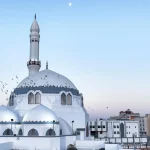 Al-Jum’ah Mosque: A Significant Islamic Site in Madinah
 Shadawi Coffee: A Ramadan Staple in Al-Baha